MMH seeks developers to rescue site from financial collapse

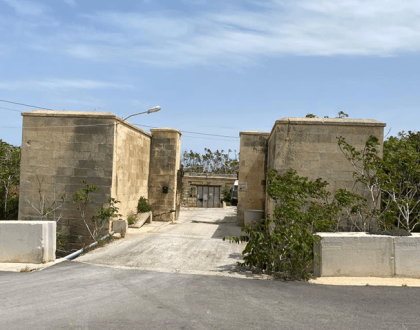
The Mediterranean Maritime Hub (MMH), located on the former Malta Shipbuilding site in Marsa, is facing a financial crisis that threatens to become the first significant bond default in Malta’s history. The company is scrambling to attract private developers to rescue its struggling operation by offering a substantial stake in its 65-year government concession in exchange for debt relief.
Paul Abela, chairman of MMH and the original concessionaire, is leading frantic negotiations as his company confronts a rapidly approaching €15 million bond repayment due in 2026. The negotiations come amid increasing concerns about the health of Malta's small bond market, which could be destabilized by a potential MMH collapse.
Government remains passive amid growing concerns
Despite being fully aware of the high-stakes talks, the Maltese government has so far chosen not to intervene. According to sources familiar with the matter, the state has made no move to recover control over the strategic public asset, nor has it taken steps to halt speculative developments that may compromise the original purpose of the maritime hub.





















Instead, Prime Minister Robert Abela, who is said to have personal and business ties to some of the developers involved in the negotiations, appears to be adopting a passive stance—monitoring developments while refraining from making policy decisions.
Key developers circle for a stake in strategic site
Sources reveal that several influential construction and logistics companies have expressed interest in acquiring parts of the MMH concession. Among the potential investors are:
- Bonnici Group, owned by Gilbert Bonnici
- GAP, through prominent developer Paul Attard
- Y&P, a heavy crane operator
- F. Schembri & Sons (also known as Tad-Dobbu)
- Fahrenheit Logistics Group, based in Attard
These developers, many of whom have close government ties, are reportedly aiming to divide the 170,000-square-metre Grand Harbour site among themselves. Some of the plans being discussed go beyond maritime-related uses, prompting concerns about deviation from the original concession agreement.
The coordination of these efforts is allegedly being handled by Pierre Balzan of the Melita Marine Group, who has been acting as an informal facilitator between MMH and prospective bidders.
Concession terms remain opaque
The MMH concession, granted in 2016, has long been mired in controversy. In contrast to other significant public land agreements, this concession was granted without undergoing parliamentary review, and its contractual details have never been disclosed to the public.
At the time, Chris Cardona, then Minister for the Economy, was responsible for the deal. Critics have consistently called for greater transparency, especially given the strategic importance of the site in the innermost part of the Grand Harbour.
Originally, MMH was envisioned as a hub for the oil and gas sector. However, this vision never materialized. Global shifts in the energy sector and disruptions caused by the COVID-19 pandemic crippled the initiative before it could take off.
Diversion from maritime vision
In practice, the MMH site has been used for various non-core activities, including boat storage and the hosting of conferences. Although these functions may generate revenue, they do not align with the government’s stated maritime development goals.
Developers currently in talks with MMH have reportedly requested changes to the concession framework that would allow broader, potentially unrelated uses for the site. So far, the government is said to be resisting these demands, insisting that new investors maintain a maritime-focused business model.
Government rejects €50 million bailout request
Prior to seeking private investors, Paul Abela attempted to negotiate a buyback of the concession by the government. He requested approximately €50 million in compensation for his investments and development of the site. However, this proposal was firmly rejected.
Finance Minister Clyde Caruana is understood to have opposed the idea of using public funds to bail out a failing private venture. Sources suggest Caruana believes that taxpayers should not bear the burden of poor business decisions or speculative investments gone wrong.
Debt default looms over Malta’s bond market
MMH issued a €15 million bond in 2016, scheduled to mature in October 2026. According to the company’s auditors, unless significant new capital is injected, MMH will be unable to meet its debt obligations.
This looming default has triggered alarm among financial analysts, who fear that a failure to repay the bond could damage investor confidence in Malta’s small but growing bond market. A default could also raise regulatory questions about how such deals are overseen and the risks they pose to the financial system.
Paul Abela distances himself amid crisis
While the financial storm gathers, Paul Abela is reportedly living in Spain in a large property he purchased several years ago. His physical absence from Malta has drawn criticism, particularly from those who believe he should be held accountable for the current crisis.
Abela intends to maintain a 10% ownership in the MMH concession following the proposed restructuring, enabling him to remain involved in the venture while shifting the bulk of the financial burden onto new investors.
The future of the maritime hub remains uncertain
As MMH negotiates with private developers, the future of the site remains in flux. Should the talks succeed, the concession will likely pass into the hands of developers whose plans may diverge significantly from the maritime-centric vision originally envisaged.
What remains unclear is whether the government will eventually step in to safeguard the public interest or continue its hands-off approach as MMH is potentially carved up by private enterprise.
What is certain is that the coming months will be pivotal—not only for MMH and its creditors but also for the credibility of Malta’s financial and regulatory institutions.
Conclusion
The unfolding crisis at the Mediterranean Maritime Hub presents a significant test for Malta’s financial integrity, public asset management, and government accountability. As MMH teeters on the brink of default, the consequences extend beyond one company’s financial woes—threatening to undermine confidence in Malta’s bond market and exposing weaknesses in how public land concessions are granted and monitored.
The government's reluctance to intervene decisively, despite being aware of the negotiations and the potential misuse of a strategic national asset, raises pressing questions about transparency and long-term planning. While developers circle in hopes of acquiring parts of the valuable site, there remains an urgent need for oversight to ensure that public interests, particularly the maritime industry's future, are not sidelined in favor of private profit.
As Malta navigates this complex and high-stakes situation, the ultimate resolution of the MMH crisis will likely set a precedent for future public-private partnerships. It remains to be seen whether the government will step in to preserve the integrity of the original concession purpose or allow the hub to be transformed into a fragmented commercial project divorced from its intended maritime role. Either way, the outcome will have lasting implications for Malta’s economic credibility and public trust.
FAQs
What is the Mediterranean Maritime Hub (MMH)?
MMH is a maritime facility located on the former Malta Shipbuilding site in Marsa, granted under a 65-year government concession in 2016 to businessman Paul Abela.
Why is MMH in financial trouble?
MMH owes €15 million from a 2016 bond due in 2026 and has failed to generate the expected revenue, largely due to a collapse in the oil and gas sector and the COVID-19 pandemic.
Who is Paul Abela?
Paul Abela is the chairman of MMH and the original recipient of the government concession for the maritime site. He is currently residing in Spain.
What are the developers trying to do with MMH?
Developers are negotiating to take over shares of the MMH concession in exchange for covering its debts, potentially dividing the site among themselves.
Is the government involved in the rescue efforts?
While the government is aware of the talks, it has so far taken a passive stance and rejected prior attempts to buy back the concession using public funds.
What happens if MMH defaults on its bond?
A bond default could trigger a loss of investor confidence and mark the first major failure in Malta's small bond market, with broader economic implications.
Who are the developers interested in MMH?
Entities such as Bonnici Group, GAP, Y&P, F. Schembri & Sons, and Fahrenheit Logistics Group are reportedly involved in negotiations.
Why didn’t the MMH concession go through parliament?
Unlike other public land deals, the MMH concession was granted without parliamentary scrutiny, raising concerns about transparency and governance.
What was MMH originally intended for?
The site was meant to serve as a hub for the oil and gas sector, but the plan never materialized due to global industry downturns.
Could the site be used for non-maritime purposes?
Some developers want to broaden the scope beyond maritime activities, but the government is currently resisting changes to the concession terms.

Anna Amstill
I am an avid Blogger and Writer with more than 6 years of experience with Content Writing. An Online Marketing expert specializing in Blog writing, Article writing, Website content, SEO specific Keyword content and much more. Education B.A. - business management, York University, Canada, Graduated 2016.