Mount Carmel €10m EU project cancelled amid uncertainty

Malta’s health sector is once again at the centre of public scrutiny following the cancellation of a €10 million EU-funded project intended for Mount Carmel Hospital. The project, financed through the European Union’s Recovery and Resilience Fund (RRF), was designed to modernise facilities at the country’s main mental health institution. Yet, after more than a year of preparation and evaluation, the tender has been abruptly withdrawn.
The decision raises significant questions about how healthcare projects are managed, the government’s ability to utilise EU resources effectively, and the wider consequences for patients and healthcare workers.
A cancelled project after months of preparation
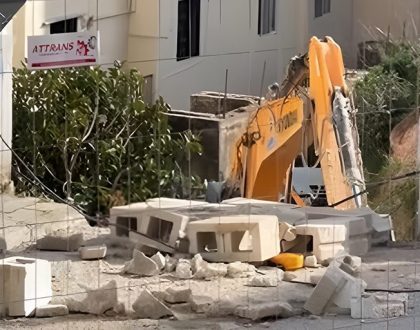
The Mount Carmel project was launched in June 2024, only weeks after the government publicly announced plans to eventually phase out the hospital and replace it with community-based mental health facilities. Despite this long-term vision, the Ministry for Health, led by Minister Jo Etienne Abela, issued a €10.2 million tender to demolish one of Mount Carmel’s wards and reconstruct it as a modernised 16-bed male psychiatric ward.





















According to the published medical brief, the ward was intended to provide much-needed psychiatric care in improved conditions. However, the timing of the tender raised immediate questions. Critics highlighted the contradiction between the Minister’s pledge to close down Mount Carmel and the launch of an expensive construction project on the same site.
When asked to clarify the contradiction, a Ministry spokesman stated that the medical brief included in the tender was “an outdated version” and that it had not been revised before publication. The spokesman maintained that while the project would continue, the final purpose of the new ward was still undecided.
The tender process and competing bids
The tender process moved ahead despite the confusion. By the September 2024 deadline, several bids had been submitted. Among them, the lowest bid was put forward by Care Design JV, a consortium formed by Camray Company Ltd and architect Frank Muscat of Doric Studio. Their proposal came in just under €10 million, closely aligned with the project’s original budget.
For almost a year, the Department of Contracts evaluated the proposals. Stakeholders waited for a decision that could unlock EU funding and bring progress to a sector widely regarded as under pressure. Instead, in mid-2025, bidders were informed that the tender had been cancelled altogether.
Under procurement rules, disappointed bidders have a limited timeframe to contest the decision. However, they must deposit €50,000 to lodge an appeal, a cost that some contractors consider prohibitive.
Mount Carmel’s ongoing challenges
Mount Carmel Hospital, located in Attard, has long been the centre of debate in Malta’s mental health policy. Built in the 19th century, it has faced repeated criticism for outdated infrastructure and inadequate facilities for patients. International experts and local advocacy groups have urged successive governments to shift towards smaller, community-based services that integrate mental health care within society rather than isolating patients in a large institution.
The government has repeatedly acknowledged the need for reform. Yet, while plans have been announced for new psychiatric facilities to replace Mount Carmel, progress has been slow. The cancellation of the €10 million project appears to reinforce concerns about delays and inconsistencies in planning.
A pattern of cancellations in the health sector
This latest reversal is not an isolated case. It follows a series of high-profile cancellations of healthcare projects in recent years.
At Mater Dei Hospital, the country’s general hospital, the government had committed to expanding the emergency department to address overcrowding and rising demand. After years of preparatory work, including designs and tendering, the project was cancelled when the tender attracted only one bid, which was almost double the estimated €80 million budget. A single proposal was put forward by CE-BB Projects, a joint venture formed between Bonnici Brothers and CE Installations.
The company contested the cancellation, accusing the government of mismanagement and arguing that its valuation was unrealistic. That dispute has now moved into the appeals process, creating further delays before any new tender can be issued. Meanwhile, conditions in Mater Dei’s emergency department remain strained, with doctors and patients reporting long waiting times and overstretched facilities.
The proposed development of replacement psychiatric wards for Mount Carmel has encountered comparable challenges. Years of consultations, designs, and early tendering efforts have so far failed to translate into tangible progress.
Concerns over EU funding and public accountability
One of the most pressing issues raised by the Mount Carmel cancellation is the fate of the €10 million in EU Recovery and Resilience funding that had been allocated for the project. The RRF is a temporary EU financial instrument created in response to the COVID-19 pandemic, with the specific aim of supporting reforms and investments across member states. Funds are tied to strict deadlines, and projects must meet established milestones to remain eligible.
Observers are now questioning whether Malta risks losing access to these funds. If the government fails to redirect the money into an alternative project within the permitted timeframe, millions of euros could be forfeited. This would not only represent a missed opportunity for healthcare investment but also damage Malta’s reputation for effective use of EU resources.
The broader implications for healthcare delivery
The repeated cycle of project announcements, tendering, and cancellations reflects deeper challenges in Malta’s healthcare system. The lack of follow-through on major initiatives has left frontline workers struggling to cope with outdated infrastructure, rising patient numbers, and growing expectations for modern healthcare delivery.
Mental health remains a particularly sensitive area. Although awareness of psychiatric care has increased in recent years, Malta continues to face a shortage of resources, professionals, and modern facilities. The uncertainty surrounding Mount Carmel’s future contributes to a climate of instability for both patients and staff.
At the same time, the Mater Dei emergency department crisis highlights the need for urgent capacity expansion. Reports of patients waiting on trolleys in hospital corridors have become increasingly frequent, underscoring the system’s vulnerability to seasonal surges and population growth.
Government silence and calls for transparency
So far, the Ministry for Health has not provided an explanation for the cancellation of the Mount Carmel project. No statement has clarified whether the decision was based on budgetary concerns, procurement issues, or a change in strategic direction.
This silence has fuelled criticism from opposition politicians, healthcare professionals, and civil society groups, who argue that the public deserves transparency when significant amounts of taxpayer and EU money are involved. Stakeholders stress that accountability is particularly vital in the healthcare sector, where delays and uncertainty directly affect patient care.
Looking ahead
The cancellation of the Mount Carmel tender leaves Malta’s mental health policy at a crossroads. With the hospital’s infrastructure deteriorating and EU funds potentially at risk, the government faces pressure to present a clear plan for the sector’s future.
If Malta is to avoid further setbacks, decision-makers will need to adopt a more consistent and transparent approach to healthcare planning. Ensuring that projects are properly costed, realistically budgeted, and aligned with long-term policy goals will be essential.
The coming months will be critical in determining whether the government can redirect EU funding into viable alternatives or whether this latest cancellation becomes another symbol of missed opportunity in Malta’s healthcare reform.
Conclusion
The cancellation of the €10 million Mount Carmel Hospital project underscores the persistent difficulties Malta faces in managing large-scale healthcare investments. What was initially presented as an opportunity to improve mental health infrastructure has instead become another case of stalled progress, adding to a pattern of delayed or abandoned projects within the health sector.
Beyond the immediate impact on Mount Carmel, the decision raises broader concerns about the government’s ability to plan effectively, make consistent policy choices, and safeguard EU funding intended to modernise essential services. The lack of clear explanations from the Ministry has deepened uncertainty, leaving both healthcare professionals and the public without answers.
As Malta continues to confront rising demand in its hospitals and longstanding issues in mental health care, the need for a transparent, realistic, and forward-looking strategy is more urgent than ever. Unless lessons are learned from these repeated setbacks, the country risks not only losing vital EU funds but also failing the patients and professionals who rely on a well-functioning healthcare system.
FAQs
What was the Mount Carmel Hospital project?
It was a €10 million EU-funded project intended to demolish and rebuild a ward at Mount Carmel Hospital into a new 16-bed psychiatric facility.
Why was the project controversial?
The project was announced shortly after the government pledged to close Mount Carmel, raising questions about why such large funds were being invested in a facility marked for eventual closure.
Who submitted the lowest bid?
The lowest bid came from Care Design JV, a consortium formed by Camray Company Ltd and architect Frank Muscat of Doric Studio.
Why was the tender cancelled?
The Health Ministry has not publicly explained the reasons for the cancellation, leaving questions about budgetary or strategic concerns unanswered.
What will happen to the EU funding?
The €10 million was allocated under the EU Recovery and Resilience Fund. Without an alternative project, Malta risks losing access to the funds.
Is this the only cancelled health project?
No, other major healthcare projects, including the expansion of Mater Dei Hospital’s emergency department, have also been cancelled or delayed.
What is the current situation at Mount Carmel Hospital?
Mount Carmel remains in use, but it faces criticism for outdated infrastructure and calls for a shift towards community-based mental health services.
What is happening at Mater Dei Hospital?
Mater Dei’s emergency department continues to struggle with overcrowding and capacity shortages, as plans for expansion remain stalled.
Why are tenders being cancelled repeatedly?
Critics suggest that mismanagement, unrealistic budgeting, and inconsistent planning have contributed to repeated cancellations in Malta’s health sector.
What do experts and stakeholders want next?
They are calling for greater transparency, realistic planning, and decisive action to ensure that healthcare reforms are delivered effectively.

Ash
I like to keep it short. I am a writer who also knows how to rhyme his lines. I can write articles, edit them and also carve out some poetic lines from my mind. Education B.A. - English, Delhi University, India, Graduated 2017.