














Netherlands’ Crackdown on Illegal Online Casinos – A Growing Trend
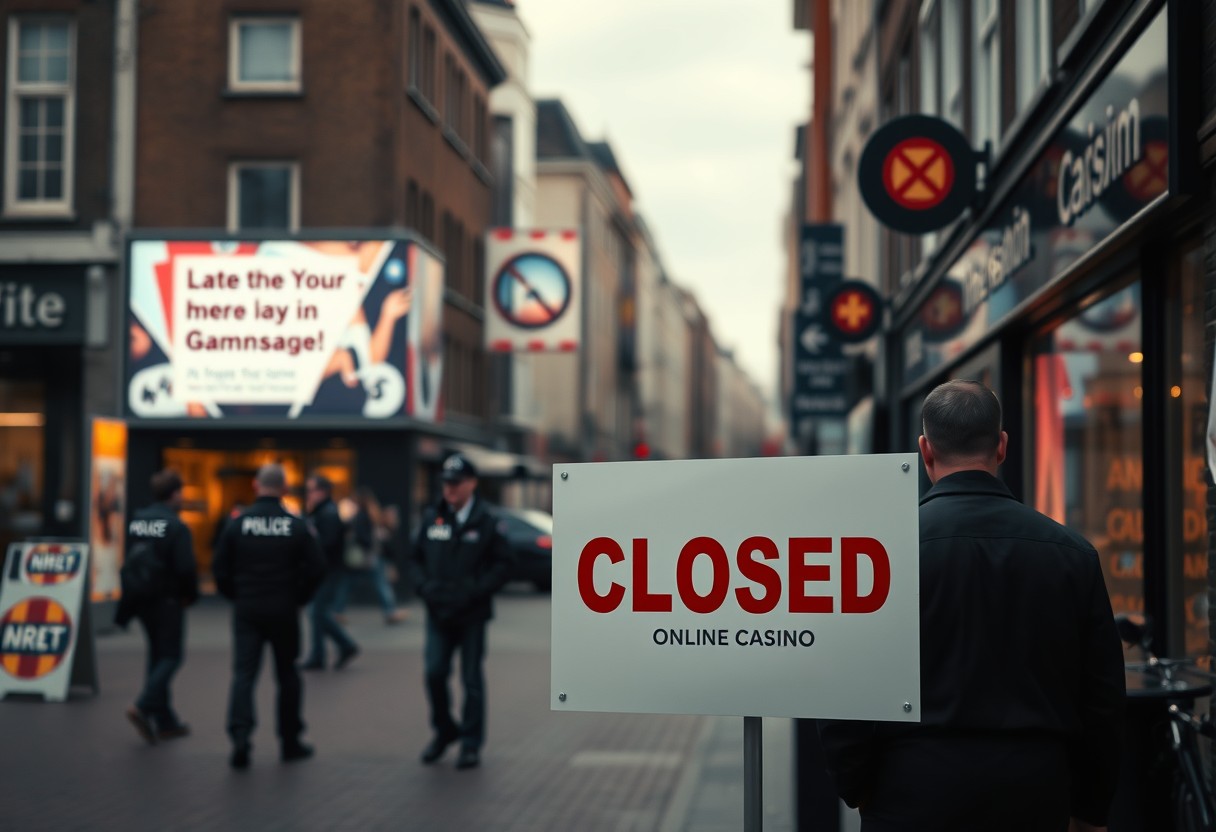
Many countries are intensifying their efforts to regulate online gambling, and the Netherlands is no exception. With the rise of unauthorized online casinos, the Dutch government has implemented stringent measures aimed at curbing illicit operations and protecting consumers. This blog post explores the ongoing crackdown, its implications for both players and operators, and how this trend reflects broader global efforts to promote safer gambling environments. As the landscape of online gambling evolves, understanding these developments is vital for stakeholders and consumers alike.
Overview of Online Gambling in the Netherlands
To understand the landscape of online gambling in the Netherlands, it is imperative to recognize the evolving regulations aimed at addressing consumer protection and responsible gambling. The Dutch government has endeavored to create a regulated framework that permits licensed operators while curbing the presence of illegal online casinos. This shift reflects a broader trend towards modernizing gambling laws in response to technological advancements and changing consumer behavior.
Historical Context
Historical developments in the Netherlands show that online gambling was largely unregulated until the introduction of the Remote Gambling Act in 2021. Prior to this legal framework, players were often left vulnerable to unlicensed operators, prompting the government to reassess its approach to gambling in the digital age. This foundational shift aimed to ensure safer betting environments and to increase state revenue through regulated operators.





















Recent Developments
An important aspect of the current gambling climate in the Netherlands is the implementation of the Remote Gambling Act, which officially came into effect in 2021, allowing licensed operators to offer their services legally. This progressive move aimed to unify the gambling sector under strict regulations to promote transparency while combating illegal gambling activities. However, the increase in licensed platforms has also led to a significant crackdown on illegal online casinos, reinforcing the government's commitment to safeguarding consumers.
To further bolster this regulatory environment, the Dutch government has initiated enforcement actions against illegal online gambling websites, employing measures such as fines and site blocking. Additionally, the Kansspelautoriteit (Dutch Gaming Authority) has enhanced its monitoring efforts to ensure compliance among licensed operators, fostering an environment of accountability. As the industry continues to evolve, ongoing efforts to improve consumer protection and responsible gambling practices remain paramount, signaling a pivotal moment in the Netherlands' approach to online gambling.
Legal Framework Surrounding Online Casinos
Assuming the Netherlands' approach to online gambling continues to evolve, the legal framework surrounding online casinos is increasingly complex. The Remote Gambling Act, enacted in 2021, aims to regulate and control the online gaming sector while protecting consumers. This allows licensed operators to offer services legally, while strict penalties are imposed on those that operate without a license, enhancing the safety and integrity of the gambling environment.
Licensing Requirements
Licensing for online casinos in the Netherlands is strictly regulated by the Dutch Gaming Authority. Operators must fulfill rigorous criteria, including financial stability, responsible gaming measures, and technical security standards. Only those who meet these prerequisites are granted a license, ensuring a safe experience for players.
Regulatory Challenges
Online casinos in the Netherlands face significant regulatory challenges as the landscape adapts to new market dynamics. The authorities continually monitor compliance, requiring operators to maintain transparency and adhere to stringent guidelines to protect consumers and prevent illegal activities.
Legal enforcement issues can arise as regulators struggle to monitor a fast-paced online market. Many operators exploit loopholes in current legislation, complicating the enforcement of compliance. Furthermore, the challenge intensifies with offshore illegal operators that ignore Dutch laws. Enforcing penalties and protective measures becomes crucial as the government seeks to ensure a safe gambling environment and promote legal compliance among all operators.
The Crackdown on Illegal Online Casinos
You may have noticed a significant shift in the Netherlands' approach to online gambling in recent years. The government has intensified efforts to eliminate illegal online casinos, establishing a more rigorous regulatory framework designed to protect consumers and promote responsible gaming. This crackdown aims not only to discourage unlawful operations but also to ensure a safe and transparent gaming environment for players, reflecting broader trends in global gambling regulation.
Government Operations and Enforcement
Enforcement agencies in the Netherlands have ramped up their operations against illegal online casinos through coordinated raids, financial investigations, and stringent penalties. The Dutch Gambling Authority (Kansspelautoriteit) actively monitors online platforms, collaborating with international partners to track down these unlawful operators. This multi-pronged approach underscores the government's commitment to compliance and helps deter future violations.
Impact on Illegal Operators
The recent measures have resulted in substantial consequences for illegal operators in the online gambling sector. Many of these platforms have faced heavy fines and closure, significantly reducing their market presence.
To further illustrate, the crackdown has led to the shutdown of numerous unlicensed online casinos, which have struggled to maintain their operations amid heightened scrutiny. Operators found to be violating regulations face severe penalties, including multi-million euro fines and potential criminal charges. As enforcement strengthens, many illegal sites have opted to terminate their services in the Netherlands altogether, leaving room for licensed operators to fill the gap and foster a more secure gaming landscape.
Economic Implications of the Crackdown
After implementing stringent regulations against illegal online casinos, the Netherlands faces notable economic consequences. The crackdown aims to create a more stable and secure gambling environment, ultimately fostering consumer trust. While these measures may initially disrupt the market, they are likely to lead to long-term benefits, including increased tax revenues and better consumer protection. As the legal landscape evolves, companies that comply with new regulations may emerge stronger, supporting the growth of a regulated online gambling industry.
Effects on Revenue
Revenue from online gambling is expected to rise as illegal operators are pushed out of the market. The state anticipates higher tax income from licensed operators, which can be reinvested into public services and infrastructure. With a more substantial legal framework, the overall gambling industry can achieve sustainable growth while contributing positively to the national economy.
Job Creation and Market Growth
One of the significant benefits of the crackdown on illegal online casinos is the potential for job creation and market growth. As the legal online gambling ecosystem expands, new businesses and services will emerge, necessitating a workforce to support operations, customer service, and technology development.
Market growth will not only lead to job opportunities within companies but also stimulate ancillary sectors such as marketing, technology, and finance. The focus on regulated gambling may encourage investment in innovative gaming technologies and strengthen consumer engagement, thus fostering a healthier economy. As a result, both skilled and unskilled labor markets are likely to see a positive impact, further enhancing the overall economic landscape of the Netherlands.
Public Perception and Social Impact
Keep in mind that the crackdown on illegal online casinos in the Netherlands has sparked a complex conversation about the role of gambling in society. While some celebrate the government's efforts to protect consumers and promote responsible gambling, others raise concerns about potential increases in clandestine gambling activities. This duality in public perception highlights the need for ongoing dialogue around the implications of regulatory measures and their influence on societal views surrounding gambling.
Attitudes Towards Gambling
To many in the Netherlands, gambling is seen as a form of entertainment, fostering a relatively open attitude toward regulated casinos. However, the rise of illegal online platforms complicates this perspective, as they undermine the legitimacy and safety of gambling activities. Consequently, while there is acceptance of legal gambling as a leisure activity, illegal operations face growing disapproval due to their potential harms.
Problem Gambling Concerns
Public concern over problem gambling is escalating as the crackdown on illegal online casinos unfolds.
The issue of problem gambling remains a pressing challenge, as the increasing accessibility of online casinos can lead to higher rates of addiction. While the government's efforts aim to curb illegal activities, they also raise awareness about the mental health implications associated with gambling. Many advocacy groups insist on promoting responsible gambling practices and education to mitigate the risks, emphasizing that regulatory measures must go hand-in-hand with support systems for those affected by gambling addiction.
Future of Online Gambling Regulation
Not only is the Netherlands taking steps to regulate online gambling, but this effort reflects a broader global trend toward stricter oversight. Countries around the world are increasingly recognizing the need for robust frameworks that protect consumers, promote responsible gaming, and combat illegal operations. As jurisdictions grapple with this evolving landscape, they must find a balance that fosters innovation while ensuring player safety and fair play.
Potential Reforms
Any reforms in online gambling regulation are likely to focus on enhancing consumer protection and improving transparency. This could include measures such as tighter age verification processes, clearer rules regarding payouts and odds, and expanding access to responsible gambling resources. By adapting regulations to address these critical areas, lawmakers can create a safer environment for players while supporting legal operators.
Trends in Compliance and Enforcement
With the increasing prevalence of illegal online casinos, regulators are emphasizing compliance and enforcement measures. This includes implementing stricter licensing requirements and monitoring online platforms to ensure adherence to local laws. As a result, enforcement agencies are becoming more proactive in addressing infractions and penalizing non-compliance.
Another significant trend is the collaboration between countries to crack down on illegal online gambling operations. As the internet transcends borders, international cooperation becomes necessary for effective enforcement. Sharing information and best practices allows jurisdictions to tackle the challenges posed by rogue operators more effectively, ultimately leading to a safer online gambling landscape for consumers worldwide.
Conclusion
Drawing together the recent developments in the Netherlands' crackdown on illegal online casinos, it is evident that the government is taking significant steps to regulate the gaming industry. This trend reflects a broader global movement towards ensuring consumer protection and enforcing fair play standards. By intensifying its efforts against unlicensed operators, the Netherlands aims to create a safer and more transparent gambling environment, ultimately benefiting both players and the regulated market.

Michael
With nearly 30 years in corporate services and investigative journalism, I head TRIDER.UK, specializing in deep-dive research into gaming and finance. As Editor of Malta Media, I deliver sharp investigative coverage of iGaming and financial services. My experience also includes leading corporate formations and navigating complex international business structures.
Related Posts





Italy reconsiders gambling ad ban to boost football funding
April 10, 2026

KSA flags Unibet operator Optdeck for AML non‑compliance
April 10, 2026


Vyking Launches Real-Time Rebate & Cashback Engine
April 9, 2026