















NGOs Challenge Fort Chambray Demolition Plans
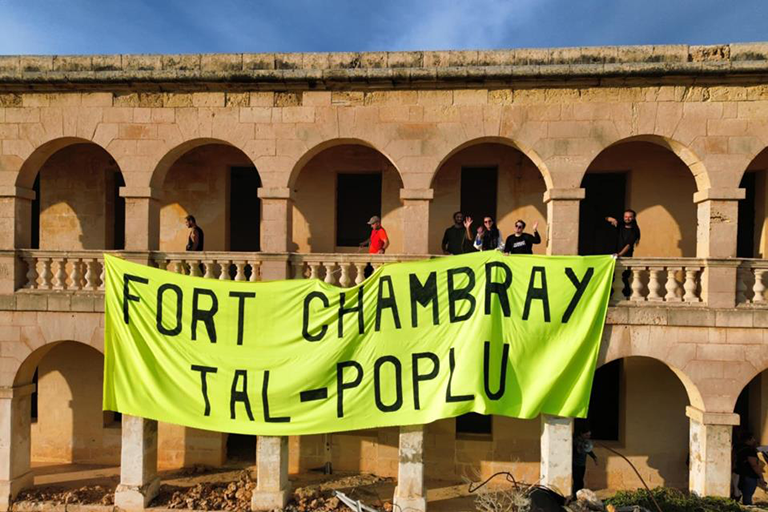
Several non-governmental organizations (NGOs) have announced their intention to challenge the Planning Authority’s controversial decision to demolish the historic British Barracks at Fort Chambray. This decision would make way for a large-scale development, including 105 residential units, an aparthotel with 64 rooms, 50 apartments, and various commercial facilities. The NGOs are urging the public to rally behind their efforts and contribute to funding their legal appeals in a bid to preserve this significant historical site.
A Call for Public Support
In a statement released Thursday, the organizations strongly condemned the Planning Authority’s actions, accusing it of a blatant disregard for Malta's historical heritage in favor of unchecked greed. They argue that the decision to demolish the British Barracks represents a profound misstep and a betrayal of Malta’s cultural identity. Criticizing the Ministry for Culture’s defense of the development plans, the NGOs highlighted what they termed absurd statements suggesting that the plans align with the vision of the Knights of St. John. Such claims, they contend, demonstrate a troubling disconnect between the politicians and the historical significance of the site.
As public outcry grows, the NGOs stress that their position is rooted in a genuine desire to safeguard the integrity of the land, its history, and its people. They argue that the development constitutes a blatant violation of existing laws designed to protect cultural heritage and call on the government to reconsider its stance. The NGOs have vowed to use all available legal avenues to halt the project and protect Fort Chambray from what they view as an irreparable harm to the site’s historic value.





















Fort Chambray’s Rich History
Fort Chambray is one of Gozo’s most important historical landmarks, and the British Barracks, dating back at least to 1895, is one of its most iconic structures. Located prominently at the entrance of Mġarr Harbour, the British Barracks has been an integral part of the landscape for generations. Its grand façade is visible from the sea, providing a lasting image of Gozo’s military and cultural heritage.
It is almost unfathomable to many that anyone would consider demolishing such a critical part of the island’s history. The proposed development not only threatens to obscure the barracks’ façade behind a cluster of new buildings, but it also includes plans for a new structure that would be built on top of the existing one, further erasing the site’s historical significance.
Planning Irregularities and Legal Concerns
One of the major points of contention raised by the NGOs is the manner in which the planning applications have been handled. They point to several irregularities in the process, including the omission of the British Barracks from the official list of protected sites. Despite numerous requests from Gozitan organizations to have the barracks granted heritage protection, the Planning Authority has failed to act. The decision to approve the Fort Chambray development (application PA 3884/23) before addressing the application to demolish the British Barracks (PA 2454/16) is seen by many as a significant breach of proper planning procedure.
These irregularities have raised serious questions about the legal validity of the decisions concerning Fort Chambray. The NGOs argue that the Planning Authority has failed to honor its duty to protect the island’s heritage and that this decision sets a dangerous precedent for future developments in other historically significant areas.
The Fort Chambray Saga: A Tale of Political Negligence
Fort Chambray’s story is one of political mismanagement and neglect. Both Nationalist and Labour administrations have allowed the fort to fall into disrepair over the past three decades, during which time various failed development concessions have been granted. The NGOs accuse successive governments of betraying the people of Gozo and Malta by allowing this national treasure to deteriorate.
The situation reached a new low in June of last year when both the Government and the Opposition voted in favor of a Parliamentary resolution that permitted the original concessionaire, Michael Caruana, to sell his government concession and transfer extensive land holdings to a new consortium of developers. Despite the fact that the government had the right to reclaim Fort Chambray, the decision was made to transfer control to the new development group, effectively allowing a private interest to profit from what is considered a public heritage site.
As part of the latest agreement, the Government will assume responsibility for consolidating the land beneath the fort, restoring the fortifications, and maintaining the overall site. This arrangement, the NGOs argue, is not only a betrayal of the people’s right to access and enjoy their heritage, but it also means that the public will fund the restoration efforts that will ultimately benefit the developers.
Public Outcry Against the Destruction of History
The NGOs are adamant that neither the government nor any developer has the right to destroy part of Malta and Gozo’s shared history. They argue that the destruction of Fort Chambray, including the British Barracks, would constitute a flagrant violation of the cultural and historical rights of the people. The organizations have promised to continue their legal fight to prevent the development from going forward and are calling on the public to support their efforts in every way possible.
A Broader Issue of Cultural Preservation
The battle over Fort Chambray is not just about one building, but about a broader issue of cultural preservation in Malta and Gozo. The NGOs stress that the decision to demolish such an important site reflects a larger trend of prioritizing profit over heritage in Malta’s development plans. They argue that the destruction of historical sites like Fort Chambray sends a troubling message that the country’s rich cultural legacy is expendable in the face of economic interests.
The groups involved in the protest are united in their call for a more responsible approach to development, one that takes into account the historical, cultural, and environmental significance of the sites being developed. They are demanding that the government take a stand to protect these sites, rather than allowing them to be exploited for short-term gain.
The Road Ahead for Fort Chambray
Looking ahead, the NGOs remain determined to continue their campaign against the demolition of the British Barracks and the Fort Chambray development plans. With the public’s support, they believe they can succeed in stopping this controversial project and securing the long-term protection of Fort Chambray as an integral part of Malta’s cultural heritage.
The organizations involved in this campaign include:
- BirdLife Malta
- Din l-Art Ħelwa
- Din l-Art Ħelwa – Għawdex
- Flimkien għal Ambjent Aħjar
- Għawdix
- Moviment Graffitti
- Ramblers' Association of Malta
- The Archaeological Society Malta
- Wirt Għawdex
Each of these groups is committed to ensuring that the historical and cultural heritage of Malta and Gozo is preserved for future generations, and they call on the public to support their efforts.
Conclusion
The battle to save Fort Chambray and its historic British Barracks is far from over. The NGOs involved are determined to protect this vital piece of Malta's heritage from being erased by commercial development. With the public's support, they hope to ensure that Fort Chambray is preserved for future generations, allowing its historical significance to continue to shape the identity of Malta and Gozo. The fight is not only for the preservation of a building but for the protection of cultural heritage that belongs to all.
FAQs
Why are NGOs protesting the development at Fort Chambray?
NGOs are protesting the demolition of the British Barracks at Fort Chambray, which they believe is a significant historical site that should be preserved.
What does the development plan include?
The development plan includes 105 residential units, 64-room aparthotel, 50 apartments, and other commercial facilities.
What is the historical importance of the British Barracks?
The British Barracks, dating back to at least 1895, is a prominent feature of Fort Chambray and a key part of Gozo’s heritage.
What irregularities were found in the planning process?
The NGOs have pointed to the omission of the British Barracks from protected status and the questionable timing of the planning authority’s decisions.
What has been the political response to the situation?
Both the Government and the Opposition have supported the transfer of Fort Chambray to a new development consortium, which the NGOs criticize as a betrayal.
How does the proposed development affect the landscape?
The development would obscure the British Barracks’ façade and alter the landscape of Fort Chambray, erasing its historical significance.
What legal measures are being taken by NGOs?
NGOs are planning to appeal the decision and use all available legal avenues to prevent the demolition of the British Barracks.
What is the role of the public in this fight?
The NGOs are calling on the public to support their legal appeals and help fund the effort to protect Fort Chambray.
What does the latest agreement mean for the public?
The agreement means the government will fund restoration efforts, which ultimately benefit private developers, depriving the public of their heritage.
How can the public get involved in supporting the NGOs?
The public can support the NGOs by contributing funds and advocating for the preservation of Fort Chambray through various channels.

Claire
A highly motivated, results-driven, enthusiastic and ambitious writer. I can offer you well researched and high-quality article writing on any topic for your website or blog and can as well re-write your existing web content.
Related Posts



Spring culture fuels Malta tourism
April 4, 2026