NGOs urge withdrawal of Malta planning reform bills
A coalition of ten prominent environmental and civic organisations has once again urged Prime Minister Robert Abela to withdraw two controversial planning bills that were tabled in parliament at the end of July. The groups maintain that these proposed laws—if enacted—would dismantle existing safeguards, erode public participation in the planning process, and hand disproportionate advantages to private developers.
The latest call for action follows several weeks of intense public discussion and growing resistance from environmental organisations, urban planning experts, and concerned citizens. Many fear that, despite being presented as a reform, the proposed legislation could significantly shift the equilibrium between the interests of developers and the rights of local communities.
The core concerns over the proposed legislation
In a joint statement, the coalition of non-governmental organisations (NGOs) accused the government of attempting to fast-track legislation “disguised as a much-needed reform of the planning appeals process.” According to the NGOs, the reforms would significantly reduce the public’s ability to challenge planning decisions, weaken environmental safeguards, and pave the way for more aggressive development with fewer checks and balances.





















The organisations have described the bills as “a developers’ wishlist” and expressed the view that the proposed framework is “beyond repair.” According to critics, the proposed laws seem to place the ambitions of the construction and property industries ahead of safeguarding the environment and preserving the rights of local communities.
Composition of the coalition
The coalition bringing forward these objections is made up of the following organisations:
- Azzjoni: Tuna Artna Lura
- BirdLife Malta
- Din l-Art Ħelwa
- Flimkien għal Ambjent Aħjar
- Friends of the Earth Malta
- Għawdix
- Moviment Graffitti
- Nature Trust – FEE Malta
- Ramblers Association
- Wirt Għawdex
These groups, many of which have decades of experience in environmental advocacy, heritage preservation, and community mobilisation, have collaborated on various campaigns aimed at ensuring responsible urban planning and safeguarding Malta’s natural and cultural heritage.
Legislative background and timing
The planning bills in question were introduced in parliament in late July, shortly before the start of the summer recess. This timing, the NGOs argue, has raised concerns about transparency and public participation, as the summer period generally sees reduced political and media attention.
While the government has decided to delay parliamentary debate until after the summer break, following an outpouring of public opposition, the NGOs stress that “the threat remains very real” because the bills have not been withdrawn. They view the postponement as a temporary pause rather than a sign that the proposals will be abandoned.
Specific demands from the NGOs
The coalition has set out several specific demands to ensure that any reform of the planning process is fair, transparent, and aligned with the public interest:
- Withdrawal of the current bills in their entirety, given their perceived flaws.
- Publication of a White Paper, as previously promised by the government, to allow for meaningful public consultation before any legislative changes are made.
- Proceeding only with limited amendments that enable the suspension of works during planning appeals, without introducing measures that weaken appellants’ rights.
The organisations argue that meaningful consultation is essential to ensure that reforms serve both the public interest and environmental protection, rather than disproportionately benefiting private commercial interests.
The suspension of works provision
One of the few elements of the current proposals that the NGOs say they could support—if implemented in isolation—is the provision allowing for the suspension of works during the appeals process. This measure is intended to prevent developers from rushing to complete projects while an appeal is still being heard, which could render the appeal process meaningless.
However, the NGOs emphasise that this provision should not be coupled with other measures that they believe would weaken appellants’ rights. They fear that attaching it to broader reforms that reduce public participation could undermine the integrity of the appeals system.
Potential impact on public rights
The NGOs warn that the proposed reforms could create significant obstacles for individuals and communities seeking to challenge planning decisions. These could include higher thresholds for lodging appeals, reduced timeframes for submissions, and increased costs for appellants.
Such changes, they argue, would discourage legitimate objections and weaken the role of the public as a watchdog over development decisions. In turn, this could lead to increased environmental degradation, loss of heritage sites, and a decline in quality of life for residents.
Environmental and heritage implications
Malta, with its limited land area and rich cultural heritage, has long faced tension between development pressures and the need for preservation. The coalition fears that the proposed reforms could accelerate the loss of open spaces, agricultural land, and historic sites.
They point out that environmental degradation often has long-term consequences, including loss of biodiversity, increased pollution, and reduced resilience to climate change. Heritage sites, once damaged or destroyed, cannot be restored to their original state, making preventive measures critical.
The threat of a “developers’ coup”
The language used by the NGOs in their joint statement reflects the seriousness with which they view the situation. They have warned that if the bills are not withdrawn, they will escalate their campaign to prevent “what is effectively a developers’ coup.”
This phrase underscores their belief that the proposed reforms could shift decision-making power disproportionately towards private developers, at the expense of community interests and environmental stewardship.
Call for public mobilisation
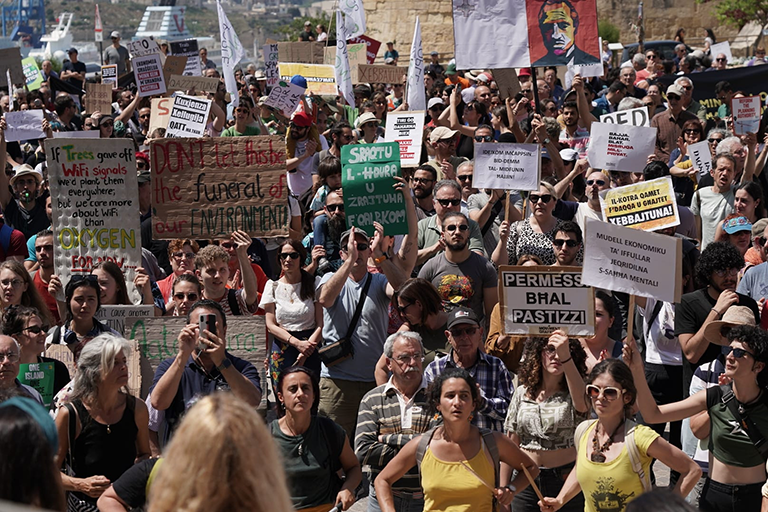
The statement also urged members of the public to prepare for “the fight ahead” and to sign up to receive updates from the coalition. Public mobilisation, the NGOs believe, is essential to demonstrate widespread opposition to the bills and to put pressure on lawmakers to reconsider their approach.
Over the past decade, civic engagement in Malta’s planning debates has increased significantly, with community groups and environmental activists regularly using petitions, protests, and legal challenges to influence development decisions.
A wider context of planning controversies
The current dispute over the planning bills comes against a backdrop of broader concerns about Malta’s planning system. Over the years, critics have accused the system of favouring large-scale development projects and lacking sufficient transparency.
In a number of prominent instances, planning approvals have been overturned only after protracted appeal processes, frequently following widespread public opposition. The NGOs argue that the proposed reforms could make such reversals more difficult in the future, effectively reducing accountability.
Government’s position and public response
While the government has yet to issue a detailed response to the NGOs’ latest statement, officials have previously defended the proposed reforms as necessary to streamline the planning appeals process and reduce bureaucratic delays.
However, the public response—judging by media commentary and social media discussions—has been largely sceptical, with many citizens echoing the NGOs’ concerns that the reforms could weaken democratic oversight and environmental protection.
Looking ahead
The debate over these planning bills is likely to intensify when parliament reconvenes after the summer recess. With the coalition of NGOs vowing to continue their campaign and public sentiment appearing to lean towards caution, the government may face significant political pressure to reconsider the legislation.
Whether the final outcome will involve complete withdrawal of the bills, substantial amendments, or their passage in their current form remains to be seen. For now, the environmental and civic groups are preparing for what could become one of the most significant planning and environmental policy debates in recent years.
Conclusion
The controversy surrounding the proposed planning bills has evolved into a broader debate over the balance between economic development, environmental stewardship, and democratic participation in Malta. While the government frames the reforms as a necessary streamlining of the planning appeals process, critics argue they represent a fundamental shift in favour of private development interests at the expense of public oversight.
With the legislation still on the parliamentary agenda, the coming months will be pivotal. The NGOs’ united front, combined with growing public concern, suggests that any attempt to push the bills through without substantial amendments could provoke significant civic resistance. Ultimately, the resolution of this issue will serve as a test of Malta’s commitment to transparent governance, meaningful public consultation, and the protection of its environmental and cultural heritage for future generations.
FAQs
What are the main concerns about the proposed planning bills?
The primary concerns are that the bills could weaken public rights to appeal planning decisions, diminish environmental safeguards, and give disproportionate power to developers.
Who is opposing the bills?
A coalition of ten environmental and civic NGOs, including BirdLife Malta, Din l-Art Ħelwa, and Moviment Graffitti, is leading the opposition.
Why do the NGOs call it a “developers’ coup”?
They believe the reforms would shift decision-making power towards developers at the expense of community rights and environmental protection.
Has the government withdrawn the bills?
No, the government has postponed debate until after the summer recess but has not withdrawn the proposals.
What change do the NGOs support?
They support the provision to suspend works during appeals but only if introduced without measures that weaken appellants’ rights.
Why is the timing of the bills controversial?
They were introduced just before the summer recess, a period when public and media attention tends to be lower.
What could the reforms mean for heritage sites?
Critics fear the reforms could lead to more rapid and less regulated development, risking irreversible damage to heritage sites.
How can the public get involved?
The NGOs are urging citizens to sign up for updates, participate in consultations, and be ready to mobilise if the bills proceed.
What is a White Paper in this context?
A White Paper is a government document intended to present proposals for public discussion before drafting legislation.
What happens next?
The debate will resume after the summer recess, and the outcome will depend on political negotiations, public pressure, and possible amendments.

Esther
I am a professional writer with 8 years of experience in this field and I can provide you with the best-written content you can find. Education B.A. - English, George Washington University, United States, Graduated 2011.