ODZ elderly home permit revoked amid controversy

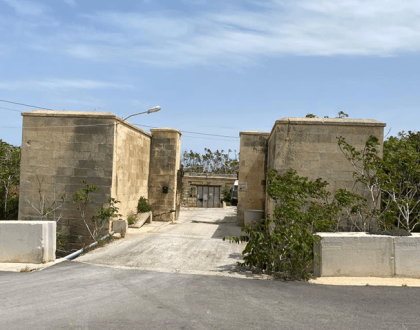
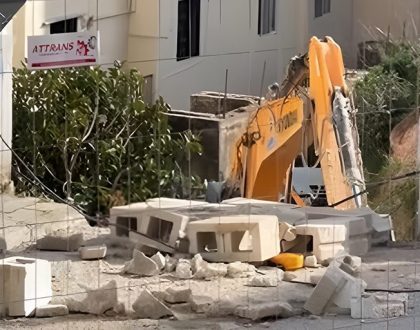
The Environment and Planning Review Tribunal has overturned a permit that was granted in December 2023 for the construction of a four-storey-old people’s home on an Outside Development Zone (ODZ) site in Naxxar. The proposed development, which would have repurposed a disused livestock farm into a 47-room facility, has been a point of contention due to its location in a protected countryside area between Naxxar and Għargħur, near the historic Tal-Laqx windmill and the Semaphore Tower.
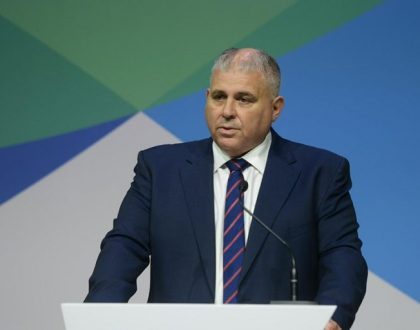
The project was spearheaded by Naxxar Labour councillor and minority leader Mario Brincat, who is also a shareholder and co-founder of CE Installations, a local construction company. Despite facing opposition from environmental groups and regulatory bodies, the proposal was initially approved by the Planning Authority. However, the tribunal’s decision has now sent the application back for reconsideration.
Objections from Environmental Authorities and NGOs
The initial approval of the development raised significant concerns among environmentalists and regulatory agencies. The Environment and Resources Authority (ERA) had strongly objected to the project, citing its unacceptable environmental impact and describing it as “visually intrusive.” ERA emphasized that such a development would alter the rural landscape and disrupt the ecological balance of the designated open space.





















Environmental NGO Din l-Art Ħelwa also opposed the project, arguing that the site is located within a strategic open gap, an area meant to preserve natural vistas and limit development to agricultural purposes. The organization, represented by lawyer Claire Bonello and architect Tara Cassar, lodged an appeal against the Planning Authority’s decision, which ultimately led to the revocation of the permit.
Tribunal’s Decision: A Second Chance for Revision
Although the tribunal has revoked the original permit, it has left a window open for the applicant to modify and resubmit the proposal. The Planning Authority has been instructed to reconsider the application from the stage preceding the case officer’s report, which determines whether a project is recommended for approval or rejection.
This means that Mario Brincat still has an opportunity to revise the project, potentially by downscaling the development to reduce its visual and environmental impact. This reconsideration phase allows for changes that could make the proposal more acceptable to regulatory bodies and environmental groups.
The Implications for Future ODZ Developments
The case highlights the ongoing conflict between development interests and environmental preservation in Malta. The protection of ODZ areas has been a contentious issue, with numerous instances of proposed developments clashing with environmental regulations. The Planning Authority has frequently faced criticism for approving projects in sensitive areas, often against the recommendations of environmental bodies.
Environmentalists argue that allowing such developments sets a dangerous precedent, eroding the integrity of ODZ protections. The decision to revoke the permit signals that environmental regulations must be upheld and that development in protected areas should be approached with caution.
Political and Public Reactions
The revocation of the permit has sparked a range of reactions from political figures, environmental groups, and the public. Some have praised the tribunal’s decision as a victory for environmental protection and the rule of law, while others see it as an unnecessary obstruction to development and economic progress.
Members of the Opposition have criticized the Planning Authority for initially approving the project despite clear objections from environmental experts. They argue that this case exemplifies the need for stricter enforcement of planning regulations and greater transparency in the decision-making process.
Conversely, proponents of the project contend that there is a pressing need for more elderly care facilities in Malta. They argue that the growing elderly population requires expanded infrastructure and that such developments provide essential services while creating jobs in the construction and healthcare sectors.
What Happens Next?
With the permit now revoked, Brincat must decide whether to submit a revised proposal that addresses the concerns raised by environmental authorities. If he opts to proceed, the revised application will be subject to fresh scrutiny, including a new case officer’s report and potential further objections from environmental groups.
In the broader context, this case could influence how future ODZ applications are handled. The tribunal’s decision underscores the importance of adhering to environmental regulations and may serve as a warning to developers seeking to push projects through despite environmental concerns.
Conclusion
The revocation of the permit for the old people’s home in Naxxar serves as a reminder of the delicate balance between development and environmental conservation. While Malta faces growing demands for infrastructure, the preservation of its natural and historical landscapes remains a critical issue. As this case unfolds, it will be closely watched by environmentalists, policymakers, and developers alike, setting a precedent for future land-use decisions in ODZ areas.
FAQS
Why was the permit for the old people’s home revoked?
The Environment and Planning Review Tribunal overturned the permit due to environmental concerns and objections from regulatory authorities.
What objections did the Environment and Resources Authority raise?
The ERA argued that the development was visually intrusive and environmentally unacceptable in a protected open gap area.
Can the project still proceed?
Yes, the developer has the opportunity to revise the proposal and resubmit it for consideration by the Planning Authority.
Who appealed the Planning Authority’s decision?
The appeal was filed by environmental NGO Din l-Art Ħelwa, represented by lawyer Claire Bonello and architect Tara Cassar.
Why is the site considered unsuitable for development?
The site is designated as a strategic open gap, meant to preserve natural landscapes and restrict development to agricultural use.
What does this decision mean for future ODZ projects?
It reinforces the importance of environmental regulations and may set a precedent for stricter enforcement of planning laws.
How did the public and politicians react to the decision?
Reactions were mixed, with environmentalists welcoming the decision and some developers and policymakers criticizing it as an obstacle to progress.
What role did the Planning Authority play in this case?
The PA initially approved the project despite objections but has now been ordered to reconsider the application.
What are the potential revisions that could make the project viable?
Downscaling the development, reducing its visual impact, and ensuring compliance with environmental regulations may improve its chances of approval.
What broader implications does this case have for Malta’s planning policies?
It highlights the ongoing struggle between development and environmental conservation and may influence future decisions on ODZ projects.

Ash
I like to keep it short. I am a writer who also knows how to rhyme his lines. I can write articles, edit them and also carve out some poetic lines from my mind. Education B.A. - English, Delhi University, India, Graduated 2017.