

















Alternative Payment Methods in Online Casinos
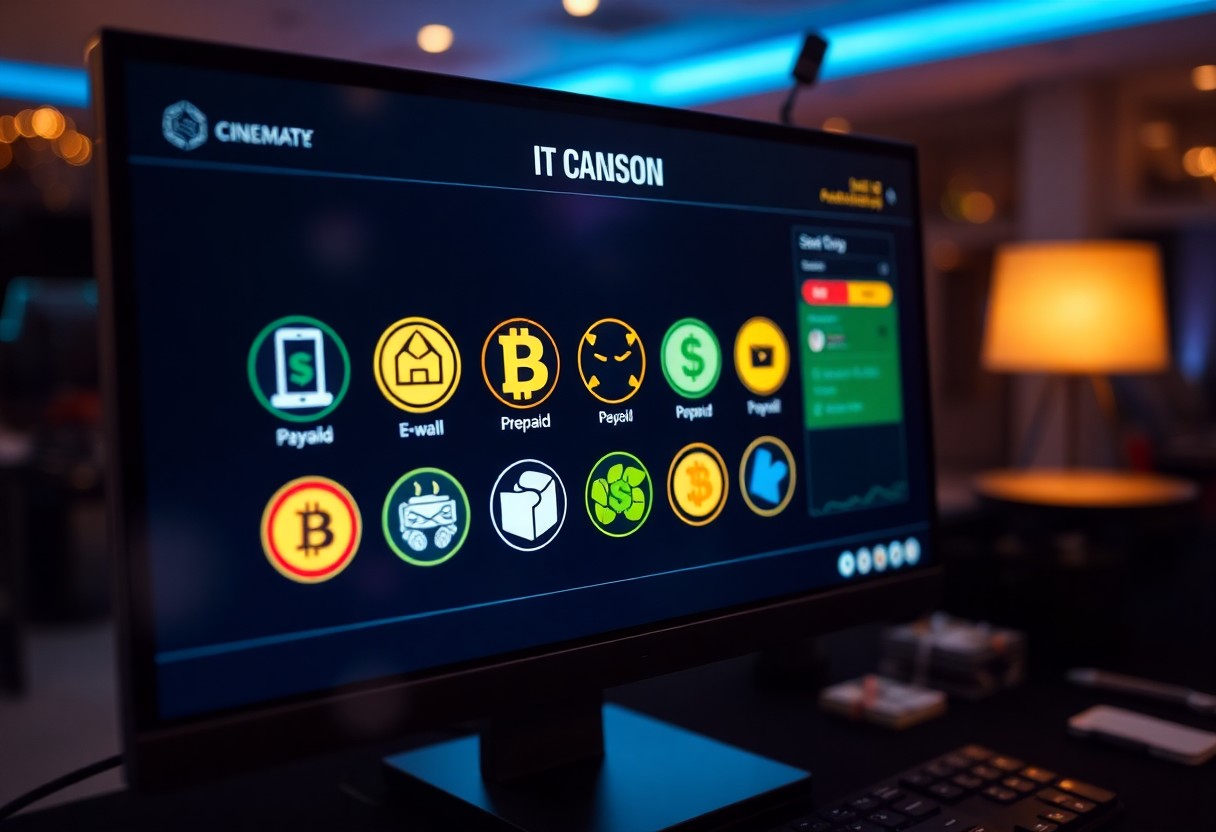
There's a growing trend among online casinos to adopt alternative payment methods as a strategy to evade regulatory scrutiny. By using cryptocurrencies, e-wallets, and prepaid cards, these platforms can enhance privacy for their players while minimizing oversight from banks and government entities. This post investigates into how these payment solutions are utilized, the rationale behind their adoption, and the implications for both players and regulators in the ever-evolving landscape of online gambling.
Traditional Payment Methods and Their Limitations
Your experience with traditional payment methods, such as bank transfers and credit cards, can often be hindered by various limitations. Bank transfers, while generally considered secure and reliable, can face restrictions based on the region or financial institution involved. Many banks impose strict guidelines on transactions related to online gambling, making it challenging for players to deposit or withdraw funds without incurring delays or additional verification processes. Furthermore, the transparency of bank transfers can draw unwanted attention from regulators and financial institutions, leading to potential scrutiny that online casinos would prefer to avoid.
Bank Transfer Restrictions
Traditional bank transfer systems present challenges when it comes to funding online gambling accounts. Many financial institutions have adopted policies that block or flag transactions that they categorize as related to gambling activities. This means that players may find their transactions canceled or delayed, hindering their access to gaming funds. Additionally, the lengthy processing times associated with bank transfers can deter players who want immediate access to their winnings or game credits, prompting them to seek more efficient options.








Credit Card Compliance Issues
The use of credit cards for online gambling transactions often introduces a range of compliance obstacles that can complicate the overall user experience. Their association with gambling can trigger various compliance checks and restrictions set forth by card networks and financial institutions. Many credit card providers have periodic reviews of their customers' transaction histories and may intervene if they detect patterns indicative of gambling activity. This can lead to declined transactions or temporary freezes on accounts, creating frustration for players who seek a seamless betting experience.
Payment disputes further complicate credit card transactions in the online casino landscape. Players might initiate chargebacks due to dissatisfaction with a service, prompting the card issuer to investigate. This process not only creates tension between the casino and payment processor but may also lead to increased scrutiny on the casino's operations. As a result, many online casinos opt to offer alternative payment methods that are less regulated and better suited to operational needs, allowing them to mitigate risks associated with traditional credit card usage.
Emergence of Alternative Payment Solutions
It is evident that the online gambling landscape has evolved significantly over recent years, particularly in response to regulatory pressures and heightened scrutiny from various authorities. As traditional banking methods are often viewed with skepticism when associated with online casinos, alternative payment solutions have emerged to provide a more discreet and efficient way for players to fund their accounts and withdraw winnings. These solutions not only enhance user convenience but also create a buffer between gambling transactions and conventional financial institutions, allowing online casinos to navigate regulatory challenges more effectively.
Cryptocurrency Integration
Above all, the introduction of cryptocurrencies like Bitcoin, Ethereum, and Litecoin has revolutionized the online gaming industry. By enabling players to make transactions without the need for traditional banking intermediaries, cryptocurrencies provide a layer of anonymity and security that is highly attractive to users. The decentralized nature of blockchain technology means that transactions can be processed quickly and at lower fees, allowing online casinos to manage their finances with greater efficiency. As a result, many platforms are now actively integrating cryptocurrency options, further solidifying their appeal to tech-savvy players seeking alternative ways to participate in online gambling.
E-Wallets and Digital Payment Systems
About e-wallets and digital payment systems, these methods have become increasingly popular within the online casino ecosystem. Services such as PayPal, Skrill, and Neteller offer users a seamless way to conduct transactions while minimizing the risk of exposure to traditional banking systems. By using e-wallets, players can deposit funds and cash out their winnings with a few clicks, all while bypassing some of the more rigorous identity checks often required by banks. This convenience and privacy have made e-wallets a favored choice among both players and online gambling platforms, allowing casinos to attract a broad user base.
Further benefits of e-wallets include instant transaction processing and the ability for players to maintain several accounts simultaneously. This flexibility enables users to manage their gaming budgets more effectively and allows casinos to build loyalty through tailored promotions for e-wallet users. Ultimately, the widespread acceptance and integration of e-wallets signify a shift towards more accommodating and player-friendly online gambling ecosystems, positioning them as imperative tools in circumventing traditional financial scrutiny.
Regulatory Challenges and Compliance
Now, online casinos operate in a highly regulated environment, which presents numerous challenges as they seek to navigate compliance while also appealing to a global audience. These challenges are heightened by the differing regulations that exist in various jurisdictions, making it crucial for online casinos to implement robust systems tailored to meet specific legal requirements. Constant changes in legislation can complicate their ability to remain compliant and can lead to potential penalties if they fail to keep pace with these adaptations.
Cross-Border Transaction Monitoring
For online casinos, cross-border transaction monitoring is a significant aspect of regulatory compliance. As they accept payments and facilitate transactions from players worldwide, they must adopt sophisticated monitoring systems to identify suspicious activities that may indicate money laundering or fraud. This entails tracking and analyzing transactions in real-time to ensure that they comply with the regulations of both the casino's operating jurisdiction and that of the player. Such vigilance is crucial to mitigate risks and maintain the casino's reputation in a competitive market.
KYC and AML Requirements
After establishing a robust transaction monitoring system, online casinos must also enforce stringent Know Your Customer (KYC) and Anti-Money Laundering (AML) policies. KYC protocols are designed to verify the identity of players to prevent identity theft and fraudulent activities, while AML measures help detect and report suspicious transactions. Online casinos typically collect personal information from players, including identification documents and financial records, to ensure compliance with these regulations.
Compliance with KYC and AML requirements not only safeguards the casino but also fosters a secure gaming environment for players. By implementing thorough verification processes, online casinos can effectively mitigate the risks associated with illicit activities. Moreover, maintaining compliance with these regulations enables them to build trust with players, ensuring long-term business viability and a sound reputation in the market.
Payment Method Diversification Strategies
After observing regulatory pressures and consumer preferences, online casinos have adopted multifaceted payment method diversification strategies to enhance user experience while simultaneously minimizing scrutiny. This approach allows casinos to offer a range of options tailored to different user demographics and geographical restrictions, thus creating a more flexible ecosystem for financial transactions. By incorporating various payment methods, online casinos can adapt to changing regulations and market conditions, ensuring continued operations in diverse jurisdictions.
Third-Party Payment Processors
An vital aspect of the payment diversification strategy involves the use of third-party payment processors. These entities act as intermediaries between the casino and the customer, allowing for a more streamlined transaction process that often includes added layers of security and anonymity. This not only provides a safe haven for players but also allows online casinos to minimize direct exposure to regulatory scrutiny related to financial transactions. By leveraging these services, casinos can process payments more efficiently while adhering to international compliance standards.
Prepaid Card Systems
After evaluating consumer trends, online casinos increasingly integrate prepaid card systems into their payment options. These cards provide an anonymous method of funding accounts without tying transactions directly to a user's bank account or credit profile. Players can purchase prepaid cards, load them with funds, and use them to transact online without leaving a trace, which is appealing to those seeking privacy. This method not only allows casinos to cater to those wary of traditional banking methods but also simplifies regulatory compliance since prepaid cards are often subject to different oversight than conventional payment methods.
Indeed, prepaid card systems have become a favored option for online casinos, primarily due to their adaptability and anonymity. They allow users to maintain a degree of financial discretion while facilitating seamless transactions, thereby meeting the demands of a diverse customer base. Online casinos benefit from partnering with established prepaid card providers, leveraging their infrastructure to enhance operational efficiency and reduce potential compliance challenges associated with direct financial transactions. This synergistic approach also helps casinos mitigate risks tied to chargebacks or fraud, reinforcing the stability of the overall gaming ecosystem.
Risk Management Techniques
Many online casinos implement various risk management techniques to maintain their operations under the radar of financial scrutiny. These strategies not only protect the financial health of the casino but also help in evading the stringent regulations that accompany traditional banking methods. Through careful assessment and analysis of their financial transactions, these establishments can effectively identify potential risks and mitigate them through targeted approaches. This focus on risk management allows online casinos to maintain a seamless flow of transactions while reducing the chances of being flagged for suspicious activities.
Transaction Routing Optimization
At the heart of many online casinos' risk management strategies lies transaction routing optimization. This involves directing transactions through a series of channels that obscure their origins and destinations. By doing so, casinos can create a complex network of payment paths that hinder regulatory bodies from tracing the flow of money easily. With advanced algorithms and software in place, these platforms can assess transaction risks in real time, ensuring that they manage financial exposure effectively. This technique not only enhances user privacy but also minimizes the chance of transaction delays or disruptions.
Multi-Layer Payment Processing
MultiLayer payment processing is another effective strategy employed by online casinos to navigate the complexities of financial regulations. This method involves using multiple payment processors to handle transactions, thereby distributing risk and making it more difficult for regulators to track large sums of money. By engaging with various payment channels, casinos can reduce dependency on any single provider and avoid potential red flags related to transaction volumes. This diversification allows for greater flexibility in handling player deposits and withdrawals while maintaining compliance with varying international regulations.
Hence, multi-layer payment processing not only enhances the efficiency of financial transactions but also fortifies the operational integrity of online casinos. By employing multiple layers of payment solutions, these establishments can efficiently manage potential risks while ensuring a smooth customer experience. Their ability to adapt to various payment trends and technologies further strengthens their position in the market, enabling them to stay resilient against regulatory challenges and accusations of financial misconduct.
Impact on Player Experience
Once again, alternative payment methods in online casinos significantly influence the overall player experience. By providing diverse options, these casinos ensure that players can engage in gaming activities without the hindrance of lengthy transaction processes and associated fees. This level of accessibility caters to a broad audience, enabling both seasoned gamblers and newcomers to enjoy their favorite games seamlessly. Moreover, the implementation of alternative payment methods not only expedites transactions but also offers flexibility, enhancing users' feelings of independence and control over their gambling practices.
Furthermore, the integration of innovative payment solutions often aligns with the growing demand for mobile and instant transactions in the digital age. Players expect rapid access to their winnings and deposits, and alternative payment platforms frequently fill this gap by allowing nearly instantaneous transactions. As players navigate through the online gaming landscape, the convenience brought by these methods defines their experiences, encouraging higher engagement levels and fostering long-term relationships with online casinos.
Payment Speed and Convenience
One of the most appealing aspects of alternative payment methods is their ability to facilitate transactions at remarkable speeds. Players can expect immediate deposits, with funds often available for gaming seconds after completing the transaction. This immediacy can transform the gaming experience, allowing players to capitalize on time-sensitive promotions or events without delay. Moreover, the retention of funds is simplified since players no longer have to wait for prolonged processing times commonly associated with traditional banking methods.
As a result, players often find themselves enjoying a more fluid gaming experience, where inconvenience becomes a rarity rather than the norm. The convenience of using popular e-wallets, cryptocurrencies, or other novel payment solutions bolsters users' dynamic engagement with the platform. Whether players are making quick deposits or requesting withdrawals, the streamlined nature of these methods enhances their overall satisfaction, encouraging them to return for future gaming sessions.
Security and Privacy Concerns
On the other hand, while alternative payment methods provide an enhanced user experience, they also pose certain security and privacy concerns. Many players are cautious about sharing their personal and financial information, especially in an environment like online casinos, where scams and data breaches can occur. As online gambling platforms adopt alternative payment solutions, it becomes imperative for these venues to ensure that the chosen methods not only facilitate convenience but also maintain a high level of security to protect user data and funds.
Also, players often seek assurance that their transactions are kept confidential and that their anonymity is preserved. Many alternative payment methods, such as cryptocurrencies, have gained popularity precisely because they offer enhanced anonymity. However, the lack of regulatory oversight associated with some of these payment methods can leave players vulnerable. Online casinos must therefore prioritize transparency around their chosen payment options, ensuring that players feel secure while maintaining the benefits of anonymity that alternative payment methods can provide.
Summing up
Now, online casinos are increasingly leveraging alternative payment methods such as cryptocurrencies, e-wallets, and prepaid cards to navigate around potential regulatory scrutiny. These payment methods offer greater anonymity and quicker transaction times, allowing casinos to cater to a customer base that values privacy and convenience. By using alternative payment solutions, operators can reduce their exposure to traditional banking regulations that may otherwise impose stringent compliance measures, thereby enabling them to maintain a seamless and user-friendly experience for their clientele.
Additionally, the adoption of these payment methods can create a more enticing environment for players who prefer non-traditional financial solutions. As online casinos seek to enhance their appeal in a competitive market, they often prioritize efficiency and security that these alternatives can provide. Ultimately, while these strategies may raise questions regarding transparency and accountability, they illustrate how online gambling platforms are evolving to meet the demands of modern players while seeking to sidestep the regulatory complexities typical of conventional payment systems.
FAQs
Why do online casinos use alternative payment methods?
Online casinos adopt alternative payment methods to enhance privacy, bypass banking restrictions, and reduce regulatory scrutiny.
What are the most common alternative payment methods in online casinos?
Cryptocurrencies, e-wallets like PayPal and Skrill, and prepaid cards are widely used for deposits and withdrawals.
How do cryptocurrencies benefit online gambling transactions?
Cryptocurrencies offer anonymity, fast transactions, lower fees, and bypass traditional banking restrictions.
Are e-wallets safer than credit cards for online gambling?
Yes, e-wallets provide an extra layer of security by keeping banking details private and offering faster transactions.
Can banks block online gambling transactions?
Yes, many banks have policies that flag or decline transactions related to online gambling.
What is KYC, and why do online casinos require it?
KYC (Know Your Customer) is a verification process to prevent fraud and comply with anti-money laundering regulations.
Are prepaid cards a good option for online gambling?
Yes, prepaid cards allow anonymous transactions and are not directly linked to bank accounts, reducing scrutiny.
How do online casinos use third-party payment processors?
Third-party processors help casinos process transactions discreetly, reducing exposure to direct banking regulations.
Are alternative payment methods legal in online casinos?
It depends on the jurisdiction; some countries regulate or restrict certain payment methods for gambling.
Do alternative payment methods affect withdrawal times?
Yes, they often speed up withdrawals compared to traditional bank transfers, which can take days.

Lela
I have over 10 years' experience proofreading and editing where spelling and grammar were paramount. This includes newspaper publication and designing advertisements. I personally write all my articles.This allows me to do in-depth research and provide premium content.
Related Posts
Vyking integrates Xtremepush CRM tools for global iGaming operators
September 23, 2026

Vyking builds its own sportsbook on FIRST.bet’s SportOS
September 21, 2026

Yaspa appoints Mandy Thompson as US marketing expansion gains momentum
September 14, 2026
ANJ sets stricter evidence guidance for online gambling fraud in France
September 2, 2026


SBC Summit fintech track highlights for 2026
July 10, 2026
Vegangster adds Citron crypto payments and analytics
July 6, 2026

Money Gong Empress launches exclusively at Genting
July 1, 2026
Paysafe joins Primer to expand global card processing
June 30, 2026