OSCE urges stronger protections for journalists

Journalism has long been considered a cornerstone of democracy, serving as a watchdog that holds governments and institutions accountable. However, in recent years, the global landscape for press freedom has deteriorated significantly. Increasingly, journalists face threats ranging from legal harassment to violent attacks and even assassination. Recognizing this growing crisis, the Organization for Security and Co-operation in Europe (OSCE) has called for immediate and reinforced measures to safeguard media professionals.
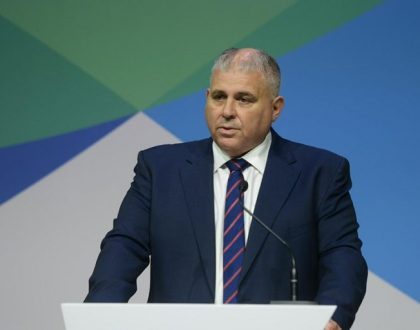
During the first Supplementary Human Dimension Meeting of 2025, the OSCE Representative on Freedom of the Media (RFoM), Jan Braathu, addressed the urgent need to strengthen protections for journalists. His speech underscored the vital role of independent media in safeguarding human rights, combating misinformation, and promoting accountability within governments and institutions.
The Essential Role of Journalism in Society
Journalists serve as frontline witnesses, documenting events that shape global politics, social justice, and human rights. Their reporting not only informs the public but also serves as evidence in exposing abuses of power and violations of international law. Despite their crucial role, media professionals worldwide continue to face censorship, intimidation, and violence, often with little recourse or protection.





















Braathu highlighted the dangers journalists encounter in the line of duty. He pointed out that many media workers pay a significant price for their commitment to truth and transparency, facing imprisonment, targeted attacks, and, in extreme cases, assassination. He emphasized that journalists must be protected under international law, ensuring they can operate freely without fear of persecution or violence.
The Growing Hostility Towards Media Professionals
In many parts of the world, press freedom has been systematically eroded through oppressive laws, state-controlled media narratives, and a culture of impunity for crimes committed against journalists. Governments and powerful institutions have increasingly adopted tactics such as arbitrary detention, surveillance, and legal restrictions to suppress dissenting voices and investigative reporting.
The proliferation of online harassment and digital threats has further compounded the dangers faced by journalists. Cyber-attacks, doxxing, and misinformation campaigns are frequently used to discredit and intimidate media professionals, making it more challenging for them to carry out their work safely. These digital threats not only impact journalists' physical security but also create a chilling effect on press freedom, discouraging reporters from tackling sensitive or controversial topics.
Legal and Institutional Frameworks to Support Press Freedom
In his address, Braathu reaffirmed the OSCE’s commitment to strengthening protections for journalists, emphasizing that attacks on media professionals are direct violations of international human rights laws. He stressed the need for immediate action to hold perpetrators accountable and to ensure legal frameworks effectively protect journalists from harassment, censorship, and violence.
He referenced key international agreements, including the Helsinki Final Act and the OSCE Ministerial Council Decision 3/18, which call on governments to foster an environment where journalists can work without fear. These agreements establish clear obligations for states to uphold press freedom and take concrete steps toward the safety and protection of media workers.
The Link Between Journalism and International Justice
Another critical aspect Braathu highlighted was the connection between journalistic work and international legal investigations. Journalists play a key role in documenting war crimes, corruption, and human rights abuses. However, their work should not be misinterpreted as legal prosecution.
While investigative journalism often contributes crucial evidence for international justice proceedings, it is essential to distinguish between the role of reporters and that of legal institutions. This distinction ensures that journalists can operate with independence and without fear of political or legal retaliation for their reporting.
Braathu also drew attention to a position paper issued by his predecessor, Teresa Ribeiro, which classified targeted attacks against journalists as potential war crimes. By acknowledging the severity of these attacks, the international community can push for stronger legal mechanisms to hold those responsible accountable.
The Decline of Journalist Safety Over the Past Decade
The past decade has seen a dramatic rise in violence against journalists. From conflict zones to democratic societies, media professionals are facing increasing levels of repression. In many countries, authoritarian governments have cracked down on independent media, branding journalists as enemies of the state or foreign agents.
At the same time, armed groups, criminal organizations, and corrupt officials have targeted investigative journalists who expose human rights violations, financial crimes, and illicit activities. The rise in authoritarianism and anti-media rhetoric has only fueled hostility toward the press, making journalism one of the most dangerous professions in the world today.
Strengthening Collaboration to Enhance Journalist Protections
To address these mounting challenges, Braathu called for a united effort between governments, media organizations, civil society, and international institutions. He stressed that strengthening journalist protections requires a multi-faceted approach that includes:
- Enacting and enforcing laws that protect journalists and ensure their rights are upheld
- Establishing emergency response mechanisms for journalists facing immediate threats
- Providing security training and resources to help journalists operate safely in hostile environments
- Encouraging media literacy programs to counter misinformation and enhance public understanding of press freedom
Additionally, Braathu highlighted the importance of using technology to improve journalist safety. Secure communication tools, encryption methods, and digital security training can significantly reduce risks associated with online surveillance, cyber threats, and digital harassment.
The OSCE’s Commitment to Media Freedom
The OSCE Representative on Freedom of the Media plays a vital role in monitoring and addressing threats to press freedom. The organization advocates for stronger legal protections, diplomatic engagement, and emergency assistance programs to support journalists operating in high-risk environments.
Braathu’s call to action serves as a reminder that journalist safety is not just a media issue; it is a fundamental human rights concern that impacts the health of democracies worldwide. Without a free and independent press, the ability to expose corruption, inform the public, and hold those in power accountable is severely compromised.
“The safety of journalists is the safety of our democratic values. We must move forward together to ensure that independent journalism continues to shine a light in the darkest of times.”
The Global Responsibility to Safeguard Journalists
As attacks against journalists continue to rise, it is imperative for the global community to recognize the vital role of a free press in upholding democratic principles. Governments must take decisive action to protect journalists, prosecute those responsible for crimes against media professionals, and ensure a legal environment that fosters press freedom.
International organizations, civil society, and the public must remain vigilant in advocating for journalist rights. Without urgent intervention, the suppression of independent journalism threatens not only the safety of media professionals but also the broader principles of transparency, accountability, and democracy.
Conclusion
The call for stronger protections for journalists, as highlighted by the OSCE Representative on Freedom of the Media, Jan Braathu, underscores the urgent need to safeguard press freedom in an increasingly hostile global environment. As threats against journalists escalate—from censorship and legal persecution to violence and assassination—it is imperative that governments, international organizations, and civil society take decisive action. Ensuring journalist safety is not merely about protecting individuals; it is about defending the fundamental principles of democracy, transparency, and human rights. Without a free and independent press, the ability to hold power to account and inform the public is severely compromised. The global community must stand in solidarity with journalists, reinforcing legal frameworks, promoting accountability, and fostering an environment where media professionals can work without fear. The protection of journalism is the protection of truth itself.
FAQs
What is the OSCE Representative on Freedom of the Media (RFoM)?
The OSCE RFoM is an independent institution within the Organization for Security and Co-operation in Europe, dedicated to monitoring media freedom and addressing threats against journalists.
Why did Jan Braathu call for stronger journalist protections?
Jan Braathu emphasized the rising threats journalists face, including harassment, imprisonment, and targeted attacks, calling for stronger legal protections and accountability.
How does the OSCE help protect journalists?
The OSCE advocates for press freedom through diplomatic engagement, policy recommendations, and monitoring violations of journalists' rights.
What legal frameworks support journalist safety?
Key frameworks include the Helsinki Final Act and OSCE Ministerial Council Decision 3/18, which urge states to protect journalists and ensure press freedom.
Why are journalists at risk in conflict zones?
Journalists in conflict zones face threats from both state and non-state actors while documenting human rights abuses and war crimes, making them prime targets for violence.
How can governments improve journalist protection?
Governments can enact stronger legal safeguards, provide security training, and ensure swift accountability for crimes against journalists.
What role does technology play in journalist safety?
Encryption tools, secure communication platforms, and cyber protection strategies are essential in safeguarding journalists from digital threats and surveillance.

Claire
A highly motivated, results-driven, enthusiastic and ambitious writer. I can offer you well researched and high-quality article writing on any topic for your website or blog and can as well re-write your existing web content.