Owen Bonnici and the fall of public accountability
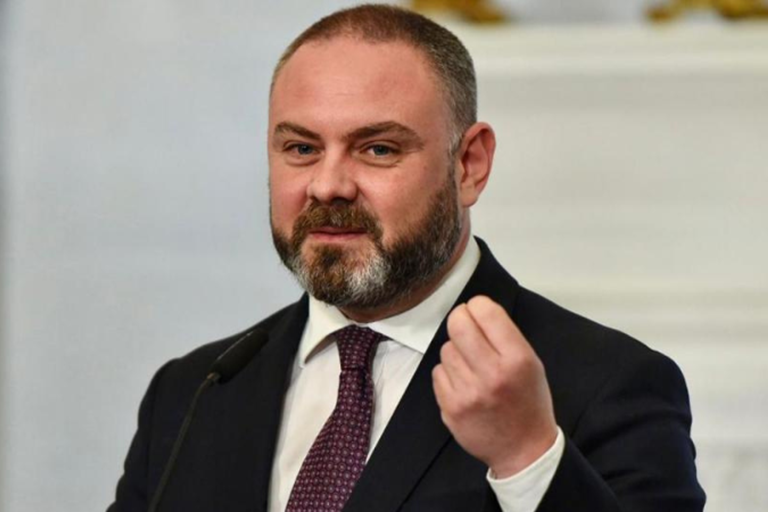
In a country where citizens long for leadership grounded in integrity, accountability, and courage, Owen Bonnici stands as a stark example of how failure can lead not to consequences but to promotions. A recurring figure in Maltese politics, Bonnici’s career is marked not by vision or achievement, but by a consistent ability to dodge responsibility and undermine the institutions that were designed to safeguard democracy.
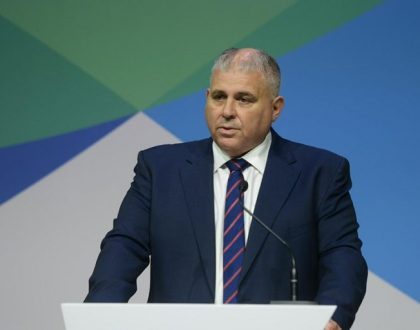
The latest chapter in this troubling trajectory was written in Malta’s parliament, where Bonnici launched a direct and unfounded attack on The Shift, a respected and independent investigative news outlet. His criticism, rooted in accusations of political bias and selective reporting, wasn’t just misplaced—it was a textbook example of how those in power attempt to discredit journalism when it becomes inconvenient.
Echoing power, not questioning it
Rather than articulating an original critique, Bonnici merely regurgitated talking points already made by Prime Minister Robert Abela. His speech was not the product of deep concern or substantive argument—it was a demonstration of political mimicry. He offered no evidence, no insight, and no personal conviction. He simply echoed his superior, contributing to a broader campaign of intimidation against critical journalism.





















This parroting of the Prime Minister’s defamatory comments is now at the heart of a lawsuit, as The Shift is suing Abela for making statements that were not only factually incorrect but intended to undermine and discredit the newsroom’s work. By repeating these words without question or variation, Bonnici revealed more about his loyalty to power than his commitment to truth.
Attacking journalism is not leadership
Bonnici’s outrage seemed rooted not in journalistic inaccuracies but in the very act of journalism itself. The idea that an independent media outlet would dare to question the government appeared to offend him. This, despite the fact that the role of a free press is precisely to hold power to account—especially in democratic societies.
To attack the media for investigating public officials is to attack democracy itself. Yet Bonnici, rather than defending this principle, chose to undermine it. This is not an isolated incident but part of a pattern of behavior that dates back years and illustrates a deeper erosion of democratic norms in Malta.
A documented history of suppressing dissent
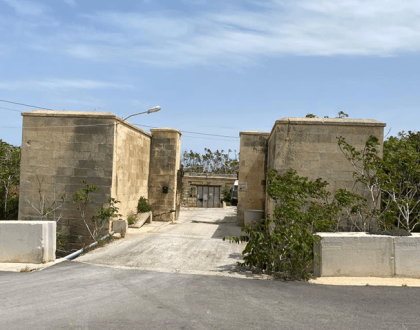
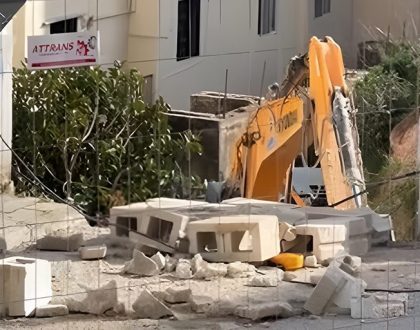
Bonnici’s disregard for civil liberties is well-documented. In 2020, Malta’s Constitutional Court found him guilty of violating the right to freedom of expression when, during his tenure as Minister for Justice, he repeatedly ordered the removal of a protest memorial dedicated to slain journalist Daphne Caruana Galizia.
The court ruled that Bonnici’s actions constituted a calculated and systematic attempt to suppress protest and public expression. In a democracy with functioning checks and balances, such a judgment would typically result in resignation or removal from office. But in Malta’s current political landscape, Bonnici was not only spared scrutiny—he was rewarded with new ministerial responsibilities.
A career built on suppression and compliance
Bonnici’s career reflects a troubling trend in Maltese governance: the reward of loyalty over merit. His history is marked by a willingness to serve political interests over public ones. Whether it’s dismantling public memorials, undermining the press, or parroting propaganda, Bonnici has consistently prioritized party lines over democratic principles.
Instead of defending Malta’s democratic institutions, he has been instrumental in weakening them. Instead of fostering cultural preservation, he has sanitized history and dissent. And instead of challenging corruption, he has aligned himself with those who perpetuate it.
Promoting failure, silencing dissent
Bonnici's continued rise through the ranks of government underscores a broader issue within Malta’s political system: the normalization of failure when accompanied by loyalty. His portfolio includes culture, public broadcasting, and national heritage—sectors that depend on openness, inclusion, and truth. Yet these are the very values he has undermined throughout his political career.
To place someone found guilty of violating human rights in charge of national heritage is a bitter irony. To allow him to oversee public broadcasting, given his hostility toward the independent press, is a strategic misstep that threatens the credibility of Malta’s information ecosystem.
Institutional erosion and the price of silence
The attacks on The Shift should not be seen as isolated slights against a single newsroom but as part of a larger, systematic effort to weaken democratic institutions and chill public discourse. When those in power begin labeling critical journalism as political opposition, they erode the boundary between public service and partisan loyalty.
In Malta’s case, the erosion has been slow but deliberate. The consequences are evident: diminishing public trust, a weakened judiciary, and a culture of fear among whistleblowers, journalists, and civil society actors.
The need for genuine accountability
Bonnici’s actions raise urgent questions about the standards of leadership in Malta. What message does it send when political figures face no consequences for violating constitutional rights? How can citizens have confidence in their leaders when the very individuals responsible for upholding the law are those found guilty of abusing it?
Leadership is not about unwavering obedience to party lines—it is about standing up for what is right, even when inconvenient. It’s about transparency, integrity, and service to the public. These are values conspicuously absent in Bonnici’s political playbook.
The media’s role in protecting democracy
Amidst this democratic backsliding, the role of independent journalism has never been more critical. Outlets like The Shift perform a vital service: exposing corruption, scrutinizing public spending, and giving voice to the voiceless. They are not enemies of the state; they are its watchdogs.
To target these institutions is to declare open season on public accountability. It is a tactic used by authoritarians, not by democratic leaders. Bonnici’s attacks on the media reveal not just his disdain for dissent, but a deeper insecurity about the role of power in a free society.
A country deserves better
Malta finds itself at a crossroads. The path it chooses will determine whether it continues to tolerate mediocrity and moral compromise or demands a new standard of public service. Leaders like Bonnici may be adept at surviving politically, but their legacy is one of erosion—not construction.
Malta deserves leaders who rise through service, not those who fail upward. It deserves ministers who defend the constitution, not those who violate it. And it deserves a free press that is respected—not silenced.
Conclusion
Owen Bonnici’s career encapsulates the troubling trajectory of a political system that rewards obedience over integrity, and image over substance. Rather than embodying the principles of public service, transparency, and accountability, Bonnici has repeatedly aligned himself with actions and rhetoric that undermine these very values. His attacks on independent journalism, his disregard for constitutional rulings, and his unwavering loyalty to political power over public interest paint a sobering picture of leadership in Malta.
In a country grappling with the erosion of democratic norms and a crisis of public trust, figures like Bonnici do not offer solutions—they represent the problem. His continued presence in high-ranking governmental roles is not a testament to his merit but to a system that confuses complicity with capability.
Malta deserves better. It deserves leaders who respect press freedom, who champion human rights, and who are brave enough to stand up for what is right—even when it’s inconvenient. Until such leaders emerge and are held to a higher standard, the democratic values that Maltese citizens hold dear will remain under threat.
Owen Bonnici may be a footnote in Malta’s political history, but his legacy serves as a stark warning: when those in power fear accountability more than corruption, the very foundation of democracy begins to crumble.
FAQs
Who is Owen Bonnici?
Owen Bonnici is a Maltese politician currently serving in ministerial roles related to culture, national heritage, and broadcasting. He has previously served as Minister for Justice and is known for his controversial actions that have raised questions about press freedom and civil rights.
What did Owen Bonnici say about The Shift?
In a recent parliamentary speech, Bonnici accused The Shift, an independent news outlet, of being politically biased and targeting the government, repeating comments previously made by Prime Minister Robert Abela.
Why is The Shift suing Prime Minister Abela?
The Shift is suing Prime Minister Robert Abela for defamation, arguing that his public comments about the newsroom were false and intended to discredit their investigative journalism.
Has Owen Bonnici been found guilty in court?
Yes, in 2020, Malta’s Constitutional Court found that Bonnici had violated citizens’ rights to freedom of expression by ordering the removal of a protest memorial dedicated to journalist Daphne Caruana Galizia.
What was the protest memorial about?
The memorial was created in honor of Daphne Caruana Galizia, a journalist assassinated in 2017. It symbolized public outcry and demand for justice in her case.
Did Bonnici face any consequences for the court ruling?
Despite the Constitutional Court ruling, Bonnici did not resign or face sanctions. Instead, he was reassigned and continued to hold ministerial posts.
Why is Bonnici’s speech in parliament controversial?
His speech is controversial because it lacked originality and echoed defamatory statements already under legal challenge, raising concerns about government-led attacks on the press.
How does this affect press freedom in Malta?
Such attacks contribute to a hostile environment for journalists and threaten press freedom, a cornerstone of any functioning democracy.
What role does the media play in Maltese democracy?
Independent media plays a crucial role in exposing wrongdoing, holding leaders accountable, and ensuring transparency in government.
What should be done to restore democratic integrity in Malta?
Restoring integrity requires holding public officials accountable, respecting court rulings, defending press freedom, and demanding higher standards of leadership.

Ash
I like to keep it short. I am a writer who also knows how to rhyme his lines. I can write articles, edit them and also carve out some poetic lines from my mind. Education B.A. - English, Delhi University, India, Graduated 2017.