Paceville building collapse raises questions on BCA actions

The collapse of a residential block in Paceville last June raised widespread alarm across Malta, not only because of the near-tragic circumstances but also due to the way the incident was handled by the Building and Construction Agency (BCA). While no lives were lost thanks to a timely evacuation, the choices made by the regulator in the aftermath of the collapse have prompted questions from industry observers, professionals, and sections of the public.
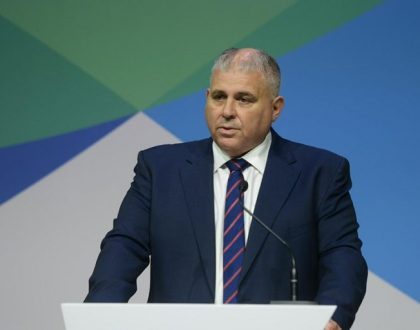
The regulator’s conduct, particularly decisions by its Chief Executive Officer, Roderick Bonnici, has sparked debate over transparency, accountability, and whether due process was followed when awarding urgent clearance and demolition works to a single private contractor. Although the agency acted swiftly, the lack of public clarity on procurement procedures, costs, and responsibilities has given rise to concerns about governance in Malta’s construction sector.
This article examines the collapse, the decisions taken by the BCA, the questions being asked of its leadership, and the broader implications for regulatory oversight in the building and construction industry.





















The Paceville collapse and its immediate impact
The incident involved the collapse of Tania Flats, a block of apartments in Paceville, while construction work was underway at an adjacent site. Eyewitness accounts described the building crumbling suddenly, “like a house of cards,” leaving residents scrambling for safety.
Thanks to the timely intervention of the building’s architect, residents were evacuated before the structure gave way, preventing what could have been a major tragedy. This precaution likely prevented a loss of life that could have been catastrophic.
Still, the collapse itself underscored long-standing concerns in Malta about construction practices, regulatory enforcement, and the safety of residents living near development sites.
BCA’s intervention and direct order to Faceworks
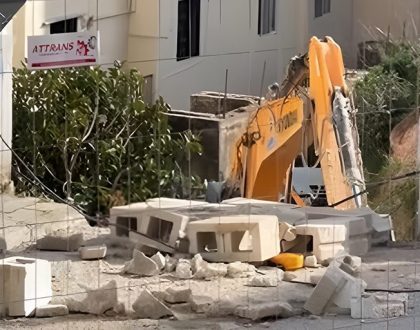
Following the collapse, the BCA immediately intervened, commissioning heavy machinery and staff to carry out clearance and controlled demolition works on the private property.
However, what has raised eyebrows is that the BCA, under the instruction of CEO Roderick Bonnici, did not appear to open the process to multiple contractors or seek competitive quotations. Instead, the work was given directly to Faceworks, a company that forms part of the Famalco Group.
Industry professionals question why such a direct order was placed without wider consultation or tendering, given that Malta has numerous firms capable of providing demolition and site clearance services. By bypassing other contractors, suspicions emerged regarding whether due diligence was fully observed.
When asked by The Shift whether he had sought competing offers before commissioning Faceworks, Bonnici reportedly declined to answer.
Questions on costs and financial responsibility
Another central issue remains unanswered: who is responsible for the costs of the demolition and clearance works?
Sources indicate that the operation, involving specialized machinery and urgent mobilization, could have run into hundreds of thousands of euros. Yet, the CEO has so far not disclosed the exact costs, nor clarified whether the BCA, the government, or the private developer should ultimately bear the financial burden.
This lack of transparency has been met with criticism, as it concerns a private site belonging to developer Joseph Portelli and his company Excel Investments. Observers argue that the responsibility for carrying out and financing clearance and demolition should rest with the property owner rather than a government agency funded by taxpayers.
Alleged pizza party and connections to Famalco
Adding to concerns, reports surfaced of a social event at the BCA’s Marsa headquarters shortly after the works were commissioned.
Sources speaking on condition of anonymity said that on 24 June, just days after the direct order to Faceworks, the CEO hosted a pizza gathering for agency staff in recognition of their work during the collapse’s aftermath. More than 50 pizzas were reportedly provided by Domino’s, another company owned by the same Famalco Group to which Faceworks belongs.
The coincidence has led to speculation, though no evidence has been presented that the food was provided in exchange for the contract. Still, the optics of the situation have been criticized, given that a company linked to Famalco had already been granted lucrative work on the Paceville site.
As one source put it: “This was very strange, as from so many places, the pizzas also came from Famalco. We don’t know who paid for them or whether these came as a thank-you gift for the lucrative direct order.”
The inquiry into the collapse
Parallel to these events, CEO Roderick Bonnici also appointed architect and lawyer Robert Musumeci to carry out an independent inquiry into the causes of the collapse.
Musumeci, who has been publicly supportive of the Labour Party, was tasked with leading the investigation to determine what led to the failure of the apartment block. His appointment was noted for its direct nature, bypassing the potential for a broader selection process or consideration of alternative experts.
The results of this inquiry have not yet been fully disclosed to the public. For now, the causes of the collapse remain under professional review, with questions surrounding structural integrity, construction practices, and regulatory oversight expected to be central to the findings.
Response of developer Joseph Portelli
Meanwhile, the developer involved, Joseph Portelli, along with his company Excel Investments, has strongly denied any responsibility for the incident.
In public statements, the developer insisted that all construction activity was carried out in full compliance with the rules tied to their development permit. According to Excel Investments, safety standards and regulatory obligations were followed, and therefore they should not be held accountable for the collapse of the adjacent building.
These denials highlight the difficulties in assigning responsibility in complex construction disputes, particularly when multiple contractors, architects, and regulatory agencies are involved.
A wider issue of governance in construction
The Paceville collapse is not the first incident to raise concerns about construction safety in Malta. In recent years, several structural failures and building collapses have drawn attention to gaps in oversight, enforcement, and accountability within the industry.
Critics argue that while regulatory bodies such as the BCA were established to enforce stricter standards and protect residents, their effectiveness has been hampered by questions of independence and governance.
The events following the Paceville collapse—direct commissioning without apparent tendering, lack of transparency about costs, and overlapping connections between contractors and regulators—have reinforced calls for greater scrutiny and reform.
Calls for transparency and accountability
Civil society groups, industry experts, and opposition politicians have urged the BCA to disclose detailed information about:
- The criteria used to appoint Faceworks for the demolition and clearance works
- The total cost of the intervention and who will bear the expense
- The reasons for government intervention in a private property case instead of leaving responsibility with the owner
- The selection process for the inquiry’s independent investigator
Greater openness, they argue, would strengthen public trust and provide assurances that decisions were taken in the public interest rather than in favor of particular companies or individuals.
Looking ahead
The Paceville incident serves as a stark reminder of the importance of transparent governance in the construction sector. While urgent action was undoubtedly needed to secure the site and protect public safety, the processes by which contractors are selected, and costs are allocated, must withstand scrutiny.
Malta’s rapid urban development continues to generate economic opportunities but also exposes communities to risks when construction practices are not matched by robust oversight. For regulators, the challenge lies in balancing swift intervention with transparent and accountable decision-making.
The coming months will reveal whether the BCA provides full disclosure on its actions, and whether reforms follow to address systemic concerns in Malta’s construction governance.
Conclusion
The collapse of the Paceville flats was a narrowly avoided tragedy that highlighted both the risks of Malta’s rapid urban development and the responsibilities of the authorities tasked with safeguarding public safety. While the swift action of the Building and Construction Agency ensured the site was secured without further incident, the decisions taken in the process have raised legitimate concerns over transparency, procurement, and accountability.
The unresolved questions surrounding the direct commissioning of Faceworks, the undisclosed costs of the intervention, and the optics of connections between the regulator and the chosen contractor underscore the need for clearer governance frameworks. At the same time, the denial of responsibility by the developer reflects the complex web of obligations in Malta’s construction sector, where multiple stakeholders often share overlapping duties.
Ultimately, public trust in regulators depends on both their effectiveness in responding to crises and their adherence to transparent, impartial, and accountable practices. The Paceville incident serves as a crucial reminder that urgent action must always be paired with proper oversight, not only to protect lives but also to strengthen confidence in Malta’s institutions as the nation continues to grow and develop.
FAQs
What caused the Paceville apartment collapse?
The exact cause remains under investigation, but the collapse occurred during adjacent construction works, raising questions about structural stability and site management.
Was anyone injured in the collapse?
No casualties were reported because tenants were evacuated beforehand. The evacuation was carried out on the advice of the building’s architect.
Who is responsible for clearing the collapsed site?
The BCA directly commissioned Faceworks, part of the Famalco Group, to conduct demolition and clearance works, though financial responsibility remains unclear.
Why was Faceworks chosen for the work?
The CEO of the BCA has not explained why Faceworks was chosen directly instead of opening the process to multiple contractors.
What are the concerns about the pizza party?
Sources reported that pizzas for a staff gathering were supplied by Domino’s, part of the same group as Faceworks, raising questions about optics and transparency.
How much did the demolition and clearance cost?
The full cost has not been disclosed, but estimates suggest the operation could amount to hundreds of thousands of euros.
Did developer Joseph Portelli admit responsibility?
No, Joseph Portelli and Excel Investments denied responsibility, stating they followed all rules tied to their development permit.
Who conducted the inquiry into the collapse?
The inquiry was entrusted to architect and lawyer Robert Musumeci, who was directly appointed by the BCA’s CEO.
Why is transparency important in this case?
Transparency ensures accountability in the use of public funds and helps maintain trust in regulatory agencies overseeing the construction industry.
What reforms are being suggested?
Calls have been made for stricter oversight, independent inquiries, and clear procurement processes to avoid conflicts of interest in future cases.

Anna Amstill
I am an avid Blogger and Writer with more than 6 years of experience with Content Writing. An Online Marketing expert specializing in Blog writing, Article writing, Website content, SEO specific Keyword content and much more. Education B.A. - business management, York University, Canada, Graduated 2016.