


Pierre Fenech loses MCC CEO role amid controversies
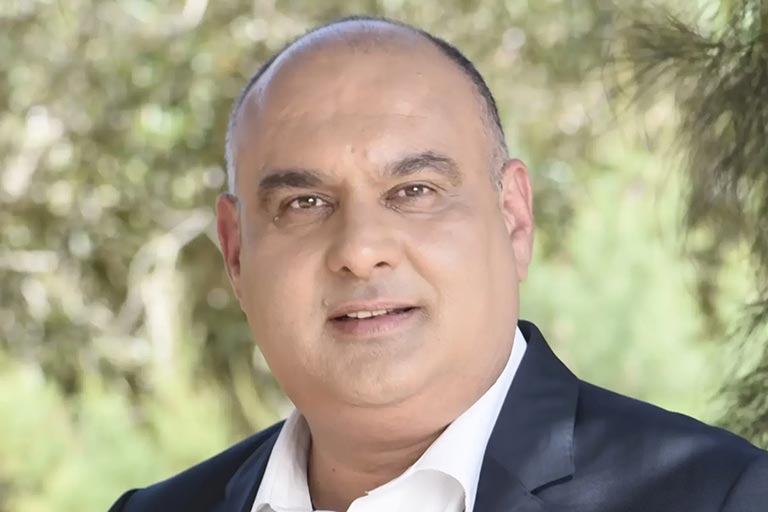
Pierre Fenech, a high-profile government official often referred to as the ‘Super CEO' due to his unprecedented dual leadership roles in two state entities, has been removed from his position as Chief Executive Officer of the Mediterranean Conference Centre (MCC). Sources from the Ministry for Tourism have confirmed that his contract at MCC was not renewed under the new administration.
Despite this removal, Fenech will retain his position as CEO of the Institute for Tourism Studies (ITS). The termination of his MCC contract results in a reduction of approximately €40,000 from his annual salary, which previously stood at a combined total of €122,000. His dual CEO status had been sanctioned under former Tourism Minister Clayton Bartolo. However, with the appointment of Minister Ian Borg to oversee the tourism portfolio, a decision was made to end his tenure at MCC, signaling potential reforms in the governance of public sector appointments.
Rapid Political Ascent and Government Connections
Originally employed as a beverage manager at Montekristo Estates, Fenech's entry into high-ranking government roles coincided with the Labour Party’s victory in the 2013 general election. His swift rise through the ranks of public administration has frequently been linked to his political affiliations, raising questions about the process through which government officials are appointed and retained.


While his defenders argue that his appointments were based on merit, critics suggest that his career trajectory exemplifies the extensive network of political patronage within Malta’s government structures. His tenure as CEO has been marred by multiple scandals, some of which have drawn national attention and prompted official investigations.
A Series of Ethical and Governance Controversies
Despite holding influential government positions, Fenech has been the subject of multiple ethical investigations and public scrutiny over allegations of misconduct and conflict of interest. Several instances have cast a shadow over his leadership, leading to growing calls for accountability.
Controversial Consultancy Contract with Rosianne Cutajar
In one of his most widely criticized decisions, Fenech awarded a consultancy contract to Labour MP Rosianne Cutajar in 2019. The contract, which was later described as dubious, prompted an inquiry by the Standards Commissioner. The findings indicated that Fenech had engaged in irregular practices, leading to public outcry over transparency and fairness in government appointments.
Despite the damning report, then-Prime Minister Robert Abela defended Fenech, stating that he had merely been following directives from former Tourism Minister Konrad Mizzi. This defense did little to quell concerns about the integrity of government contracts and the influence of political connections in decision-making processes.
Free Mediterranean Cruise Paid for by ITS and Viking Cruises
Another major controversy erupted when it was revealed that Fenech had taken a Mediterranean cruise at no personal expense, with the costs covered by ITS and Viking Cruises. The trip, which also included his wife, occurred while Fenech was actively negotiating a deal for ITS students and staff to train with Viking Cruises.
Adding to the controversy, Labour MP Ramona Attard and her partner, who was employed at ITS, also participated in the cruise. The revelation raised serious ethical questions, particularly regarding the acceptance of gifts and perks from organizations engaged in business discussions with a government entity.
Following an investigation, the Standards Commissioner acknowledged that the free cruise raised ethical concerns but ultimately cleared Fenech of wrongdoing, citing the fact that the expenses had been approved by Anthony Gatt, the permanent secretary at the Ministry for Tourism. Gatt has since been removed from his position, further highlighting the shifting political landscape within Malta’s public sector.
Direct Order Scandal Involving Minister’s Brother
Fenech also faced criticism for approving a direct order from ITS funds to architect Gilbert Bartolo in 2021. Bartolo, as it later emerged, is the brother of then-Tourism Minister Clayton Bartolo.
When confronted with the apparent conflict of interest, Fenech claimed ignorance, stating that he had been unaware of the familial relationship at the time the order was granted. While this defense may have shielded him from further repercussions, the situation once again highlighted the blurred lines between political connections and public sector management in Malta.
Ministerial Changes and Implications for Government Accountability
With Minister Ian Borg now overseeing the tourism sector, there is growing speculation that the government is taking steps to increase transparency and accountability in public office appointments. The decision to terminate Fenech’s MCC contract has been perceived as a potential move toward addressing public concerns over the misuse of state resources and political favoritism.
However, his retention as CEO of ITS raises questions about whether this change represents a genuine effort to reform governance practices or if it is merely a superficial adjustment to appease public opinion. Critics argue that as long as individuals with controversial track records continue to occupy high-level government positions, meaningful change will remain elusive.
Broader Implications for Malta’s Public Sector
The case of Pierre Fenech underscores a broader issue within Malta’s public sector—namely, the challenges associated with political appointments and ethical oversight. His ability to retain influential positions despite multiple scandals suggests that existing regulatory mechanisms may be inadequate in ensuring accountability and transparency in government operations.
His removal from MCC may mark a step toward reform, but whether it signals a true commitment to eradicating political patronage remains uncertain. The outcome of his continued tenure at ITS will likely serve as a critical test of the Maltese government’s willingness to implement lasting changes in the way public officials are selected and held accountable.
Public Reaction and Future Developments
Public reaction to Fenech’s removal from MCC has been mixed. While some view it as a long-overdue correction, others see it as an incomplete measure that fails to address the broader systemic issues at play. The continued presence of politically affiliated individuals in key government roles remains a contentious issue in Malta, particularly in the wake of recent scandals involving public sector mismanagement.
Going forward, the Maltese government will need to demonstrate a stronger commitment to transparency and merit-based appointments if it hopes to restore public trust. The handling of Pierre Fenech’s case will undoubtedly serve as an indicator of whether genuine reform is on the horizon or if political connections will continue to outweigh accountability in Malta’s public administration.
Conclusion
The removal of Pierre Fenech from his role as CEO of the Mediterranean Conference Centre highlights ongoing challenges in Malta’s public sector regarding transparency, political appointments, and ethical governance. While his dismissal from one position may appear to be a step towards reform, his continued tenure at the Institute for Tourism Studies raises questions about the government's commitment to true accountability. The Maltese public remains divided—some see this as progress, while others argue that deeper systemic issues persist. Whether this decision marks the beginning of genuine reform or simply a reshuffling of political figures remains to be seen. Moving forward, stronger oversight and merit-based appointments will be essential to restoring public trust in Malta’s institutions.
FAQs
Who is Pierre Fenech?
Pierre Fenech is a Maltese government official who held dual CEO roles at the Mediterranean Conference Centre (MCC) and the Institute for Tourism Studies (ITS).
Why was Pierre Fenech removed as MCC CEO?
His contract at MCC was not renewed under Minister Ian Borg, resulting in the loss of one of his two CEO positions.
What was Pierre Fenech’s salary before his MCC removal?
He earned a combined financial package of €122,000 per year from his roles at MCC and ITS.
What controversies has Pierre Fenech been involved in?
He has been linked to a phantom consultancy contract with Labour MP Rosianne Cutajar, a free cruise paid for by ITS and Viking Cruises, and awarding a direct order to his minister’s brother.
How is his removal from MCC significant?
It signals a potential shift in government policy towards greater accountability in public appointments.
What does his retention at ITS suggest about governance in Malta?
His continued employment despite past controversies raises questions about accountability and the effectiveness of Malta’s governance structures.

Anna Amstill
I am an avid Blogger and Writer with more than 6 years of experience with Content Writing. An Online Marketing expert specializing in Blog writing, Article writing, Website content, SEO specific Keyword content and much more. Education B.A. - business management, York University, Canada, Graduated 2016.


