PM Abela’s Call for Global Unity at the UN
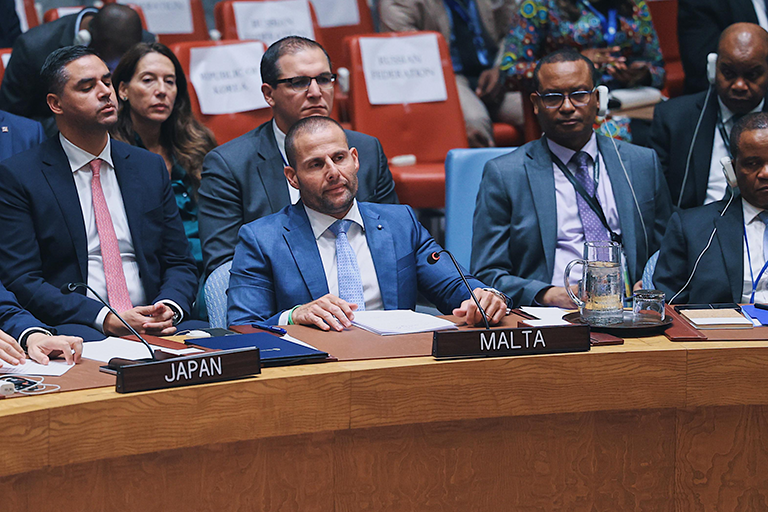
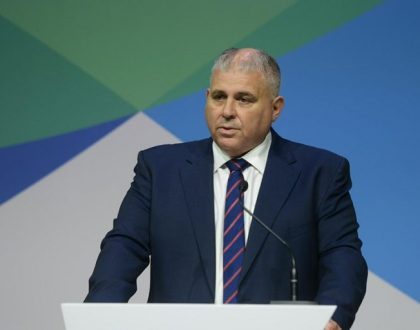
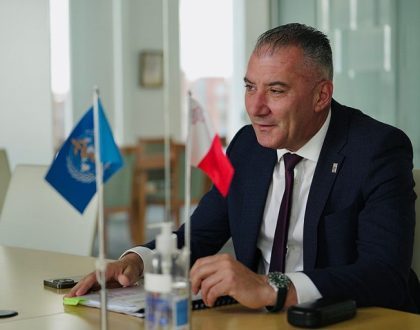
As Malta's term on the UN Security Council approaches its conclusion, Prime Minister Robert Abela delivered a significant address that underscored the critical importance of multilateralism and a unified commitment to humanity in addressing pressing global crises. His remarks during the UN Security Council meeting, held amidst the backdrop of the annual assembly in New York, resonated with the urgent need for collaborative international efforts to preserve peace and uphold shared values in an increasingly fragmented world.
The Essence of Multilateralism
Multilateralism serves as a cornerstone of international relations, promoting cooperation among nations to address global challenges collectively. In his speech, Abela reiterated that the principles enshrined in the UN Charter are more crucial than ever in navigating the complexities of today's geopolitical landscape. He emphasized that the international order, built on rules and mutual respect, is under threat, stating, “Without the renewal of the rules-based international order, our world is in serious trouble.”
This alarming assertion reflects a broader sentiment among world leaders who recognize the deteriorating state of global cooperation. The rise of unilateralism and nationalism in various regions has strained diplomatic relations and jeopardized collective security efforts. Abela's call for renewed commitment to multilateralism urges nations to transcend their differences and prioritize common goals, particularly in times of crisis.





















Acknowledging the Human Cost of Conflict
Central to Abela's address was a poignant reminder of the human impact of global conflicts. He urged world leaders to remember the individuals behind the grim statistics, advocating for a more compassionate approach to international relations. “Behind every grim statistic is a grim human reality,” he noted, referencing the ongoing crises in Gaza, Ukraine, and Afghanistan. His emphasis on the human cost of warfare serves as a powerful call to action for policymakers, compelling them to consider the consequences of their decisions on vulnerable populations.
Abela condemned the actions of leaders who exhibit “contempt for the principles upon which this United Nations was founded,” recognizing that such disregard exacerbates suffering and prolongs conflicts. By highlighting the plight of affected individuals, he aims to shift the narrative from abstract discussions of geopolitical strategy to a more humane perspective focused on empathy and understanding.
Advocating for Vulnerable Groups
In his address, Abela also drew attention to the struggles faced by vulnerable groups worldwide. He cited the dire circumstances of children in conflict zones such as Yemen and Syria, women enduring oppression in Afghanistan, and those advocating for democracy in Venezuela. By bringing these issues to the forefront, Abela emphasized the necessity of listening to the stories of those affected by violence and displacement.
These narratives not only humanize the impact of global conflicts but also serve as a catalyst for change. Abela urged leaders to ensure that the voices of marginalized communities are heard and considered in decision-making processes. “We must listen to their stories and ensure that their voices inspire action,” he asserted, reinforcing the idea that inclusivity is paramount in the pursuit of lasting peace.
Leadership Amidst Global Challenges
Abela stressed the crucial role of leadership in addressing the myriad challenges confronting the international community. He outlined key priorities, including securing humanitarian access to conflict zones and ensuring accountability for war crimes and crimes against humanity. In doing so, he reaffirmed Malta's commitment to upholding international law and promoting human rights as fundamental tenets of global governance.
The Prime Minister's insistence on accountability resonates with ongoing efforts to hold perpetrators of atrocities accountable. As the world grapples with complex crises, from climate change to armed conflicts, the need for effective leadership and decisive action becomes increasingly evident.
Malta's Commitment to Multilateralism
Reiterating Malta's dedication to multilateralism, Abela pledged that his nation would continue to support the United Nations despite its imperfections. He acknowledged the organization's limitations but highlighted the essential role it plays in fostering dialogue and cooperation among nations. “We must not forget that multilateralism is a process, not a destination,” he remarked, emphasizing that ongoing efforts are required to strengthen global partnerships.
Abela's assertion that every nation, regardless of size, has a role to play in maintaining international peace reflects Malta's unique position as a small island nation situated at the crossroads of three continents. This geographic advantage allows Malta to advocate for regional cooperation and collective efforts to address complex challenges.
The Role of Women in Peacebuilding
A significant aspect of Abela's address was his recognition of the central role women can play in conflict resolution and peacebuilding efforts. He stated, “Peace cannot be sustained without women’s full, equal, meaningful, and safe inclusion.” This assertion aligns with global efforts to enhance gender equality in peace processes, recognizing that women's perspectives and experiences are invaluable in creating sustainable solutions to conflicts.
By championing women's inclusion, Abela advocates for a more holistic approach to peacebuilding that prioritizes diverse voices and fosters collaborative dialogue. His emphasis on gender equity reinforces the notion that lasting peace is contingent upon the active participation of all segments of society.
Regional Cooperation and Collective Action
As Malta's term on the Security Council draws to a close, Abela highlighted the importance of regional cooperation in addressing shared challenges. He noted Malta's ongoing chairmanship of the Organization for Security and Co-operation in Europe (OSCE) and its commitment to the European Union as testament to the nation’s dedication to collaborative governance.
Abela's assertion that “together we can build bridges, overcome barriers, and address common challenges” encapsulates the essence of multilateralism. In an era marked by division and discord, his call for collective action serves as a reminder that unity is paramount in confronting global crises, including climate change, migration, and humanitarian emergencies.
Conclusion: A Call for Renewed Commitment
In conclusion, Prime Minister Robert Abela's address at the UN Security Council encapsulates the pressing need for renewed commitment to multilateralism and collective action in addressing global challenges. His poignant reminders of the human cost of conflict, the struggles of vulnerable groups, and the vital role of leadership serve as a clarion call for world leaders to prioritize empathy, inclusivity, and cooperation.
As Malta's term on the Security Council comes to an end, Abela's message resonates with the belief that every nation, regardless of size, has a pivotal role in fostering peace and stability. In an increasingly interconnected world, the path forward lies in unity, dialogue, and a shared commitment to humanity.
FAQs
What are the key themes of Prime Minister Abela's speech at the UN Security Council?
Abela's speech emphasized multilateralism, shared humanity, and the importance of addressing global crises collectively.
How did Abela address the erosion of the international order?
He expressed concern that without renewing the rules-based international order, the world faces significant challenges.
What is Malta's commitment to the United Nations according to Abela?
Abela pledged that Malta would continue to support the UN despite its imperfections, recognizing its role in fostering dialogue.
What role do women play in conflict resolution according to Abela?
Abela stated that women's full, equal, meaningful, and safe inclusion is essential for sustaining peace.
How did Abela highlight the human cost of conflict?
He urged leaders to remember the individuals affected by war and displacement, emphasizing the grim realities behind statistics.
What challenges did Abela mention regarding vulnerable groups?
He highlighted the struggles of children in conflict zones, women in oppressive regimes, and those fighting for democracy.
What is the significance of regional cooperation in Abela's address?
He advocated for collective efforts to address complex challenges, highlighting Malta's geographical position and ongoing regional initiatives.
How does Abela view the role of leadership in global challenges?
He stressed the importance of effective leadership in ensuring humanitarian access and accountability for war crimes.
What actions did Abela condemn in his speech?
He condemned the actions of leaders who disregard the principles of the UN, fueling conflicts and suffering.
What message did Abela convey about the responsibility of nations?
He emphasized that every nation, regardless of size, has a role to play in maintaining international peace and cooperation.

Lela
I have over 10 years' experience proofreading and editing where spelling and grammar were paramount. This includes newspaper publication and designing advertisements. I personally write all my articles.This allows me to do in-depth research and provide premium content.