PN begins leadership transition after Grech resigns

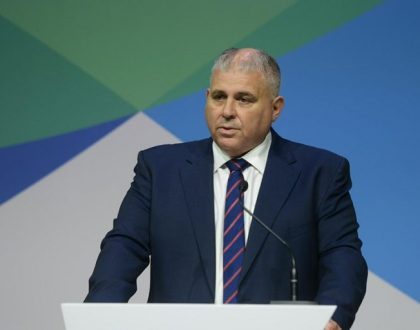
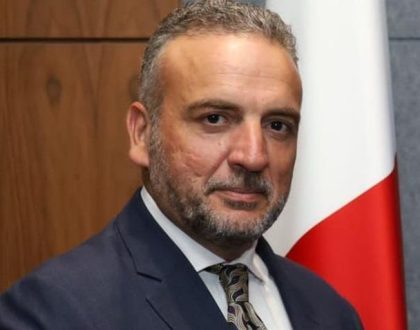
In a significant shift within Maltese opposition politics, Bernard Grech revealed his decision to step down as leader of the Nationalist Party (Partit Nazzjonalista – PN) during a live address broadcast at noon on Tuesday, marking a potentially transformative moment for the party's future direction. The announcement, made with an emotional yet composed tone, marks the end of Grech’s tenure at the helm of the PN—a period that spanned more than four years marked by internal restructuring, electoral reform efforts, and challenges in galvanizing widespread public support.
Grech, a former lawyer and political commentator, stated that he made the decision with a strong sense of duty, loyalty, and commitment to both the Nationalist Party and the citizens of Malta and Gozo. His declaration signals not only a personal withdrawal but also an institutional reset for a party that has struggled in recent electoral showings.
A leadership inherited during turmoil
Grech’s rise to leadership came during a time of internal turbulence for the Nationalist Party. His predecessor, Adrian Delia, had faced mounting pressure and dissent within party ranks, leading to an eventual leadership contest in which Grech emerged victorious. Grech’s tenure began with promises to rebuild unity and restore public trust—both within the party’s structures and among its voter base.





















“I inherited a party fraught with internal strife following bitter losses. I did everything in my power to unite the party,” Grech said during his resignation speech. This sentiment reflects the long-standing factional divides that have historically plagued the PN, often hindering its ability to present a cohesive alternative to the governing Labour Party.
Grech acknowledged that his time in office involved difficult decisions, particularly when navigating electoral defeats and criticism over the party’s perceived lack of vision or coherence. Nevertheless, he maintained that his leadership had succeeded in several key areas, including rejuvenating the parliamentary group and reconnecting with parts of the electorate that had grown disenchanted.
Steps taken to strengthen the party
Although national election results remained modest, Grech highlighted that during his leadership, the party succeeded in electing more local councillors and managed to grow its support base in certain constituencies. He emphasized that while the party still faced obstacles, foundational work had been laid for future progress.
The Nationalist Party, in an official statement, expressed appreciation for Bernard Grech’s leadership, acknowledging that his time at the helm brought about significant internal improvements, important local electoral gains, and a reinforced focus on engaging with the public.
“During his time, the PN witnessed renewal within the parliamentary group, notable electoral achievements, and a deepened commitment to the public,” the statement read. This acknowledgment underscores the party’s appreciation for Grech’s efforts, even as it begins the process of selecting a new leader.
Resignation timing linked to recent voter sentiment surveys
Though Grech framed his resignation as a selfless act aimed at renewing the party, sources within the party suggest the decision was influenced by recent opinion polls showing diminished public confidence in his leadership. The Nationalist Party has struggled to narrow the gap with the Labour Party in nationwide surveys, which continue to place the latter in a dominant position.
These indicators have reportedly led to internal discussions and mounting pressure for a leadership transition, with party insiders expressing the need for a fresh face capable of inspiring greater support ahead of the next general elections.
Roberta Metsola’s name resurfaces as possible successor
Among the most prominent figures being speculated as a potential successor is European Parliament President Roberta Metsola. A long-time member of the PN and one of the most internationally recognized Maltese politicians, Metsola has been seen by many within the party and the electorate as a potential unifying figure capable of reviving the PN’s electoral prospects.
Although Roberta Metsola has consistently chosen to stay in her prominent position in Brussels rather than re-enter Maltese politics, sources informed The Shift that the current circumstances could represent a pivotal juncture in her political journey. With Grech stepping down, the leadership vacuum creates both an opportunity and a test of Metsola’s willingness to re-engage with the party at the national level.
Whether she chooses to pursue the role remains uncertain, but her name has clearly become central to discussions on the PN’s future direction.
A transition period begins
Grech confirmed that he would remain in office as party leader until a formal successor is appointed. This transitional period is expected to involve internal consultations, possible candidate declarations, and the setting of a formal process for leadership elections.
“It is time to hand over to someone who could continue to take the party forward, whoever he or she is,” he said, reiterating his belief in the importance of continuity and renewal.
The next few weeks are expected to be pivotal for the PN. The party must decide whether to hold an open leadership contest or engage in a more streamlined process to ensure a swift transition. Whichever path is chosen, the new leader will inherit both challenges and opportunities—building upon Grech’s work while aiming to reinvigorate the party’s national appeal.
An emotional farewell from Grech
In what was clearly an emotional address, Grech thanked his supporters, party officials, and especially the electorate who had engaged with him during his tenure. He reflected on the highs and lows of his time as leader, recognizing both moments of celebration and instances where better decisions might have been made.
“I will remember every word, every handshake, and every genuine embrace,” Grech said, visibly moved by the memories of his interactions with constituents and colleagues alike.
“These were five years in which I experienced moments of joy, especially when we gave people hope, but there were also difficult moments when we realised we could have made better decisions,” he added.
He concluded on an optimistic note, saying, “The future is bright, as long as we continue to work together.” His words suggest a belief in the party’s potential, even as he steps back from its leadership.
Looking ahead: Rebuilding trust and charting a new path
The resignation of a political leader often serves as a moment for reflection—not just for the individual stepping down, but for the broader organization and its supporters. For the Nationalist Party, Grech’s departure represents an opportunity to reset its strategic priorities and reconnect with a broader cross-section of the Maltese public.
Whether through renewed messaging, stronger policy articulation, or the appointment of a dynamic new leader, the PN must now decide how best to position itself as a credible opposition force. With Labour maintaining a strong hold on the electorate, the PN faces the difficult task of distinguishing itself without fracturing internal unity.
In this context, the next steps taken by the party’s executive committee will be critical. Transparent procedures, democratic legitimacy, and effective communication will all play a role in whether the PN can effectively navigate this turning point.
As Bernard Grech prepares to exit the political spotlight, his departure may ultimately be seen as a strategic sacrifice—an attempt to clear the way for the party to evolve in line with modern expectations and renewed public demands.
Conclusion
Bernard Grech’s resignation as leader of the Nationalist Party marks a significant moment in Malta’s contemporary political history. His departure, delivered with dignity and a sense of responsibility, reflects not only the internal challenges the PN has faced but also the urgent need for strategic renewal. While Grech’s tenure was characterized by persistent efforts to unify a divided party and strengthen its grassroots engagement, it also highlighted the broader struggle of Malta’s opposition to regain public trust and electoral momentum.
As the PN enters a critical transitional phase, the focus now shifts to identifying leadership that can harness the foundations laid under Grech while offering a bold, forward-thinking vision for the future. Whether the next leader emerges from within the current political ranks or returns from international roles, such as Roberta Metsola, the path forward must be one of unity, strategic clarity, and genuine connection with the Maltese and Gozitan electorate.
Ultimately, Grech’s decision to step aside may prove to be a pivotal act of political maturity—one that prioritizes the party’s long-term viability over personal ambition. It opens the door for new leadership to energize the Nationalist Party and reposition it as a credible, effective force within Malta’s democratic framework. The coming weeks will be decisive in determining whether this moment of change becomes a turning point toward renewal or a continuation of the party’s complex search for relevance.
FAQs
Who is Bernard Grech?
Bernard Grech is a Maltese politician and former leader of the Nationalist Party. He is also a lawyer and commentator who took over party leadership in 2020.
Why did Bernard Grech resign as PN leader?
He cited a sense of duty and a desire to allow the party to begin a new chapter with fresh leadership following recent electoral results and internal evaluations.
What were Grech’s key achievements during his tenure?
Grech oversaw parliamentary renewal, increased local council representation, and led initiatives aimed at reconnecting with the party’s grassroots supporters.
Will Bernard Grech remain in politics?
He has announced that he will continue as PN leader until a successor is chosen. His future beyond that has not yet been publicly confirmed.
Who might succeed Bernard Grech?
European Parliament President Roberta Metsola is a popular choice among party members, although she has yet to confirm any intentions.
What happens next for the Nationalist Party?
The PN will initiate a leadership transition process, which may include internal elections or the appointment of a new leader based on party rules.
How has the public responded to Grech’s resignation?
Reactions are mixed, with some thanking him for his service and others seeing his resignation as necessary for party renewal.
What challenges does the PN face moving forward?
The party must rebuild public trust, unify internal factions, and offer a compelling alternative to the governing Labour Party.
Was Grech under pressure to resign?
While Grech presented his resignation as voluntary, party insiders and recent polls suggest growing internal pressure influenced the timing of his decision.
Could Roberta Metsola return to Maltese politics?
It remains unclear. While her popularity is high among PN supporters, she has so far remained committed to her role in Brussels.

Anna Amstill
I am an avid Blogger and Writer with more than 6 years of experience with Content Writing. An Online Marketing expert specializing in Blog writing, Article writing, Website content, SEO specific Keyword content and much more. Education B.A. - business management, York University, Canada, Graduated 2016.