PN Calls Out Budget 2025 for Lack of Vision

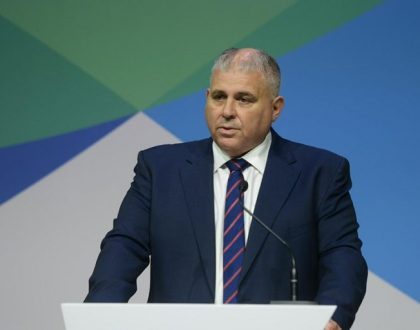
The presentation of Budget 2025 has sparked a flurry of reactions from various political figures and stakeholders in Malta. Jerome Caruana Cilia, the spokesperson for the Nationalist Party (PN), has described the budget as “yet another missed opportunity,” criticizing the government's failure to adequately address the pressing issues that affect the economy and the daily lives of citizens. In this article, we will explore the key concerns raised by Caruana Cilia, examine the broader implications of the budgetary proposals, and consider the road ahead for Malta's economic landscape.
Overview of Budget 2025
Budget 2025 was unveiled with a mixture of expectations and apprehension. While some positive measures were highlighted, including initiatives long advocated by the PN and other stakeholders, Caruana Cilia emphasized that these measures fall short of making a substantial impact. He pointed out that the budget lacks the ambition necessary to propel Malta toward a sustainable economic future. Instead, he suggested that the budget appears more focused on the immediate political survival of the Prime Minister rather than addressing long-term challenges.
Key Issues Ignored by the Budget
Rising Cost of Living
One of the most pressing issues facing Maltese citizens is the rising cost of living. Caruana Cilia noted that the budget fails to provide any concrete solutions to alleviate this burden. With inflation affecting essential goods and services, many families are struggling to make ends meet. The absence of targeted measures to address this issue is a glaring oversight that could have significant implications for social stability.





















Overpopulation and Infrastructure Strain
Unplanned overpopulation in Malta has led to a range of infrastructural challenges, including strained public services, inadequate housing, and congested roads. The government has been criticized for its inability to develop a coherent plan to manage population growth sustainably. Caruana Cilia pointed out that lengthy delays in hospitals, neglected infrastructure, and constant traffic congestion remain unresolved issues that require immediate attention.
Environmental Degradation
The environment is another area where Budget 2025 falls short. Caruana Cilia highlighted the escalating environmental degradation that Malta is experiencing, which poses a serious threat to the quality of life for its citizens. The government's failure to prioritize sustainable development initiatives reflects a lack of foresight and responsibility in addressing this critical issue.
Economic Surveys and Public Sentiment
Caruana Cilia referenced two recent business surveys that underscore the public's growing concerns about the economy. The EY Attractiveness Survey, which targets larger investors, and the SME Barometer for smaller firms, both indicate that businesses are dissatisfied with the current economic climate. Citizens have also expressed their views through recent polls, revealing a disconnect between government initiatives and public expectations.
Despite these clear signals, the budget merely promises more strategic plans in the future without offering concrete solutions for the existing problems. This approach has left many feeling disillusioned and skeptical about the government's commitment to addressing the issues at hand.
The Shift from Quantity to Quality
A key theme in the government's narrative surrounding Budget 2025 is the purported shift from quantity to quality. Caruana Cilia expressed skepticism regarding this claim, noting that for over a decade, the PN has warned against the unsustainable pursuit of growth through population inflation and low-cost labor. The government's sudden pivot towards prioritizing quality raises questions about its sincerity and the feasibility of such a transition.
The PN has long championed the mantra of “Quality over quantity,” emphasizing the need for a more balanced and sustainable approach to economic growth. Caruana Cilia argued that true commitment to this principle would involve a robust action plan, yet the current budget lacks any such evidence.
Historical Context: Vision Plans and Promises
In 2021, the government unveiled a Vision for 2031, followed by Energy Minister Miriam Dalli's Vision for 2050. Now, the public is being told to anticipate yet another Vision for 2050 next year. Caruana Cilia criticized this cycle of continuous vision statements, suggesting that the government should instead focus on evaluating the progress of previous plans and adjusting their milestones accordingly.
The public's skepticism regarding these visions is rooted in past experiences where ambitious promises, such as those related to medical tourism, the Blockchain Island initiative, and a new metro system, failed to materialize. Caruana Cilia questioned the government's ability to implement these grand ideas when it struggles with basic maintenance tasks, like maintaining a green wall.
Governance and Accountability
Caruana Cilia's critique of Budget 2025 also delved into the government's governance practices. He emphasized that the current administration, which has contributed to the problems facing Malta, cannot be expected to resolve them effectively. The PN has pledged to advocate for policies that genuinely enhance the quality of life for all citizens, drawing on its track record of successfully transforming the economy in previous years.
Tax Cuts: Temporary Relief or Long-term Solution?
One of the more contentious aspects of Budget 2025 is the government's “historic move” to implement tax cuts. While Caruana Cilia acknowledged that tax cuts can provide some immediate relief, he stressed that they are insufficient as a standalone solution. The PN has long called for more substantial tax reductions to alleviate the financial pressures on families amid prolonged inflationary periods.
Caruana Cilia raised important questions about productivity, suggesting that the current tax relief measures alone will not drive significant improvements. He pointed out that worsening traffic congestion, disruptive roadworks, frequent power outages, and an expanding bureaucracy continue to hinder productivity. Without addressing these underlying issues, the government may find itself repeating the same mistakes in future budgets.
Fiscal Responsibility: Debt and Deficit Concerns
The discussion around Malta's deficit and debt levels has been contentious. Caruana Cilia highlighted the alarming rate at which the national debt has escalated in recent years. He noted that Prime Minister Robert Abela's government has doubled the debt in absolute numbers within just four years, with plans to incur an additional €2 billion in the next two years. This rapid accumulation of debt raises significant concerns about fiscal responsibility and long-term economic sustainability.
Despite the government's claims of an improving deficit, Caruana Cilia reminded readers that Malta is set to remain under the EU's excessive debt procedure. He pointed out that while the government attempts to justify its debt through percentage metrics, a closer examination reveals troubling trends in wage distribution and household earnings. The average real growth in annual net earnings for all household types has remained below 1% for nearly a decade, a statistic that speaks volumes about the economic reality facing many families.
Conclusion: A Call for Genuine Change
In conclusion, Budget 2025 represents a pivotal moment for Malta, yet it has fallen short of addressing the fundamental challenges facing the nation. Jerome Caruana Cilia's critique underscores the need for a more ambitious and forward-thinking approach to economic policy. Without a clear vision that prioritizes long-term sustainability, Malta risks being trapped in a cycle of temporary fixes and missed opportunities.
As the nation looks ahead, the PN remains committed to advocating for policies that enhance the quality of life for all citizens. The call for genuine change resonates strongly in light of the current economic landscape, and it is imperative for the government to step up and fulfill its responsibilities to the Maltese people.
FAQs
What are the main criticisms of Malta's Budget 2025?
The main criticisms include a lack of ambition to tackle pressing issues such as the rising cost of living, unplanned overpopulation, and environmental degradation.
How does the PN view the government's claim of shifting from quantity to quality?
The PN is skeptical of this claim, arguing that the government has prioritized population growth and low-cost labor over sustainable, high-quality economic development for over a decade.
What has the PN suggested regarding tax cuts in the budget?
While the PN acknowledges the tax cuts as a positive measure, they argue that more substantial cuts are needed to alleviate the financial burdens on families amid ongoing inflation.
What historical visions has the government presented?
The government has presented a Vision for 2031 and a Vision for 2050, but the PN criticizes the lack of progress on these previous plans.
Why is public skepticism about government initiatives growing?
Public skepticism is rooted in past unfulfilled promises, including initiatives like medical tourism and a new metro system that have not come to fruition.
What are the main issues related to Malta's infrastructure?
Key infrastructure issues include traffic congestion, inadequate public services, and neglected road maintenance, which are exacerbated by unplanned population growth.
How does Malta's national debt situation affect its economy?
The rapid increase in national debt raises concerns about fiscal responsibility and the sustainability of Malta's economic policies, impacting future economic stability.
What impact does the rising cost of living have on citizens?
The rising cost of living puts significant financial pressure on families, making it difficult for them to afford essential goods and services.
What is the PN's stance on governance and accountability?
The PN believes that the government that created the current problems cannot be trusted to solve them, advocating instead for policies that genuinely enhance citizens' quality of life.
How does Budget 2025 address environmental issues?
Critics, including Caruana Cilia, argue that Budget 2025 fails to adequately prioritize sustainable development and environmental protection, which are crucial for the future of Malta.

Claire
A highly motivated, results-driven, enthusiastic and ambitious writer. I can offer you well researched and high-quality article writing on any topic for your website or blog and can as well re-write your existing web content.