Police disciplinary accountability questioned after legal errors

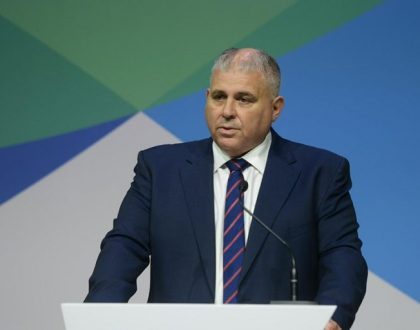
Police Commissioner Angelo Gafà has declined to confirm whether disciplinary proceedings have been launched against senior police officials involved in a recent prosecutorial mishap. The mistake led to the acquittal of lawyer William Cuschieri, who had been facing serious criminal charges. This incident has intensified public scrutiny over recurring procedural failings within the Malta Police Force and raised concerns regarding internal accountability and transparency.
High-profile case dismissed due to prosecutorial error
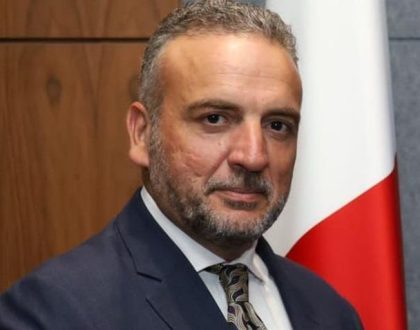
The case in question involved 42-year-old lawyer William Cuschieri, a legal figure who previously gained prominence for representing the Degiorgio brothers, convicted in connection with the assassination of investigative journalist Daphne Caruana Galizia. Cuschieri had been charged in relation to alleged threats against his former partner and her legal representative, accusations that included the misuse of electronic equipment to communicate threats.
However, the proceedings came to an abrupt end when Magistrate Monica Vella ruled that the charge sheet submitted by the police contained significant errors—specifically, an incorrect name and the wrong locality of the alleged incident. These discrepancies rendered the charge sheet legally defective, leaving the court with no option but to dismiss the charges and acquit the accused.





















Lack of transparency on internal action
Despite the gravity of the procedural blunder and its impact on the outcome of the trial, Police Commissioner Angelo Gafà has remained silent on whether the officers responsible are being held accountable. Attempts by local media to obtain clarification on any disciplinary actions have been met with no substantive response.
Legal professionals who spoke to The Shift have expressed concern over what they describe as a “pattern of careless errors” in cases involving individuals with perceived social or political connections. These professionals argue that the repetition of such mistakes suggests more than simple negligence—it may point to systemic issues in the enforcement of prosecutorial standards, or worse, a culture of impunity.
A broader pattern of prosecution failures
This case is not an isolated one. The courts in Malta have witnessed several high-profile prosecution failures over recent months, raising wider questions about the professionalism and training of police prosecutors.
In January 2025, Alvin Privitera was acquitted of drug trafficking charges after the Court found that a key piece of evidence—his police statement—had been obtained in the absence of legal counsel. The court held that this violated the accused’s right to legal representation and due process, rendering the evidence inadmissible.
In June 2025, another prosecution misstep resulted in the acquittal of Jason Caruana, who had originally been sentenced to 12 months' imprisonment for breaching bail conditions. In that case, the prosecution submitted an incorrect bail decree after closing arguments had already been made, making it procedurally impermissible for the court to consider. As a result, the conviction was overturned and the bail bond forfeiture was nullified.
Also in June, in a Gozo courtroom, two related cases collapsed when the prosecution failed to summon a key witness—the alleged victim in an attempted burglary. Without this testimony, the judge had no choice but to acquit the defendants in both trials.
Calls for accountability and reform
The growing number of prosecutorial failures has prompted increased public discourse on the need for accountability mechanisms within the Malta Police Force. Legal experts, civil society organizations, and political observers are now calling for the establishment of an independent oversight body to review prosecutorial conduct and ensure that standards are upheld.
Several lawyers have voiced concern that internal disciplinary mechanisms are either ineffective or not applied consistently. One legal source commented anonymously, saying:
“When procedural errors are made in ordinary cases, disciplinary consequences are swift. However, when mistakes occur in high-profile matters involving people with influence, there is often silence or deliberate delay.”
There is also growing support for structural reforms within the police prosecution unit, including enhanced legal training for officers responsible for charge sheets and evidence handling, and stricter internal review procedures before charges are filed in court.
Past controversies involving William Cuschieri
The recent acquittal is not the first time William Cuschieri has found himself entangled in legal controversy. In 2020, he made headlines after filing a request with the courts to prevent his then-partner—who was 15 weeks pregnant—from leaving the country. He alleged that she intended to travel abroad to undergo an abortion, a procedure that remains illegal in Malta under all circumstances.
Justice Anna Felice, presiding over the case at the time, rejected the request on the basis that Cuschieri failed to provide sufficient evidence to support his claims. While reaffirming Malta’s strict anti-abortion laws, the court emphasized that restrictions on freedom of movement could not be imposed without substantiating the threat or risk.
In the same judgment, the Court noted that the allegations of domestic abuse made by Cuschieri’s former partner were serious and warranted investigation by the appropriate authorities. The case contributed to a wider debate on the balance between individual freedoms and legal protections in domestic relationships.
Institutional silence fuels public distrust
The silence of Commissioner Gafà in the wake of these incidents risks undermining public confidence in the impartiality and competence of the Malta Police Force. In a democratic society, law enforcement agencies are expected to demonstrate a commitment to the rule of law not only in public prosecutions but also in their internal conduct.
Without clear action or transparent communication, the public may be left to draw its own conclusions about whether all citizens are equal before the law or whether influence continues to shield some individuals from full accountability.
Pressure mounting on Malta's justice system
Malta’s judiciary and law enforcement institutions have long faced criticism, both domestically and from international observers, regarding issues of impunity and systemic dysfunction. The acquittal of Cuschieri, caused by what appear to be preventable errors, adds to a growing body of evidence suggesting the need for institutional reform.
Legal advocacy groups are urging the government to initiate a comprehensive audit of police prosecutorial practices. This could include the creation of an ombudsman or special inspector to investigate and report on misconduct within the force.
At the parliamentary level, opposition members have begun raising questions about the effectiveness of the Ministry for Home Affairs in overseeing police performance. Some have called for an urgent debate on how to modernize and depoliticize the justice system.
Conclusion
The recent acquittal of William Cuschieri should serve as a wake-up call for Malta’s justice sector. When procedural flaws repeatedly derail the course of justice, public trust erodes, and victims are left without recourse. The silence from leadership only exacerbates these challenges.
Moving forward, what is needed is not just reactive punishment of individual errors but a proactive overhaul of internal procedures and accountability mechanisms. Whether the current administration and police leadership are prepared to undertake such reforms remains to be seen.
FAQs
What led to the acquittal of lawyer William Cuschieri?
Cuschieri was acquitted due to procedural errors in the charge sheet submitted by the police, including incorrect personal details and locality of the alleged incident.
Did the police commissioner respond to the case?
No, Police Commissioner Angelo Gafà has declined to confirm whether disciplinary actions have been taken against officers responsible for the error.
Has Cuschieri faced legal issues before?
Yes, in 2020 he attempted to impose a travel ban on his pregnant partner, claiming she intended to obtain an abortion abroad. The court denied his request.
Is this an isolated incident involving prosecutorial errors?
No, similar errors have led to several acquittals in recent months, raising concerns about systemic problems within Malta's prosecution system.
What are legal professionals saying about these issues?
Many lawyers believe the repeated mistakes point to negligence or a culture of impunity, especially in cases involving individuals with political or social influence.
What reforms are being suggested?
Legal experts are calling for independent oversight of police prosecutors, improved legal training, and stricter internal checks before prosecution.
What role does the court play in these dismissals?
Courts are required to uphold legal standards and due process, which means cases with flawed evidence or improper procedure must be dismissed.
Has the government responded to the growing concerns?
There has been limited official response, though some opposition politicians have begun calling for debate and reform of the justice system.
Are domestic violence claims being taken seriously?
Courts have directed authorities to investigate such claims, but there are concerns that delays and procedural failures may undermine justice for victims.
What impact does this have on public trust?
Repeated errors and a lack of accountability may erode confidence in law enforcement and the judiciary, particularly if high-profile individuals appear immune from consequence.

Anna Amstill
I am an avid Blogger and Writer with more than 6 years of experience with Content Writing. An Online Marketing expert specializing in Blog writing, Article writing, Website content, SEO specific Keyword content and much more. Education B.A. - business management, York University, Canada, Graduated 2016.