Prime Minister urges release of 17 Black inquiry report
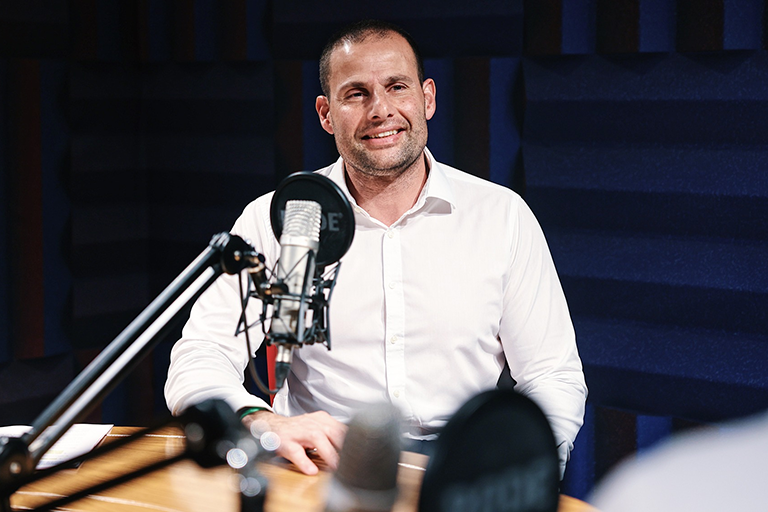
Prime Minister Robert Abela has voiced his strong support for the immediate release of the 17 Black magisterial inquiry report. During an appearance on ONE TV’s Paperscan, Abela emphasized the importance of transparency in public matters, stating, “If you were to ask me, although I don’t have the whole picture with the facts, I hope it gets published today before tomorrow.” This direct call for action reflects the growing public demand for clarity on one of Malta's most controversial financial investigations.
The inquiry, conducted by Magistrate Charmaine Galea, was finalized and submitted to the Attorney General with recommendations for criminal charges against key figures, including former government officials Keith Schembri and Konrad Mizzi, as well as various companies. The Nationalist Party (PN) has joined in urging for the report to be made public without delay.
The Origins of the 17 Black Scandal
The 17 Black case first came to light in 2018 when investigative journalists uncovered suspicious financial transactions involving the company. Reports revealed that €1.3 million had been funneled into 17 Black from Azerbaijan, with links to a company associated with the LNG tanker stationed at Delimara. This tanker serves as a floating storage unit for Malta’s energy infrastructure.





















The revelations sparked widespread outrage and calls for accountability, leading to the launch of a magisterial inquiry. The investigation was initially requested by former PN leader Simon Busuttil and PN MEP David Casa, both of whom have been vocal critics of corruption and lack of transparency in Malta’s political sphere.
Prime Minister’s Response to Opposition Allegations
Abela has strongly criticized the Nationalist Party’s handling of the issue, accusing the Opposition of exploiting the inquiry for political gain. He dismissed claims that members of the Labour Party were involved, labeling these allegations as baseless. “Another lie by the PN,” Abela said, reflecting his frustration with what he perceives as the Opposition’s negative tactics.
The Prime Minister also accused the PN of perpetuating negativity, particularly during the holiday season. He cited what he called unjustified attacks on ministers and their families in connection with magisterial inquiries initiated by former MP Jason Azzopardi. Abela argued that these actions represent a misuse of legal processes and called for reforms to ensure inquiries focus on uncovering the truth without unfairly targeting individuals.
Advocating for Reforms in Inquiries
Abela used the opportunity to advocate for changes in the way magisterial inquiries are conducted. He proposed the implementation of a more balanced system that protects the integrity of investigations while safeguarding innocent individuals from unnecessary scrutiny. “This is abuse of magisterial inquiries,” he stated, pointing to what he sees as a pattern of politically motivated actions aimed at discrediting public figures.
Such reforms, according to Abela, would help restore trust in the judicial process and prevent its misuse for partisan objectives. His comments underline a broader commitment to improving governance and ensuring accountability without compromising fairness.
Economic Growth Amid Challenges
Shifting focus to Malta’s economic outlook, Abela highlighted the country’s resilience in the face of global challenges. He noted that experts from the European Commission anticipate Malta will achieve one of the highest economic growth rates in the European Union. This projection is a testament to the government’s efforts to sustain economic stability and foster growth.
Abela expressed confidence that this growth would translate into tangible benefits for citizens, including substantial increases in pensions and improved wealth distribution. “Our country is economically strong,” he remarked, emphasizing the importance of ensuring that economic success benefits all sectors of society.
Labour Migration Policy: A Focus on Fairness
As part of the government’s broader agenda, Abela announced the upcoming Labour Migration Policy, which will soon be open for public consultation. This policy aims to strike a balance between fostering ethical business practices and preventing the exploitation of foreign workers.
“No one will be allowed to abuse this,” Abela declared, reaffirming the government’s commitment to fairness and justice. The policy is designed to address labor market challenges while ensuring that all workers are treated with dignity and respect.
A Tribute to Michael Falzon
During the interview, Abela also took a moment to honor the memory of Michael Falzon, a former Nationalist Party minister and architect who recently passed away. The Prime Minister reflected on their recent conversations about Malta’s future and expressed his condolences to Falzon’s family.
Falzon’s contributions to Malta’s political and architectural landscape were significant, and his passing marks the loss of a respected figure in Maltese society.
Constructive Governance and National Unity
Abela contrasted the Labour Party’s focus on constructive governance with what he described as the PN’s negative approach. He reiterated the government’s dedication to fostering national unity and implementing policies that benefit all citizens.
By prioritizing initiatives that strengthen the economy and promote social justice, the Labour Party aims to build a more inclusive and prosperous Malta. Abela’s vision for the country includes not only economic growth but also meaningful reforms that enhance transparency and accountability.
Looking Ahead
The Prime Minister’s comments reflect a broader commitment to addressing Malta’s challenges while building on its strengths. From advocating for the immediate publication of the 17 Black inquiry to proposing reforms in magisterial investigations, Abela has outlined a clear path forward.
At the heart of his message is a focus on fairness, transparency, and progress. By addressing both political and economic issues, the government seeks to create a more equitable and united Malta, where success is shared by all.
Conclusion
Prime Minister Robert Abela's call for the immediate publication of the 17 Black inquiry reflects a commitment to transparency and accountability in governance. By addressing political controversies, advocating for reforms, and focusing on economic resilience, the government aims to strengthen public trust and promote national unity. Moving forward, a balanced approach to justice and equitable policies will be crucial in fostering a more inclusive and prosperous Malta.
FAQs
What is the purpose of the 17 Black inquiry?
The inquiry investigates alleged financial misconduct involving 17 Black, a company implicated in receiving funds tied to public projects in Malta.
Why has the Prime Minister called for the report’s release?
Robert Abela supports transparency and believes the immediate publication of the inquiry will address public concerns and promote accountability.
What were the key findings of the inquiry?
While the full report is yet to be released, it reportedly recommends criminal charges against former officials Keith Schembri and Konrad Mizzi.
What is the Nationalist Party’s stance on the matter?
The Nationalist Party has called for the immediate publication of the report and criticized the government for alleged links to the scandal.
How does the Prime Minister view the Opposition’s actions?
Abela has accused the PN of exploiting the inquiry for political gain and spreading false allegations against Labour Party members.
What are the proposed reforms for magisterial inquiries?
Abela advocates reforms to ensure inquiries seek truth without unfairly implicating individuals, preventing misuse for political purposes.
What is the government’s economic outlook for Malta?
The government anticipates strong economic growth, supported by European Commission forecasts, with benefits expected to reach all citizens.
What is the Labour Migration Policy?
The policy aims to promote ethical business practices and prevent the exploitation of foreign workers, ensuring fairness in the labor market.
Why did Abela pay tribute to Michael Falzon?
The Prime Minister honored the late Michael Falzon, a respected architect and former minister, for his contributions to Malta’s development.
What is the government’s vision for Malta’s future?
Abela envisions a Malta that prioritizes transparency, economic resilience, and social justice, ensuring shared success for all citizens.

Anna Amstill
I am an avid Blogger and Writer with more than 6 years of experience with Content Writing. An Online Marketing expert specializing in Blog writing, Article writing, Website content, SEO specific Keyword content and much more. Education B.A. - business management, York University, Canada, Graduated 2016.