Prolonged Birżebbuġa Roadworks Spark Health Concerns

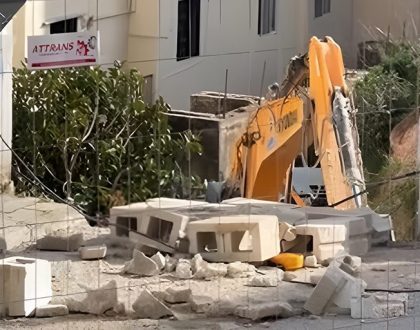
In a growing public outcry, ADPD – The Green Party has sounded the alarm over the deteriorating health conditions faced by residents of Birżebbuġa, a town in the south of Malta, due to ongoing roadworks that have stretched over several months without clear timelines or effective communication from authorities. The party argues that the project’s mismanagement has resulted in significant health hazards, particularly from airborne dust generated by the construction.
The affected road, Birżebbuġa Road, remains closed to traffic, causing both physical and psychological strain for the local population. In a press conference held on-site, ADPD officials urged government bodies to prioritize residents' welfare when undertaking infrastructure works.
Disregard for health and safety, says party deputy chair
Melissa Bagley, deputy chairperson of ADPD and a candidate in Malta’s fifth electoral district, expressed concern about the way such infrastructure projects are carried out without proper safeguards for public health. While she reaffirmed the party’s support for modernising infrastructure, she was critical of the way current projects are handled.





















“The work here has been going on for months, and this is certainly of no benefit to the residents’ health. It would be beneficial to factor in residents’ well-being into such projects so that these projects are finished in a timely manner and any inconvenience, such as dust which is typically generated in road works, is minimised,” said Bagley.
She drew attention to the fact that ongoing hot weather conditions are worsening the situation, especially for households that require fresh air during the summer months but cannot safely open their windows.
“Such inconvenience is probably exacerbated by the present hot weather. Residents would need to open their windows for some fresh air, and they would not be able to because of the dust. Because opening a window means allowing dust into homes and even worse, breathing in this dust which will end up in our lungs.”
Dust particles pose serious long-term threats
Bagley emphasized that dust generated by the construction is not just a nuisance—it can be deadly. Referring specifically to fine particulate matter known as PM2.5, she warned that prolonged exposure is linked to a host of chronic health conditions, including respiratory disease and heart problems.
“It is estimated that every year around 200 people in Malta die due to exposure to PM 2.5. It is well known that exposure to fine dust particles of this nature may lead to respiratory illnesses and heart problems,” Bagley said.
Environmental experts agree that PM2.5 particles are particularly dangerous because they can penetrate deep into the lungs and even enter the bloodstream, increasing the risk of heart attacks, strokes, asthma, and other serious illnesses. The levels of dust being reported by Birżebbuġa residents raise legitimate questions about whether any environmental impact assessments were carried out before the works began.
Party chair calls for transparency and planning
Echoing these concerns, ADPD Chairperson Sandra Gauci criticised the lack of transparency and failure to involve local councils or residents in the planning process. She pointed out that similar infrastructure works in other parts of Malta had been completed in far shorter timeframes, sometimes within just two weeks, and with appropriate notifications.
“Problems arise when people are left in the dark about these matters, besides leaving them for months facing significant amounts of dust. This is what happened in this case, which is causing considerable inconvenience to residents in the area.”
She stressed that this lack of communication is unacceptable in a democratic country that aspires to European standards of governance. Gauci made a strong case for public accountability and proper planning.
“In a modern, European country, these works have clear deadlines which are shared with those who need to know,” Gauci said.
A call for human-centered, sustainable planning
The central argument made by the Green Party is that sustainability must encompass both environmental responsibility and human well-being. According to the party, there is a growing disconnect between how public infrastructure projects are executed and how they impact the people who live near them.
They are urging authorities to implement systems that measure not only the physical progress of a project but also its social and health impact. Infrastructure works, they argue, should never compromise the well-being of nearby residents.
The party called for the inclusion of community voices in the planning process, clear and enforceable timelines, and environmental controls that prevent dust and other pollutants from reaching dangerous levels. Local councils, they added, must be empowered with information and authority to ensure residents are protected.
Lessons for future governance
The events unfolding in Birżebbuġa highlight the broader issue of governance quality and citizen engagement in Malta. Infrastructure investments are necessary for national development, but the lack of transparency, communication, and health protections in this case suggests systemic failings.
ADPD’s public statements reflect growing frustration among Maltese citizens who often feel excluded from decisions that affect their daily lives. The party’s intervention reinforces the principle that infrastructure is not just about roads and construction—it is about people, their health, and their right to live in safe, clean, and informed environments.
Unless authorities act to address these concerns, trust in public institutions will continue to erode, and the long-term cost—both in terms of health and public confidence—will be considerable.
Conclusion
The ongoing situation in Birżebbuġa reflects a deeper and more troubling pattern in infrastructure development—one where the voices and health of residents are too often sidelined in the name of progress. While no one disputes the importance of improving Malta’s roads and public services, such development must not come at the cost of community well-being, environmental safety, or fundamental transparency.
As highlighted by ADPD – The Green Party, the prolonged and poorly managed roadworks in this locality have created not only physical discomfort but also potential health hazards, particularly due to dust pollution from fine particulate matter like PM2.5. The fact that residents were not kept informed, nor provided with a clear timeline, speaks to a governance model in urgent need of reform.
Going forward, authorities must adopt a more people-centered approach—one that treats citizens as key stakeholders rather than passive bystanders. This includes thorough environmental risk assessments, strict enforcement of health and safety regulations, consistent communication with residents and local councils, and accountability measures for delays and disruptions.
Infrastructure should serve the public—not inconvenience, endanger, or ignore them. The events in Birżebbuġa must serve as a lesson for all future projects across Malta: development must be sustainable, responsible, and above all, humane.
FAQs
What health risks are associated with prolonged roadworks in Birżebbuġa?
Long-term roadworks can generate fine dust particles (PM2.5) which may cause respiratory and cardiovascular illnesses.
Who is responsible for the roadworks in Birżebbuġa?
While specific agencies or contractors have not been named publicly, ADPD calls for accountability from both public authorities and construction companies.
Why is dust from roadworks dangerous?
Dust particles such as PM2.5 are small enough to enter the lungs and bloodstream, increasing the risk of diseases like asthma, bronchitis, and heart conditions.
What are residents in Birżebbuġa complaining about?
Residents report excessive dust, a lack of information, blocked roads, and no clear timeline for project completion, all of which impact daily life.
Has the government responded to these concerns?
As of now, no formal response from the government or local authorities has been reported in reaction to ADPD’s press conference.
What is ADPD's position on infrastructure development?
ADPD supports necessary development but insists it must be carried out with respect for health, transparency, and community engagement.
What is PM2.5, and why is it mentioned?
PM2.5 refers to fine particulate matter smaller than 2.5 microns. It is hazardous to health when inhaled and is often a byproduct of road construction.
How could future roadworks be improved?
ADPD suggests better communication, clear deadlines, environmental assessments, and enforcement of safety regulations.
What legal steps can residents take if their health is affected?
Residents may seek advice from legal professionals about environmental health rights and could consider formal complaints or claims if negligence is proven.
What role should local councils play in such projects?
Local councils should be informed partners in planning and communicating infrastructure projects, ensuring community needs are respected.

Ash
I like to keep it short. I am a writer who also knows how to rhyme his lines. I can write articles, edit them and also carve out some poetic lines from my mind. Education B.A. - English, Delhi University, India, Graduated 2017.