Protecting Malta’s Historic Bighi Fortifications

The historic fortifications at the Bighi Peninsula in Malta are under a proposed plan for extensive restoration and protection, led by Infrastructure Malta and Heritage Malta. Following significant structural damage in February 2023, these agencies have prioritized a long-term strategy to stabilize, restore, and safeguard the fortifications from future degradation. This project is essential to preserving a key part of Malta's cultural heritage that dates back centuries, reflecting a deep commitment to historical conservation.
Historic Background of the Bighi Peninsula
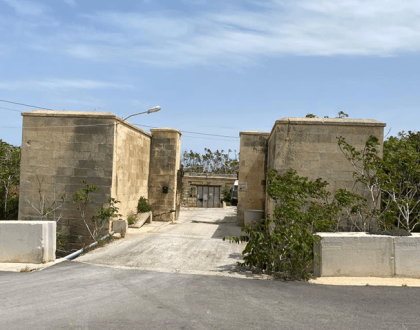
The Bighi Peninsula holds a remarkable place in Maltese history, with its origins tracing back to the 17th century when it was first developed by the Order of St. John. Initially known as Villa Bighi or St. Salvatore, this area became an essential medical hub in 1829, transforming into a significant British naval hospital. Today, the peninsula is home to Heritage Malta's headquarters and the ESPLORA Interactive Science Centre, making it a focal point for Maltese cultural and scientific engagement. The preservation of its fortifications represents not only the conservation of historical architecture but also the protection of a site of immense national pride.
The 2023 Storm: An Unprecedented Collapse
In February 2023, the historic fortifications suffered a major blow when Storm Helios battered Malta’s coastlines. On the east side of the peninsula, facing Rinella Bay, the storm triggered the collapse of a 30-meter stretch of the ancient walls. The waves, with an unrelenting force, fractured the rockface beneath the fortifications, causing a massive section to tumble into the Kalkara sea. The aftermath of this collapse revealed an exposed section of soil below the former naval hospital, exposing the inherent vulnerability of the site’s foundation.





















Geotechnical surveys and wave impact studies subsequently confirmed the risks posed by ongoing erosion to the fortifications. These findings underscored the need for an extensive, carefully planned intervention to prevent further damage.
Project Overview: A Multi-Phase Restoration Approach
The proposed plan to stabilize and restore the Bighi Peninsula fortifications is divided into several key phases, each with distinct objectives aimed at protecting the structure against future weather-induced collapses.
Phase 1: Clearing Unstable Materials
The first phase, which has already been completed, addressed the most immediate risks by removing unstable topsoil and fill material from behind the collapsed fortification sections. This precautionary step was essential for stabilizing the area and preventing additional collapses. By clearing loose materials from the vicinity, the agencies mitigated immediate risks, setting a stable foundation for future restoration efforts.
Phase 2: Dismantling Unstable Wall Sections
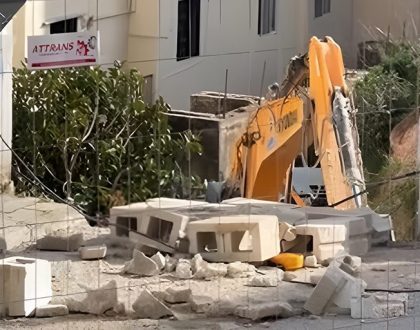
The second phase, currently underway, involves carefully dismantling the remaining fragile portions of the walls. Engineers are systematically deconstructing these parts to prevent any sudden collapses during subsequent construction phases. This process requires meticulous planning and skilled craftsmanship, ensuring that no further structural elements are weakened as the project progresses.
Phase 3: Removing Fallen Rocks and Laying New Foundations
In the third phase, teams will work to clear the debris that fell into the sea during the 2023 collapse. Following the removal of these remnants, new foundational supports will be constructed. These will serve as the base for rebuilding the fortifications on a stable and solid foundation. By fortifying the structure with these new foundations, engineers aim to prevent future collapses, ensuring the site remains stable and resistant to environmental pressures.
Coastal Defense Measures: Protecting the Fortifications from Wave Impact
Given the ongoing threat from wave erosion, the project plan also includes a series of defensive measures to shield the fortifications from the sea's impact.
Building a Permanent Quay Platform
A significant part of this defensive strategy is the construction of a permanent working platform along the foreshore. This quay will act as a buffer between the sea and the historic walls, absorbing much of the wave impact that could otherwise weaken the foundations. Once the construction is complete, this quay will not only serve as a protective measure but also enhance the area’s aesthetic and functional value as a waterfront boundary.
Revetment Installation for Additional Protection
In front of the quay platform, large boulders will be strategically placed to form a revetment. This revetment, made from robust rock materials, is designed to break up waves before they reach the quay, further reducing their erosive power. The addition of this feature will create a resilient coastal defense system, reducing wave impact on the fortifications and ensuring the rockface beneath remains intact.
Stabilizing the Eroded Rockface: Securing the Foundation
One of the most critical components of the restoration project is the stabilization of the rockface beneath the fortifications. Decades of wave action have taken a toll on this natural foundation, creating fissures and caves that continue to expand under relentless pressure. The erosion has left the rockface vulnerable to further deterioration, which could lead to additional collapses in the future if not addressed.
Rock Bolting and Mesh Installation
To counteract the erosion, the project will implement rock bolting and install a steel mesh along the rockface. Rock bolting involves drilling into the rock and securing it with strong steel rods, which act as anchors to stabilize the weakened sections. The steel mesh will prevent loose fragments from falling, reinforcing the rockface and protecting the fortifications from further structural compromise. These combined techniques will not only improve the stability of the foundation but also provide a durable safeguard against the natural elements.
Cultural and Historical Importance of the Project
The restoration of the Bighi Peninsula fortifications is more than an engineering feat; it is an act of cultural preservation. The site's historical significance, from its role as a British naval hospital to its current use as a cultural and scientific hub, makes it a living testament to Malta’s rich history. By investing in this restoration project, Infrastructure Malta and Heritage Malta are securing a piece of Maltese heritage for future generations, allowing both locals and visitors to appreciate the architectural and historical marvels of the Bighi Peninsula.
Conclusion: A Future Built on Heritage Preservation
Through a meticulous, multi-phased approach, Infrastructure Malta and Heritage Malta are not only working to restore the damaged fortifications but are also fortifying the site against future threats. This project underscores the importance of protecting cultural heritage sites from environmental degradation while ensuring that such sites remain safe and accessible for public engagement. The Bighi Peninsula restoration exemplifies a commitment to conserving Malta's historical landscapes, a mission that resonates with the nation's enduring respect for its past.
FAQs
What is the purpose of the Bighi Peninsula restoration project?
The project aims to restore the historic fortifications and protect them from further damage due to environmental factors.
Which agencies are involved in the Bighi Peninsula restoration?
Infrastructure Malta and Heritage Malta are jointly responsible for implementing the restoration plan.
What caused the damage to the fortifications?
The 2023 Storm Helios caused part of the rockface and a section of the fortifications to collapse due to wave impact.
What is a revetment, and why is it used in this project?
A revetment is a structure made of rock boulders used to break up waves and prevent coastal erosion near the fortifications.
How does rock bolting contribute to the project?
Rock bolting stabilizes the rockface by anchoring it with steel rods, preventing further erosion and collapse.
What is the historical significance of the Bighi Peninsula?
The site dates back to the 17th century and was a British naval hospital in the 19th century; it is now a cultural and scientific hub.
Will the quay platform remain after the restoration?
Yes, the quay platform will become a permanent fixture, serving as a boundary to protect the fortifications from wave action.
How long is the restoration project expected to take?
The project timeline has several phases, with completion dependent on structural stability and environmental factors.
What safety measures are in place to protect the restoration workers?
The project includes safety protocols to ensure secure working conditions, especially during the dismantling and construction phases.
How will the project benefit the local community?
The restored fortifications will preserve a culturally significant site, benefiting tourism and providing a space for public appreciation of Maltese history.

Anna Amstill
I am an avid Blogger and Writer with more than 6 years of experience with Content Writing. An Online Marketing expert specializing in Blog writing, Article writing, Website content, SEO specific Keyword content and much more. Education B.A. - business management, York University, Canada, Graduated 2016.