















Qala villa controversy raises asset declaration concerns in Malta
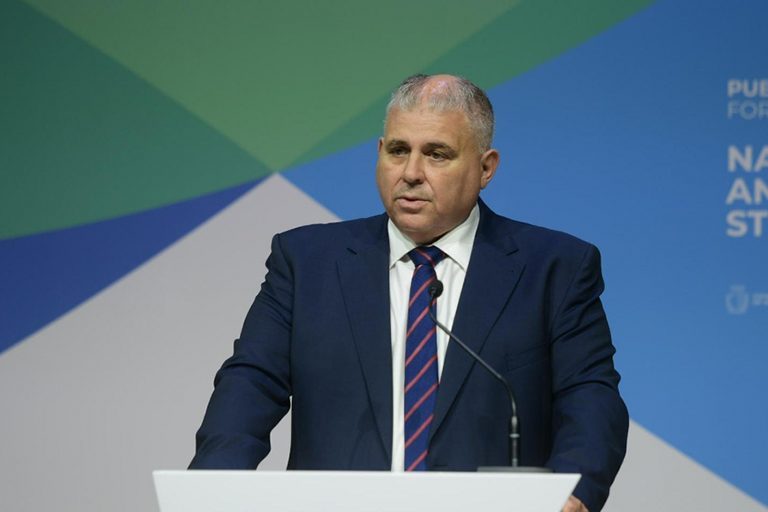
A property located in the village of Qala has recently become the subject of renewed public attention following media reports that connected the residence to the late Sicilian Mafia figure Salvatore Riina. The development has drawn scrutiny toward Malta’s Minister for Gozo, Anton Refalo, after the villa did not appear in his most recent asset declaration submitted to Prime Minister Robert Abela.
The situation has sparked debate regarding transparency obligations for public officials, particularly in relation to the declaration of assets, use of property and potential grey areas within disclosure frameworks.
Background to the property and its reported history
The villa in question was highlighted in recent Italian media reporting which suggested that the residence had, in earlier decades, been used as a temporary hideout associated with Riina. Riina, widely known as one of the most prominent leaders of the Sicilian Mafia, was arrested in 1993 and died in 2017. While such historical claims have circulated informally for years, the renewed attention has placed the property under a more formal spotlight.





















It is important to note that these historical associations relate to alleged past usage of the property and do not imply any connection between current occupants or users and criminal activity. No formal findings have been presented linking present-day individuals to those historical claims.
Asset declaration omission and official response
Minister Refalo, a long-serving member of Malta’s Labour administration, submitted his latest asset declaration listing a wide range of properties held jointly with his spouse, Lina Refalo. These include multiple residences and investments across Malta and Gozo, reflecting his longstanding involvement in property and cultural assets.
However, the Qala villa was not included in this declaration.
When questioned publicly, Refalo acknowledged his connection to the property but clarified that he does not hold legal ownership of the villa. This distinction appears to be central to his position that the property was not required to be listed under current disclosure rules.
The matter has nonetheless prompted discussion regarding whether long-term rental arrangements, particularly those extending over decades, should be included in such declarations for the sake of transparency.
Debate over declaration standards and comparators
Observers and commentators have pointed to broader questions about consistency in asset disclosure practices among public officials. In particular, comparisons have been made with Jo Etienne Abela, who reportedly declared a rented residence despite not owning the property.
This comparison has been used to argue that long-term use of a property, even without ownership, may reasonably fall within the spirit of disclosure expectations. At the same time, interpretations of the formal requirements may vary depending on the specific wording of applicable regulations.
As such, the issue highlights a potential gap between legal compliance and public expectations of transparency.
Use of the villa and reported activities
Sources familiar with the property have indicated that the villa has not been used as a primary residence by Refalo. Instead, it has reportedly served as a private space for storing an extensive collection of artworks.
According to individuals who have visited the property, the villa contains a significant number of high-value pieces. Refalo has long been known for his interest in art and heritage and his collection is understood to form a central aspect of his personal and professional activities.
In addition to storage, the property has reportedly been used on occasion for meetings with constituents. Such use would align with the broader pattern of public officials engaging with local communities in informal settings.
It is important to emphasise that these accounts are based on statements from sources and have not been subject to independent verification in official proceedings.
Property records and documented changes
Available records indicate that the villa has been under a rental arrangement since approximately 2002. In 2009, a permit was issued to Lina Refalo to carry out internal structural modifications within the property. No further changes have been formally recorded since that time.
During the filming of an Italian documentary related to the property’s historical associations, Refalo was reportedly seen arriving at the villa with a newly acquired artwork. This detail has contributed to public interest in the extent and nature of the collection housed within the premises.
Public communication and media interaction
The minister’s public responses to questions about the villa have also attracted attention. Journalists who approached him near the property described his replies as limited and at times inconsistent, particularly in relation to his knowledge of the villa’s alleged historical associations.
Refalo stated that he was unaware of Riina and denied familiarity with longstanding rumours connecting the villa to organised crime. These remarks have been contrasted with the broader awareness of such claims within parts of the local community.
It should be noted that public figures may vary in their recollection or awareness of historical narratives, particularly those not formally established in legal or official records.
Previous scrutiny and heritage-related matter
This is not the first time Refalo has been the subject of public discussion concerning property and heritage-related issues. In 2023, reports emerged that a protected historical artefact had been found within one of his properties.
The artefact, described as a Victorian-era stone marker, was later returned to Heritage Malta. No criminal charges were brought in connection with the matter and Refalo did not step down from his position.
While separate from the current situation, this earlier episode has been referenced in public discourse as part of a broader pattern of scrutiny surrounding property-related matters.
Governance, transparency and public expectations
The Qala villa case raises broader questions about governance standards in Malta, particularly in relation to asset declarations and public accountability. While legal compliance remains the primary benchmark, public expectations often extend beyond strict legal definitions.
Transparency frameworks are designed not only to prevent conflicts of interest but also to maintain public confidence in institutions. In this context, even perceived omissions or ambiguities can become focal points for debate.
At the same time, it is essential to distinguish between verified facts and unproven claims, particularly where historical associations are involved. Responsible reporting and careful interpretation remain critical to ensuring fairness and accuracy.
Conclusion
The situation surrounding the Qala villa reflects the complex intersection of legal obligations, public perception and historical narratives. While Minister Anton Refalo has stated that he does not hold legal ownership of the property and therefore did not include it in his asset declaration, the case has prompted wider discussion about whether long-term use of assets should also be disclosed.
The reported historical associations of the villa with Salvatore Riina have added an additional layer of sensitivity, even though such claims relate to a distant past and have not been formally linked to present-day activities.
Ultimately, the matter underscores the importance of clear guidelines and consistent practices in asset disclosure. Strengthening transparency mechanisms may help address ambiguities and reinforce public trust in governance systems.
As discussions continue, the focus is likely to remain on ensuring that both legal standards and public expectations are aligned in a manner that supports accountability while respecting due process and factual accuracy.
FAQs
What is the main issue surrounding the Qala villa?
The issue relates to the absence of the villa from Minister Anton Refalo’s asset declaration despite his long-term association with the property.
Who was Toto Riina?
Salvatore Riina was a Sicilian Mafia figure who was arrested in 1993 and died in 2017.
Does Anton Refalo own the villa?
Refalo has stated that he does not hold legal ownership of the villa.
Why has the omission raised concerns?
Some observers believe long-term rental use may still warrant disclosure for transparency purposes.
Has any wrongdoing been proven?
No formal findings or charges have been reported in connection with this matter.
What is the villa reportedly used for?
Sources suggest it is primarily used to store an art collection and occasionally for meetings.
Are there official rules about declaring rented properties?
Rules exist but interpretations may vary depending on legal definitions and practices.
What comparisons have been made in this case?
Comparisons have been made with other officials who declared rented residences.
Was the villa linked to criminal activity?
Reports refer to alleged historical associations, not current activity or involvement.
What could happen next?
The case may prompt further discussion or clarification of asset declaration guidelines.

Anna Amstill
I am an avid Blogger and Writer with more than 6 years of experience with Content Writing. An Online Marketing expert specializing in Blog writing, Article writing, Website content, SEO specific Keyword content and much more. Education B.A. - business management, York University, Canada, Graduated 2016.
Related Posts






Rising debt in Malta sparks worries over fiscal policy
April 3, 2026