Questions arise over OHSA inspection and fine statistics

The Occupational Health and Safety Authority (OHSA) in Malta has recently come under scrutiny following claims of a dramatic increase in workplace inspections and fines. While official reports suggest heightened oversight, independent investigation indicates that these numbers may not accurately reflect real improvements in safety on construction sites across the country.
Alleged Increase in Inspections
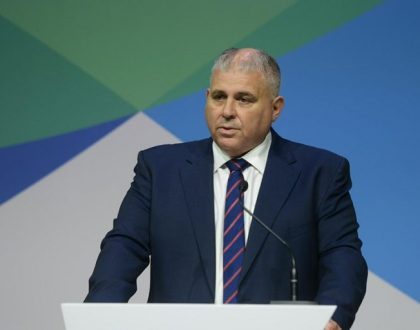
In a televised interview, Josianne Cutajar, the CEO of the OHSA, stated that inspections at workplaces, particularly construction sites, had increased fivefold compared to figures recorded two years ago. According to Cutajar, this surge represented a significant improvement in the regulator's efforts to safeguard workers and enforce occupational health and safety rules.
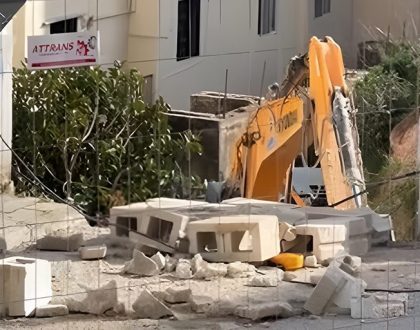
However, investigative reporting by The Shift reveals a different reality. On-site, developers and construction operators report little to no change in actual oversight. Construction projects appear to continue in a relatively lax environment, with safety protocols often inadequately monitored.





















The Role of Pre-Inspection Exercises
OHSA insiders disclosed that while reported figures of inspections were indeed higher in parliamentary submissions, this was largely a “cosmetic exercise.” Sources explained that the apparent increase in inspections stemmed from a strategy devised by the CEO, who is a politically appointed official.
Rather than significantly expanding the team of trained inspectors, the OHSA began using students in what was termed a “pre-inspection exercise.” These students were referred to as field officers and tasked with photographing construction sites throughout Malta.
Senior OHSA officials described the process as minimal and largely symbolic. “These students do not even get out of their car to take their photos, let alone speak to anyone or conduct an inspection on site,” one official stated. Despite this, the photographs taken were reported as official inspections, allowing the CEO to publicly claim a substantial increase in workplace monitoring.
Administrative Fines Masking Reality
The same approach appears to have been applied to the reporting of fines. Changes in legislation have altered the way breaches of health and safety regulations are handled. Previously, significant violations could lead to prosecutions in court. Under the current system, many contraventions are instead converted into administrative fines.
While OHSA statistics indicate a rise in the number of fines issued, officials acknowledge that this increase is not necessarily reflective of stricter enforcement. Rather, it is largely a paper-based adjustment resulting from fewer court prosecutions and a higher proportion of breaches being converted into fines.
In multiple cases where prosecutions against contractors were already underway, arrangements were reportedly made to convert charges into fines, leading to the dismissal of court cases. This approach has raised questions about the effectiveness of the regulatory framework and the sincerity of claims regarding stronger oversight.
OHSA’s Structural Challenges
The OHSA has long been described as a “Cinderella” organization, historically under-resourced and struggling to assert authority over Malta’s influential construction sector.
The Sofia Inquiry, conducted to investigate serious lapses in workplace safety, highlighted systemic failures within Malta’s health and safety regulatory bodies. Following the inquiry, the government promised an overhaul of occupational health and safety legislation, including enhanced enforcement powers aimed at curbing unsafe practices in the construction industry.
Despite these pledges, progress has been limited. Political pressures, combined with the appointment of officials perceived as inexperienced or underqualified, have hampered meaningful change. Industry observers note that regulatory authority has not kept pace with the scale of construction activity in Malta, leaving gaps in safety oversight.
Tower Crane Oversight and Recent Incidents
A particularly concerning example of regulatory shortcomings emerged just weeks ago when Jonathan Attard, the Minister responsible for OHSA, admitted in parliament that the regulator did not have accurate information on the number of tower cranes in use on construction sites. Moreover, there were no systematic checks in place to ensure their safety.
This lapse was only partially addressed following a construction site accident, underscoring the reactive rather than proactive nature of safety enforcement in Malta. Experts warn that such gaps could pose significant risks to workers and the general public if left unaddressed.
The Political Dimension
The pattern of misrepresented figures has raised broader questions about political influence on OHSA operations. Critics argue that the emphasis on statistical reporting, rather than tangible improvements in safety, reflects political priorities rather than public safety needs.
Officials within the OHSA described the situation as frustrating, noting that genuine safety enforcement requires both adequate staffing and independence from political pressures. “The figures being presented to the public and parliament do not correspond to actual enforcement activity,” a senior officer said. “This creates the impression of progress where none exists.”
Implications for the Construction Industry
The construction industry in Malta is significant, contributing substantially to economic growth and employment. However, the lack of rigorous oversight has long been a concern for labor unions, safety advocates, and industry professionals.
Without real inspections and enforcement, unsafe practices may persist, putting workers at risk of injury or worse. Industry stakeholders argue that superficial measures such as student photography exercises and administrative fines do not substitute for thorough on-site evaluations and proactive regulatory engagement.
Path Forward for OHSA
To restore credibility and effectiveness, OHSA may need to undertake several reforms. These could include increasing the number of trained inspectors, ensuring proper on-site evaluations, and reducing political influence over operational decisions. Transparency in reporting and accountability in enforcement would be crucial steps toward genuinely improving workplace safety in Malta.
Experts also recommend that fines and enforcement actions be consistently applied and tracked to ensure compliance. Without these measures, there is a risk that reported improvements will remain largely symbolic, failing to provide real protection for workers.
Conclusion
While OHSA leadership publicly celebrates statistical gains in inspections and fines, closer scrutiny suggests that these figures may overstate actual progress. Students taking photographs from cars and administrative fines replacing court prosecutions present a picture of regulatory activity that is largely superficial.
Malta’s construction sector remains high-risk, and genuine improvement in workplace safety will require substantial investment in trained personnel, transparent enforcement mechanisms, and political independence for the regulator. Without these changes, statistical achievements risk remaining a paper exercise, offering limited protection for workers and the public.
FAQs
What does OHSA stand for?
OHSA stands for Occupational Health and Safety Authority, Malta’s regulator responsible for workplace safety.
Has the number of inspections at construction sites increased?
While official figures suggest an increase, investigative reporting indicates that the actual number of on-site inspections has not changed significantly.
Why are student photographs counted as inspections?
The OHSA used students in a “pre-inspection exercise,” where photographs taken from vehicles were reported as inspections to boost statistical figures.
Have fines for health and safety breaches increased?
Reported fines have increased, but largely due to fewer court prosecutions and conversion of violations into administrative fines rather than stricter enforcement.
Did the Sofia Inquiry lead to reforms?
The Sofia Inquiry highlighted regulatory failures and led to promises of enhanced laws and powers, but implementation has been limited.
Is OHSA under political influence?
Critics argue that political appointments and pressures have influenced OHSA operations, affecting the regulator’s effectiveness.
Are tower cranes in Malta regularly inspected?
Until recently, OHSA did not have accurate data or systematic checks on tower cranes, which was only partially addressed after a construction accident.
What are the risks of current enforcement practices?
Lax oversight and reliance on symbolic inspections increase the risk of workplace accidents and safety violations.
What measures are suggested to improve OHSA effectiveness?
Recommendations include hiring more trained inspectors, ensuring proper on-site evaluations, transparent reporting, and reducing political interference.
Does the increase in reported inspections reflect real safety improvements?
Evidence suggests that the reported increase in inspections does not correspond to substantial improvements in workplace safety.

Ash
I like to keep it short. I am a writer who also knows how to rhyme his lines. I can write articles, edit them and also carve out some poetic lines from my mind. Education B.A. - English, Delhi University, India, Graduated 2017.