National regulators clash with AMLA over supervisory powers
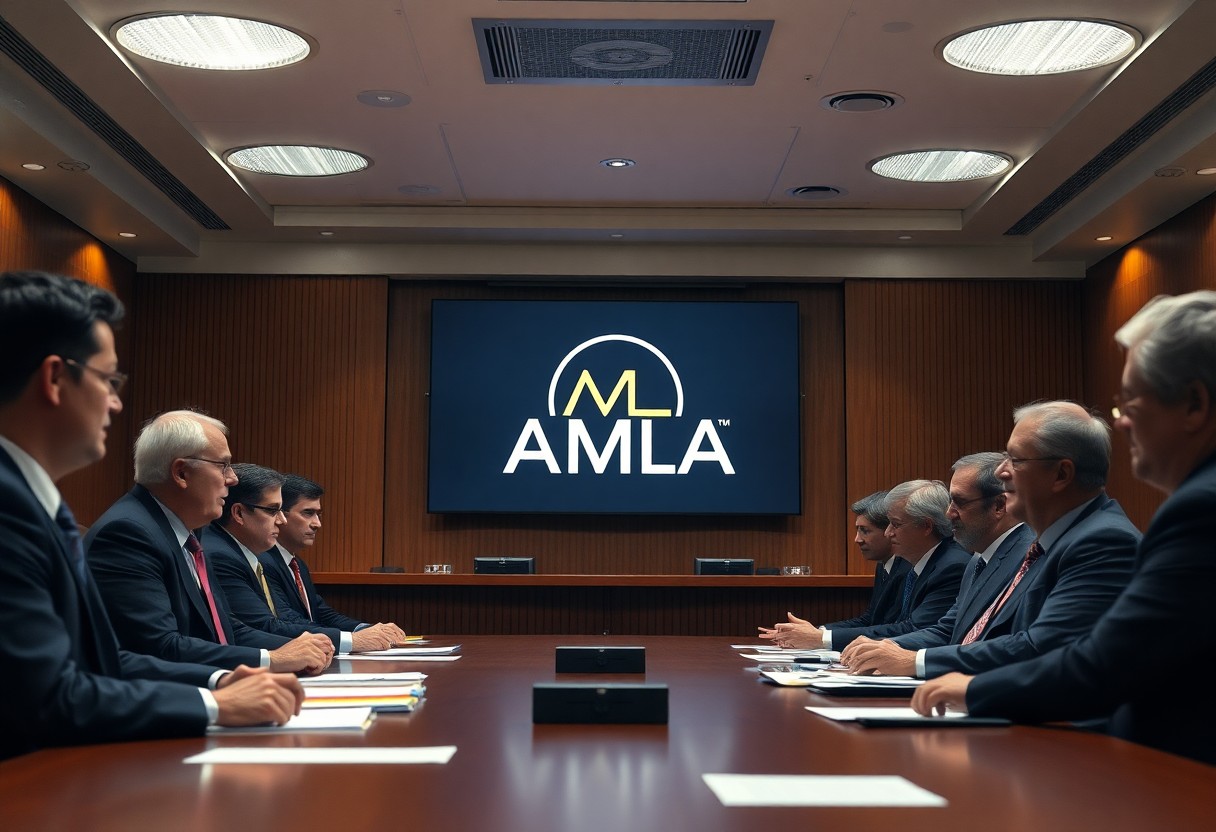
You may be aware that the recent confrontation between national regulators and the Anti-Money Laundering Authority (AMLA) has raised significant concerns regarding the scope of supervisory powers in the financial sector. This clash highlights the complexities and tensions inherent in the regulatory landscape as authorities grapple with combating money laundering while balancing oversight responsibilities. The implications of this dispute could reshape regulatory frameworks and compliance expectations, affecting financial institutions and their operations globally.
The Rise of AMLA: An Overarching Authority for Financial Regulation
Historical Context of AMLA's Formation
AMLA was established in response to an escalating global financial crisis and increasing regulatory gaps identified in financial supervision. The lack of coordination among national regulators highlighted the need for a unified approach to anti-money laundering, leading to AMLA's inception as a centralized regulatory body aimed at enhancing oversight and harmonizing standards across jurisdictions.
Key Objectives and Mandates of AMLA
The primary objectives of AMLA revolve around strengthening financial stability and integrity by developing a cohesive framework for anti-money laundering practices. AMLA is tasked with coordinating and supervising national regulations, enforcing compliance, and providing guidance to reduce the risks associated with money laundering and terrorist financing.





















AMLA's mandates include setting minimum compliance standards, overseeing implementation across sectors, and fostering collaboration among national regulators and international bodies. The agency prioritizes transparency and accountability, aiming to create a robust financial ecosystem. By addressing weaknesses in current frameworks, AMLA seeks to eliminate loopholes that allow illicit activities to thrive, ultimately reinforcing public trust in financial systems globally.
National Regulators: The Guardians of Local Compliance
Distinct Roles of National Regulators by Country
Each country's national regulator plays a unique role tailored to its specific legal framework and economic environment. For instance, the UK's Financial Conduct Authority focuses on consumer welfare and market integrity, while Germany's BaFin emphasizes securities supervision and banking stability. In contrast, the U.S. has a more fragmented approach with multiple agencies, such as the SEC and FinCEN, each responsible for different aspects of financial oversight. These variations reflect local priorities and the operational realities of enforcing regulations.
Challenges Faced by National Regulators
National regulators encounter a myriad of challenges, including resource limitations, evolving financial technologies, and the increasing complexity of global financial systems. Coordination across jurisdictions often proves difficult, as differing legal standards and regulatory frameworks create friction in enforcement. Additionally, the rapid pace of innovation within fintech necessitates continuous adaptation strategies that many regulators find difficult to implement due to budget constraints or bureaucratic inertia.
The landscape for national regulators has become more intricate with the emergence of digital currencies and blockchain technology. Many struggle to keep pace with innovations that outstrip existing frameworks, leading to regulatory lapses. For example, the rise of decentralized finance (DeFi) platforms poses a significant challenge to traditional oversight mechanisms, complicating the ability to monitor compliance and prevent illicit activities. Consequently, national regulators must not only adapt existing regulations but also proactively develop new strategies to ensure that their abilities to supervise remain effective in a rapidly evolving financial environment.
The Clash of Powers: AMLA vs. National Regulators
Recent Conflicts and Controversies
Ongoing disputes between the Anti-Money Laundering Authority (AMLA) and national regulators have surfaced over the jurisdiction and scope of regulatory power. Tensions have escalated as AMLA has sought to assert its authority over financial institutions, often encroaching upon the established frameworks and operations of local entities. Regulatory disagreements have resulted in confusion regarding compliance standards, leaving institutions grappling with varying directives.
Case Examples: Noteworthy Incidents of Tension
Significant instances highlight the friction between AMLA and national regulators, with particular incidents showcasing diverging enforcement strategies. One prominent case involved a major bank facing sanctions from AMLA for non-compliance with international anti-money laundering standards, while the national regulator deemed the penalties excessive, leading to public disputes and a call for clearer jurisdictional guidelines.
In a striking example, a prominent global bank was fined nearly $10 million by AMLA for alleged reporting failures, which the national regulator contested as disproportionate. This incident sparked a larger debate on the effective communication lines between the two authorities, with bank executives expressing confusion over conflicting directives. The fallout included a formal meeting to discuss aligning their strategies, yet significant gaps remained in understanding the roles and enforcement capabilities of each regulatory body, further complicating compliance efforts across the sector.
The Implications of Oversight Conflicts
Impact on Financial Institutions and Their Practices
Conflicts between national regulators and the Anti-Money Laundering Authority (AMLA) have forced financial institutions to adapt rapidly. Banks and other entities are restructuring compliance departments, increasing training programs, and investing in advanced technology to ensure alignment with both oversight bodies. This dynamic creates a challenging environment, often leading to increased operational costs and altered risk management strategies.
Consequences for Compliance and Legal Standards
The oversight conflicts complicate compliance frameworks for financial institutions, potentially leading to fragmented legal interpretations. As regulations differ, organizations face uncertainty regarding which standards to adopt, increasing the likelihood of non-compliance penalties. For instance, banks operating in multiple jurisdictions find themselves adhering to varied expectations, which can result in significant legal liabilities if standards are not uniformly met. This tension not only impacts operational efficiency but also affects reputation and trust in the financial system.
Bridging the Gap: Potential for Collaboration
Opportunities for Joint Regulation and Supervision
Collaboration between AMLA and national regulators could streamline compliance processes and enhance the effectiveness of anti-money laundering measures. By pooling resources and sharing data, both entities can develop a more cohesive strategy that addresses regulatory gaps and promotes a unified front against financial crime. Joint training initiatives and harmonized reporting standards can further strengthen the supervisory framework, fostering an environment of shared responsibility and accountability in financial institutions.
Successful Models of Cooperation from Other Sectors
Various sectors provide compelling examples of successful cooperation that can inspire regulatory collaboration. The aviation industry, for instance, has benefited from joint oversight mechanisms that involve multiple national authorities working collectively to uphold safety standards. Similarly, the pharmaceutical sector thrives on partnerships for drug approvals, where shared data and aligned regulations result in efficient market access and enhanced safety protocols.
In the aviation sector, agencies like the Federal Aviation Administration (FAA) collaborate with international bodies like the International Civil Aviation Organization (ICAO) to establish global safety standards, leading to a significant reduction in incidents. Similarly, the pharmaceutical industry exemplifies successful cooperation through organizations like the European Medicines Agency (EMA), where cross-border regulatory frameworks expedite drug evaluations. These models highlight the effectiveness of shared oversight, demonstrating a balanced approach that could benefit AMLA and national regulators by fostering alignment, improving outcomes, and enhancing regulatory efficiency.
The Future of Financial Oversight: A Balancing Act
Predictions for the Regulatory Landscape
The regulatory landscape is poised for significant transformation as the tension between AMLA and national regulators intensifies. A more integrated approach may emerge, with national bodies adapting to the centralized directives from AMLA. Financial institutions will likely face stricter compliance requirements, and cross-border harmonization could lead to a unified framework governing anti-money laundering efforts, streamlining processes for global financial players.
Recommendations for Improved Governance
Enhancing governance frameworks will be vital for resolving tensions between AMLA and national regulators. Adopting a collaborative model that encourages transparency and communication can streamline oversight processes. Stakeholders should prioritize establishing joint task forces, regular information-sharing protocols, and standardized reporting metrics to ensure alignment in regulatory expectations.
Expanding on governance improvements, financial institutions must engage with both national and AMLA representatives to construct effective compliance strategies. Incorporating feedback from a diverse array of stakeholders can bolster regulatory agility, ensuring that emerging risks are promptly addressed. Developing a robust feedback loop will facilitate continuous improvement in governance, ultimately fostering a more resilient financial ecosystem.
Voices from the Field: Perspectives of Stakeholders
Insights from Financial Institutions
Financial institutions are navigating a complex landscape marked by conflicting directives from national regulators and AMLA. Many institutions report heightened compliance costs and operational uncertainties. A recent survey indicated that 75% of banks anticipate increased investments in compliance technology to adapt to AMLA's overarching framework. Compliance officers express concerns about fragmented reporting requirements, which can hinder effective risk management and exacerbate operational inefficiencies.
Opinions from Regulatory Experts
Regulatory experts highlight the need for a harmonious approach to supervision that balances national interests with global standards. They stress that collaboration between AMLA and national regulators can lead to improved compliance outcomes. Effective communication is fundamental in establishing a unified regulatory environment that addresses the complexities of cross-border financial transactions.
Experts also point out that misalignment of supervisory powers can create loopholes for financial crime, ultimately undermining the objectives of AMLA. Some propose regular forums for dialogue between AMLA and national bodies, suggesting that such platforms could lead to the formulation of consistent guidelines. Enhanced stakeholder engagement may not only streamline regulatory processes but could also bolster trust in the financial system as a whole. Addressing these concerns is vital to ensure that the regulatory framework operates efficiently without stifling innovation within financial institutions.
Summing up
From above, the tension between national regulators and the Anti-Money Laundering Authority (AMLA) underscores a significant power struggle regarding supervisory responsibilities. National agencies argue for their established authority based on jurisdictional precedents, while AMLA advocates for a harmonized regulatory framework to enhance effectiveness in combating financial crimes. This clash not only highlights the differing priorities and interpretations of regulatory scopes but also raises questions about the future of coordinated financial oversight. As both entities navigate these complexities, the outcome will likely shape the landscape of anti-money laundering efforts globally.
FAQ
Q: What is the primary conflict between national regulators and the AMLA regarding supervisory powers?
A: The primary conflict arises from differing interpretations of the scope of supervisory authority. National regulators assert that they hold ultimate jurisdiction over financial institutions within their territories, while the AMLA (Anti-Money Laundering Authority) seeks to establish overarching regulatory powers to ensure compliance with international standards, leading to tensions over accountability and governance.
Q: How do national regulators argue their position against AMLA's approach?
A: National regulators argue that AMLA's proposed supervisory powers could undermine their established legal frameworks and regulatory processes. They contend that their localized knowledge and existing oversight mechanisms better address specific risks in their financial systems, highlighting the importance of tailored regulation versus broad, standardized enforcement.
Q: What implications does this clash have for financial institutions?
A: The clash could create confusion and compliance challenges for financial institutions, as they may be subject to overlapping regulations and potentially conflicting directives from AMLA and national regulators. This situation could lead to increased operational costs, uncertain regulatory obligations, and difficulties in maintaining compliance, affecting business continuity and legal risk management.

Claire
A highly motivated, results-driven, enthusiastic and ambitious writer. I can offer you well researched and high-quality article writing on any topic for your website or blog and can as well re-write your existing web content.
Related Posts





Italy reconsiders gambling ad ban to boost football funding
April 10, 2026

KSA flags Unibet operator Optdeck for AML non‑compliance
April 10, 2026