















Dutch iGaming Industry Regulations
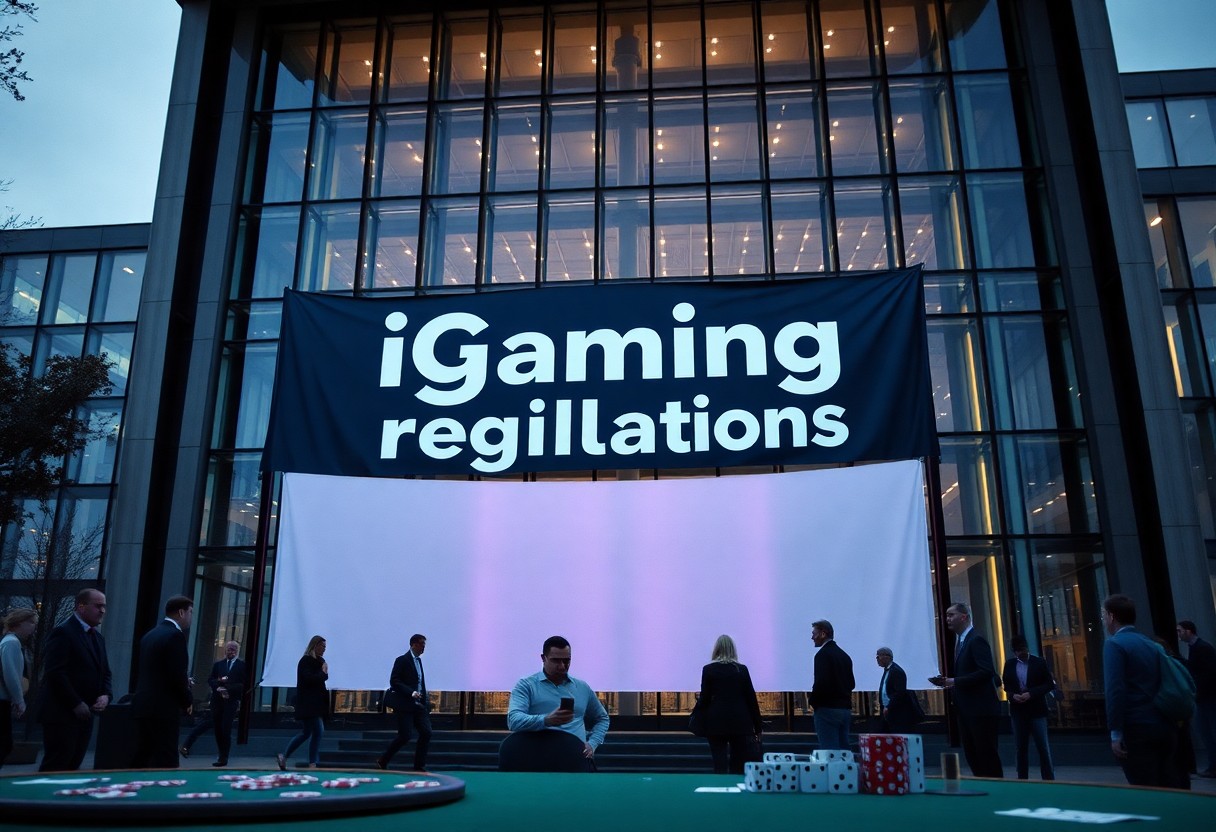
With the recent changes in legislation, he or she may find the regulatory framework of the Netherlands' iGaming industry both complex and evolving. They have established a comprehensive system aimed at ensuring player safety, promoting responsible gambling, and fostering a competitive marketplace. This blog post will explore the key components of this regulatory landscape, including licensing requirements, compliance obligations, and the role of authorities such as the Dutch Gaming Authority (KSA). By understanding these elements, stakeholders can navigate the emerging opportunities and challenges within this dynamic sector.
Overview of the iGaming Industry in the Netherlands
For those interested in the iGaming landscape, it is necessary to recognize the unique characteristics of the Dutch market. The industry has experienced significant developments over the years, leading to both opportunities and challenges for operators and regulatory bodies alike.
Historical Context of iGaming in the Netherlands
Netherlands has a rich history in online gaming, with many developments tracing back to the early 2000s when the market began to attract attention. However, the lack of a well-defined regulatory framework led to ambiguities, forcing operators to navigate complex legal waters until recent reforms initiated a more structured approach.





















Current Market Trends and Dynamics
After the introduction of the Remote Gambling Act in 2021, the iGaming sector in the Netherlands has undergone a transformation. This new legislation has led to increased market participation and greater transparency, with operators seeking to comply with stricter regulations while enhancing user experiences.
iGaming professionals note a surge in interest from both domestic and international operators looking to enter the market. Furthermore, trends indicate a growing preference for mobile gaming, as consumers seek convenience and flexibility in their gaming experiences. Collaboration between traditional gambling venues and online platforms also appears to be on the rise, indicating a shift in consumer behavior and preferences.
Key Stakeholders in the iGaming Sector
Beside operators, numerous stakeholders play a significant role in the iGaming landscape. This includes regulatory bodies, gaming software developers, and financial institutions, all contributing to the industry's framework and operational standards.
Hence, key stakeholders engage in a dynamic ecosystem where collaboration and compliance are paramount. Regulatory bodies ensure adherence to laws and guidelines, while software developers create engaging platforms that attract players. Financial institutions provide the necessary payment solutions that facilitate secure transactions, thereby reinforcing consumer confidence in the industry.
Legislative Background
It is necessary for understanding the evolution of the iGaming industry in the Netherlands to examine the legislative developments that have shaped its current framework.
Development of iGaming Legislation
Before the establishment of a regulated market, the Netherlands faced challenges, leading to a gradual transition in its approach to online gambling. The government recognized the need for a clear framework that balances consumer protection with market integrity.
Key Legislation: Remote Gambling Act
To address these issues, the Dutch government enacted the Remote Gambling Act, which was implemented to regulate online gambling activities effectively.
In addition, the Remote Gambling Act provides specific licensing requirements for operators, ensuring compliance with EU laws and promoting a safe environment for players. The legislation aims to combat illegal gambling operations, encouraging operators to apply for licenses while protecting consumers through responsible gaming measures.
Implications of the Dutch Civil Code
Beside the Remote Gambling Act, the Dutch Civil Code plays a significant role in regulating contracts related to gambling activities, offering necessary guidelines to ensure fairness and transparency.
Dutch civil law addresses several aspects of gambling, including agreements formed between operators and players. This legal framework reinforces consumer rights, promotes responsible gaming practices, and establishes provisions for dispute resolution, ensuring that players are treated fairly and can pursue legal remedies when necessary.
Licensing and Compliance Requirements
Once again, understanding the licensing and compliance requirements is vital for operators looking to enter the iGaming market in the Netherlands. The regulatory environment is designed to ensure fair play, protect consumers, and prevent illegal activities.
Application Process for Operators
One of the first steps in entering the Dutch iGaming market involves a comprehensive application process that operators must navigate to obtain their licenses. This includes submitting various documents and fulfilling specific criteria outlined by the regulatory authority.
Also, the application process entails background checks, financial stability assessments, and ensuring that all operational aspects comply with the regulations set by the Kansspelautoriteit (KSA). Additionally, operators should provide a detailed business plan, outlining their intended services and strategies for maintaining compliance.
Compliance Obligations for Licensed Operators
Behind the duty to maintain compliance, licensed operators in the Netherlands are required to adhere to a strict set of regulatory guidelines. They must ensure transparency, protect player data, and uphold responsible gaming practices at all times.
Further, licensed operators should undergo regular audits and comply with ongoing reporting requirements to the KSA. Failure to meet these obligations could result in penalties, including the revocation of their license, thus jeopardizing their operations within the Dutch market.
Types of Licenses Available
Between various types of licenses that operators can obtain, he or she will find specific categories tailored to distinct gambling activities. These licenses include:
- Online gambling licenses for sports betting
- Online casino licenses
- Licenses for lottery operations
- Licenses for remote gaming
- Licenses for gaming software providers
After securing the right type of license, operators must adhere to local regulations and compliance requirements.
| License Type | Purpose |
|---|---|
| Online gambling license | For offering sports betting services |
| Online casino license | For operating online casino games |
| Lottery license | For conducting lottery operations |
| Remote gaming license | For offering remote gaming services |
| Software provider license | For companies providing gaming software |
Regulatory Authorities
Notably, the regulatory landscape of the Netherlands' iGaming industry is primarily governed by the Kansspelautoriteit (KSA), which oversees compliance and ensures fair play within the gaming sector.
The Kansspelautoriteit (KSA) Role
Role of the KSA involves regulating the gambling market by issuing licenses, monitoring operators, and protecting players from fraud and addiction. They ensure that gaming providers adhere to strict rules pertaining to fair practices and player security.
KSA's Enforcement Power and Responsibilities
Authorities within the KSA are empowered to enforce regulations and impose sanctions on non-compliant operators, ensuring adherence to laws governing gambling practices.
In fact, the KSA can impose serious penalties, including fines and license revocations, against operators who fail to comply with established laws. This enforcement capability is imperative for maintaining an equitable and transparent iGaming environment and protects the interests of players throughout the Netherlands.
Collaboration with International Regulatory Bodies
For maintaining a robust regulatory framework, the KSA collaborates with various international regulatory bodies, sharing best practices and insights on gambling regulations.
Hence, this collaboration not only enhances the effectiveness of the KSA's regulatory mechanisms but also contributes to a safer gaming environment within the Netherlands by improving the overall standards of the iGaming industry. By working together with other regulatory authorities globally, they strive to combat illegal gambling activities and foster responsible gaming practices.
Consumer Protection Measures
Many aspects of the Netherlands' iGaming industry focus on ensuring consumer protection and promoting a safe gaming environment. Regulatory authorities have implemented various measures aimed at safeguarding players and encouraging responsible gambling practices.
Player Safety and Responsible Gambling Initiatives
Before engaging in online gaming, players are encouraged to utilize responsible gambling tools and resources made available by licensed operators. These initiatives promote safer play and aim to prevent gambling-related harm through various support strategies.
Age Verification and Identity Checks
Beside responsible gambling measures, the regulatory framework mandates strict age verification processes to ensure that only eligible players can participate in online gaming activities. Operators are required to conduct thorough identity checks during player registration.
And these identity checks often involve validating personal details against national databases to confirm a player's age and identity. This rigorous process helps mitigate underage gambling, ensuring that only those aged 18 and above can access online gambling services, thereby fostering a safe environment for adult players.
Handling Complaints and Disputes
For players who experience issues or disputes, there are established procedures for resolving complaints through licensed operators. These measures are in place to cultivate trust and transparency within the gaming industry.
Handling complaints effectively is paramount to maintaining player satisfaction. Operators are required to provide accessible channels for players to voice their concerns, and if needed, disputes can be escalated to regulatory authorities. This systematic approach ensures that player grievances are addressed promptly and fairly, reinforcing consumer confidence in the iGaming sector.
Taxation and Financial Requirements
Keep in mind the importance of understanding the taxation and financial requirements that govern the Netherlands' iGaming industry, as compliance is important for successful operation.
Tax Structure for Gambling Operators
Above all, the tax structure for gambling operators in the Netherlands consists of uniform rates on both online and land-based gaming revenues. Operators must adhere to a specific tax rate of 31.5% on their taxable income, which is designed to generate revenue while maintaining a sustainable marketplace. Tax obligations also include compliance with the local tax authorities to avoid penalties.
Impact of Taxation on Market Competitiveness
Across the iGaming landscape, taxation plays a significant role in market competitiveness. The high tax rate may deter potential entrants and impact the profitability of existing operators. This scenario can lead to limited options for consumers and affect innovation within the sector.
Even with the imposed tax rate, some operators find it necessary to balance their pricing strategies to mitigate the impact on their competitive edge. Consequently, this may result in limited promotions or higher costs for players, ultimately shaping the dynamics of the marketplace. Additionally, the competitive pressure may incentivize operators to seek tax-efficient structures, which can lead to creative financial planning, albeit with its own set of challenges.
Financial Reporting and Transparency Requirements
Across the board, financial reporting and transparency requirements have been established to ensure accountability among operators in the Netherlands' iGaming industry. Operators are mandated to keep detailed financial records, submit regular reports to regulatory bodies, and maintain open communication regarding their financial activities.
Hence, adherence to these transparency guidelines not only fosters trust between operators and regulators but also helps promote a responsible gaming environment. With clear financial reporting, operators can effectively demonstrate adherence to regulations, while also leveraging transparent practices to build stronger relationships with customers. This commitment to financial integrity can enhance overall market perception and contribute to long-term success in the industry.
Advertising and Promotions Regulations
Your understanding of the advertising and promotions regulations in the Netherlands' iGaming industry is key for compliance and effective marketing strategies.
Restrictions on Gambling Advertising
Any advertising for gambling services in the Netherlands faces strict regulations, particularly concerning content, target audience, and timing. Operators must avoid promoting gambling to minors and ensure their messaging does not imply that gambling is a means of financial success.
Responsible Marketing Guidelines
On that note, these guidelines emphasize ethical marketing practices that promote responsible gambling behavior. Advertisements should not mislead consumers about the nature of gambling, nor should they portray gambling as a solution to personal problems.
Marketing communications must prioritize transparency and integrity, fostering an environment that encourages safe play. They should also include information about responsible gambling resources and laws in place to protect consumers. Operators are urged to ensure that their advertising portrays gambling accurately, focusing on entertainment rather than profit.
Promotional Activities and Incentives
On promotional fronts, the regulations necessitate that all promotional activities and incentives be truthful and not misleading. Operators must clearly state any terms and conditions associated with their promotions to ensure fairness and transparency.
Understanding these promotional regulations helps operators design intense campaigns that adhere to a legal framework while still attracting customers. They must strike a balance between the excitement of offers and the necessity of conveying responsible gambling practices, ultimately fostering a sustainable gaming environment that resonates well with their target audience.
Anti-Money Laundering (AML) Regulations
All jurisdictions have recognized the importance of implementing robust anti-money laundering measures, and the Netherlands is no exception. The country's AML regulations for the iGaming sector are designed to ensure that operators actively monitor and assess risks associated with money laundering and terrorist financing, establishing a secure environment for both operators and players.
Overview of AML Legislation in iGaming
About the regulatory framework in the Netherlands, the Anti-Money Laundering and Anti-Terrorist Financing Act (Wwft) establishes comprehensive guidelines for the gaming industry. This legislation mandates specific protocols that operators must adopt to identify, evaluate, and mitigate potential risks associated with financial crimes.
Specific Obligations for Operators
By adhering to the Wwft, operators are required to implement various measures aimed at preventing money laundering activities. These include customer due diligence, ongoing monitoring of transactions, and establishing effective internal controls to assess potential risks.
Even more, operators need to conduct thorough identity verification processes for customers, ensuring the authenticity of documents provided. They must also maintain records of transactions and customer information, facilitating efficient audits and investigations when necessary. Training staff on AML compliance and the identification of suspicious activities further strengthens their proactive approach to combating money laundering.
Reporting Suspicious Activities
By complying with AML regulations, operators play a pivotal role in identifying and reporting suspicious activities. This obligation entails promptly notifying the Financial Intelligence Unit (FIU) about any transactions deemed suspicious or unusual.
Legislation outlines the need for operators to develop and maintain comprehensive protocols for reporting, which includes documenting any red flags or suspicious behaviors observed during customer transactions. This vigilance not only aids in the detection of potential financial crimes but also maintains the integrity of the iGaming sector in the Netherlands, ensuring a safer gaming environment for all stakeholders involved.
Data Protection and Privacy Concerns
After the introduction of the Remote Gambling Act, data protection and privacy have become paramount concerns for iGaming operators in the Netherlands. With the increasing volume of personal data collected from users, companies must navigate complex regulatory requirements to ensure legal compliance and maintain player trust.
GDPR Implications for iGaming Operators
On May 25, 2018, the General Data Protection Regulation (GDPR) came into effect, imposing strict guidelines on how personal data should be handled. iGaming operators in the Netherlands are required to implement robust data protection measures, including clear consent mechanisms, transparent data processing policies, and the right to data portability. Non-compliance could result in substantial fines and reputational damage.
Data Security Measures
On the operational side, data security measures are necessary to protect sensitive user information. iGaming operators must employ strong encryption methods, enforce access controls, and conduct regular security audits to safeguard their systems from data breaches.
Even with the right security measures in place, the evolving nature of cyber threats means that iGaming operators must remain vigilant. This includes regularly updating software systems, providing employee training on data security best practices, and developing incident response plans to quickly address any data breaches that may occur.
User Privacy Rights and Responsibilities
Implications of user privacy rights place an onus on iGaming operators to be transparent about their data collection, processing, and storage practices. Operators must inform players of their rights under GDPR, including the right to access, rectify, or erase their data.
Due to the obligations imposed by GDPR, iGaming operators must not only provide clear communication on user privacy rights but also actively encourage players to understand their responsibilities regarding data protection. This collaborative approach can help foster a safer gaming environment and reinforce users' confidence in the iGaming platform's commitment to privacy and data protection.
Technology and Innovation Trends
Despite its regulatory challenges, the Netherlands' iGaming industry is witnessing significant advancements driven by technology and innovation. This evolving landscape is not only enhancing user experiences but also reshaping operational strategies for gaming companies.
The Role of Technology in the iGaming Sector
About the integration of technology in the iGaming sector, it has become a fundamental element that influences game development, user engagement, and data analytics. Companies utilize advanced technologies such as AI and machine learning to personalize gaming experiences, improve security measures, and ensure compliance with regulations.
Emerging Trends: Blockchain and Cryptocurrencies
To further enhance transparency and security within the industry, the adoption of blockchain and cryptocurrencies is gaining momentum. This evolution allows for decentralized financial transactions, ensuring players have greater control over their funds while fostering trust in gaming platforms.
Trends in blockchain technology include the rise of provably fair gaming mechanisms, which provide players with verifiable outcomes. Furthermore, cryptocurrencies facilitate anonymous transactions and offer players an alternative to traditional payment methods, which may appeal to a growing demographic of tech-savvy users.
Future Technological Developments and Their Impact
Trends indicate that future technological innovations will continue to shape the iGaming landscape in the Netherlands. Enhanced virtual and augmented reality experiences are expected to create immersive environments, attracting more players while enticing them to explore new forms of entertainment.
Due to continuous advancements in technology, gaming companies are projected to have various opportunities to optimize their operations and enhance player satisfaction. As these technologies evolve, they may also introduce new regulatory considerations, which could further influence the operational strategies of iGaming operators in the Netherlands.
Ethical Considerations in the iGaming Industry
To navigate the complex landscape of the iGaming industry, operators in the Netherlands must balance profitability with a strong commitment to responsible gambling practices. This balancing act requires integrating ethical considerations into their business models while ensuring that their operations do not exploit vulnerable players.
The Balancing Act of Profit and Responsibility
An understanding of the intersection between profit and social responsibility is necessary for iGaming operators. They need to create a sustainable business framework that respects player rights, promotes healthy gambling behaviors, and maintains industry integrity.
Social Responsibility Initiatives
Social responsibility initiatives form a vital part of the iGaming industry. They are designed to address the societal impacts of gambling and promote responsible participation among players.
Adopting social responsibility initiatives can manifest in various ways, such as implementing robust age verification processes, promoting awareness campaigns about responsible gambling, and collaborating with organizations that specialize in gambling addiction support. By adopting such measures, they can help foster a culture of responsible gaming, ensuring that gaming remains an enjoyable pastime without leading to adverse effects on individuals or society.
Addressing Problem Gambling
Gambling operators play a significant role in addressing problem gambling within their customer base. They must be proactive in identifying signs of gambling addiction and offering support to affected individuals.
Even with comprehensive measures in place, operators must continuously evaluate their strategies to ensure efficacy. They should provide access to self-exclusion tools, offer helpline resources, and train staff to recognize the signs of problem gambling, thereby creating a safer gaming environment. By taking a responsible approach, they not only comply with regulations but also contribute to a positive community impact.
The Impact of COVID-19 on the iGaming Landscape
Unlike many industries, the iGaming sector experienced significant transformations due to COVID-19, prompting a reassessment of its operational strategies and player engagement methods.
Shifts in Consumer Behavior During the Pandemic
Landscape changes in consumer behavior were pronounced during the pandemic, with an increase in online gaming participation as individuals sought entertainment amid lockdowns. Players from diverse demographics began to explore various gaming options, leading to a broader audience for iGaming platforms.
Market Resilience and Recovery Strategies
After the initial disruptions, the iGaming industry demonstrated remarkable resilience, adapting to new market realities through innovative recovery strategies and enhanced player retention efforts.
Consumer engagement became a focal point for operators, who deployed targeted marketing campaigns and introduced engaging features like live dealer games and social gaming experiences. These adjustments not only retained existing players but also attracted newcomers, creating a more vibrant online gaming environment.
Future Outlook Post-Pandemic
The industry is poised for growth as operators analyze emerging trends and consumer preferences shaped by the pandemic experience.
Post-pandemic, the iGaming landscape may witness sustained interest in online gaming, leading to further technological advancements and regulatory adaptations. With a diverse player base and heightened online engagement, operators could explore novel gaming formats and partnerships, driving innovation and growth within the sector.
Comparative Analysis with Other Jurisdictions
Now, he will explore the regulatory frameworks of different jurisdictions to understand how the Netherlands' iGaming industry stands in comparison. The analysis highlights various approaches to regulation, compliance measures, and the overall effectiveness of strategies employed in different regions.
| Jurisdiction | Key Features |
|---|---|
| Netherlands | Licensing through the KSA, focus on player protection, and responsible gambling measures. |
| United Kingdom | Comprehensive regulations by the UK Gambling Commission, including stringent advertising and consumer protection. |
| Malta | Flexible regulatory environment with a focus on attracting operators while maintaining player safety. |
| Sweden | State monopoly on certain gambling activities, promoting a safe gambling environment while maximizing revenue. |
Regulatory Approaches in Europe
An overview of regulatory approaches in Europe reveals varying degrees of stringency and flexibility. Countries like the UK favor a strong regulatory framework that emphasizes consumer protection, while others, such as Malta, adopt a more permissive stance aimed at fostering market growth. Each jurisdiction's approach reflects its cultural views on gambling and the economic objectives it seeks to achieve.
Lessons from the UK Gambling Commission
For regulatory authorities in the Netherlands, examining the UK Gambling Commission's practices offers valuable insights into effective oversight mechanisms. The UK's emphasis on transparency, accountability, and consumer rights has resulted in a well-regulated environment that benefits both players and operators.
Understanding the lessons from the UK Gambling Commission involves delving into their rigorous regulatory processes that promote responsible gambling. The UKGC enforces strict licensing requirements and imposes heavy penalties for non-compliance, which bolsters public trust. They also utilize extensive data analytics to monitor industry trends, allowing for proactive measures to enhance player protection measures.
Global Trends Affecting Local Regulation
Approaches to regulation are increasingly influenced by global trends that affect local jurisdictions. Advancements in technology, evolving consumer behavior, and increased international cooperation on gambling regulation are among the factors reshaping the landscape in which operators function.
With the rise of online gambling, regulations are adapting to address challenges such as cross-border operations and the use of cryptocurrencies. Jurisdictions are learning from each other while facing similar issues, leading to greater harmonization of laws. As the industry evolves, continuous collaboration among regulators worldwide becomes necessary for maintaining effective governance and promoting responsible gaming practices.
Future Regulatory Developments
Notably, the iGaming industry in the Netherlands is poised for a transformative phase as regulators continue to adapt to the evolving landscape. They are expected to refine existing legislation, ensuring it remains relevant and effective in addressing emerging trends and issues within the sector.
Anticipated Changes in Legislation
Beside ongoing discussions about the potential for stricter advertising guidelines, there is a possibility of increased transparency requirements for operators to enhance consumer protection. This shift aims to create a more accountable environment that prioritizes player safety while also promoting fair competition among licensed entities.
Stakeholder Expectations for the Future
Against this backdrop, stakeholders within the iGaming industry are advocating for regulations that reflect the changing gaming landscape. They express a desire for a balanced approach that promotes innovation while addressing concerns surrounding player protection and market integrity.
Even as various stakeholders share their perspectives, they recognize the need for a collaborative approach involving regulators, operators, and players alike. By engaging in constructive dialogue, he believes they can pave the way for a regulatory framework that not only fosters growth but also safeguards the interests of all parties involved.
Evolving Consumer Expectations and Industry Response
About consumer behavior, the rise of online gaming has shaped their expectations significantly regarding convenience, accessibility, and security. Industry operators are increasingly focusing on delivering user-friendly platforms that prioritize customer experience while complying with regulatory demands.
Stakeholder engagement in these discussions highlights the importance of understanding the diverse expectations of players. They stress that adapting to consumer feedback is crucial for maintaining loyalty, enhancing user satisfaction, and ensuring ongoing compliance with evolving regulations. This collaborative mindset ultimately aims to create a more responsive and accountable iGaming landscape.
Summing up
With this in mind, understanding the regulatory framework of the Netherlands' iGaming industry is imperative for stakeholders looking to navigate this evolving landscape. They must familiarize themselves with the specific requirements set forth by the Dutch Gambling Authority, as compliance ensures not only legal operation but also trust from consumers. He, she, and they should consider staying updated on any amendments to legislation, as the sector is subject to rapid changes that impact market dynamics and operational practices.
FAQs
What is the Remote Gambling Act in the Netherlands?
The Remote Gambling Act, enacted in 2021, regulates online gambling activities in the Netherlands, ensuring consumer protection and fair play.
How does the Dutch Gaming Authority (KSA) oversee the iGaming industry?
The KSA issues licenses, monitors operators, and ensures that gambling activities comply with regulations to protect consumers and maintain fairness.
What are the licensing requirements for operators in the Netherlands?
Operators must submit an application, undergo background checks, demonstrate financial stability, and comply with KSA guidelines to obtain a license.
What types of licenses are available for operators in the Dutch market?
Available licenses include those for online casinos, sports betting, lottery operations, remote gaming, and gaming software providers.
How does the KSA enforce regulations within the iGaming industry?
The KSA has the authority to impose fines and revoke licenses from non-compliant operators to ensure adherence to gambling laws.
What consumer protection measures are in place in the Dutch iGaming industry?
Measures include responsible gambling tools, age verification, identity checks, and complaint handling procedures to ensure a safe gaming environment.
What role do financial institutions play in the iGaming sector?
Financial institutions facilitate secure transactions and support the integrity of the gambling process, enhancing consumer trust.
How does the iGaming industry in the Netherlands handle taxation?
Operators are required to pay a tax rate of 31.5% on their taxable income, which impacts market competitiveness and profitability.
How has mobile gaming influenced the Dutch iGaming market?
There is an increasing demand for mobile gaming due to its convenience and flexibility, leading operators to adapt their platforms accordingly.
What steps should operators take to ensure compliance with Dutch iGaming laws?
Operators must undergo regular audits, provide transparent financial reports, and follow the guidelines set by the KSA to remain compliant.

Michael
With nearly 30 years in corporate services and investigative journalism, I head TRIDER.UK, specializing in deep-dive research into gaming and finance. As Editor of Malta Media, I deliver sharp investigative coverage of iGaming and financial services. My experience also includes leading corporate formations and navigating complex international business structures.
Related Posts




Onlyplay launches Hot Dunk basketball slot with free spins
April 10, 2026



Italy reconsiders gambling ad ban to boost football funding
April 10, 2026