















Tourism boosts demand for Malta rentals
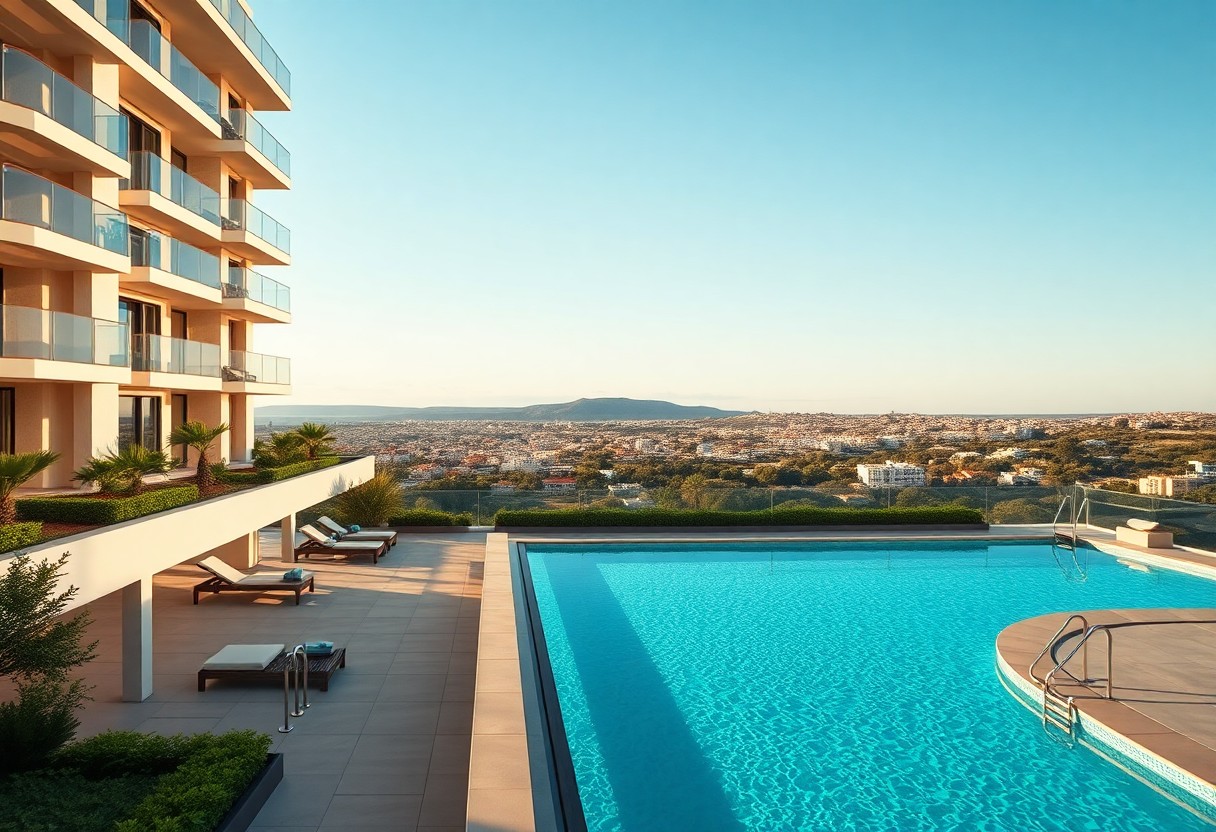
It's evident that Malta is experiencing a significant transformation, marked by rising rental costs and the increasing popularity of luxury amenities like rooftop pools. As the demand for housing escalates, localized economic trends reveal a shift in lifestyle preferences, particularly among expats and affluent locals. This blog post examines into the implications of these changes, examining how they affect both residents and the broader real estate market in this picturesque Mediterranean destination.
The Economic Landscape of Malta's Housing Market
Shifts in Supply and Demand
The current housing market in Malta is experiencing significant shifts in supply and demand dynamics. As population growth outpaces new housing developments, rental prices are surging. Increased interest from expatriates and locals seeking urban living has created a competitive environment, further straining the already limited stock. In certain areas, demand has led to bidding wars, resulting in steep rent increases that have left many residents struggling to find affordable options.
The Impact of Foreign Investment
Foreign investment has drastically transformed Malta's housing market, fundamentally altering its landscape. With numerous tax incentives and appealing citizenship programs, foreign buyers are flocking to the island, driving up property prices and affecting local affordability. High-net-worth individuals particularly target luxury properties, creating a gap between the local and expatriate market.





















For instance, between 2020 and 2023, foreign ownership accounted for approximately 19% of the total residential property transactions, a marked increase that has reshaped the housing dynamics. Developments designed for high-end living, such as those featuring rooftop pools and exclusive amenities, cater to this influx. This surge in luxury projects often sidelines affordable housing initiatives, causing concern among local residents who fear being priced out of their neighborhoods. The distinction between local and foreign investment continues to grow, with the latter often taking precedence over the needs of the local populace.
The Influence of Tourism on Rental Prices
The Rise of Short-Term Rentals
Short-term rentals have surged in popularity throughout Malta, largely driven by platforms like Airbnb and Booking.com. As tourists seek authentic local experiences, many property owners have capitalized on this trend, converting long-term rentals into lucrative short-term accommodations. This shift not only boosts profits for landlords but also pressures the traditional rental market, as long-term options become increasingly scarce.
Seasonal Demand and Price Volatility
Seasonal fluctuations in tourist numbers significantly impact rental prices across Malta. Summer months attract a high volume of visitors, resulting in a spike in demand for rentals that can often drive prices up by 30% or more compared to the off-peak season. The growing reliance on seasonal tourism creates a rollercoaster effect, where landlords are compelled to adjust rates frequently to maximize income during peak periods.
In mid-summer, the island's rental market experiences its highest peak, as families flock to Malta's beaches and nightlife. Conversely, from late autumn to early spring, demand drops significantly, leading to price reductions that can make rental options more affordable for locals. This volatility creates an unstable housing market, making it challenging for residents to secure long-term leases at reasonable rates while encouraging property owners to prioritize short-term conversions that promise better returns during high season.
The Allure of Luxury Living: Rooftop Pools
Why Rooftop Pools Are a Selling Point
Rooftop pools have emerged as a highly sought-after feature in Malta's luxury apartments, providing not just a refreshing escape but also stunning panoramic views of the Mediterranean. These serene havens serve as an attractive spot for social gatherings, allowing residents to unwind while soaking up the sun. A well-designed rooftop pool can elevate a property's appeal, showcasing an exclusive lifestyle that entices prospective tenants looking for more than just a standard living space.
The Role of Amenities in Pricing
Amenities play a pivotal role in determining rental prices in Malta's competitive housing market. Properties boasting upscale features like rooftop pools, fitness centers, and concierge services often command higher rents. For instance, apartments in St. Julian's with access to a rooftop pool can see price boosts of 20% or more compared to similar units lacking such features. This trend reflects a growing demand for luxury living options as residents prioritize comfort and leisure in their daily lives.
As amenities become integral to the rental equation, developers and landlords are increasingly investing in high-quality facilities to remain competitive. The allure of luxury living, coupled with the picturesque backdrop of Malta, means that tenants are not just paying for space but an enhanced lifestyle. Properties with rooftop pools represent a blend of leisure and exclusivity, driving up their market value and giving landlords leverage in negotiations. The more appealing the amenities, the higher the potential rental income, making them a sound investment for property owners.
Broader Implications of Rent Hikes
Displacement of Local Residents
The surge in rental rates has begun to displace long-standing residents, forcing many to consider relocating to more affordable regions. Families who have called Malta home for generations find themselves grappling with the harsh reality of inflated rents that exceed their budgets. With prices rapidly escalating, local communities are at risk of losing their cultural identity as new, affluent tenants replace traditional constituents.
The Effects on the Local Economy
Rising rents are not only a burden for residents but also significantly impact the local economy. As housing costs consume more of disposable income, spending on local businesses shrinks, leading to reduced economic activity in shops, restaurants, and services. This shift can create a ripple effect, causing small businesses to struggle or even close, thereby limiting job opportunities for residents.
In detail, the ramifications are evident: less disposable income results in decreased consumer spending, directly affecting local commerce. When families divert their budgets toward exorbitant rent, discretionary spending on non-crucial goods and services declines. For instance, a report from the National Statistics Office of Malta reveals that retail and service sectors have seen a downturn in growth as residents tighten their belts. Consequently, businesses may scale back operations or implement layoffs, which only exacerbates the cycle of economic stagnation. This phenomenon highlights the interconnectedness of housing costs and the vitality of Malta's local economy, underscoring a critical need for sustainable solutions that balance real estate development with the welfare of current residents.
Government Policies and Regulations
Rent Control Measures
Rent control measures in Malta aim to protect tenants from excessive rent increases, especially in high-demand areas. The government has implemented various regulations that restrict how much landlords can increase rents annually, often pegged to inflation rates or set percentages. This framework serves as a financial buffer for renters while maintaining a balance in the housing market, but it also comes with challenges that can discourage property investment and development.
The Role of Housing Authorities
Housing authorities play a pivotal role in regulating the rental market in Malta. They are instrumental in implementing government policies, managing public housing projects, and overseeing housing standards. Their responsibilities extend to conducting market analyses to inform policy adjustments, ensuring adequate affordable housing stock, and facilitating tenant-landlord dispute resolutions.
The effectiveness of housing authorities can directly impact the rental landscape. For example, the Malta Housing Authority has launched several initiatives aimed at increasing the availability of affordable housing, while also enforcing regulations on rental practices. They provide critical support services, such as housing inspections and financial assistance programs for low-income families. Additionally, their ongoing dialogue with both renters and landlords is imperative for fostering cooperation and understanding in a rapidly evolving real estate market.
Neighborhood-by-Neighborhood Analysis
Hot Markets vs. Emerging Areas
Current hot markets like Valletta and St. Julian's continue to attract foreign buyers and renters, driving prices sky-high. In contrast, emerging areas such as Birkirkara and Marsaskala are slowly gaining traction, offering a more affordable alternative with unique local charm. Here, rising demand is prompting significant development, transforming these neighborhoods into desirable locales as the new wave of residents looks for competitive rates without sacrificing quality of life.
The Gentrification Effect
Gentrification is redefining the fabric of many neighborhoods across Malta, contributing to rising living costs and altered community dynamics. As new businesses emerge and infrastructure improves, long-time residents are pushed out, creating a demographic shift that often overlooks traditional Maltese culture.
The transformation characterizing Malta's gentrifying neighborhoods is evident in the influx of upscale cafes, boutiques, and luxury apartment complexes. For instance, St. Paul's Bay has seen an explosion of modern developments catering to affluent newcomers, while housing prices surged by nearly 15% over the past year. This economic shift benefits certain segments but raises concerns about the loss of community identity, as original residents grapple with the reality of being priced out of their own neighborhoods. The contrast between the nostalgic past and the burgeoning future raises questions about social equity and long-term sustainability.
Tenants' Rights in Malta
Understanding Rent Agreements
Rent agreements in Malta outline the obligations and rights of both tenants and landlords. These contracts typically specify the duration of the lease, rental price, maintenance responsibilities, and any permissible alterations to the property. Knowing the terms of the agreement helps tenants navigate situations regarding renewals and terminations; many leases are initially set for one year but can be extended or renewed under mutual agreement. Clear understanding protects tenants from potential disputes or unfair practices.
Resources for Dispute Resolution
Malta offers several avenues for tenants seeking resolution in disputes with landlords. The Housing Authority provides guidelines and mediation services to help resolve issues amicably before escalating to legal action. Additionally, the Consumer Affairs Commission is a resource for information on tenants' rights and can assist in cases of unfair trade practices. Local NGOs dedicated to housing rights may also provide support and advocacy suited to tenant needs.
For those looking to resolve landlord-tenant disputes, multiple community resources are available. Organizations like the Malta Chamber of Commerce can mediate between parties, ensuring tenants have a voice and receive fair treatment. Furthermore, legal aid services exist for tenants who may require more formal representation. Initiatives such as workshops and informational sessions on tenant rights also empower residents with knowledge about their legal protections against unfair practices, equipping them to assert their rights effectively within Malta's evolving rental market.
Real Estate Trends: What Lies Ahead
Predictions for Future Rental Prices
The trajectory of rental prices in Malta appears poised for further increases in the coming years. Economic forecasts suggest a continued influx of foreign residents and investors, and with limited housing supply, demand is expected to outpace availability. Currently, rental prices have surged approximately 30% over the past five years, and industry analysts predict an additional rise of 10-15% within the next two years, especially within urban centers and coastal areas.
The Role of Infrastructure Development
Infrastructure development plays a pivotal role in shaping Malta's rental landscape, impacting both accessibility and property value. Enhancements in public transport, road networks, and necessary services attract more residents and investors, driving up demand for rental properties. As the government commits to several major infrastructure projects, including expansions to roads and the introduction of more efficient public transportation systems, regions that were previously considered less desirable are quickly becoming attractive options for renters.
Ongoing projects like the Malta International Airport expansion and the new Metro system initiative are expected to boost connectivity across the islands significantly. This improved accessibility not only facilitates commute but also enhances the desirability of surrounding neighborhoods. Locations near these upcoming transport hubs will likely see sharp rent increases, as the convenience of commuting can become a deciding factor for potential tenants. Consequently, areas that once lagged may see revitalization, altering the rental dynamics in the Maltese real estate market.
The Culture Shift in Maltese Living
Changes in Lifestyle Due to Amenities
Modern Maltese living is increasingly shaped by the demand for luxury amenities. Rooftop pools, state-of-the-art gyms, and co-working spaces are no longer exclusive to high-end properties but are becoming standard expectations within residential developments. This shift towards high-end features has not only redefined living standards but has also appealed to a younger demographic of professionals seeking convenience and a quality lifestyle. As such, developers are racing to enhance their offerings, leading to a distinct blend of leisure and residential living.
Social Impacts of Luxury Housing Trends
The rising trend of luxury housing in Malta has reverberating social effects, including stratification among different income groups. As upscale developments proliferate, they often push local residents out of the market, leading to a glaring divide in the population. Luxury amenities attract international investors and wealthy expatriates, contributing to a pricing boom that far exceeds local wages. Consequently, access to affordable housing diminishes, compelling many long-time Maltese inhabitants to reconsider their living situations.
As luxury apartments and amenities capture the market's attention, local communities face the brunt of these changes. The influx of affluent residents not only disrupts housing availability but also alters the cultural landscape. Traditional neighborhoods experience a shift in character, with local shops and services giving way to upscale retailers catering to new clientele. This situation raises concerns about cultural dilution: as Maltese heritage intertwines with foreign influences, long-standing traditions and local businesses struggle to maintain their identities amid rapid development. The blend of cultures can enrich the community, yet it also begs the question of who truly belongs in a transforming Malta.
The Role of Real Estate Agents in the Current Market
Navigating a Competitive Environment
Real estate agents are pivotal in helping buyers and renters navigate the intensified competition in today's market. With demand consistently outstripping supply, agents employ up-to-the-minute data and keen insights to guide their clients through an often overwhelming landscape. They understand local trends, market fluctuations, and have access to listings that may not hit the public domain immediately, providing a crucial advantage in securing a desired property.
Strategies for Buyers and Renters
For both buyers and renters looking to secure a home in Malta's rapidly evolving landscape, leveraging real estate agents for tailored strategies makes a significant difference. Agents often recommend approaches such as acting swiftly on new listings and being prepared to make competitive offers from the outset, ensuring clients don't miss out. Establishing clear communication, setting realistic budgets, and being clear on preferences also play vital roles in enhancing chances of success in this tough environment.
Utilizing a well-informed agent not only helps in identifying suitable properties but also in negotiating terms that align with your interests while remaining competitive. For instance, having a pre-approved mortgage can strengthen a buyer's position, making them more appealing to sellers. Additionally, being flexible with move-in dates or considering less conventional neighborhoods can expand options significantly. Networking and scouting community insights through an agent can uncover hidden gems that may otherwise go unnoticed in a bustling market.
How to Find the Best Renting Deals
Tips for Negotiating Rent
Approaching your landlord for a rent adjustment can be daunting, but being well-prepared can yield excellent results. Start by researching the average rental prices in your desired area and gather data on comparable properties. Additionally, showing a history of timely payments and maintaining good communication can bolster your position. If you're willing to sign a longer lease, that can provide leverage, too.
- Research local rental prices.
- Demonstrate your reliability as a tenant.
- Consider offering to extend your lease term.
- Be open to minor repairs or improvements.
- Prepare to walk away if negotiations stall.
This sets the stage for a more productive discussion with the landlord.
Utilizing Online Platforms Effectively
Digital platforms have transformed the rental landscape in Malta, offering a wealth of options and information. Websites like Malta Property and Aqar are crucial for browsing listings. Leverage filters for price, location, and amenities, and don't hesitate to sign up for alerts on new listings, as the market moves quickly. Social media groups dedicated to Maltese rentals can also uncover hidden gems that traditional platforms might miss.
The Financial Burden of Renting
Budgeting for Increased Living Costs
As rental prices soar, meticulous budgeting has become necessary for potential tenants in Malta. Many are finding that their monthly expenses stretch beyond basic rent, necessitating a reevaluation of personal finances. Allocating a percentage of their income for housing costs, typically around 30%, becomes challenging amidst ongoing price hikes. With utilities, internet, and groceries also seeing price increases, renters must create a comprehensive budget that accounts for all living expenses to avoid financial strain.
Hidden Costs of Luxury Amenities
While properties boasting amenities such as rooftop pools and gyms are enticing, they often come with unforeseen costs. Monthly maintenance fees can significantly add to the regular rent, sometimes exceeding €100, not to mention potential increases in utility bills due to larger communal spaces. Evaluating the true cost of these luxurious features is necessary for renters seeking to balance comfort with their financial realities.
Luxe amenities might initially attract prospective tenants, yet the associated expenses can quickly overshadow their allure. For instance, a rooftop pool may require higher water and maintenance costs, while gym facilities necessitate upkeep that landlords may pass onto residents. Additionally, communal spaces could lead to increased utility bills, particularly in peak summer months. Tenants should scrutinize their rental agreements and conduct thorough market comparisons to ensure they understand the full financial impact before committing to a property that promises leisure but delivers heavy costs.
Resident Voices: Personal Stories of Change
Impact of Rent Hikes on Families
Families throughout Malta are grappling with unprecedented rent increases, with some reporting hikes of up to 30% in just a year. This surge disproportionately affects those on fixed incomes or lower wages, forcing many families to consider downsizing or even relocating to less desirable areas. As housing affordability continues to plummet, stories of neighbors moving away to find affordable housing have become all too common, leaving communities fractured and struggling.
Experiences with Rooftop Pool Living
The allure of rooftop pool amenities in new developments has transformed the living experience for many residents. While these pools promise luxury and a sense of community, they often come at a steep price—the additional costs typically get passed onto tenants in the form of rent increases. Some residents enjoy the daily retreat and social opportunities that these spaces provide, while others express frustration at the commercialization of what was once a more accessible lifestyle.
For those living in buildings with rooftop pools, the experience often oscillates between delight and discontent. Families relish the chance to host weekend barbecues or enjoy sunset views over the Mediterranean, creating cherished memories with friends and neighbors. However, the exclusive nature of some rooftop amenities can lead to feelings of exclusion among lower-income residents, who may feel they are priced out even of communal spaces. The debate continues as to whether these luxury features genuinely enhance living conditions or simply serve to gentrify neighborhoods, highlighting the tension between modern convenience and affordability in the evolving Maltese landscape.
Final Words
To wrap up, the increase in rent prices alongside the rise of luxury amenities like rooftop pools is reshaping Malta's rental market. As demand for high-end living spaces grows, it is vital for stakeholders—including renters, property developers, and policymakers—to navigate these shifts carefully. Understanding the implications of these trends will be key to ensuring that Malta remains an attractive destination without sacrificing housing affordability. Staying informed and engaged in these developments will help foster a balanced growth that benefits all residents.
FAQs
Why are rental prices in Malta increasing so rapidly?
Rental prices are rising due to a combination of limited housing supply, high demand from expats and tourists, and increased foreign investment.
How has foreign investment affected Malta’s housing market?
Foreign investment, especially from high-net-worth individuals, has pushed property prices up and shifted focus toward luxury developments, reducing affordable housing options.
What role does tourism play in Malta’s rental market?
Tourism boosts short-term rentals, particularly in summer, driving up prices and limiting availability for long-term local tenants.
Why are rooftop pools so popular in Malta’s new apartments?
Rooftop pools offer luxury, panoramic views, and social appeal, significantly increasing property value and attracting affluent tenants.
How do seasonal trends affect rent prices in Malta?
During summer, rent can spike by 30% due to tourist demand, while prices drop in the off-season, creating volatility in the market.
What are the consequences of rising rents for local residents?
Many locals are being priced out of central areas, leading to displacement, loss of community, and reduced spending in the local economy.
What regulations exist to control rent increases in Malta?
Malta has rent control measures that limit annual rent hikes, often linked to inflation, to protect tenants from excessive increases.
How can tenants in Malta resolve disputes with landlords?
Tenants can seek help from the Housing Authority, Consumer Affairs Commission, NGOs, or legal aid services for dispute resolution.
Which areas in Malta are becoming new rental hotspots?
While Valletta and St. Julian's remain high-end markets, areas like Birkirkara and Marsaskala are emerging as affordable and desirable alternatives.
What future trends are expected in Malta’s rental market?
Rental prices are forecasted to rise further due to continued foreign demand and new infrastructure projects boosting accessibility and desirability.

Anna Amstill
I am an avid Blogger and Writer with more than 6 years of experience with Content Writing. An Online Marketing expert specializing in Blog writing, Article writing, Website content, SEO specific Keyword content and much more. Education B.A. - business management, York University, Canada, Graduated 2016.
Related Posts
Malta luxury travel demand rises
April 11, 2026

Spring travel trends favor Malta
April 10, 2026

Malta welcomes older travellers
April 9, 2026
Malta’s heritage in spring
April 8, 2026
Malta spring tourism campaigns
April 7, 2026
Spring travel lifts Malta operators
April 6, 2026

Spring culture fuels Malta tourism
April 4, 2026
Airbnb demand rises in Malta spring
April 3, 2026

Spring tourism drives Malta’s rentals
April 2, 2026