

Risks of Unregulated Online Payment Platforms
Compliance note: “Unregulated” should be used carefully and supported by the applicable register, licence conditions or regulator statement. This article examines risk indicators and does not allege wrongdoing by any named provider; it is general information, not legal advice.
For authoritative standards, consult the FATF AML guidance and the European Banking Authority. Our financial-integrity analysis provides related context.
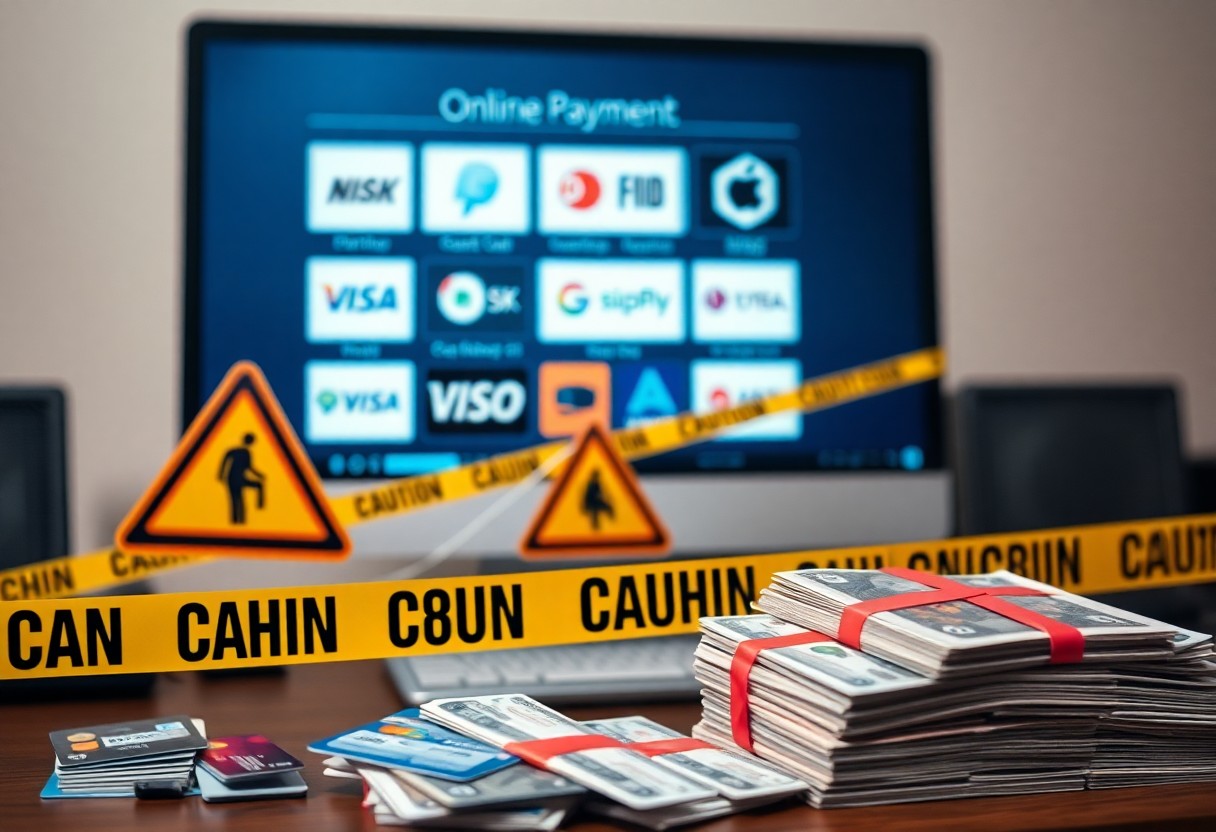
Risks of unregulated online payment platforms
The risk assessment should cover licensing, safeguarding, KYC, transaction monitoring, sanctions, complaints and redress.










Over the past few years, the rise of unregulated online payment platforms has transformed how you conduct transactions. While these platforms offer convenience and speed, they also come with significant risks that can jeopardize your financial security. In this blog post, you will explore the various dangers associated with using unregulated payment methods, including potential fraud, lack of consumer protection, and data breaches. By understanding these risks, you can make more informed decisions about how to manage your online transactions and protect your personal information.
Overview of Online Payment Platforms
Definition of Online Payment Platforms
Payment platforms serve as a means for consumers and businesses to conduct transactions digitally. They facilitate the transfer of money from one party to another through various methods, such as credit cards, bank transfers, and digital wallets, all of which can be processed in real-time. These platforms can be standalone applications or integrated into broader e-commerce solutions, enabling you to make purchases, send money, or receive payments seamlessly and conveniently. By utilizing these platforms, you no longer need to rely exclusively on traditional banking methods that often involve delays and additional fees.
Moreover, online payment platforms come with many features that aim to enhance user experience and security. Some of these may include encryption technologies, fraud detection mechanisms, and user-friendly interfaces which ensure that your personal and financial information remains protected during transactions. Given the increasing reliance on digital payments, understanding what these platforms offer, along with their potential vulnerabilities, is critical for you as a consumer.
Evolution of Payment Technologies
Platforms have undergone significant changes over the years, evolving from simple cash and check transactions to sophisticated digital payment systems. The adoption of internet technology has shifted the way you engage in commerce, paving the way for innovations such as mobile payment solutions and cryptocurrency transactions. As smartphones and internet access have become more ubiquitous, your ability to conduct transactions electronically has dramatically increased, offering greater flexibility and efficiency. Today, you can interact with multiple payment platforms that cater to your specific needs, whether that involves making purchases, receiving payments, or transferring funds.
Indeed, this evolution has not just changed the way you access payment methods, it has also influenced the landscape of how businesses operate. Small and medium enterprises now have the opportunity to reach global markets thanks to online payment systems that allow for international transactions without the hurdles traditionally associated with cross-border commerce. As payment technologies progress, you must stay informed about the risks and benefits associated with various platforms to make informed decisions.
Market Trends and Proliferation
At the current moment, you are witnessing an explosion of online payment platforms in the market, driven by a combination of technological advancements and changing consumer preferences. The surge in e-commerce has brought about an increased demand for efficient payment solutions that can accommodate a diverse range of transactions. Companies are constantly innovating to provide features that allure customers, such as promotions, loyalty programs, and enhanced security measures. These trends indicate that online payment platforms are more than just transactional tools; they are becoming integral to how you engage in commerce.
As a user, it is vital that you understand these market dynamics and how they might impact your choices. With so many options available, the proliferation of platforms can lead to confusion about which one to trust. Additionally, the competition among providers often leads to better services, but it can also result in risks if you do not thoroughly evaluate the reliability and security of the platforms you choose. Staying informed about these evolving trends equips you to navigate the online payment landscape more effectively.
A key factor in the proliferation of online payment platforms is the rise of FinTech companies, which have disrupted traditional banking systems by offering highly specialized services that cater to your needs as a consumer. From instant money transfers to seamless online checkouts, these companies have transformed the way transactions are processed, giving you more choices than ever before. However, this rapid expansion also comes with challenges, as unregulated platforms may compromise your security. It is imperative for you to conduct adequate research and assess the reputation of any payment platform before entrusting it with your financial transactions.
Types of Risks Associated with Unregulated Online Payment Platforms
Once again, it is important to investigate into the multifaceted risks tied to unregulated online payment platforms. These risks can significantly impact you and your financial dealings if you are not adequately informed. Below, we outline various types of risks you may encounter:
| Type of Risk | Description |
|---|---|
| Financial Risks | Potential losses due to fraud or mismanagement. |
| Data Security Risks | Chances of sensitive information being stolen or compromised. |
| Operational Risks | Issues caused by system failures or inefficient processes. |
| Regulatory Risks | Consequences of operating outside legal frameworks. |
| Reputation Risks | Damage to personal or business reputation from negative experiences. |
Financial Risks
One of the primary dangers associated with unregulated online payment platforms is the financial risks they present. Due to the lack of oversight, you may find yourself vulnerable to fraudulent activities that can lead to significant losses. Without regulatory guidelines, these platforms often lack sufficient measures to protect your funds effectively. Many users have reported instances where their accounts were drained, yet the platforms provided little to no recourse for reclaiming lost assets.
Furthermore, the absence of stringent regulations may lead to mismanagement of funds within these services. Poor financial practices may mean that your deposits are not well-guarded, and you could lose your money without any means of recovery. Evaluating the financial health of an unregulated platform is nearly impossible, leaving you at significant risk.
Data Security Risks
Financial risks are not the only concern when it comes to unregulated payment platforms; data security risks also pose a grave threat. These platforms may lack the robust security measures necessary to protect your sensitive information, such as credit card numbers and personal identification. The absence of regular audits and compliance checks can make these platforms attractive targets for cybercriminals seeking to access your data.
Furthermore, the risk of data breaches grows as you engage with unregulated platforms. If your information falls into the wrong hands, it can lead to identity theft, unauthorized transactions, and other severe consequences. As a user, you must be aware that the safeguards you would typically expect from regulated entities may be non-existent in these environments.
And while encryption and security protocols may be touted by some unregulated platforms, it is vital to analyze their effectiveness better. Many platforms do not prioritize security updates, leaving known vulnerabilities open for exploitation. Thus, your private data could be collected and sold without your consent, further emphasizing the risks involved.
Operational Risks
Alongside financial and data security threats, operational risks play a significant role in the challenges of unregulated online payment platforms. Operation inadequacies can arise from lack of systems in place to handle disputes and technical glitches. Poorly designed user interfaces might lead to transaction errors that could cost you time and money, causing uncertainty in your financial planning.
Moreover, operational risks can extend to service outages and customer support challenges. Without proper oversight, there are no guarantees that the platform will remain operational when you need to access your funds quickly or require assistance. Such scenarios can be inconvenient and financially draining, as you might find yourself unable to execute transactions when required.
Privacy concerns are also intertwined with operational risks. You may not be fully informed about how your data is being processed or utilized by these unregulated platforms. This can leave you vulnerable to interception and misuse of your personal information, highlighting the interconnectedness of operational inefficiencies and data protection shortcomings.
The Need for Regulation
If you have ever used an online payment platform, you may have considered the level of risk involved in completing transactions without adequate oversight. The digital financial landscape is expansive, yet the lack of regulation can expose you to potential pitfalls that threaten your financial security. It is vital to understand why regulation in this arena is necessary for protecting consumers like you from fraudulent practices and ensuring the integrity of the payment process.
Importance of Consumer Protection
Around the world, consumers rely on payment platforms for everyday transactions. However, when these platforms operate without regulatory oversight, risks increase, including the potential for data breaches, fraud, and loss of personal information. Consumer protection regulations serve to safeguard your financial interests, ensuring that payment processors adhere to specific standards that prevent unauthorized transactions and protect sensitive data from cybercriminals.
By implementing rules and guidelines, regulatory bodies can help create a safer environment for digital transactions, giving you confidence that your funds and personal details are secure. This peace of mind is important, especially considering how much you may rely on online platforms for purchases, bill payments, and other crucial financial activities.
Trust and Reputation in Financial Transactions
After using an online payment platform, you likely assess whether you would use it again based on your experience and the trust it engendered. The reputation of a payment platform can greatly influence your willingness to engage with it, and unregulated platforms may not be held accountable for their actions. This lack of oversight can lead to inconsistent user experiences and unreliable services, eroding trust and causing hesitation in the user community.
Due to the unpredictability of unregulated platforms, your decision-making surrounding financial transactions becomes more complicated. You need to weigh the risks of using a platform that could experience sudden failures or security breaches against the convenience it offers. As a user, knowing that a platform operates under regulatory guidelines can help assure you that it will adhere to best practices and maintain high standards for performance and security.
Legal Implications of Unregulated Platforms
Financial repercussions of using unregulated online payment platforms can extend far beyond immediate losses. If you find yourself a victim of fraud or experience instability within the platform, you may have limited recourse to recover your funds or seek justice. The absence of regulatory oversight means that there may not be sufficient legal frameworks in place to protect you, leaving you vulnerable and possibly hampering the chances of successful resolution.
But it is not just individual consumers like you who are affected; unregulated payment platforms can also have far-reaching impacts on businesses and the overall economy. When these platforms operate without accountability, it can distort fair competition and encourage illicit activities, making it vital for regulators to step in and establish standards that promote transparency and ethical practices in the financial sector.
Case Studies of Online Payment Failures
Unlike traditional financial institutions, unregulated online payment platforms often lack the oversight that ensures consumer protection. This absence of regulation can lead to catastrophic failures, costing users millions. Below are some alarming case studies that exemplify the risks involved:
- Payza (2018) – This online payment platform was shut down by the U.S. Department of Justice. It faced accusations of facilitating money laundering, resulting in users losing around $26 million in frozen funds.
- BitPay (2019) – A security breach led to user data being compromised. Though it didn't directly impact funds, it eroded user trust significantly and prompted many to withdraw over $9 million in Bitcoin.
- RevolutionCoin (2020) – This platform reported a data breach affecting over 1 million users, with losses estimated at $50 million, mainly attributed to unauthorized transactions.
- Wirecard (2020) – Once valued at $24 billion, Wirecard collapsed after it was revealed that €1.9 billion was missing from its accounts, leading to significant losses for users and investors.
- Venmo (2021) – Although popular, a number of scams resulted in users losing $40 million collectively due to unauthorized payment requests and lack of consumer protection.
High-Profile Fraud Cases
Any payment platform can be vulnerable to fraud, but unregulated services are particularly at risk. High-profile fraud cases have involved scams that prey on unsuspecting consumers, often compromising their personal data and financial security. In many instances, users who fell victim to these scams had no recourse for recovery, facing lengthy processes to claim their lost funds.
It’s vital that you stay vigilant when using online payment platforms. Educating yourself on typical fraud scenarios and understanding the measures necessary for safeguarding your financial information can significantly mitigate the potential risks.
Security Breaches and Their Impacts
An increasing number of online payment platforms have reported security breaches that expose user data and funds. The repercussions of these breaches often extend beyond mere financial losses, leading to long-term damage to trust and reputational harm for the platforms themselves. When a breach occurs, not only do you risk losing your personal information, but you may also face complications in regaining access to your accounts or retrieving unauthorized transactions.
In one alarming case, a security breach affected millions of users' accounts, exposing credit card information and personal details. The affected platform had to invest millions in compensation and enhancements to their security infrastructure to regain user trust and ensure compliance with data protection regulations.
Payment breaches can lead to identity theft and extensive financial repercussions. Often, the fallout from such events is a mix of direct losses from unauthorized transactions and indirect costs linked to remediation, customer service, and potential legal actions.
Unregulated Platforms vs. Regulated Platforms: A Comparative Analysis
Cases of platform failures highlight a stark contrast between regulated and unregulated systems. The following table illustrates the differences in risk management, consumer protection, and overall reliability:
| Feature | Unregulated Platforms |
| Risk Management | Minimal oversight, allowing risky practices |
| Consumer Protection | Limited recourse for users in case of fraud or loss |
| Compliance with Laws | Often ignore or circumvent regulations |
| Trustworthiness | Lower user confidence due to frequent failures |
Impacts from dealing with unregulated platforms can be severe. Many users have found themselves without support or refunds after fraudulent activities, leading to a growing concern regarding their financial safety when interacting with these platforms. In contrast, regulated platforms often have systems in place to monitor transactions, ensuring that your experience is not only secure but also backed by robust consumer protections.
By opting for regulated platforms, you can help safeguard your financial interests and enjoy greater peace of mind when making online transactions. The structural safeguards offered by these platforms exemplify the importance of making informed choices, significantly reducing your risk exposure.
Regulatory Frameworks Across Different Regions
Despite the proliferation of online payment platforms, there exists a notable disparity in the regulatory frameworks that govern these services across different regions. Each jurisdiction has tailored its approach to tackle the unique challenges posed by digital transactions, often resulting in varying degrees of oversight and consumer protection. As you navigate this landscape, understanding the existing regulations can empower you to make safer decisions when using online payment platforms.
Overview of Existing Regulations
Different countries have established a range of regulatory measures intended to address issues such as fraud, data protection, and money laundering within the online payment space. In some regions, regulations may be rigorous, requiring payment service providers to obtain licenses, undergo audits, and comply with strict data privacy laws. In contrast, other regions might adopt a more laissez-faire approach, allowing for quick market entry but potentially exposing users to greater risks.
Comparative Regulatory Approaches (Europe, U.S., Asia)
| Region | Key Regulations |
| Europe | General Data Protection Regulation (GDPR), Revised Payment Services Directive (PSD2) |
| United States | Dodd-Frank Act, Money Transmitter Laws |
| Asia | Varies widely; regulatory frameworks often lack uniformity |
At the core of these frameworks, you will find that Europe's stringent regulations prioritize user data protection and transparency in payment services, notably through the GDPR and PSD2. In the U.S., regulations are more fragmented, with individual states enforcing their own laws alongside federal guidelines. Meanwhile, Asia presents a complex landscape where regulations can differ immensely from one country to another, complicating compliance for regional and international platforms.
Recommendations for a Global Harmonized Framework
The need for a cohesive regulatory framework grows increasingly evident as your reliance on online payment systems increases. A harmonized global approach could facilitate smoother transactions across borders while providing consumers with robust protections regardless of their location. This framework could include standardized guidelines for risk management, consumer privacy, and effective dispute resolution mechanisms.
Existing frameworks in various regions highlight significant gaps and inconsistencies that could be addressed through global collaboration. By initiating dialogues among regulatory bodies, technology providers, and financial institutions, you can contribute to the formulation of cohesive standards that promote safety and trust in online transactions.
User Awareness and Education
For anyone engaging in online transactions, understanding the landscape of payment platforms is imperative to protect yourself against potential pitfalls. As users increasingly turn to digital payments, it’s critical that you are equipped with the knowledge to discern which platforms are safe and reliable. Unregulated online payment platforms can present numerous risks, including financial fraud, identity theft, and exposure to untrustworthy vendors. Being educated on this subject can help you make informed decisions that prioritize your security and financial wellbeing.
Recognizing Legitimate vs. Unregulated Platforms
Before you commit to using any online payment platform, it’s vital to differentiate between legitimate services and those that operate without sufficient oversight. Legitimate platforms typically comply with governing regulations, offer clear customer support, and are transparent about their terms of service. They also invest in robust security measures to protect your personal and financial information. On the other hand, unregulated platforms may lack these imperative features, putting you at a higher risk of unsatisfactory transaction outcomes.
Before using any service, conduct thorough research to check for user reviews and ratings, and look for information about their licensing and regulatory compliance. Ensuring that the platform has a strong online presence and positive feedback from other users can help you gauge its legitimacy and reliability.
Best Practices for Safe Online Transactions
With the increase in online payment options, practicing safe transaction methods is vital for your protection. Always prioritize using payment platforms that offer robust fraud protection policies and trackable transaction capabilities. Enabling two-factor authentication on your accounts can add another layer of security, making it more difficult for unauthorized users to access your information. Additionally, be cautious when sharing sensitive information, and ensure that any website you use for transactions is secure, signaled by ‘https://’ in the URL.
This approach not only enhances your security but also empowers you to enjoy the convenience of online transactions without compromising your personal information. Regularly reviewing your account statements for any unauthorized charges can also be an effective habit to detect potential issues early on.
Role of Consumer Advocacy Groups
At times, navigating the online payment landscape can feel overwhelming. Consumer advocacy groups play an important role in educating users about the risks associated with unregulated platforms. These organizations often provide resources and information to help you understand your rights as a consumer and the steps you can take to safeguard your information. They can also advocate for necessary regulations that protect users from harmful practices within the online payment industry.
At the same time, these groups often conduct research and publish reports on the effectiveness of various online payment platforms. This information can be invaluable for you when choosing which services to use, as it highlights potential red flags and outlines best practices for securing your financial transactions.
It is imperative to stay informed about ongoing advocacy initiatives and utilize the resources these groups provide. They can serve as a helpful ally in your journey toward safer online transactions and contribute to a more transparent payment ecosystem.
Stakeholders in the Online Payment Ecosystem
Not every player in the online payment ecosystem operates with the same level of regulation and oversight. Understanding the various stakeholders involved can help you navigate the complexities of online transactions and identify the potential risks associated with unregulated platforms.
Payment Service Providers
By utilizing payment service providers (PSPs), you can facilitate transactions between customers and businesses. These intermediaries are responsible for processing electronic payments through various methods, including credit card transactions, bank transfers, and digital wallets. However, the level of regulation these providers adhere to varies, which can expose you to potential financial risks if you don’t choose wisely.
When interacting with unregulated PSPs, it’s crucial to be aware of the lack of consumer protections and the potential for fraud. You could find yourself facing issues such as transaction disputes or unauthorized payments without any support or recourse if the PSP does not adhere to established industry standards. Hence, a careful assessment of the PSP’s reputation and compliance status is vital for your security.
Merchants and Businesses
One of the primary stakeholders in the online payment ecosystem is the merchants and businesses that offer goods and services. When you choose to shop online, you inevitably entrust your payment information to these entities. Merchants benefit from quick payment processing and a broader customer base, but when they choose unregulated payment platforms, you risk exposing your sensitive information to potential data breaches.
Ecosystem dynamics mean that merchants have a responsibility to protect your information while also making sure their payment systems are secure and reliable. When they opt for unregulated or less-secure payment options, they not only compromise their own business reputation but also put you at risk of fraud and data loss. Comprehensive consumer protection policies should be prioritized to create a safer online shopping experience.
Government and Regulatory Bodies
One of the key entities in the online payment ecosystem is the government and regulatory bodies, which define the legal frameworks within which payment service providers and businesses must operate. These organizations are responsible for implementing guidelines to ensure consumer protection, data privacy, and fraud prevention. While regulations vary by region and country, their influence shapes the way online transactions are conducted and how companies approach security measures.
Payment regulations can significantly impact your online shopping experience. Strong oversight can reduce the potential for fraud, ensuring your transactions are secure and that recourse is available in cases of disputes. When governments implement strict compliance standards, they help maintain trust in the online payment ecosystem, enabling you to engage in transactions with confidence.
The Role of Technology in Current Online Payment Systems
Your understanding of online payment systems greatly benefits from exploring the technology that underpins them. These technologies not only streamline transactions but also introduce new layers of security, making the digital payment landscape dynamic and complex. As you explore into the various technological advancements, you will begin to see how they shape your experiences and interactions with online payment platforms, enhancing convenience while navigating potential risks.
Blockchain and Cryptocurrency
Role of blockchain technology within online payment systems is revolutionary, as it offers a decentralized platform for transactions. Unlike traditional payment systems that rely on intermediaries like banks, blockchain enables peer-to-peer transactions, reducing the risk of fraud and enhancing transparency. Cryptocurrencies, as a byproduct of this technology, have emerged as popular alternatives for digital transactions, allowing users to conduct transactions without geographical limitations. However, while these innovations offer benefits, the volatility of cryptocurrencies poses additional challenges, making it vital for you to weigh both the advantages and disadvantages before adopting these new payment methods.
Artificial Intelligence in Fraud Detection
Systems powered by Artificial Intelligence (AI) are becoming instrumental in identifying and preventing fraudulent activities. With advanced algorithms and machine learning capabilities, these systems can analyze massive sets of transaction data in real-time to detect suspicious patterns and behaviors. As you engage with online payment platforms, understanding how AI works behind the scenes can give you a sense of security, knowing that these systems actively protect your financial information from potential breaches.
With the capability to continuously learn from new data, AI systems not only improve their effectiveness over time but also adapt to ever-evolving fraud tactics. This adaptability ensures that your online transactions are monitored with the latest intelligence, minimizing your risk exposure. Additionally, as these technologies advance, you can expect a more seamless detection process that works harmoniously with your user experience.
Biometric Payment Technologies
On the frontier of online payment security, biometric technologies are redefining how transactions are authenticated. Using unique physical characteristics such as fingerprints, facial recognition, or even voice patterns, these technologies offer a convenient and secure alternative to traditional passwords. For you, this means that your payment process can become faster and more secure, reducing the likelihood of unauthorized access to your financial accounts.
Blockchain-based solutions are increasingly integrating biometric authentication to bolster transaction security. By linking your physical characteristics to blockchain identifiers, you create a virtually foolproof method of confirming your identity during an online payment, which can significantly lower the risk of fraud. Embracing these advancements not only protects your sensitive information but also enhances your overall online payment experience.
Emerging Trends in Online Payments
All signs point to a significant evolution happening in the online payment landscape, driven by advancements in technology and changing consumer preferences. The rise of digital wallets, instant transaction capabilities, and blockchain technology is reshaping how you conduct financial transactions. As you navigate this realm, it's crucial to stay informed about the trends that can impact your online transactions and the associated risks that they may entail.
Mobile Payment Platforms
Emerging mobile payment platforms are gaining traction among consumers who value convenience and efficiency in their financial dealings. With just a few taps on your smartphone, you can make payments, transfer money, and manage your finances without the need for physical cash or traditional banking methods. This ease of use has made mobile payments increasingly popular, especially among younger generations who prioritize seamless digital experiences.
As your reliance on mobile payment systems grows, it brings both benefits and potential vulnerabilities. While these platforms simplify transactions, they also pose risks, such as data breaches and unauthorized access to your accounts. Therefore, it is imperative for you to safeguard your personal information and utilize robust security measures provided by these platforms.
Contactless Payment Solutions
After witnessing the rise of contactless payment solutions, you may find yourself gravitating towards the efficiency and speed they offer. By simply tapping your card or smartphone near a payment terminal, you can complete transactions in a matter of seconds. This method has become increasingly popular since the pandemic, as it minimizes physical contact and streamlines the checkout process.
A key advantage of contactless payments is their ability to enhance convenience while reducing the time it takes to complete a transaction. However, without proper security protocols, these systems can be susceptible to fraud. It is important for you to understand the mechanisms that protect these transactions, such as encryption and tokenization, to ensure your financial information remains secure.
Subscription and Recurring Payment Models
Payment models centered around subscription and recurring payments are transforming how you access services and products. From streaming platforms to subscription boxes, these models offer the convenience of automated payments, allowing you to enjoy products and services without the hassle of repeatedly entering your payment information. This trend has surged in popularity due to its simplistic approach to budgeting, making it easier for you to manage your finances.
This shift towards subscription models also comes with certain risks. As you commit to ongoing payments, it becomes crucial for you to keep track of your subscriptions and understand the cancellation policies should you wish to discontinue a service. Many platforms rely on transparency in their pricing structures, so you should always read the fine print to avoid unexpected charges.
The Impact of Unregulated Payment Platforms on E-commerce
After evaluating the current landscape of e-commerce, it becomes evident that unregulated online payment platforms pose significant risks and challenges that can influence the overall health of the e-commerce ecosystem.
Influence on Small Businesses
About 90% of the world’s business ecosystem is comprised of small and medium-sized enterprises (SMEs). Unfortunately, the lack of regulation in online payment platforms can be especially detrimental to these businesses. When payment systems are unregulated, they may charge exorbitant fees, which disproportionately affect your profit margins. As a small business owner, you need to be aware that these costs can add up quickly and pose a barrier to your growth and sustainability.
Furthermore, unregulated platforms can create an environment where fraud and chargebacks become more prevalent. This can lead to potential revenue loss and reputational harm, making it harder for you to build trust with your customers. Without the protective measures that come with regulatory oversight, your small business may struggle to compete effectively in the crowded e-commerce space.
Customer Behavior and Trust in Online Shopping
At a time when consumer trust is paramount, the presence of unregulated payment platforms can severely impact customers' perception of security in online shopping. Your customers are more cautious and wary of fraud, and the involvement of an unregulated payment processor can deter them from completing a purchase. This lack of trust can result in lower sales and heightened returns, forcing you to reassess your online strategy.
Shopping online has become synonymous with convenience, but when customers face uncertainty regarding their financial information, they may hesitate to engage. As a result, you may discover that investing in more recognized and regulated payment platforms becomes necessary to foster consumer confidence and encourage repeat business.
Market Competition and Innovation
Small businesses often thrive in competitive environments where innovation and adaptability can lead to unique value propositions. However, unregulated payment platforms can stifle this development by creating unfair advantages for larger businesses that can afford to absorb the various risks associated with these platforms. If you run a small business, this may put you at a competitive disadvantage, restricting your ability to innovate and efficiently serve your target market.
In the long run, when shopping experiences suffer due to inefficiencies or increased costs related to unregulated payment platforms, customer choice becomes limited, further harming market dynamism. For you as a small business owner, it's necessary to invest in regulated payment solutions that not only protect your interests but also bring added value to your customers.
Considering the importance of a fair competitive landscape, opting for regulated payment platforms can enhance your business's legitimacy. This is key to attracting not only new customers but also maintaining existing relationships, fostering an environment where innovation flourishes, and your business can thrive. By partnering with trustworthy solutions, you position your business to adapt and succeed in an ever-evolving digital marketplace.
Recommendations for Safeguarding Against Risks
Individual Responsibilities
To protect yourself while using unregulated online payment platforms, you should start by implementing strong passwords and enabling two-factor authentication wherever possible. These steps add layers of security to your accounts, making it more difficult for unauthorized users to gain access. Regularly updating your passwords and avoiding the use of the same password across multiple platforms are also vital practices that you should adopt.
Among the most important actions you can take is to remain vigilant about phishing attempts and suspicious links. Always verify the legitimacy of emails or messages requesting personal information before responding or clicking on any links. Regularly monitoring your account statements for unauthorized transactions will help ensure early detection of potential fraud, allowing you to take timely action to mitigate any damage.
Business Best Practices
With the rapid adoption of online payment platforms, businesses must prioritize the integration of robust security measures. You should conduct regular risk assessments to identify weaknesses within your payment processing systems. Ensure that you keep your software up-to-date and invest in security tools that protect against data breaches and fraud attempts.
Additionally, training your employees on cyber hygiene can significantly reduce the risk of security breaches stemming from human error. Encourage a culture of transparency where any suspicious activity is reported immediately. By maintaining open lines of communication about potential risks, you can better safeguard against them.
Consequently, your business can build a fortified online payment ecosystem, instilling confidence in your customers that their transactions are secure. Establishing clear data protection policies and performing regular audits will allow you to identify vulnerabilities, ensuring ongoing compliance with best practices in online payment security.
Policy Recommendations for Stakeholders
Best practices for safeguarding against risks also extend to stakeholders involved in the online payment ecosystem. You should advocate for better regulatory frameworks that govern unregulated payment platforms, ensuring that they adhere to minimum security standards. Engaging with policymakers and industry groups will help bring awareness to the importance of creating a secure online environment for all users.
Moreover, promoting transparency in transaction processes can significantly enhance trust between users and platforms. You should encourage stakeholders to provide readily accessible information on fraud protection measures and dispute resolution procedures, which can reassure users that their interests are being prioritized. By fostering a collaborative approach to enhancing security, positive outcomes for all players in the digital payment landscape can be achieved.
Stakeholders, including regulatory bodies and payment service providers, should continuously evaluate their strategies for mitigating risks associated with unregulated online platforms. By conducting ongoing research into emerging threats and trends in digital payment security, they can proactively adapt their policies and practices. Additionally, fostering partnerships with technology firms can drive innovations that bolster security measures, thus benefiting users and the overall integrity of the payment ecosystem.
The Future of Online Payment Regulation
Keep a close eye on the evolving landscape of online payment platforms, as regulatory frameworks are set to change dramatically in response to emerging technologies and consumer demands. As innovations such as cryptocurrencies, blockchain technology, and decentralized finance (DeFi) continue to reshape the financial sector, they bring with them unique regulatory challenges that can complicate oversight. You may find that the rapid pace of these advancements leaves regulators struggling to keep up, often leading to reactive rather than proactive measures. In this context, understanding how these technologies may influence regulation is key to navigating this complex environment.
Emerging Technologies and Regulatory Challenges
Between these emerging technologies and existing regulatory structures lies a significant tension that can influence the future of online payment systems. As you explore the world of digital payments, it's vital to recognize that new technologies can outpace legislation, leaving gaps in consumer protection, fraud prevention, and compliance. This creates opportunities for exploitation, where unregulated platforms may operate without stringent oversight. Consequently, you might find that regulations need to be flexible and adaptable to accommodate the rapid changes happening in digital finance.
Potential Paths for Future Legislation
Before you investigate deeper, it's necessary to consider the various potential pathways that future legislation could take. Policymakers are increasingly aware of the need for comprehensive regulations that can ease the risks associated with unregulated payment systems. You may see movements towards global cooperation among regulatory bodies, which could lead to more standardized practices across jurisdictions. This unity can streamline compliance for businesses while enhancing consumer confidence in online payment solutions.
Regulatory approaches could also include creating sandbox environments where startups can test their innovations in a controlled manner under regulatory supervision. This can provide you with insights into how regulations can be developed that both foster innovation and protect consumers. Additionally, establishing clearer guidelines for what constitutes acceptable practices in online payments can empower you as a consumer or business operator, equipping you with the knowledge necessary to make informed decisions.
The Role of Industry Collaboration
Future regulatory frameworks will likely require robust collaboration between industry players and regulatory authorities. As you traverse the world of online payments, it's clear that stakeholders—including payment providers, financial institutions, and merchants—must join forces to help shape regulations that serve both the industry and the public interest. By engaging in dialogues and forming partnerships, you can help advocate for regulations that are not only effective but also conducive to growth and innovation.
With a strong focus on active communication between regulators and industry leaders, you can expect to see the development of best practices that enhance security and reliability. This cooperation could lead to a more transparent regulatory environment where you, as a user, feel safer while conducting transactions online. Engaging with organizations that prioritize compliance and consumer education will further support a stable ecosystem for digital payments going forward.
Ethical Considerations in Payment Processing
Now that you've gained insights into the unregulated online payment landscape, it’s important to address the ethical considerations that arise within this domain. Fairness, transparency, and accessibility are key components that should complement any payment processing solution you decide to use. As you navigate this complex ecosystem, understanding these elements can not only protect you but also ensure that your financial transactions contribute positively to the broader community.
Fairness in Fee Structures
Fairness in fee structures often becomes a point of contention when selecting an online payment platform. Many providers charge various fees, which can include transaction fees, monthly service charges, and withdrawal fees. It's imperative for you to be aware of how these fees are structured, as hidden costs can disproportionately affect smaller businesses or individual users who may not have the financial cushion to absorb them. By conducting thorough research into the fee structures of different platforms, you position yourself to choose a service that aligns with your financial expectations and ethical standards.
Additionally, you should consider how these fees impact your customers. High processing fees can deter users from completing transactions, which fundamentally undermines the purpose of using such platforms. A fair fee structure not only enhances your bottom line but also fosters a healthy relationship with your customers, improving their overall experience and engagement with your business.
Accessibility Issues for Vulnerable Populations
The accessibility of online payment platforms poses significant concerns, particularly for vulnerable populations. As you explore different options, think about how user-friendly these systems are for individuals with disabilities, the elderly, or those with limited technological literacy. If a payment platform is not accessible to all users, it risks alienating specific segments of society, creating barriers that prevent equal participation in the marketplace.
Processing issues such as lack of language support, complicated user interfaces, and inadequate customer service can further exacerbate these accessibility challenges. It’s important to advocate for and choose platforms that are committed to inclusivity, ensuring that everyone can benefit from the conveniences of online transactions.
Corporate Social Responsibility in Payment Solutions
One of the ethical considerations you should keep in mind is Corporate Social Responsibility (CSR) in payment solutions. Companies often face pressure from consumers to engage in socially responsible practices, which can include ethical sourcing, sustainable operations, and community investment. As you evaluate online payment platforms, consider how their corporate values align with your own. Selecting services that prioritize CSR initiatives not only reflects well on your business but also contributes to social good.
Moreover, platforms that actively support charitable organizations or community projects signal a commitment to positive societal impact. Engaging with companies that align with your values can amplify your own business's commitment to ethical practices, fostering goodwill and loyalty among your customer base.
Issues surrounding CSR in payment processing also extend to how companies handle data security and privacy. When a payment platform prioritizes the protection of your sensitive information and upholds high ethical standards, it signifies a commitment to responsible business practices that you can feel confident engaging with.
Conclusion
Conclusively, your awareness of the risks associated with unregulated online payment platforms is vital in protecting your financial interests. These platforms, while convenient, often lack the necessary oversight that ensures your transactions are secure and reliable. By understanding the potential for fraud, data breaches, and disputes arising from unauthorized transactions, you can make informed decisions about the payment methods you choose to utilize. It is crucial to carefully evaluate the platforms you engage with and consider their reputations, user experiences, and the protections they offer.
Furthermore, you should prioritize using regulated and reputable platforms that adhere to industry standards and provide robust security measures. This not only helps safeguard your financial information but also enhances your overall online experience. Ultimately, staying informed and vigilant about the payment services you use allows you to navigate the digital landscape with confidence, ensuring that your online transactions are both safe and efficient.
FAQs
What are online payment platforms?
Online payment platforms allow consumers and businesses to transfer money digitally through various methods like credit cards, bank transfers, or digital wallets.
Why are unregulated payment platforms risky?
Unregulated platforms lack oversight, which exposes users to risks such as fraud, data breaches, and poor financial management.
What financial risks are associated with unregulated platforms?
Unregulated platforms can result in significant losses due to fraud, mismanagement of funds, and lack of recourse for reclaiming lost assets.
How do data security risks impact users?
Without robust security measures, unregulated platforms are more vulnerable to cyberattacks, leading to the theft of sensitive information such as credit card numbers and personal data.
What operational risks are linked to unregulated platforms?
Unregulated platforms may experience system failures, service outages, or poor customer support, impacting your ability to make transactions efficiently.
What is the importance of regulation in online payment platforms?
Regulation ensures consumer protection, fraud prevention, and the security of transactions, making digital payments safer for users.
How do unregulated platforms affect reputation and trust?
Unregulated platforms often lack transparency and accountability, leading to lower trust and reputation among users, especially after negative experiences or security breaches.
What legal implications arise from using unregulated platforms?
Users may face difficulties recovering funds or seeking justice in case of fraud or platform failure, as unregulated platforms often lack legal frameworks for consumer protection.
What are some high-profile fraud cases in online payment platforms?
Examples include Payza (2018), BitPay (2019), and Wirecard (2020), where users lost millions due to fraud or security breaches.
How can regulated platforms ensure greater security?
Regulated platforms are required to follow stringent security protocols, providing safer environments for transactions and better protection for consumer data.

Michael Schmitt
Michael Schmitt is the founder of TRIDER.UK and Editor of Malta Media. He writes about iGaming, gambling regulation, corporate structures, financial services and market integrity, combining investigative journalism with nearly three decades of experience in corporate services and international business.
Related Posts

Advanced Compliance Technology launches Fraud Rings for smarter detection
September 23, 2026

OKTO PAYMENTS appoints Marcos Techera to lead LatAm operations and growth
September 22, 2026

Yaspa appoints Mandy Thompson as US marketing expansion gains momentum
September 14, 2026
OKTO Payments announces direct Yape integration for digital businesses
September 7, 2026