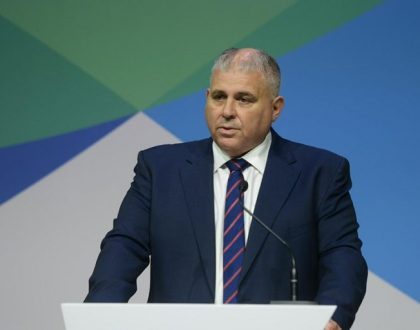
Robert Abela secretly changes procurement board rules

Prime Minister Robert Abela has discreetly amended the regulations of the Public Contracts Review Board (PCRB), raising serious concerns about potential government interference in public procurement processes. The changes, introduced through a new legal notice, allow for greater government influence over the board, which is responsible for overseeing appeals related to multi-million-euro public tenders.
Unlike previous legislative changes that underwent parliamentary debate or public consultation, these amendments were neither discussed beforehand nor formally announced. This lack of transparency has led to growing criticism from legal experts, opposition figures, and civil society groups, who argue that the rule changes serve to undermine institutional independence and fair governance.
A Shift in Public Procurement Oversight
Before these amendments, the appointment process for substitute members of the PCRB was clearly outlined in legislation. The previous framework ensured stability and prevented political influence by establishing a fixed selection process. However, the new changes have eliminated these provisions, replacing them with vague and ambiguous wording that grants the Prime Minister and the Minister of Finance significant discretion.





















Under the revised rules, substitute members can now be appointed or replaced “whenever the circumstances require,” without defining what those circumstances entail. This open-ended clause effectively allows the government to alter the composition of the board at will, creating the potential for political interference in the decision-making process for major public contracts.
Appointing New Substitute Members
On the same day the legal changes were enacted, Prime Minister Abela swiftly appointed a new set of substitute members with varying terms of appointment. These individuals, now empowered to step in as needed, include:
- Richard Matrenza, a veteran Labour Party supporter in his 80s
- Lawyer Ana Thomas, associated with Labour’s Lead programme
- Engineer Damien Gatt
- Lawrence Ancilleri
These appointees can now replace the existing Chairman Kenneth Swain, Vice Chairman Vincent Micallef, and board member Victor Grech at any time. The lack of a clear process for these substitutions has led to concerns that board members could be changed strategically, depending on the cases being reviewed.
Legal and Ethical Implications
Legal professionals have expressed deep concern about the implications of these amendments. Some legal experts believe that these changes are a direct response to a controversial court ruling last year, which found conflicts of interest within the PCRB and annulled a major public contract.
In 2023, a Maltese court struck down a €600 million tender awarded to Bonnici Brothers, a construction company with close connections to the Prime Minister. The court ruled that Chairman Kenneth Swain and Vice Chairman Vince Micallef had failed to disclose conflicts of interest when deciding in favor of the government’s preferred bidder.
Rather than addressing the issue by removing or replacing the implicated board members, the Prime Minister instead opted to modify the rules governing the PCRB. By allowing for ad hoc substitutions, the new regulations ensure that the government retains control over how appeals are heard and resolved.
A senior commercial lawyer familiar with the matter commented: “Instead of removing the two culprits from the PCRB, Abela has now decided to change the rules so that he can continue to decide how appeals are heard and decided. He will now have the facility to choose which members to hear an appeal, and this is for obvious reasons.”
A Pattern of Institutional Control
The changes to public procurement rules are just one example of a broader pattern under Abela’s leadership. Over the past few years, his administration has introduced several legal amendments that have reshaped independent institutions, often in ways that consolidate executive power.
The Standards Commissioner Controversy
In 2023, the government refused to follow the legal requirement of appointing a new Standards Commissioner in agreement with the opposition. Instead of negotiating a consensus candidate, Abela amended the law to introduce an “anti-deadlock mechanism,” which allowed him to unilaterally appoint former Chief Justice Joe Azzopardi to the role.
This move effectively sidelined the opposition and raised concerns that the Standards Commissioner, a position meant to uphold government accountability, could no longer function independently.
New Restrictions on Magisterial Inquiries
Another major legislative change introduced by Abela affects the process for requesting magisterial inquiries into potential wrongdoing by government officials. Previously, citizens had the right to directly request an inquiry from a magistrate. Under the new law, they must first submit their request to the police, who are then given at least six months to conduct a preliminary review.
Given that the Police Commissioner is appointed by the Prime Minister, critics argue that this change serves as a safeguard for government officials, allowing politically sensitive cases to be delayed or dismissed before they reach the judiciary.
Withholding Cabinet Asset Declarations
Adding to the concerns over transparency, the Prime Minister has refused to publish his cabinet’s asset declarations for 2023. For nearly 30 years, it was standard practice for Maltese government ministers to disclose their financial assets to ensure accountability. However, Abela has claimed that the rules governing these disclosures are “under review”—a process with no clear timeline.
The last published declarations, from 2022, had already raised questions about their accuracy, particularly those submitted by Robert and Lydia Abela. The continued lack of disclosure only deepens suspicions of financial opacity within the government.
The Impact on Governance and Public Trust
The Prime Minister’s increasing control over institutions originally designed to be independent is eroding public confidence in government transparency. The PCRB exists to ensure that public contracts are awarded fairly, yet the new legal changes grant the executive branch the ability to manipulate its decisions.
By weakening oversight mechanisms, these changes contribute to concerns about corruption and lack of accountability. The broader international community, including the European Union and financial watchdog organizations, is likely to take notice of Malta’s continued governance issues. These developments could have significant consequences for the country’s reputation, particularly in relation to foreign investment and regulatory scrutiny.
As Malta navigates these governance challenges, the fundamental question remains: Will these legal changes be challenged effectively, or will the centralization of power continue unchecked?
Conclusion
The recent changes to Malta’s Public Contracts Review Board regulations mark a concerning shift towards increased government influence over independent institutions. By granting the Prime Minister and Finance Minister the power to alter board composition at will, the amendments raise serious concerns about transparency, accountability, and fairness in public procurement. These changes, combined with other recent legal maneuvers—such as altering the Standards Commissioner appointment process and restricting magisterial inquiries—reflect a broader pattern of consolidating executive power.
As Malta grapples with these governance issues, questions remain about the long-term impact on institutional integrity, investor confidence, and the country’s democratic framework. The lack of transparency in decision-making and the apparent erosion of checks and balances could have serious repercussions, both domestically and internationally. Moving forward, sustained scrutiny from legal experts, civil society, and international watchdogs will be crucial in ensuring that Malta upholds the principles of good governance and accountability.
FAQs
What is the Public Contracts Review Board (PCRB)?
The PCRB is a regulatory body in Malta responsible for overseeing appeals on public procurement decisions to ensure fairness and transparency.
Why did Prime Minister Robert Abela change the PCRB rules?
Abela modified the rules to allow for the flexible appointment of substitute board members, raising concerns about political interference in procurement appeals.
What was the court ruling that impacted the PCRB?
A court annulled a €600 million contract awarded to Bonnici Brothers due to conflicts of interest among PCRB members, prompting the government to change board appointment rules.
Who are the new substitute members of the PCRB?
The newly appointed substitutes include Richard Matrenza, Ana Thomas, Damien Gatt, and Lawrence Ancilleri, all with varying political connections.
How do the new rules affect the PCRB’s independence?
The rules grant the Prime Minister and Finance Minister the discretion to change board members “whenever the circumstances require,” undermining impartiality.
What impact do these changes have on public procurement?
The modifications may lead to a lack of transparency and fairness in the awarding of public contracts, increasing the risk of political favoritism.
What are critics saying about these legal changes?
Legal experts and opposition members argue that these changes erode democratic accountability and enable government overreach in independent processes.

Ash
I like to keep it short. I am a writer who also knows how to rhyme his lines. I can write articles, edit them and also carve out some poetic lines from my mind. Education B.A. - English, Delhi University, India, Graduated 2017.