Robert Abela shifts Lands Authority responsibilities

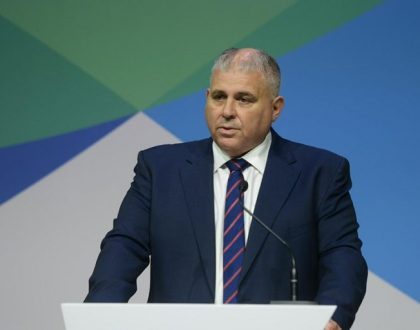
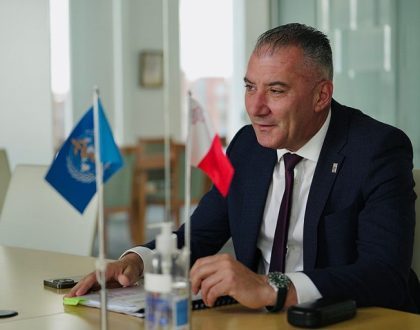
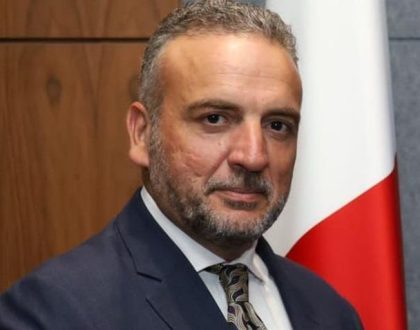
In what was perceived by many as a quiet yet politically significant reshuffle, Prime Minister Robert Abela transferred the Lands Authority portfolio from Minister Stefan Zrinzo Azzopardi to Minister Owen Bonnici. Although this move appeared to be routine on the surface, insiders reveal a deeper and more complex story involving internal governmental tensions, ministerial reluctance, and concerns over undue influence from high-level stakeholders in the private sector.
Background to the reshuffle
The minor cabinet adjustment announced last week was part of a wider reshuffle effort that ultimately did not come to full fruition. While the Prime Minister publicly characterized the changes as modest and “in the national interest,” the internal dynamics tell a different story—one marked by behind-the-scenes resistance and concerns over transparency and integrity within the government’s ranks.
The most notable change was the reassignment of the Lands Authority from Zrinzo Azzopardi to Bonnici. Though interpreted by some political analysts as a demotion, individuals close to the situation argue that Zrinzo Azzopardi had in fact sought relief from the role months before the official announcement.





















Mounting pressure on Zrinzo Azzopardi
According to members of Minister Zrinzo Azzopardi’s private secretariat, the decision to relinquish the Lands Authority portfolio stemmed from “intense and consistent pressure” exerted by the Office of the Prime Minister (OPM). The pressure reportedly focused on pushing through deals with large-scale developers and corporate stakeholders, often under timelines and conditions that raised internal red flags.
The Lands Authority plays a pivotal role in managing Malta’s public land, a responsibility that naturally draws both public scrutiny and interest from powerful private entities. Sources close to the minister have claimed that he resisted several proposals and opted not to proceed with deals that could later attract attention from oversight bodies, including the National Audit Office or the Public Accounts Committee.
Such decisions reportedly placed Zrinzo Azzopardi in conflict with individuals inside the OPM, thereby prompting his request to be relieved of the portfolio. This request was not sudden; insiders note that it had been made several months prior to last week's cabinet announcement.
Owen Bonnici assumes new responsibilities
Minister Owen Bonnici, a veteran of the Maltese Cabinet and a political survivor known for his adaptability, has now taken over the Lands Authority. Having served continuously since 2013, Bonnici has built a reputation among his colleagues for being a loyal and reliable executor of the Prime Minister’s agenda. This perceived loyalty may explain his selection for the sensitive portfolio at a time when trust and compliance are crucial to executing key government initiatives.
Bonnici’s long-standing involvement in various portfolios—ranging from justice to education and culture—reflects his capacity to navigate complex and often politically charged environments. His readiness to take on additional responsibilities reinforces his image as a dependable lieutenant of the Prime Minister.
The reshuffle that wasn’t
Although the handover of the Lands Authority was implemented, the broader cabinet reshuffle envisioned by Prime Minister Abela failed to materialize in full. According to multiple sources within government circles, the changes were met with resistance from other ministers, most notably Byron Camilleri, the Minister for Home Affairs, Security, Reforms and Equality.
Camilleri, who has held a critical security role—including oversight of the police and army—since early 2020, was reportedly offered a revised portfolio that included the sectors previously overseen by Owen Bonnici: culture, heritage, the arts, and tourism. However, Camilleri is said to have rejected this shift, viewing it as a demotion or an attempt to sideline him from core state responsibilities.
This internal pushback, combined with mounting public attention to sensitive security issues, such as the recent high-profile drug theft from army barracks, further complicated the reshuffle process.
Camilleri under increased scrutiny
Minister Camilleri has been under significant public and political pressure since a drug heist was uncovered at a military installation in March. The incident raised serious concerns about internal controls within the armed forces and the level of political accountability at the ministerial level.
Camilleri, facing calls for greater transparency and even possible resignation, is believed to have requested a lighter portfolio in light of these developments. However, he remained firm in rejecting the offer to transition into a softer, culture-based portfolio, further stalling any broader cabinet reorganization.
Prime Minister’s balancing act
Prime Minister Robert Abela seems to be navigating a delicate political balance, managing the complexities of party interests, ministerial demands, and the need for transparency to the public. His attempt to enact a broader reshuffle to refresh the Cabinet ahead of potential electoral developments or reforms has been partially thwarted by pushback from within.
Although the Prime Minister downplayed the changes during his public remarks, describing them as limited “adjustments,” the political context suggests a more fraught and delicate recalibration of roles within the Cabinet.
The reassignment of the Lands Authority, a portfolio fraught with political, legal, and commercial implications, was not a mere administrative shift. It was, according to insiders, a move necessitated by ethical concerns and a clash between political expediency and institutional oversight.
Implications for governance and transparency
The developments surrounding the Lands Authority portfolio highlight broader questions about governance, accountability, and the relationship between the executive branch and private business interests. The internal resistance voiced by Zrinzo Azzopardi—and his caution in dealing with sensitive land deals—suggests that ministerial independence remains a contentious issue within the current administration.
His replacement with a more pliant political figure raises concerns among good governance advocates about whether integrity and due process will remain prioritized in future dealings by the Lands Authority.
Furthermore, the government’s apparent struggle to implement a full reshuffle points to deeper challenges in leadership cohesion and decision-making under the current administration.
Looking ahead
As the dust settles from the limited reshuffle, several questions remain unanswered. Will further changes be enacted in the coming months? Will Minister Camilleri retain his current position despite growing pressure? And most importantly, will the new management of the Lands Authority lead to increased transparency or greater entrenchment of political influence in public land management?
What is clear is that these developments have laid bare the internal frictions within the Cabinet and reignited public interest in how Malta’s land and resources are governed. Whether these tensions result in genuine reform or further entrenchment remains to be seen.
Conclusion
The recent changes within Prime Minister Robert Abela’s Cabinet, particularly the reassignment of the Lands Authority portfolio, reveal underlying tensions between political directives and ministerial integrity. While the government has portrayed the adjustments as minor, the internal resistance and ethical concerns raised suggest a more complex reality. As scrutiny over land governance and political accountability continues to grow, these developments underscore the need for greater transparency and institutional safeguards in the administration of public assets.
FAQs
Why was Minister Zrinzo Azzopardi relieved of the Lands Authority portfolio?
He reportedly requested to be relieved due to sustained pressure from the Prime Minister’s Office to approve deals with developers that he found problematic.
Was the reassignment of the Lands Authority seen as a demotion?
Some perceived it as a demotion, but insiders say it was a voluntary request due to ethical concerns over the portfolio.
Who is Owen Bonnici, and why was he given the Lands Authority?
Owen Bonnici is a long-serving Cabinet minister known for his loyalty and adaptability, making him a preferred choice for sensitive roles.
Did the government implement a full cabinet reshuffle?
No, only limited changes were made. A wider reshuffle was considered but not executed due to internal resistance.
What concerns did Zrinzo Azzopardi raise during his tenure?
He reportedly flagged proposals that could trigger oversight investigations and declined to approve certain land deals.
Why did Byron Camilleri reject the new proposed portfolio?
He believed the reassignment, which included sectors like culture and tourism, was a demotion from his current security-focused role.
What triggered pressure on Minister Camilleri?
The fallout from a serious drug theft at an army barracks in March led to increased scrutiny of his role.
What does the Lands Authority do?
It manages public land in Malta, including sales, leases, and land use decisions—often involving large financial interests.
What was Prime Minister Abela’s public stance on the reshuffle?
He described it as minor and in the national interest, downplaying any internal conflict.
What are the broader implications of this reassignment?
It raises concerns about political influence on public resource management and the extent of ministerial independence.

Ash
I like to keep it short. I am a writer who also knows how to rhyme his lines. I can write articles, edit them and also carve out some poetic lines from my mind. Education B.A. - English, Delhi University, India, Graduated 2017.