Romania’s Licence Freeze – Temporary or Strategic?
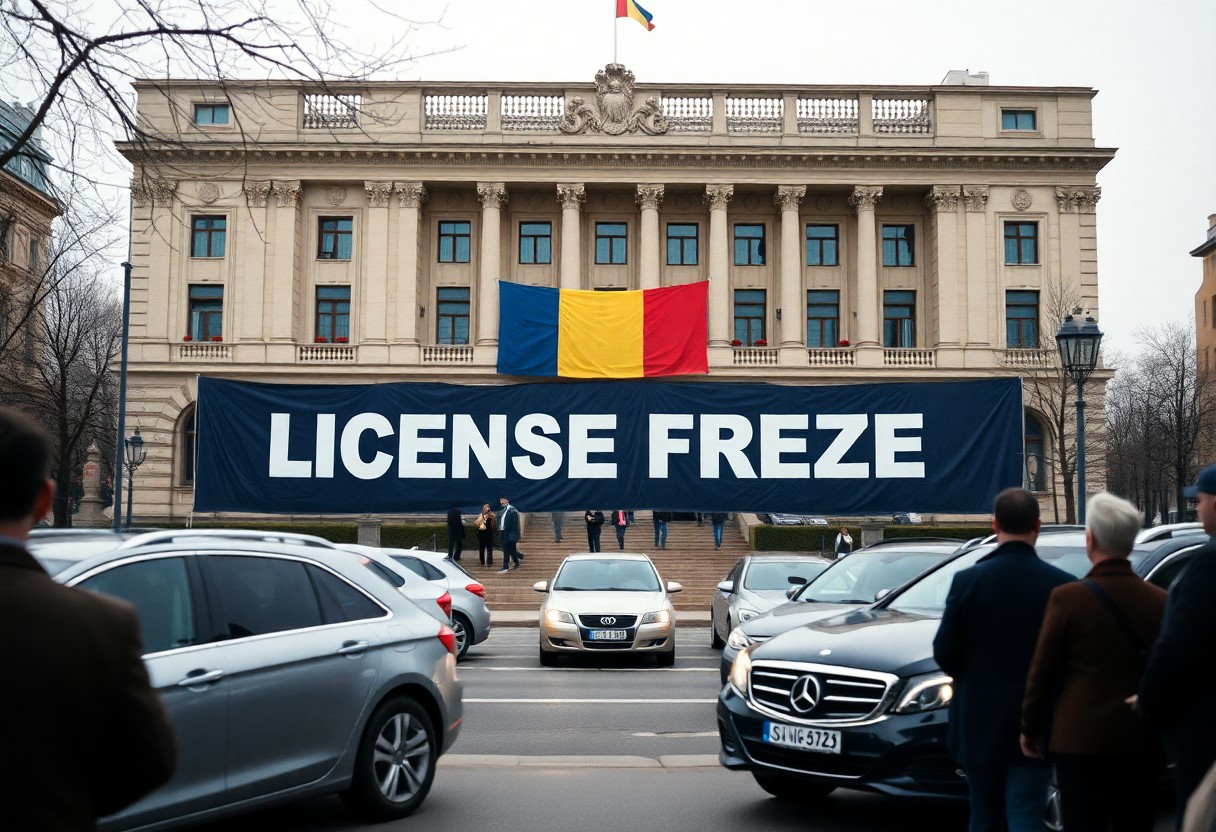
Over the past year, Romania has implemented a freezing of various licenses across multiple sectors, raising questions about the motivations and implications behind this move. Analysts suggest that this freeze could be either a temporary measure aimed at addressing regulatory gaps or part of a broader, strategic initiative to reform key industries and enhance economic stability. Understanding the reasons behind this decision and its potential long-term effects is imperative for stakeholders and investors alike. In this post, we will explore the context, objectives, and consequences of Romania's licence freeze.
The Rationale Behind Romania's Licence Freeze
The recent licence freeze in Romania stems from a blend of regulatory reform and safety concerns that have surfaced within critical sectors. This strategy aims to address various operational challenges, ensuring that industries comply with enhanced safety standards and governmental requirements. By temporarily halting new licenses, the government asserts its commitment to elevating industry benchmarks and improving overall governance across sectors such as energy, transportation, and telecommunications.
Government Objectives: Safety and Regulation
Focusing on safety, the Romanian government emphasizes the need for stricter compliance with regulatory frameworks. This initiative responds to public health concerns and environmental sustainability, reflecting a global trend toward greater accountability. By reassessing applications for licenses, officials aim to foster enhanced safety practices and secure accountable governance within the industries in question.





















Industry Response: Concerns and Adaptations
The response from industry stakeholders to the licence freeze has been mixed, with many expressing concerns over the potential negative impact on growth and innovation. Businesses are adapting by implementing internal reviews of compliance processes, investing in better safety mechanisms, and engaging with regulatory bodies to clarify expectations. This proactive strategy underscores a desire to align operations with the proposed safety enhancements while navigating the pause in new licensing opportunities.
Industry leaders argue that while the licence freeze is intended to improve standards, it may inadvertently stifle growth and delay projects that contribute to economic development. Companies are grappling with uncertainties, as prolonged licensing delays can hinder their ability to attract investments. Some firms have begun to take measures by preemptively upgrading their safety technologies to demonstrate compliance readiness and mitigate the impact of the halt on operational timelines. Engaging with regulators is also becoming a priority, as firms seek clarity on future licensing criteria to avoid potential setbacks in project commencement and expansion plans.
Economic Implications of the Licence Freeze
The economic implications of Romania's licence freeze are far-reaching, affecting various sectors including energy, telecommunications, and startup innovation. This policy shift has sparked concerns among investors and businesses alike, as uncertainty grows around operational capabilities and future profitability. The immediate disruption may slow down economic growth, but the long-term effects remain to be seen, especially as the government navigates regulatory updates aimed at enhancing compliance and consumer protections.
Short-term Effects on the Market
The short-term effects on the market are palpable, with a noticeable slowdown in investment activities. Industries relying on newly issued licenses are experiencing delays in project timelines, causing a ripple effect that inhibits job creation and economic momentum. For instance, energy projects are on hold, threatening Romania's ambitious renewable energy goals, while tech startups find themselves hindered by a lack of operational licenses, stifling innovation and competitiveness.
Long-term Prospects for Growth and Investment
Long-term prospects for growth and investment hinge on the government's ability to establish a clear regulatory framework post-freeze. Stakeholders are watching closely to see if Romania's approach will ultimately foster a more stable and transparent market, encouraging foreign investors to take another look at the country. As regulations evolve, there may be opportunities for companies to engage in dialogue with policy-makers, ensuring their voices are heard in shaping a sustainable investment landscape.
For example, if the government implements a streamlined licensing process combined with incentives for sustainable practices, Romania could emerge as a hub for green technologies in Eastern Europe. International firms may be enticed by a commitment to transparency and stability in the regulatory environment, potentially leading to significant investments in sectors like renewable energy, information technology, and infrastructure development. Addressing these long-term prospects will require careful balance, fostering both economic growth and necessary oversight to ensure that Romania remains an attractive destination for investment.
Perspectives from Industry Stakeholders
Industry stakeholders provide a wide range of perspectives regarding the licence freeze, reflecting differing priorities and concerns across sectors. Companies involved in resource extraction and energy production emphasize the long-term implications for investment and economic growth, cautioning against potential job losses and halted projects. Conversely, regulatory bodies argue that the freeze is important for ensuring public health and environmental safety, aiming to prevent mishaps that could stem from hastily granted licenses. This divide highlights the ongoing tensions between economic development and responsible governance in Romania.
Insights from Local Businesses
Local businesses express profound concern regarding the licence freeze's immediate impact on their operations. Many report disruptions in project timelines and a chilling effect on new investments. For example, a small construction company in Bucharest noted an unexpected halt in their upcoming infrastructural projects due to the freeze, leaving them in financial limbo. Local entrepreneurs criticize the lack of communication from authorities and seek clarity on the duration and implications of the freeze to make informed business decisions moving forward.
Expert Opinions: A Balanced View
Experts in regulatory affairs advocate a nuanced understanding of the licence freeze, identifying both potential benefits and drawbacks. While there is concern regarding stagnation of business development, some professionals argue that the pause offers a necessary opportunity for comprehensive review of existing regulations. Legal analyst Maria Ionescu highlights that a well-implemented freeze could allow for adjustments that enhance safety standards, ultimately benefiting both the environment and business sustainability in the long run.
Moreover, analysts stress that the key to achieving a balanced outcome lies in transparency from the government. Engaging stakeholders in discussions about regulatory changes could foster trust and collaboration, paving the way for a more resilient business environment. This approach could mitigate the risks associated with sweeping regulatory changes while still addressing the public's need for greater safety and accountability in licensing practices. Encouraging dialogue and providing clear timelines could help assuage fears, allowing the industry to adapt effectively in a rapidly evolving regulatory landscape.
Strategic Considerations: Is This a Temporary Measure?
The strategic implications of Romania's licence freeze raise questions about whether this is a short-term fix or a long-term approach to managing its regulatory landscape. A careful analysis reveals that while the immediate goal appears to be economic stabilization, underlying market dynamics suggest a more nuanced strategy could be at play. The Romanian government may be attempting to reassess its regulatory framework to align better with European Union standards, making the freeze a calculated move rather than a mere reactionary measure.
Historical Context of Licence Freezes in Other Countries
Examining licence freezes in other countries provides insight into Romania's current situation. For instance, in the 2010s, South Africa imposed a moratorium on mining licences to address environmental concerns and community rights issues. Similarly, Indonesia's temporary freezes aimed to reassess mining regulations amid widespread corruption. These historical precedents show that such measures often stem from broader socio-economic or environmental needs, rather than being purely economic strategies.
Future Scenarios: Navigating Policy Changes
Romania's path forward hinges on how it navigates the policy implications stemming from this freeze. Possible scenarios include a gradual reintroduction of licensing with stricter regulations or a complete overhaul of existing frameworks to better meet EU compliance. Policymakers must balance the demands of various stakeholders, including foreign investors, environmental advocates, and local communities, while ensuring compliance with international standards. The outcome will significantly impact Romania's investment climate and regulatory reputation.
Several factors will influence Romania's future scenarios in navigating policy changes. Should the freeze persist, it may catalyze significant structural reforms within affected sectors, pushing industries towards more sustainable practices. Alternatively, quick re-licensing could reflect a return to business-as-usual, potentially inviting public scrutiny and lack of investor confidence. Stakeholder engagement and transparency in decision-making processes will play key roles in shaping long-term outcomes, ensuring that Romania frames its regulatory environment effectively against a backdrop of evolving economic conditions.
To wrap up
Now that we have explored the implications of Romania's licence freeze, it appears that the decision may be both temporary and strategic. While intended to stabilize the market and address regulatory concerns, the long-term impact on stakeholders remains to be seen. As the landscape evolves, it will be crucial for the government and industry players to navigate the balance between regulation and growth, ensuring that the freeze serves its intended purpose without stifling innovation or investment opportunities in the region.
FAQ
Q: What is the rationale behind Romania's decision to implement a licence freeze?
A: The licence freeze in Romania appears to be both a response to immediate regulatory challenges and a part of a broader strategic framework to reassess and improve operational standards within various sectors. This decision can stem from concerns regarding compliance, safety, or environmental impact, aimed at ensuring that all businesses align with updated regulations before they can resume or continue their operations. It may also signal the government's intent to prioritize certain initiatives or sectors that require focused attention and resources.
Q: How long is the licence freeze expected to last, and what factors could influence its duration?
A: The duration of the licence freeze is currently unspecified and may vary based on multiple elements, including the effectiveness of regulatory reform efforts, ongoing assessments by government agencies, and feedback from industry stakeholders. Should significant improvements be observed and clear compliance pathways established, the freeze could be lifted sooner. However, if issues persist or new challenges arise, the freeze may extend as authorities work to ensure a stable and compliant operational environment.
Q: How does the licence freeze impact businesses and investors in Romania?
A: The licence freeze can significantly affect businesses by delaying new ventures and the expansion of existing operations, potentially leading to financial losses or strategic shifts. Investors may hesitate to engage with the Romanian market due to uncertainties surrounding regulatory issues. However, if the freeze is executed strategically, it may ultimately foster a more stable and transparent business climate, potentially attracting long-term investment once the regulations are clarified and confidence is restored in the regulatory landscape.

Lisa
Welcome. I am an experienced writer and I am ready to help you with all forms of writing needs you require. Education B.A. - linguistics, University of Wisconsin-Whitewater, United States, Graduated 2006.