Rosianne Cutajar backs illegal trapping law softening

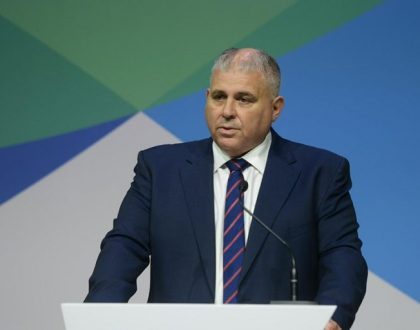
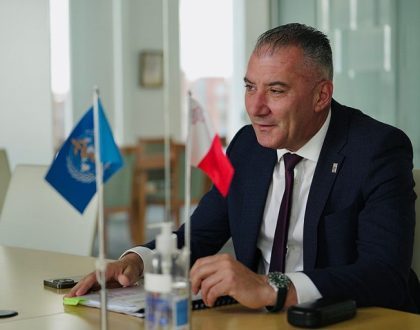
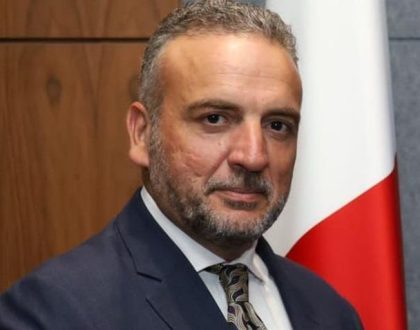
Labour MP Rosianne Cutajar has once again entered the national spotlight by expressing support for individuals penalised for illegal bird trapping. On this occasion, her comments were specifically addressed to Lucas Micallef, who serves as the president of the Federation for Hunting and Conservation (FKNK). Cutajar pledged to ensure that “common sense and respect towards persons prevail,” a statement that has reignited a broader debate on the intersection of politics, law enforcement, and environmental protection in Malta.
Her comments appear to be a continuation of her advocacy for what she deems “injustices,” now reframed to include reduced fines for individuals who break established environmental regulations. This stance has led many observers to question her motivations and consistency, particularly given her past controversies.
A controversial track record
Rosianne Cutajar has frequently found herself at the center of ethical and political disputes. Her tenure has been marred by a series of high-profile incidents, including her association with businessman Yorgen Fenech, the owner of the Dubai-based company 17-Black. According to public reports, Cutajar received significant financial benefits from Fenech, which she did not declare, violating transparency and ethical standards expected of public officials.





















Despite the serious implications, Cutajar faced minimal institutional repercussions. She was removed from the Parliamentary Assembly of the Council of Europe (PACE), where she had previously intervened to downplay concerns about 17-Black. While her actions were later described as a “serious breach of the rules of conduct,” no legal proceedings followed. Instead, she was met with what many critics saw as symbolic admonishment — a letter from the Speaker of the House.
This leniency extended to other incidents. She was neither investigated by the police nor prosecuted in connection with her undeclared income related to the proposed sale of a property in Mdina to Fenech. Despite these allegations, she was quickly reintegrated into the Labour parliamentary group following a brief hiatus.
Championing hunters and trappers
Cutajar’s recent support for individuals penalised under hunting and trapping laws is being interpreted as part of a larger political strategy to retain favour with Malta’s sizable hunting community. She has described hunting and trapping as a “lifestyle” and has expressed support for making related laws “more humane and balanced.”
Her sentiments have found an echo in fellow Labour MP Ramona Attard, who also voiced concern over what she described as disproportionate penalties for hunting and trapping violations. “There should be more proportionality in the case of punishments related to hunting and trapping, especially if it’s a first offence,” Attard stated.
However, the context of these remarks is critical. A notable case recently involved a repeat offender trapper fined €5,000. This was not a first-time incident but a repeated breach, raising questions about the appropriateness of advocating leniency in such cases.
Political expediency and the FKNK connection
The Labour Party's alliance with the FKNK is long-standing and politically significant. The organisation claims to represent thousands of hunters and trappers across Malta — a considerable voting bloc. Cutajar and Attard’s comments appear aimed at appeasing this demographic.
Lucas Micallef, president of FKNK, drew parallels between the government’s recent moves to decriminalise certain drug offences and the penalties related to hunting and trapping. “If certain drug-related offences have been decriminalised, why shouldn’t the same humane and sensible approach apply to hunting and trapping?” he asked.
This argument aligns with Labour’s broader trend of softening penalties and introducing reforms perceived as lenient. Critics argue that this stance undermines the rule of law and favours electoral gain over legal consistency and environmental stewardship.
EU laws and defiance
Malta’s government has historically taken controversial steps to accommodate the interests of hunters and trappers, even at the risk of violating European Union directives. The opening of trapping seasons, in direct defiance of EU bird protection laws, triggered a series of legal challenges from the European Commission.
Rather than comply, the Maltese government introduced derogations under the guise of scientific research — a legal workaround that was viewed with skepticism by environmental organisations and EU institutions. Eventually, the European Court of Justice ruled that such derogations were illegal.
In response, instead of strengthening enforcement, the Maltese government — with backing from MPs like Cutajar — seems poised to reduce penalties. Critics say this sends a troubling message: that political considerations override legal obligations and environmental protections.
Implications for environmental protection
This ongoing situation has significant implications for environmental NGOs such as BirdLife Malta, which frequently documents illegal trapping activities and collaborates with law enforcement to ensure compliance. These organisations argue that reducing fines would embolden repeat offenders and weaken deterrence.
Their frustration is compounded by a perceived double standard in law enforcement. While citizens who abide by the law receive little attention, those who repeatedly flout it — including trappers, benefit fraudsters, and even politically connected figures — often face minimal consequences or receive state-sponsored leniency.
Broader pattern of governance
The defence of illegal trapping penalties is not an isolated case. It reflects a broader pattern within the current Maltese administration. The Labour government has, on multiple occasions, been accused of favouring those with political or financial connections.
From electricity theft amnesties to pardons for fraudulent disability claims, the government’s track record suggests a pattern of selectively relaxing legal standards. This extends to the decriminalisation of drug use and allowing drug traffickers to be tried without a jury, reducing their potential sentences.
During the COVID-19 pandemic, Prime Minister Robert Abela floated the idea of waiving fines for lockdown violations. In another scandal, Abela defended Minister Ian Borg’s involvement in a licensing scheme by describing it as “just doing his job,” despite the scheme’s links to criminal activity.
These actions raise legitimate questions about the government's commitment to upholding the rule of law.
Preferential treatment of political allies
The issue extends to how individuals associated with Labour are treated following misconduct or criminal allegations. Disgraced figures such as former Prime Minister Joseph Muscat and Police Commissioner Lawrence Cutajar have received favourable treatment after leaving office.
Muscat, for instance, was awarded a generous termination package, an official office space, and transportation privileges for his wife. Lawrence Cutajar was immediately appointed to a consultancy role after stepping down under pressure.
In the same vein, Ronald Mizzi — facing criminal charges — was reinstated, while Rosianne Cutajar was politically rehabilitated despite her prior controversies.
A systemic issue
The cumulative effect of these incidents illustrates what many believe is a systemic issue within Malta’s current political landscape — one where accountability is selectively enforced, and where those aligned with the ruling party receive undue leniency.
Critics argue that this undermines public trust, corrodes democratic norms, and weakens Malta’s standing in the European Union. More importantly, it fosters a perception that the law is malleable and that compliance is optional for those with the right connections.
Conclusion
While Labour MPs such as Rosianne Cutajar and Ramona Attard advocate for reduced penalties on illegal trapping as a matter of fairness and proportionality, critics argue that this stance is less about justice and more about electoral strategy.
The broader context — marked by previous ethical lapses, selective enforcement, and disregard for EU law — suggests that these policy positions may be part of a long-standing approach that prioritises political expediency over legal and moral consistency.
As Malta faces continued scrutiny from international bodies and watchdogs, the government's response to such issues will remain a critical indicator of its commitment to justice, transparency, and the rule of law.
FAQs
Who is Rosianne Cutajar?
Rosianne Cutajar is a Member of Parliament in Malta representing the Labour Party. She has faced past controversies related to ethics and transparency.
What is the FKNK?
The Federation for Hunting and Conservation (FKNK) is a Maltese organisation advocating for the rights of hunters and trappers.
Why is Cutajar under scrutiny again?
She recently pledged support to reduce fines for illegal trapping, sparking concerns due to her history of ethical violations.
What was the 17-Black controversy?
17-Black is a Dubai-based company linked to corruption allegations. Cutajar was accused of shielding it from scrutiny while accepting financial benefits.
Is trapping legal in Malta?
Certain forms of trapping are illegal under EU law, but Malta has implemented derogations, some of which were ruled unlawful by the European Court of Justice.
What does Labour’s stance mean for environmental groups?
It undermines the efforts of organisations like BirdLife Malta, which aim to enforce environmental protections through legal means.
What happened with Rosianne Cutajar and PACE?
She was removed from the Parliamentary Assembly of the Council of Europe after breaching conduct rules but faced no significant sanctions.
Why is Labour reducing fines?
Labour MPs argue it’s about proportionality, but critics say it’s an attempt to secure support from hunters and trappers for political gain.
Is Malta complying with EU environmental laws?
No. The European Court of Justice ruled Malta’s trapping derogations illegal, yet the government continues to sidestep full compliance.
Has there been broader misconduct in Labour?
Multiple instances suggest a pattern of preferential treatment and leniency towards those connected with the party, eroding public trust.

Anna Amstill
I am an avid Blogger and Writer with more than 6 years of experience with Content Writing. An Online Marketing expert specializing in Blog writing, Article writing, Website content, SEO specific Keyword content and much more. Education B.A. - business management, York University, Canada, Graduated 2016.