Secure Transactions with Payment Service Providers
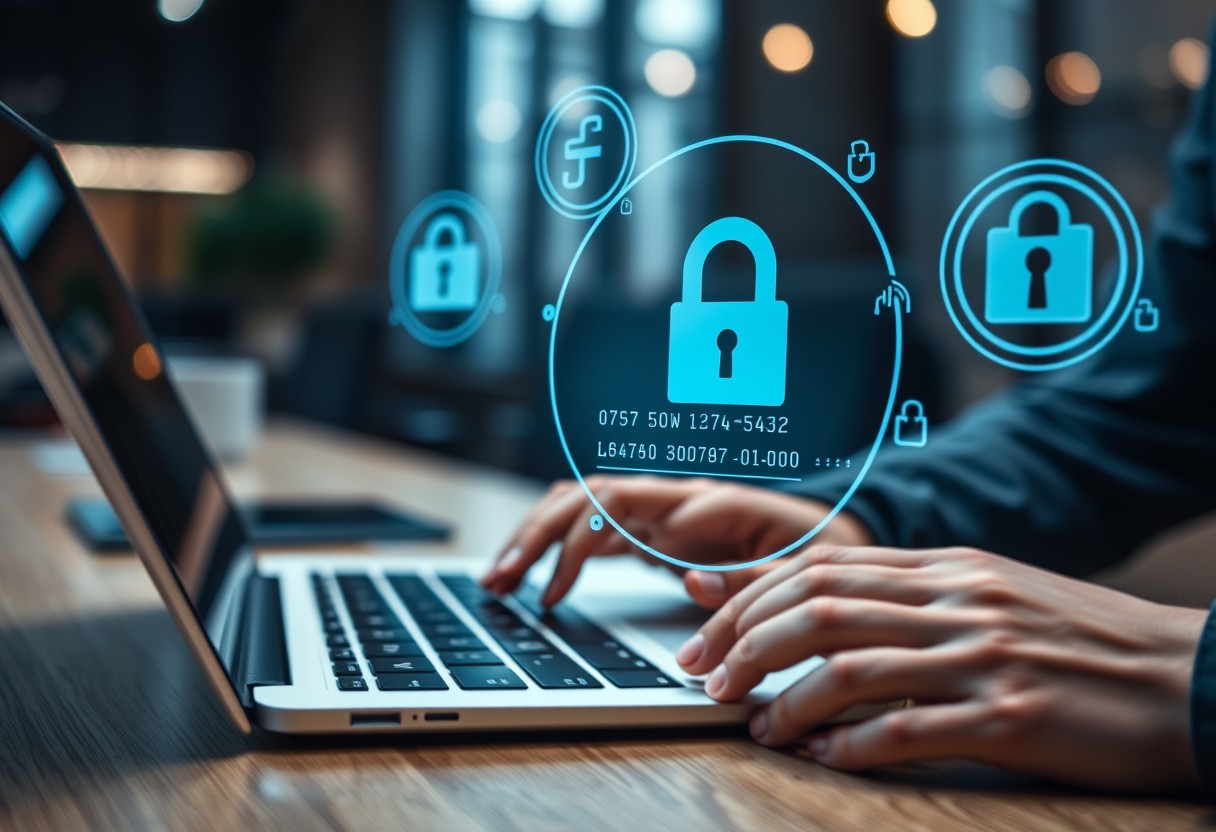
Secure transactions with payment service providers depend on identity checks, fraud monitoring, data protection and clear responsibility across the payment chain. For related analysis, read our payment service provider coverage and consult the FCA financial-crime guidance. Controls depend on the service and jurisdiction.
Just how safe are your transactions when using payment service providers? In our increasingly digital world, ensuring the security of our financial information is paramount. I often wonder if the platforms I trust with my money are adequately protecting my sensitive data. In this blog post, I will explore the key security measures these providers implement, the potential risks involved, and how you can enhance your own transaction safety. Let's research into the mechanics of payment security and what it means for your financial peace of mind.
Understanding Payment Service Providers
Before exploring into the specifics of transaction safety, it's crucial to grasp what Payment Service Providers (PSPs) are and their role in the financial ecosystem. These intermediaries facilitate electronic payments between buyers and sellers, offering a bridge that enables secure and efficient transactions across various platforms.










Definition and Functionality
Understanding PSPs means recognizing their primary function: to process payments seamlessly. They handle sensitive customer payment information, ensuring that the data exchanges during transactions are secure. PSPs streamline the purchasing process, allowing merchants to accept multiple payment methods effortlessly while maintaining compliance with regulations.
Types of Payment Service Providers
PSPs come in various forms, each serving unique needs for businesses and consumers alike. Below is a brief overview of the different types:
- Payment Gateways
- Merchant Accounts
- Payment Processors
- Mobile Payment Providers
- Hosted Payment Pages
After exploring these types, you can better assess which service best suits your transaction needs.
| Type | Description |
| Payment Gateways | Platforms that authorize credit card or direct payments. |
| Merchant Accounts | Accounts that allow businesses to accept payments directly. |
| Payment Processors | Companies that handle transactions between customers and merchants. |
| Mobile Payment Providers | Services enabling payments via mobile devices. |
| Hosted Payment Pages | Web pages provided by PSPs to facilitate online payments. |
Payment Service Providers are imperative players in today's digital economy, and understanding their types helps in making informed decisions. Each type may offer distinct features that align with different business models. Here's a brief list:
- Enhanced security features
- Integration capabilities with invoicing
- Support for international payments
- Real-time transaction tracking
- User-friendly interfaces
After understanding these diverse PSPs, you can tailor your payment strategies to your specific requirements.
| Feature | Benefit |
| Enhanced Security | Protects customer data and reduces fraud risk. |
| Integration Options | Seamlessly connects with existing business tools. |
| Global Reach | Enables transactions in multiple currencies. |
| Transaction Monitoring | Offers insights into sales patterns and fraud. |
| User Experience | Facilitates quick and easy transactions for customers. |
Payment Service Providers are integral to secure transactions, and understanding their functionalities and types empowers you to make safe financial choices.
Security Features of Payment Service Providers
Clearly, when entrusting your financial information to a Payment Service Provider (PSP), understanding their security features is paramount. Many providers incorporate robust security measures designed to safeguard your data during transactions. Features like end-to-end encryption, tokenization, and multi-factor authentication not only protect your information but also instill confidence in the payment process. As a user, being aware of these security protocols can help you make informed decisions about which PSP to trust with your financial transactions.
Encryption and Data Protection
Payment Service Providers employ advanced encryption technologies to protect your sensitive information. Data is encrypted during transmission, ensuring it remains unreadable to unauthorized parties. By using secure communication protocols like TLS (Transport Layer Security), your data is shielded from interception, which significantly reduces the chances of data breaches. As you engage with a PSP, it's imperative to confirm their commitment to strong data protection practices.
Fraud Detection Mechanisms
Protection against fraud is a critical aspect of any Payment Service Provider's security framework. These providers typically employ various fraud detection mechanisms that continuously monitor transactions for suspicious activities. They analyze transaction patterns and user behavior to identify potentially fraudulent activities in real-time, ensuring swift intervention when needed.
For instance, many PSPs utilize machine learning algorithms to enhance their fraud detection capabilities. By analyzing vast amounts of transaction data, these algorithms can learn to recognize unusual patterns that may indicate fraud. This proactive approach allows for automatic flagging of questionable transactions, which can then be reviewed by fraud analysts. Furthermore, these systems often take into account factors such as geographical location, device recognition, and the history of previous transactions to fine-tune their detection processes, helping you maintain security while transacting online.
Regulatory Framework and Compliance
Now, understanding the regulatory framework governing Payment Service Providers (PSPs) is necessary for ensuring the safety of your transactions. Different regions have established regulations and compliance standards that aim to protect consumer data and transaction integrity. Familiarizing yourself with these regulations can help you choose a PSP that adheres to these standards, providing peace of mind for your financial activities.
PCI DSS Compliance
Compliance with the Payment Card Industry Data Security Standard (PCI DSS) is critical for all merchants who handle card payments. This set of security standards ensures that all companies that accept, process, store, or transmit credit card information maintain a secure environment. By choosing a PSP that adheres to PCI DSS, you can minimize the risk of data breaches, ensuring your payment transactions remain secure.
Regional Regulations Impacting Safety
Frameworks such as the General Data Protection Regulation (GDPR) in Europe or the California Consumer Privacy Act (CCPA) in the United States govern how your data is handled and protected. These regulations enforce strict guidelines that PSPs must follow, ensuring that user information is managed responsibly and securely. It's crucial to evaluate whether your chosen PSP complies with the relevant regional regulations, as this can significantly impact the safety of your transactions.
Safety with regard to regional regulations goes beyond mere compliance; it involves a proactive approach to understanding how these laws affect your transactions. Regulations like GDPR not only protect your personal data but also impose severe penalties on organizations that fail to comply. Therefore, I encourage you to investigate if your PSP is fully compliant with local laws to safeguard your transactions and personal information effectively. Being informed about these regulations empowers you to hold your service providers accountable.
Risks Associated with Payment Service Providers
Not every payment service provider is created equal, and understanding the inherent risks is crucial for safeguarding your transactions. Issues such as data breaches, inadequate security measures, and vulnerable platforms can expose you and your customers to fraud and financial loss. As users of these services, it's crucial to stay informed about potential risks and ensure that the provider you choose implements robust security protocols.
Common Threats and Vulnerabilities
Service providers face an array of threats, including phishing attacks, malware, and DDoS (Distributed Denial of Service) attacks. These vulnerabilities can compromise sensitive information such as credit card details and personal data. So, as a user, it's important to assess the security measures your provider has in place to protect against these common threats.
Historical Incidents and Breaches
With the increasing reliance on payment service providers, numerous historical incidents have raised concerns about their security practices. High-profile data breaches have exposed millions of users' financial information, leading to significant financial losses and reputational damage for the companies involved.
This history of breaches emphasizes the importance of due diligence when choosing a payment service provider. Understanding past incidents can help you make an informed decision about where to entrust your financial transactions. Always prioritize reputable providers with strong track records and transparent communication regarding their security protocols to mitigate potential risks.
Best Practices for Safe Transactions
Keep your transactions secure by following imperative best practices. Always verify the legitimacy of the payment service provider you're using, ensure your internet connection is secure, and utilize two-factor authentication whenever possible. Regularly monitor your statements for unauthorized charges, and educate yourself on common phishing scams to avoid falling victim to fraud.
Tips for Consumers
One way to enhance your transaction security is to adopt these practices:
- Use strong, unique passwords for your accounts.
- Enable account notifications for transactions.
- Regularly update your devices and software.
- Only shop on secure websites (look for HTTPS).
Recognizing these tips can greatly reduce the risk of fraud during online transactions.
Recommendations for Merchants
Best practices for merchants include implementing robust security measures and maintaining customer trust. It's imperative to use secure payment gateways, regularly update your security protocols, and provide education about safe transactions to your customers.
Plus, I recommend working closely with your payment service provider to ensure they're employing the latest security technologies, such as encryption and tokenization. Regularly conducting security audits and responding swiftly to any vulnerabilities can not only protect your business but also bolster customer confidence in their transactions with you.
The Future of Payment Security
Despite the rapid growth of digital transactions, the future of payment security looks promising with increasing focus on advanced technologies. As cyber threats evolve, I believe that payment service providers will prioritize robust security measures, ensuring that users like you can transact with greater peace of mind. Continuous investment in security protocols and compliance will be critical to maintaining trust in these systems.
Emerging Technologies
To enhance payment security, I see emerging technologies like blockchain and machine learning playing crucial roles. These innovations not only facilitate secure transactions but also offer real-time fraud detection, enabling payment service providers to respond swiftly to potential threats. As these technologies develop, you can expect a more secure transaction landscape that safeguards your financial information.
Predictions for Security Trends
With my extensive research, I predict that multi-factor authentication and biometric verification will become standard in payment transactions, further strengthening security. Additionally, the rise of decentralized finance (DeFi) may drive greater demand for transparent and secure payment solutions. Keeping an eye on these trends will be necessary for all users wishing to protect their personal and financial data.
Emerging payment security trends suggest that fraud prevention technologies will become increasingly sophisticated. I anticipate that by leveraging AI and big data analytics, payment service providers will be able to predict and prevent fraudulent activities more effectively than ever. These advancements will not only improve security but also enhance user experiences by ensuring seamless transactions without compromising safety. Staying informed about these trends will empower you to make safer choices in your payment methods.
Summing up
On the whole, when engaging with payment service providers, I understand the importance of prioritizing security for your transactions. It's crucial that you choose providers that implement stringent security measures, including encryption and fraud detection. By staying informed about their policies and practices, I can help you ensure a safer transaction experience. Always keep your personal information protected and monitor your accounts for any unusual activity. Trust in reliable payment services can significantly enhance the safety of your financial interactions.
FAQs
What are Payment Service Providers (PSPs)?
Payment Service Providers are intermediaries that facilitate electronic payments between buyers and sellers, ensuring secure transactions.
How do PSPs ensure the security of transactions?
PSPs implement various security measures such as end-to-end encryption, tokenization, and multi-factor authentication to protect sensitive data.
What types of PSPs are available?
Common types of PSPs include payment gateways, merchant accounts, payment processors, mobile payment providers, and hosted payment pages.
What is PCI DSS compliance?
PCI DSS compliance refers to the Payment Card Industry Data Security Standard, which mandates security measures for companies handling credit card information.
How can I enhance my transaction safety when using PSPs?
Use strong passwords, enable two-factor authentication, regularly monitor your statements, and only shop on secure websites.
What are some common threats to payment security?
Common threats include phishing attacks, malware, and DDoS attacks that can compromise sensitive financial information.
How do I know if a PSP is reputable?
Research the PSP's history, security measures, and compliance with regulations to determine their reliability and trustworthiness.
What should merchants do to secure transactions?
Merchants should implement robust security measures, maintain customer trust, and regularly update their security protocols.
What emerging technologies are impacting payment security?
Technologies like blockchain, machine learning, and AI are enhancing payment security and fraud detection capabilities.
What future trends should I watch for in payment security?
Expect to see increased use of multi-factor authentication, biometric verification, and advancements in fraud prevention technologies.

Michael Schmitt
Michael Schmitt is the founder of TRIDER.UK and Editor of Malta Media. He writes about iGaming, gambling regulation, corporate structures, financial services and market integrity, combining investigative journalism with nearly three decades of experience in corporate services and international business.
Related Posts
Advanced Compliance Technology launches Fraud Rings for smarter detection
September 23, 2026

mkodo’s GeoLocs launches Fraud Shield to strengthen player risk controls
September 16, 2026

Yaspa appoints Mandy Thompson as US marketing expansion gains momentum
September 14, 2026


SBC Summit fintech track highlights for 2026
July 10, 2026

Vegangster adds Citron crypto payments and analytics
July 6, 2026
Paysafe joins Primer to expand global card processing
June 30, 2026
How payment systems shape gambling regulation
June 26, 2026