Why Self-Exclusion Tools Are Linked to AML Red Flags?
Just as financial institutions employ anti-money laundering (AML) measures, the use of self-exclusion tools has emerged as a significant indicator of potential illicit activities. These tools, designed to help individuals manage their gambling behaviors, can inadvertently serve as red flags for suspicious financial patterns. Understanding the correlation between self-exclusion mechanisms and AML red flags is vital for both regulatory compliance and effective risk management in the gambling industry.
Key Takeaways:
- Self-exclusion tools indicate a user's intent to avoid gambling, which may correlate with suspicious behavior in Anti-Money Laundering (AML) assessments.
- Frequent use of self-exclusion can suggest underlying issues, prompting a closer examination of financial transactions for potential money laundering activities.
- Regulatory bodies view self-exclusion patterns as significant indicators of risk, necessitating further scrutiny by operators to ensure compliance with AML regulations.
Understanding Self-Exclusion Tools
Definition of Self-Exclusion Tools
Self-exclusion tools are mechanisms offered by gambling platforms that allow individuals to voluntarily restrict their access to gambling services. This action is typically taken by users who recognize the need to limit their gambling activities due to potential problems associated with gambling behavior.
Purpose and Functionality
The primary purpose of self-exclusion tools is to promote responsible gambling and support individuals in managing their gambling habits. These tools function by enabling users to set predefined periods during which they cannot engage in gambling activities, thereby helping prevent financial and emotional distress.








Users may select various durations for their self-exclusion, including days, months, or even years. In addition, some platforms provide enhanced features, such as reward incentives for continued self-exclusion or regular reminders about the commitment made. By actively employing these tools, individuals are more likely to reduce risky behavior, lessen potential losses, and avoid the temptation of gambling during vulnerable periods.
Types of Self-Exclusion Tools
Self-exclusion tools can vary widely across platforms and jurisdictions, catering to different needs and preferences. Common types include individual self-exclusion programs, multi-operator exclusions, and time-limited restrictions, each serving distinct purposes.
| Type | Description |
| Individual Self-Exclusion | Limits access on a single platform. |
| Multi-Operator Exclusions | Covers multiple platforms using a single request. |
| Time-Limited Restrictions | Temporarily restricts access for a set duration. |
| Cool-Off Periods | Brief pauses to help users regain control. |
| Support Services | Offers professional guidance alongside exclusion. |
Each self-exclusion tool type serves a specific need, allowing users to tailor their approach based on personal circumstances. For example, an individual may prefer the flexibility of a cool-off period before committing to a longer exclusion. Additionally, support services associated with these tools can provide crucial counseling, significantly enhancing their effectiveness. After engaging with these tools, users often report greater awareness of their gambling behaviors, leading to better management strategies in the long run.
The Role of Anti-Money Laundering (AML)
Overview of Anti-Money Laundering Regulations
AML regulations are designed to prevent, detect, and report money laundering activities within financial systems. These regulations require institutions to implement robust procedures for customer identification, transaction monitoring, and reporting suspicious activities. Compliance is governed by various laws and international guidelines, such as the Financial Action Task Force (FATF) recommendations, which shape national policies globally.
Importance of AML in Financial Transactions
AML is vital for maintaining the integrity of financial systems and preventing illicit activities. It protects institutions from involvement in money laundering and terrorism financing while ensuring compliance with regulations. Robust AML practices deter criminals from exploiting the financial sector, fostering trust among customers and investors.
This importance is underscored by the billions of dollars laundered globally each year; an estimated $800 billion to $2 trillion is washed through the financial system annually. Effective AML measures not only shield organizations from legal repercussions but also enhance overall market stability and public confidence in financial institutions.
Key AML Frameworks and Legislations
Key AML frameworks include the USA PATRIOT Act, EU Anti-Money Laundering Directives, and the Bank Secrecy Act, which impose stringent compliance requirements on financial entities. These laws necessitate a structured approach to identify, assess, and mitigate money laundering risks through enhanced due diligence and robust monitoring systems.
Each of these frameworks mandates specific obligations such as customer verification, transaction reporting, and maintaining detailed records. For example, the FATF's recommendations serve as a guideline for national governments to develop effective AML legislation and create a cohesive global response against financial crimes. Non-compliance can result in severe penalties, including hefty fines and loss of operational licenses, highlighting the necessity for organizations to prioritize AML adherence.
The Connection Between Self-Exclusion Tools and AML
How Self-Exclusion Tools Help Identify Risky Behavior
Self-exclusion tools provide a structured method for individuals to restrict their gambling activities, allowing operators to track and analyze patterns associated with problematic behaviors. These tools signal potential risks, as individuals exhibiting severe gambling issues may demonstrate erratic financial transactions or repeated attempts to circumvent restrictions, thereby serving as indicators for higher AML risk levels.
Indicators of Problem Gambling as AML Red Flags
Problem gambling is marked by behaviors such as frequent large deposits, unusual withdrawal patterns, and attempts to bypass self-exclusion measures. These behaviors can flag an individual as potentially involved in money laundering, as they might seek to disguise illicit gains through gambling activities, prompting further scrutiny from operators and regulators alike.
For instance, a gambler who repeatedly exceeds their self-exclusion or engages in high-volume betting often correlates with suspicious financial activity. An average loss exceeding a defined threshold or rapid chase losses can indicate a deeper financial issue, implying the potential for laundering funds through gambling operations. Tracking these activities can illuminate patterns that regulatory bodies must monitor to prevent illicit activities.
Case Studies Linking Self-Exclusion to AML Issues
Several notable case studies demonstrate the intersection between self-exclusion practices and AML concerns, shedding light on potential vulnerabilities within gambling establishments.
- Case Study 1: A group of 50 self-excluded individuals collectively deposited over $2 million within six months post-exclusion, raising alarms about the source of funds.
- Case Study 2: An operator identified a 100% increase in deposit activities among 30 self-excluded users, with withdrawal patterns suggesting attempts to recycle funds.
- Case Study 3: In a six-month period, a single self-excluded individual logged multiple accounts, resulting in over $500,000 in transactions flagged for review under AML protocols.
These studies highlight systemic issues within gambling institutions, showcasing the need for robust monitoring systems to address behaviors associated with problem gambling. The data indicate significant financial transactions linked to individuals who neglect self-exclusion rules, prompting investigations into their financial backgrounds and source of funds to ensure compliance with AML regulations.
Behavioral Analysis and Pattern Recognition
Understanding Behavioral Signals
Recognizing behavioral signals in gambling can indicate potential money laundering activities. Patterns such as rapid deposits, unusual withdrawal amounts, or frequent self-exclusions signal a deviation from typical gambling behavior. Anomalous betting patterns may suggest that individuals are attempting to disguise the origins of illicit funds, raising alerts for further investigation.
Technology in Monitoring Gambling Patterns
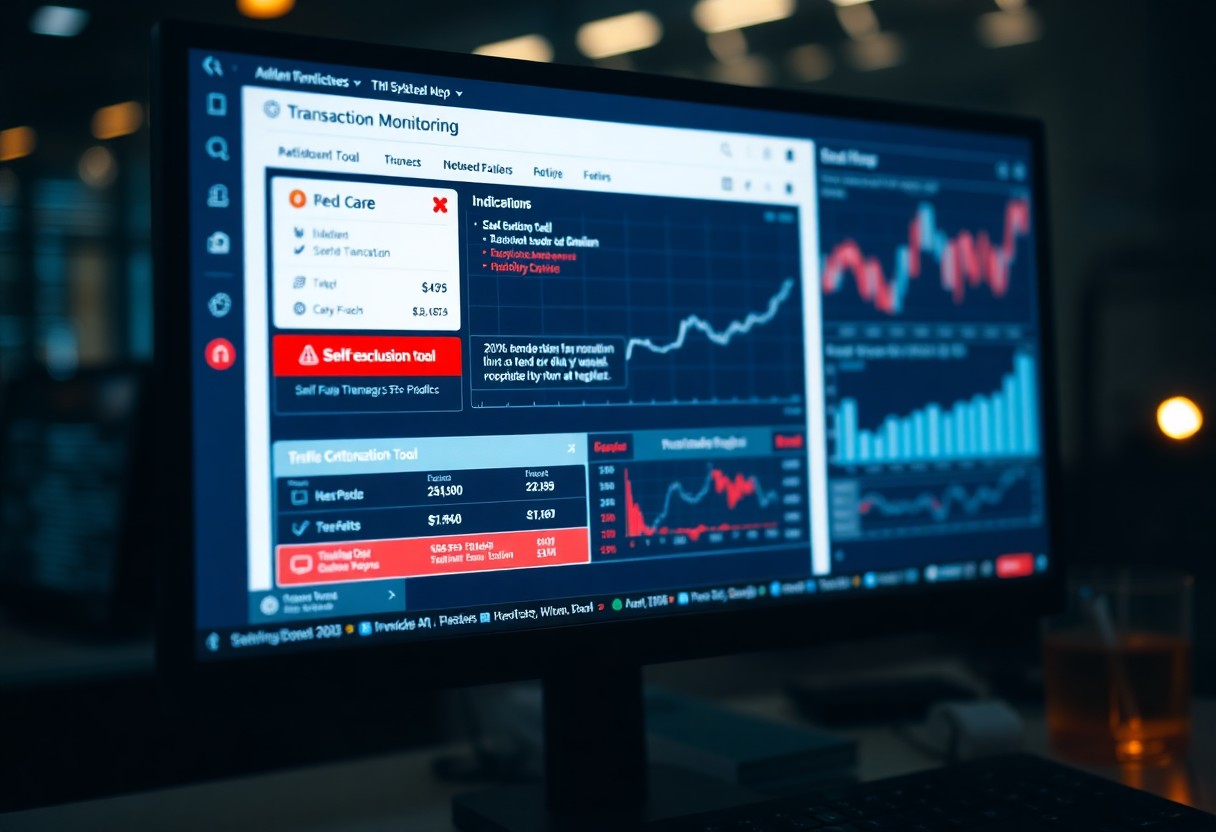
Advanced technology powers real-time monitoring of gambling activities, allowing operators to detect irregular patterns efficiently. Utilizing machine learning algorithms and artificial intelligence, these systems can analyze vast amounts of data, identifying trends and heightening surveillance on users exhibiting suspicious behavior.
This technological approach is exemplified by platforms that employ predictive analytics, harnessing data from various sources, including transaction histories and user behavior metrics. For instance, integrating external databases assists in cross-referencing users' financial activities, enhancing risk assessment. Furthermore, automated alerts can proactively notify operators of players whose activities deviate significantly from normative benchmarks, underscoring the importance of technology in combating money laundering risks.
Data Analytics in Identifying AML Red Flags
Data analytics plays a vital role in spotting AML red flags by analyzing transaction data and user behavior over time. This method allows operators to implement sophisticated algorithms that can uncover hidden correlations and identify high-risk profiles based on established benchmarks and historical trends.
Through data analytics, operators can create dynamic dashboards that visualize behavioral trends and track key performance indicators. For example, an increase in the frequency of self-exclusions paired with significant gambling losses can pinpoint at-risk individuals. This proactive identification empowers compliance teams to act swiftly, ensuring that suspected money laundering activities are reported and investigated accordingly, thus fortifying AML efforts in the gambling sector.
Legal and Regulatory Implications
Compliance with AML Regulations
Adhering to AML regulations is mandatory for gambling operators, as non-compliance can lead to severe legal penalties. Regulatory bodies require operators to implement robust measures that include monitoring self-exclusion data, ensuring that individuals showing red flags are properly addressed. This compliance not only maintains operational integrity but also protects vulnerable gamblers.
Obligations for Gambling Operators
Gambling operators are legally bound to monitor and analyze self-exclusion patterns diligently. This obligation includes reporting suspicious activities linked to money laundering and ensuring that self-excluded individuals are not allowed to place bets. Operators must have systems in place to address the risks associated with players who self-exclude but still attempt to engage in gambling activities.
In practical terms, this means that operators should invest in technology to track players' behavior and maintain up-to-date records of self-exclusions. For instance, software solutions can alert staff to potential breaches in self-exclusion agreements and facilitate immediate intervention. Training employees to recognize AML indicators further reinforces this obligation, thereby aligning operational practices with regulatory expectations.
Consequences of Failing to Monitor Self-Exclusion
Failing to monitor self-exclusion can lead to significant consequences for gambling operators. Not only might they face regulatory penalties, including fines and revocation of licenses, but they also risk damaging their reputation and relationship with consumers. In extreme cases, non-compliance can result in criminal charges, placing the future of the business in jeopardy.
To illustrate, consider a case where an operator neglected to enforce self-exclusion protocols, allowing a high-risk individual to continue gambling. The resulting investigation by regulatory authorities uncovered multiple failures in compliance, leading to a hefty fine and operational restrictions. Such cases underscore the importance of strict adherence to self-exclusion monitoring as a crucial line of defense against money laundering and regulatory lapses.
Best Practices for Implementing Self-Exclusion Tools
Developing Effective Self-Exclusion Policies
Creating robust self-exclusion policies involves defining clear criteria for eligibility, outlining the duration of exclusion, and establishing procedures for reinstatement. Policies should be accessible and communicated clearly to users, ensuring they understand their rights and responsibilities. Incorporating input from stakeholders, including addiction professionals, enhances the effectiveness and comprehensiveness of these policies.
Training Staff on Red Flag Identification
Staff training on identifying red flags linked to problematic gambling behaviors is vital. By equipping employees with the knowledge and skills to recognize suspicious activities, organizations can intervene promptly to mitigate AML risks. This proactive approach fosters a culture of vigilance and accountability within the organization.
Training should include real-world scenarios to illustrate different red flags, such as unusual betting patterns or sudden changes in behavior from customers. Regular updates and refresher courses will help maintain staff awareness and adaptability to emerging trends. The integration of role-playing exercises can also significantly enhance learning retention and situational response effectiveness.
Enhancing Communication with Regulators
Establishing strong communication channels with regulators ensures that self-exclusion frameworks align with legal requirements and best practices. Regular engagement can lead to improved compliance and insight into regulatory expectations, allowing organizations to stay ahead of potential issues.
Proactive dialogue with regulatory bodies can facilitate access to guidance on emerging threats and changes in the regulatory landscape. Participating in collaborative forums also allows organizations to share experiences and strategies, fostering a collective approach to addressing AML concerns. This transparency demonstrates a commitment to responsible operations and enhances trust with regulators and the public alike.
Conclusion
Upon reflecting, self-exclusion tools are closely linked to AML red flags as they indicate potential engagement in risky behaviors associated with money laundering. When individuals voluntarily exclude themselves from gambling or financial platforms, it often suggests underlying issues that may attract illicit activities. Financial institutions and regulators recognize that these tools serve as indicators of behavioral patterns that necessitate further scrutiny. Consequently, monitoring self-exclusion requests aids in identifying suspicious activities and mitigating risks related to regulatory compliance and financial crime prevention.
FAQ
Q: What are self-exclusion tools in gambling?
A: Self-exclusion tools allow individuals to voluntarily restrict their access to gambling facilities or online platforms to manage their gambling habits. These tools can include temporary or permanent bans and are designed to promote responsible gambling.
Q: How are self-exclusion tools associated with AML red flags?
A: Self-exclusion tools are linked to AML red flags because individuals seeking to evade such restrictions may attempt to launder money through gambling activities. This behavior raises concerns about illegal funding sources and potential criminal activity.
Q: What behaviors indicate a risk of money laundering related to self-exclusion?
A: Behaviors that may indicate a risk include frequent attempts to bypass self-exclusion, the use of multiple accounts to gamble, or the involvement of third parties who assist self-excluded individuals in gambling activities, suggesting potential laundering activity.
Q: How can operators mitigate the risks associated with self-exclusion and AML?
A: Operators can mitigate risks by implementing strict verification processes, monitoring gambling patterns for suspicious activity, and maintaining communication with relevant authorities to ensure compliance with AML regulations.
Q: Why is it important for regulators to pay attention to self-exclusion tools?
A: Regulators must pay attention to self-exclusion tools as they are crucial for responsible gambling and can serve as indicators of potential money laundering. Understanding these connections helps enhance regulatory frameworks and protect the integrity of the gaming industry.

Ash
I like to keep it short. I am a writer who also knows how to rhyme his lines. I can write articles, edit them and also carve out some poetic lines from my mind. Education B.A. - English, Delhi University, India, Graduated 2017.
Related Posts

MERKUR Casino UK appoints Dan Whitlam to strengthen compliance leadership
September 22, 2026

BetComply strengthens compliance team with three experienced appointments
September 16, 2026

Inpay faces Danish restriction on new online gambling clients over AML
September 4, 2026