Shareholders protest Hili Properties dividend decision

Shareholders of Hili Properties plc, a subsidiary of Hili Ventures, voiced strong discontent and frustration during the company's recent Annual General Meeting (AGM). The tension was palpable as several minority investors openly accused the board of directors of misconduct, using terms such as “mafia” and “robbers” in an emotionally charged confrontation.
The criticism centered around the company’s announcement that it would not distribute any dividends for the year, despite having previously assured investors of an annual return of approximately 4% as per the original public offering prospectus. This decision came in the wake of the company reporting a profit of roughly €4.7 million for the year, leaving shareholders demanding answers.
Dividend cancellation fuels mistrust
The board of directors justified the decision to withhold dividends by citing the upcoming maturity of a multi-million-euro bond later this year. According to the directors, preserving liquidity for the repayment of the bond was essential, even if it meant diverging from earlier commitments.





















While such a financial strategy might appear prudent from a corporate governance perspective, many shareholders interpreted the move as a breach of trust. One attendee at the meeting, who spoke to local media outlet The Shift, stated, “The atmosphere was agitated during the meeting, with many small shareholders showing complete distrust in the company.”
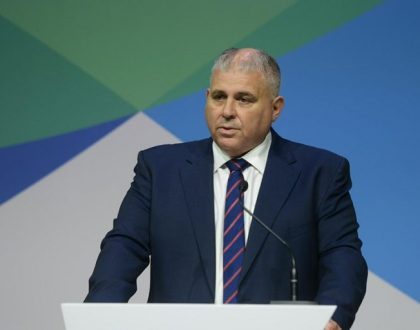
Another individual present added, “They kept protesting and asking for the real net asset value of the company, but they were never given an answer by Chairman Pier Luca Demajo.” The refusal to provide transparency regarding the company’s actual net asset value only exacerbated the frustration among shareholders.
Discontent rooted in previous buyback controversy
This was not the first time shareholders felt sidelined. Back in March, The Shift reported how minority shareholders had already expressed dissatisfaction following a voluntary share buyback offer made by Hili Ventures. The offer raised eyebrows as shareholders who had purchased shares at €0.27 per share in 2022 were being offered just €0.24 per share, despite the company's strong performance and asset growth.
At the time of the buyback proposal, the Net Asset Value (NAV) per share had reportedly reached €0.324, according to internal estimates. Nevertheless, the offer was presented at a rate approximately 30% below this NAV, which shareholders described as a blatant undervaluation. This created a sense of disenfranchisement, especially since the objective of the parent company, Hili Ventures, was to accumulate over 90% of the shares to facilitate delisting from the Malta Stock Exchange.
Despite the undervalued offer, the company failed to reach its goal of acquiring a supermajority, with many retail investors rejecting the buyback terms. The tension from that episode clearly carried over into the latest AGM, as shareholders voiced longstanding concerns about governance, fairness, and corporate ethics.
Lack of transparency draws further criticism
What compounded shareholder unease during the AGM was the board’s reluctance to provide clear answers on key issues, particularly regarding the company’s current net asset position. Transparency, a cornerstone of corporate governance, appeared to be lacking.
Independent observers at the meeting noted that shareholders repeatedly pressed for clarity about the value of their investment, only to be met with evasive responses or no response at all. The refusal to engage constructively with shareholder inquiries has raised concerns about whether the company’s leadership is prioritizing the interests of a select few at the expense of its broader investor base.
Given that many shareholders are small, retail investors who placed trust in the company’s public commitments, the perception of being ignored or misled could have lasting reputational implications for the company and its leadership.
Broader implications for corporate governance
The developments at Hili Properties serve as a cautionary tale for companies operating in public markets. When expectations set out in offering documents are not met, and when transparency is perceived to be lacking, trust in management can quickly erode. For a company that had positioned itself as a stable investment vehicle within the property and real estate sector, the fallout could have serious consequences for its investor relations strategy moving forward.
In light of the current situation, legal experts suggest that while no explicit breach of law appears evident from the available facts, the reputational risks are substantial. From a legal standpoint, the company may be operating within the boundaries of its corporate governance framework. However, the ethical dimensions of investor communication and financial disclosure remain critical.
Furthermore, the episode highlights the growing assertiveness of minority shareholders, who are increasingly willing to challenge corporate decisions they perceive as unfair or opaque.
Company silence continues
To date, Hili Properties has not issued a public response to the media queries surrounding the AGM or the buyback offer. Nor has Hili Ventures, the parent company, responded to requests for clarification. The continuing silence raises questions about the company’s commitment to stakeholder engagement and accountability.
Such non-responsiveness, particularly in matters involving investor trust and financial strategy, risks deepening shareholder dissatisfaction. For publicly listed companies, transparency is not merely a regulatory requirement—it is a foundational pillar of investor confidence.
A critical moment for Hili Properties
As the company faces a critical juncture with the pending bond maturity and increasing pressure from retail investors, its leadership must navigate the dual challenges of financial planning and investor relations. Effective communication, transparent disclosure, and genuine engagement with shareholders are necessary to restore faith in the company’s governance.
For many shareholders, the recent AGM was not just a moment of protest, but a call for accountability and change. Whether the company chooses to respond constructively or maintain its current posture will likely shape its long-term reputation and capital market viability.
Conclusion
The recent turmoil surrounding Hili Properties plc serves as a stark reminder of the critical importance of transparency, accountability, and consistent communication in public companies. While the decision to withhold dividends may be justifiable from a financial planning standpoint—particularly in light of the company’s upcoming bond obligations—the lack of clear explanation and engagement with shareholders has severely eroded investor confidence. The public expressions of frustration at the Annual General Meeting reflect more than just dissatisfaction with a single financial decision; they reveal a deeper sense of mistrust stemming from past events, including the controversial share buyback offer.
For Hili Properties and its parent company, Hili Ventures, this episode presents an opportunity to reassess their approach to shareholder relations. Rebuilding trust will require more than statements of intent—it will demand concrete actions: transparent financial disclosures, open dialogue with stakeholders, and adherence to the promises made in public offerings. Failure to do so could risk long-term damage to the company’s reputation and its ability to attract and retain investment. In an environment where shareholder activism is increasingly vocal and influential, companies must remember that good governance is not merely a regulatory obligation—it is a strategic necessity.
FAQs
Why were shareholders upset at Hili Properties' AGM?
Shareholders were upset because the company canceled dividend payments despite reporting profits, breaking prior commitments and offering no clear explanations.
Did Hili Properties promise dividends?
Yes, according to its original prospectus, the company had indicated an expected return of around 4% annually.
What reason did the company give for not paying dividends?
The board cited the need to conserve liquidity for the repayment of a multi-million-euro bond maturing later this year.
What happened during the previous share buyback?
Hili Ventures, the parent company, offered €0.24 per share to investors who had purchased shares at €0.27, despite a higher net asset value of €0.324.
Did Hili Ventures succeed in delisting the company?
No, the company failed to acquire the required 90% shareholding to initiate delisting from the Malta Stock Exchange.
How did shareholders react to the buyback offer?
Many rejected the offer, calling it undervalued and unfair, leading to further mistrust in company intentions.
Who is the chairman of Hili Properties?
The chairman is Pier Luca Demajo, who faced criticism during the AGM for refusing to disclose the net asset value.
Was any legal action taken by shareholders?
There is no public record of legal action, but many shareholders have expressed serious concerns about fairness and governance.
Is Hili Properties still profitable?
Yes, the company reported a profit of approximately €4.7 million in the previous year.
What are the broader implications of this controversy?
The case highlights the importance of transparent corporate governance, especially when dealing with public investors in listed companies.

Ash
I like to keep it short. I am a writer who also knows how to rhyme his lines. I can write articles, edit them and also carve out some poetic lines from my mind. Education B.A. - English, Delhi University, India, Graduated 2017.