















Should Malta Ban or Restrict Airbnb?
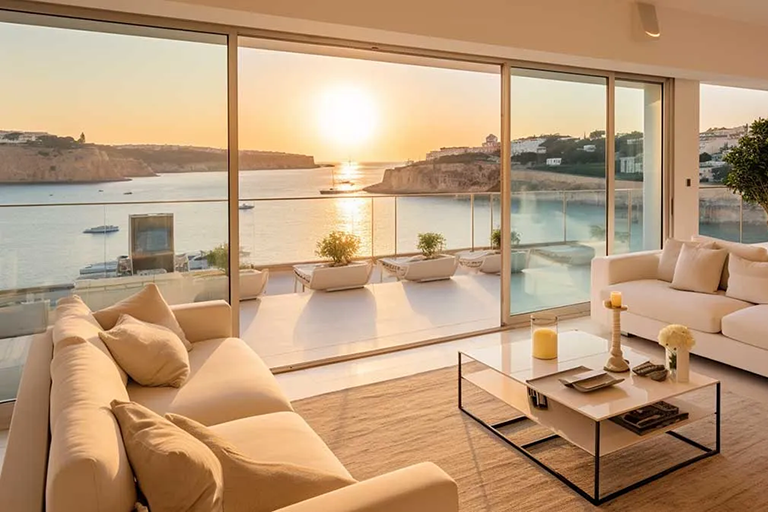
The Maltese government is currently engaged in internal discussions regarding potential restrictions or an outright ban on short-term rentals of homes to tourists, including properties listed on platforms like Airbnb. This debate touches on various concerns, from housing affordability for locals to the impact of tourism on resources and infrastructure.
The Current Discussion
Finance Minister Clyde Caruana recently confirmed in an interview with Lovin Malta that the Ministry of Tourism has been actively considering whether new measures should be introduced to regulate or ban short-term holiday lets. However, he stopped short of confirming any specific plans or decisions.
According to Caruana, any decisions made must consider the needs of all stakeholders involved, not just tourists or landlords. He stressed that many properties serve multiple purposes, including housing foreign workers and local tenants. Therefore, imposing a one-size-fits-all solution might lead to complications, especially for current tenants and landlords who rely on this rental income.





















He stated, “If a property addresses a number of sectors, be they foreign workers or locals, you can’t simply snap your fingers and say it will become one-use as this will create problems with certain tenants. However, I know there are discussions ongoing.”
The Popularity and Controversy of Airbnb
Airbnb and other short-term rental platforms have gained immense popularity over the past decade, particularly in tourist-heavy regions like Malta. For travelers, these platforms provide affordable, convenient, and often more personalized accommodation options compared to traditional hotels. For property owners, they represent a lucrative opportunity to earn income, especially in high-demand areas.
However, Airbnb’s rapid rise has not been without its detractors. Critics argue that short-term holiday lets contribute to a range of social and economic problems, particularly for local communities. The most common complaint is that Airbnb drives up property and rent prices, making it increasingly difficult for locals to afford housing. This is particularly concerning in smaller countries or cities, where housing supply is already limited.
In Malta, there are additional concerns about the strain that increased tourism puts on local resources. The Malta Hotels and Restaurants Association (MHRA) has also raised concerns about safety and quality standards, arguing that short-term rental platforms do not follow the same stringent regulations that apply to hotels. Hotels, for instance, must adhere to various regulations to ensure guest safety and wellbeing, from fire safety standards to hygiene regulations, whereas many Airbnb listings may not meet these standards.
European Precedents for Regulating Short-Term Rentals
Malta is not alone in grappling with the complexities of Airbnb's impact on the housing market and local tourism. Several European cities and countries have already introduced restrictions on short-term rentals in recent years in response to similar concerns.
In Spain, Barcelona has taken a hard-line approach by announcing a ban on all short-term holiday rentals. The city’s mayor, Ada Colau, has long been a vocal critic of platforms like Airbnb, arguing that they exacerbate housing shortages and disrupt local communities. By enforcing this ban, the city aims to protect its long-term housing stock and keep rental prices affordable for its residents.
Italy has also introduced measures to curb the spread of short-term rentals. In Florence, a popular tourist destination known for its rich cultural heritage, the government has imposed a ban on issuing new short-term rental licenses. This move is seen as an attempt to preserve the character of the city and prevent further displacement of local residents.
Portugal, another tourism hotspot, has gone a step further by suspending the issuance of new short-term rental licenses entirely. The government justified this decision by pointing to the growing housing crisis, particularly in urban areas such as Lisbon and Porto. Authorities believe that the suspension will help to stabilize the housing market and ensure that more properties remain available for long-term residents.
Elsewhere, cities like Vienna and Paris have opted for less drastic measures, introducing annual caps on the number of days a property can be rented out on a short-term basis. In Vienna, properties listed on platforms like Airbnb can only be rented to tourists for a maximum of 90 days per year. Paris, which has long been one of the most visited cities in the world, has set a slightly higher limit at 120 days per year. These restrictions are aimed at striking a balance between supporting tourism and protecting housing availability for local residents.
The Impact on Malta’s Tourism and Housing Markets
Given these international examples, it is clear that any decision by Malta to regulate or ban short-term rentals would be in line with broader European trends. However, the potential impact on Malta’s economy, particularly its tourism sector, would be significant.
Tourism is one of the pillars of Malta's economy, contributing nearly 15% to the country’s GDP. In recent years, short-term holiday lets have become an increasingly important part of the tourism ecosystem, providing flexible and diverse accommodation options for the growing number of visitors to the island. According to data from Airbnb, thousands of visitors use the platform each year to find accommodation in Malta, and many hosts rely on this income to support their livelihoods.
At the same time, Malta has faced a housing affordability crisis, particularly in the capital city of Valletta and surrounding areas. The influx of foreign workers, coupled with a growing population and demand for short-term holiday lets, has pushed up both property prices and rents, making it difficult for many locals to find affordable housing. This has led to calls from various quarters for the government to take action.
Restricting short-term rentals could help to alleviate some of the pressure on the housing market by freeing up properties for long-term rentals or sale. However, it could also reduce the income of property owners and limit the accommodation options available to tourists, potentially impacting the overall tourism industry.
Stakeholder Involvement and Potential Compromises
Minister Caruana’s comments suggest that the government is taking a cautious approach to this issue, acknowledging the need to balance the interests of different stakeholders. Any decision to impose restrictions or a ban will likely be made in consultation with key industry players, including property owners, local residents, tourism operators, and foreign workers.
One possible compromise could involve the introduction of annual rental limits similar to those seen in Vienna and Paris. Such a solution could allow property owners to continue benefiting from short-term rentals, while ensuring that properties remain available for long-term residents for the majority of the year. Alternatively, the government could introduce stricter safety and regulatory standards for short-term rental properties, leveling the playing field between Airbnb hosts and traditional hotels.
Conclusion: A Balancing Act
As discussions continue within the Maltese government, it remains to be seen whether a ban or new restrictions on short-term rentals will be introduced. What is clear, however, is that any decision will need to balance the competing interests of the tourism industry, local residents, and property owners. Given the experiences of other European cities, Malta will likely seek to adopt a solution that protects its housing market while maintaining its reputation as a premier tourist destination.
FAQs
What is Malta considering in terms of Airbnb regulations?
Malta is discussing whether to impose restrictions or a ban on short-term rentals to address housing affordability and resource strain.
Why is Airbnb popular with tourists in Malta?
Airbnb provides affordable, flexible, and personalized accommodation options, which makes it a popular choice for tourists visiting Malta.
What concerns do locals have about Airbnb?
Many locals believe that short-term rentals contribute to rising property prices and rents, making housing less affordable for residents.
How has the MHRA responded to Airbnb’s presence in Malta?
The MHRA has expressed concerns about Airbnb's lack of stringent safety regulations, which hotels must adhere to.
What other European cities have restricted Airbnb?
Cities like Barcelona, Florence, Vienna, and Paris have introduced various restrictions on short-term rentals to protect their housing markets.
What might happen if Malta restricts short-term rentals?
Restricting short-term rentals could ease housing pressure for locals but may reduce tourism-related income for property owners.
Are there any compromises being discussed?
The government may consider annual rental limits or stricter regulatory standards as a compromise between stakeholders.
What impact does Airbnb have on the Maltese economy?
Airbnb contributes to Malta's tourism industry, but its role in driving up housing costs has sparked concern.
Could restricting Airbnb affect Malta’s tourism sector?
Yes, restrictions could limit accommodation options for tourists, potentially affecting the overall tourism industry in Malta.
What is the government’s stance on Airbnb restrictions?
The Maltese government is still in discussions, aiming to find a balanced solution that addresses housing concerns without harming tourism.

Ash
I like to keep it short. I am a writer who also knows how to rhyme his lines. I can write articles, edit them and also carve out some poetic lines from my mind. Education B.A. - English, Delhi University, India, Graduated 2017.
Related Posts
Malta luxury travel demand rises
April 11, 2026

Spring travel trends favor Malta
April 10, 2026
Malta welcomes older travellers
April 9, 2026
Malta’s heritage in spring
April 8, 2026