Smart contracts pose fresh legal dilemmas
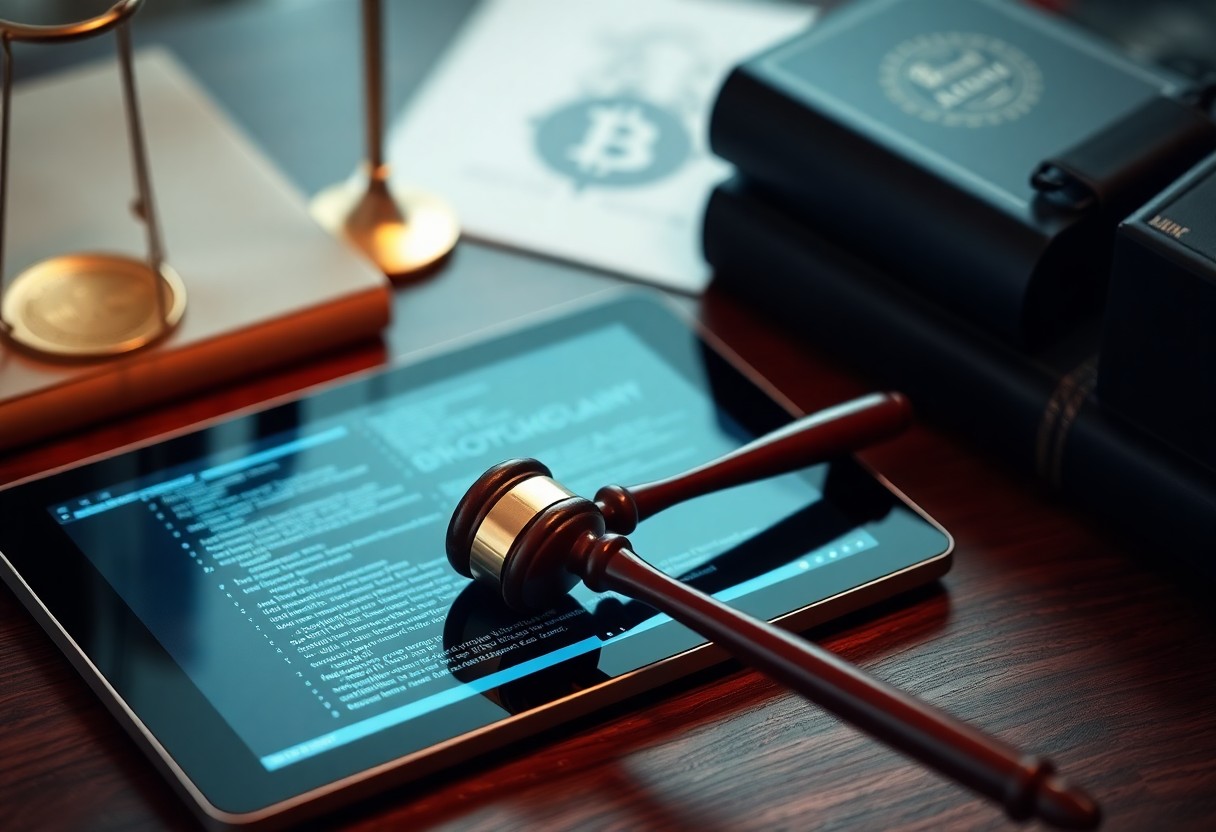
It's becoming increasingly clear that smart contracts, while revolutionizing the way transactions are executed, introduce a host of new legal complexities. Operating on blockchain technology, these self-executing agreements automate processes without traditional intermediaries, leading to questions about their enforceability, jurisdiction, and compliance with existing laws. As businesses adopt this technology, legal practitioners must navigate a rapidly evolving landscape, addressing issues ranging from liability to data security. Understanding these fresh legal dilemmas is vital for stakeholders looking to leverage smart contracts effectively while adhering to regulatory frameworks.
The Blockchain Paradigm Shift: How Smart Contracts are Reshaping Legal Frameworks
Disrupting Traditional Contractual Norms
Smart contracts are fundamentally altering the way agreements are formed and executed, stripping away many traditional legal practices. In a conventional contract, parties may rely on intermediaries, such as lawyers or notaries, to authenticate and enforce obligations. However, with smart contracts, the reliance on these intermediaries diminishes significantly. By leveraging blockchain technology, these digital agreements automatically execute predefined actions once specific conditions are met, reducing the risk of human error and the potential for fraud. For instance, a smart contract can seamlessly transfer ownership of a property upon receipt of a payment, ensuring transparency and efficiency that traditional methods typically lack.
The implications of this shift are profound for contractual norms. The conventional understanding of contract law, rooted in judicial enforcement and subjective interpretation, may need to adapt to accommodate the objective nature of smart contracts. Legal systems may find themselves grappling with issues related to dispute resolution, jurisdiction, and the enforceability of code-based obligations, leading to divergent legal interpretations across jurisdictions. Courts may face challenges determining the parameters of liability in cases where code fails due to bugs or unforeseen circumstances, presenting a unique set of legal dilemmas that will require thoughtful navigation.





















The Rise of Decentralized Autonomous Organizations (DAOs)
The emergence of Decentralized Autonomous Organizations (DAOs) has introduced a new layer to how organizations operate and make decisions. These entities rely on smart contracts to facilitate governance without a centralized authority, allowing stakeholders to participate in decision-making processes through token-based voting mechanisms. DAOs represent a significant departure from traditional corporate structures, empowering individuals to have a say in the operation, funding, and direction of projects. For example, the popular DAO known as The DAO raised over $150 million in Ether in 2016 to create a venture capital fund, Disrupting traditional governance models and showcasing the potential for decentralized decision-making.
DAOs also present their own legal challenges and uncertainties. As these organizations operate across borders without a physical presence, determining their legal status presents complications for regulatory compliance, liability, and taxation. Some jurisdictions have begun to recognize DAOs as distinct entities, while others remain hesitant, viewing them through the lens of existing corporate law frameworks. As the prevalence of DAOs grows, legal systems around the world will need to develop new definitions and regulations to ensure that these innovative structures can thrive while protecting participants' rights and interests.
In essence, the rise of DAOs marks a significant evolution in organizational governance, as they redefine power dynamics and challenge the conventional corporate hierarchy. The shift toward decentralized decision-making not only offers efficiency and inclusivity but also necessitates a reevaluation of existing legal frameworks to accommodate this innovative approach. Understanding the legal implications of these developments will be crucial for individuals and organizations looking to participate in this rapidly evolving landscape.
Navigating Ambiguities: Legal Definitions and Jurisdictional Challenges
Who Is Liable in a Smart Contract Dispute?
Determining liability in smart contract disputes presents complex challenges, as traditional legal frameworks often do not explicitly account for decentralized digital agreements. In cases where something goes awry — be it a failed transaction, a bug in the code, or an unclear contract term — distinguishing responsibility between parties can become murky. For instance, if a buyer suffers losses due to a malfunction in the smart contract's execution, one must decide whether to hold the developer accountable for the code's integrity, the parties for not thoroughly reviewing the contract, or even the platform facilitating the agreement. As various jurisdictions grapple with classifying these contracts, a plethora of outcomes can emerge, complicating the enforcement of rights and obligations.
Recent case studies illustrate this ambiguity, displaying scenarios where multiple actors could bear responsibility. In 2020, an incident on the Ethereum platform resulted in a significant loss of funds due to a bug in a decentralized finance (DeFi) application. Users often turned to the developers and the platform's community for restitution, but legal recourse lacked a clear path. This highlights a pressing need for regulatory clarity to establish liability principles that align with the decentralized nature of smart contracts, potentially leading to precedents that define responsibilities in future disputes.
The Ambiguous Nature of Code as Law
The concept of “code as law,” popularized by legal theorists like Lawrence Lessig, posits that the code driving smart contracts should hold the same weight as traditional legal agreements. However, the ambiguity that arises from this proposition complicates matters considerably. Legal systems worldwide vary significantly in how they interpret contractual obligations, and many are still in the early stages of addressing the implications of automated contract execution. For example, while some jurisdictions might acknowledge the enforceability of a smart contract under existing property laws, others may outright reject such interpretations due to a lack of legislative frameworks surrounding blockchain technology.
Such discrepancies cast doubt on the reliability of smart contracts as legally binding agreements. Different interpretations can lead to divergent outcomes, especially when parties are located in different legal jurisdictions. This inconsistency becomes particularly evident in cross-border transactions where one party may be operating under regulatory guidelines that explicitly exclude or admit the validity of smart contracts, leading to conflict and confusion. Clarifying legal definitions surrounding code and operational jurisdiction will be important to foster trust and predictability in the growing landscape of digital contracts.
Regulatory Gaps: What Existing Laws Can and Cannot Address
The Inadequacy of Current Contract Laws
Current contract laws, rooted in traditional paradigms, often fall short when applied to the digital realm of smart contracts. Existing legal frameworks typically require elements such as offer, acceptance, and consideration, yet the automated and immutable nature of smart contracts raises questions about how these elements manifest in a decentralized environment. For instance, if a smart contract self-executes based on predefined conditions, the lack of a human negotiator complicates the traditional notion of agreement and the parties' intent. Courts may struggle with enforcement and interpretation issues as they evaluate these self-governing contracts that operate without direct human intervention.
Moreover, many jurisdictions lack comprehensive legal definitions for terms associated with blockchain technology, leading to discrepancies in how courts interpret smart contracts. Legal rulings can be unpredictable when approaching disputes arising from these automated agreements, particularly as liability issues become murky. The challenge is further exacerbated by differing interpretations across jurisdictions, which creates inconsistencies that can undermine the enforceability of agreements in international transactions.
Emerging Regulatory Approaches: A Global Perspective
As smart contracts grow in prominence, regulatory bodies around the world are beginning to grapple with their implications. Some countries, such as Switzerland, have embraced blockchain technology by creating flexible regulatory environments that recognize digital contracts as legally binding. In contrast, other regions have adopted a more cautious approach, attempting to legislate the specifics of cryptocurrency and blockchain use without fully understanding the complexities of smart contracts. As a result, regulatory fragmentation has emerged, where businesses operating in multiple jurisdictions face a patchwork of laws that complicate compliance and risk management.
Innovative models have started to take shape worldwide. For instance, the European Union is evaluating its Digital Services Act, which looks to establish a legal framework for digital services inclusive of smart contracts. Similarly, Singapore's Payment Services Act aims to regulate cryptocurrency transactions while providing clarity on how smart contracts fit within existing legal structures. These efforts point toward a global recognition of the need to adapt legal systems to accommodate new technologies while still upholding principles of justice and accountability.
Such initiatives reflect a broader trend towards providing clarity and legal certainty in smart contracts. Governments and regulatory bodies are increasingly aware that without a solid regulatory foundation, innovation could be stifled or lead to significant legal disputes. As more jurisdictions share insights and collaborate on regulatory approaches, a more unified strategy may emerge, fostering an environment conducive to the sustainable growth of blockchain technology and smart contracts.
Enforceability and Execution: The Legal Landscape
Validity of Smart Contracts in Court
Smart contracts, despite their growing prevalence, have not yet gained widespread judicial recognition as enforceable instruments. Courts have faced challenges interpreting the nature of smart contracts, particularly concerning their status as legally binding agreements. Various jurisdictions approach this issue differently; for example, the United States could see some successful litigation based on the Uniform Commercial Code (UCC), which recognizes electronic signatures and records. However, certain jurisdictions have historically upheld informal agreements, potentially complicating the enforceability of smart contracts that are often built on immutable blockchain technology but may lack the formality required under traditional contract laws.
In disputes regarding the validity of a smart contract, courts may scrutinize critical components such as consent, consideration, and the ability to fulfill the contract terms. A notable case involved a blockchain-based agreement where one party claimed that the contract was invalid due to the lack of mutual assent. Although decisions vary, courts lean towards recognizing smart contracts if they align with conventional legal principles. This legal uncertainty creates a complex environment for businesses looking to implement smart contracts with confidence.
Mechanisms for Dispute Resolution
Given the potential for disputes arising from smart contracts, alternative dispute resolution (ADR) mechanisms are emerging as viable solutions. Mediation and arbitration are two prominent approaches that lend themselves well to resolving conflicts outside of traditional court systems. For instance, some smart contract platforms incorporate built-in arbitration clauses, ensuring that parties can resolve disputes efficiently. Arbitration, in particular, has gained traction due to its efficiency and costs; industry experts suggest that arbitration may reduce dispute resolution time by nearly 50% compared to traditional litigation pathways.
The integration of technology in dispute resolution allows for a more streamlined process, wherein automated systems can analyze contract terms and transaction histories. This facilitates faster, data-driven decision-making. Furthermore, some organizations are exploring decentralized arbitration services, where a pool of experts can weigh in on disputes, ensuring that findings are impartial and based on the governing smart contract protocol. As the landscape evolves, expect a growing number of innovative solutions that marry technology with traditional legal principles to forge a new path for resolving disputes related to smart contracts.
Impacts on Intellectual Property and Data Rights
Ownership in a Digital Contract Environment
In the digital contract landscape shaped by smart technology, the concept of ownership takes on a new dimension. Traditional ownership relies on paper contracts that clearly outline rights and responsibilities; however, in a blockchain environment, ownership can become murky. For instance, who holds the rights to digital artwork encoded in a non-fungible token (NFT) if the smart contract is designed to allow for ongoing royalties? Such complexities can lead to disputes over copyright, patent rights, and usage permissions, potentially complicating enforcement actions and ownership claims. Surveys reveal that over 65% of creators and developers in the blockchain sphere lack clarity on intellectual property rights relating to their digital assets, highlighting the pressing need for a legal framework that reflects this changing ownership paradigm.
Furthermore, as smart contracts automate transactions, they can inadvertently shift ownership dynamics. When a creator uploads their work onto a platform that utilizes smart contracts, they may relinquish certain rights to the platform itself, depending on the terms embedded in the code. This scenario calls for a more sophisticated understanding of the implications associated with digital ownership, particularly as emerging technology continues to evolve in ways that traditional laws do not anticipate. Consequently, legal professionals and policymakers are increasingly required to dissect these contracts thoroughly to discern where rights truly reside in each instance.
Protecting Intellectual Property in a Smart Contract Era
Smart contracts have the potential to revolutionize the protection of intellectual property rights by offering transparency and immutability. However, with these benefits come challenges that could render conventional protective measures insufficient. The decentralized nature of blockchain can make it challenging to enforce IP rights in different jurisdictions. Cases of IP theft and infringement are difficult to battle when ownership and rights are recorded in varying ways across multiple blockchain networks. For example, an artist whose work has been minted on an NFT platform may find it arduous to pursue infringement claims if the infringers operate anonymously and across borders.
To effectively safeguard intellectual property in the smart contract era, innovative strategies are needed. These might include developing legal standards that incorporate the unique aspects of blockchain technology, such as creating a registry for IP assets that leverages smart contracts for enforcement purposes. Additionally, informing creators about how to structure their smart contracts to protect their rights better will be paramount. In doing so, collaborative efforts between technologists, lawmakers, and IP experts will facilitate the creation of frameworks that seamlessly integrate IP protection within the foundational design of new digital ecosystems.
Ethical Considerations: Autonomy vs. Accountability
The Human Element in Automated Agreements
As smart contracts operate under prescribed algorithms and automated conditions, the reliance on technology raises profound questions about the human element within agreements. In scenarios where a contract bound by code fails to account for unforeseen circumstances or complexities inherent to human relationships, the implications of such rigidity can disrupt parties' trust and the long-term viability of business transactions. For instance, a smart contract programmed to release funds upon a specific event may execute automatically despite external factors, such as a natural disaster affecting the performance of obligations. Such incidents highlight the tension between machine-driven efficiency and the nuances of human judgment that are often critical in contract execution.
The absence of human discretion in automated processes can lead to ethical dilemmas concerning fairness and justice. If a smart contract enforces penalties or other actions without the ability to consider contextual elements, impacted parties could find themselves at significant disadvantage, provoking debates over the ethical responsibilities of developers in ensuring their programming aligns with equitable treatment. The challenge lies in balancing the objective logic of smart contracts with the unpredictable nature of human interactions, making it imperative to embed ethical frameworks into their design and deployment.
Are Smart Contracts Creating a Legal Grey Zone?
Legal frameworks have struggled to keep pace with the rapid evolution of smart contracts, yielding a landscape where uncertainty reigns regarding their validity and the extent of legal recourse available. Although smart contracts may operate as self-executing agreements, disputes surrounding their enforceability can arise due to the lack of established legal precedents. Without clear jurisdictional guidance, parties find themselves navigating uncharted territory when conflicts occur, potentially leading to protracted legal battles that test the very foundations of contract law. A notable example includes the 2020 case involving a decentralized finance platform where a smart contract bug resulted in the loss of millions, overshadowing the question of liability amidst the digital fog.
This legal ambiguity extends into numerous dimensions—contract formation, interpretation, and enforceability—which collectively contribute to a grey zone where parties may have limited recourse. As courts begin to address disputes involving smart contracts, the evolving interpretations of existing laws could set precedents that transform traditional notions of contract law in significant ways. The challenge will be reconciling the innovative nature of smart contracts with the established legal principles that underpin traditional agreements, and finding a balance that accommodates both autonomy and accountability in this emerging digital economy.
Future Projections: How Legal Experts Envision the Evolution of Smart Contracts
Trends in Legislation and Compliance
Legal experts predict a progressive shift toward comprehensive legislation tailored specifically to smart contracts. Countries like Switzerland have already begun implementing frameworks that recognize the validity and enforceability of these digital agreements. The European Union is also examining the potential for regulations that would harmonize smart contract legal standards across member states, a move that could streamline compliance for businesses operating in multiple jurisdictions. These legislative efforts are imperative for instilling confidence in evolving technology while also addressing consumer protection, transparency, and dispute resolution mechanisms.
As governments grapple with the implications of smart contracts, public-private partnerships are becoming increasingly prominent. These collaborations aim to provide guidance on compliance protocols, ensuring that technology developers, legal practitioners, and businesses can adapt to the changing landscape. For instance, initiatives like the Blockchain Association in the U.S. are actively working with legislators to formulate regulations that foster innovation while maintaining necessary oversight, emphasizing the importance of proactive legal frameworks in encouraging compliance and industry growth.
Potential Innovations in Smart Contract Design
Innovations in smart contract design are paving the way for greater adaptability and user-friendliness. Advanced algorithms can now incorporate artificial intelligence, enabling contracts to dynamically adjust terms and conditions based on real-time data inputs. This evolution can transform traditional contractual relationships by allowing for automatic renegotiation and modification without requiring extensive legal intervention. Such capabilities not only enhance compliance but may also reduce litigation risks as they facilitate clearer compliance with regulations and standards.
Software and development ecosystems surrounding smart contracts continue to evolve, incorporating tools that enable better auditing and tracking of contract performance. Projects focusing on interoperability among different blockchain platforms are emerging, reducing barriers to entry for various stakeholders. There's also potential for the integration of user-friendly interfaces, making these complex agreements more accessible to non-technical users—a necessary step for widespread adoption in various industries. Overall, as smart contracts become more versatile and intuitive, they hold the promise of revolutionizing how agreements are executed and enforced in the digital age.
Practical Recommendations for Legal Professionals and Businesses
Best Practices for Engaging with Smart Contracts
Legal professionals and businesses must engage with smart contracts through a lens of diligence and foresight. It's advisable to start with a comprehensive audit of existing processes, identifying areas where smart contracts can enhance efficiency while ensuring compliance with relevant laws. For instance, organizations in finance should conduct a thorough analysis of any existing agreements that could be automated or executed via smart contract technology, keeping in mind the regulatory landscape governing digital transactions. The collaboration between IT and legal departments is crucial, as this ensures a robust understanding of both the technical capabilities and the legal implications tied to smart contracts.
Transparent communication is another pivotal element. All stakeholders involved must gain a thorough understanding of how smart contracts will operate, what data they will access, and how they will ensure adherence to existing laws and regulations. For example, parties in a supply chain may benefit from shared understanding and clear KPIs in their smart contracts to track compliance and performance, reducing the risks of disputes arising from misaligned expectations. Regular reviews and updates to these contracts can further mitigate risks associated with technology changes and evolving legal standards.
Building a Framework for Compliance and Risk Mitigation
Creating a structured approach for compliance is integral to integrating smart contracts within any organization. This involves identifying potential risk factors associated with automated execution of agreements, such as compliance with legal standards, data privacy, and security issues. Developing a comprehensive framework that aligns with existing legal and regulatory mandates can help navigate these challenges effectively. Conducting regular compliance training sessions and updates can greatly assist employees in understanding their roles in maintaining compliance in smart contract environments.
Employing a meticulous framework also enhances the organization's ability to manage disputes and engage with oversight mechanisms. For instance, utilizing dispute resolution protocols or establishing clear terms for addressing failures in contract execution can significantly minimize legal exposure. Furthermore, leveraging technology through automated alerts or compliance dashboards contributes to maintaining awareness of compliance status in real-time, allowing businesses to react swiftly to any deviations from expected norms.
A thorough compliance framework should also consider the evolving nature of regulations surrounding blockchain and smart contracts. As various jurisdictions continue to explore and establish their own guidelines, legal professionals need to remain abreast of changes in the legal landscape. By proactively mapping out the compliance landscape and ensuring that smart contracts align with both local and international regulations, businesses can better position themselves as trustworthy participants in the digital economy.
Summing up
Conclusively, the rise of smart contracts introduces a new wave of legal complexities that cannot be overlooked. These self-executing contracts, which automatically enforce terms upon the fulfillment of predefined conditions, challenge traditional legal frameworks and concepts. Issues such as enforceability, jurisdiction, and the need for regulatory oversight are becoming increasingly prominent as more industries begin to adopt this technology. Legal practitioners and lawmakers must now navigate these uncharted waters, developing new guidelines that address the unique aspects of smart contracts while ensuring protection for all parties involved.
Moreover, as smart contracts often operate within decentralized networks, questions arise regarding liability and accountability in the event of a breach or malfunction. The existing legal system may struggle to keep pace with the speed of innovation in this area, potentially leaving individuals and businesses vulnerable to various risks. Therefore, collaboration between technologists and legal experts is necessary to create frameworks that accommodate the innovative potential of smart contracts while safeguarding legal rights and interests in this digital landscape.

Lisa
Welcome. I am an experienced writer and I am ready to help you with all forms of writing needs you require. Education B.A. - linguistics, University of Wisconsin-Whitewater, United States, Graduated 2006.
Related Posts





Italy reconsiders gambling ad ban to boost football funding
April 10, 2026

KSA flags Unibet operator Optdeck for AML non‑compliance
April 10, 2026