Spelinspektionen issues $1M fine to Spooniker for AML breaches
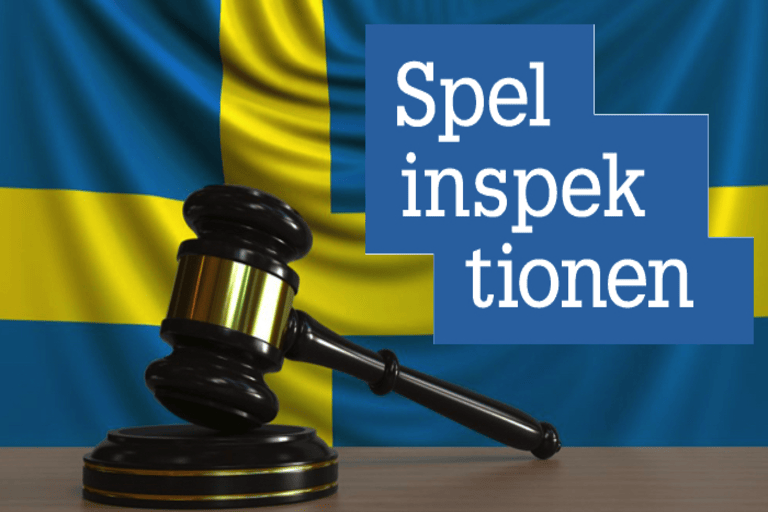
Spelinspektionen, the Swedish Gambling Authority, has imposed a penalty of SEK 10 million (around $1 million) on Spooniker Ltd, a subsidiary of the Kindred Group, due to shortcomings in fulfilling customer due diligence requirements as mandated by Sweden's anti-money laundering (AML) regulations. This latest enforcement action signals the regulator's increasing scrutiny of compliance frameworks among online gambling operators in Sweden.
Regulatory background and basis for the fine
The penalty stems from an inspection into Spooniker's practices regarding customer verification and financial source tracking. According to Spelinspektionen, the company had not gathered adequate information to determine the origin of player funds—a critical requirement under Sweden’s Money Laundering Act. This oversight meant that Spooniker was not in a position to judge whether funds being deposited by users were derived from lawful sources or linked to money laundering or terrorist financing activities.
Spelinspektionen stated that such a lapse presents a severe regulatory breach, given the high-risk nature of the online gambling sector. Without clear insights into player finances, operators may unwittingly enable illicit financial flows through their platforms.





















Historical context and prior sanctions
This SEK 10 million fine is not the first enforcement action directed at Spooniker. The Kindred Group subsidiary has a history of regulatory trouble in Sweden. Notably, in December 2024, Spooniker was fined SEK 30 million for providing unauthorised bonuses and operating unlicensed lotteries—another violation of Sweden’s stringent gambling framework.
Earlier, in 2021, the company found itself at odds with the regulator after Spelinspektionen alleged that it allowed users to exceed the deposit limit of SEK 5,000 introduced during the COVID-19 pandemic. Spooniker, however, successfully appealed that decision in court, with the court ruling in its favour.
These recurring incidents have led regulators to express concerns about Kindred’s broader compliance culture, particularly in its Swedish-facing operations.
The evolution of AML fine calculations
It is noteworthy that the current fine does not reflect the updated penalty calculations introduced in June 2024 for AML violations. Because the breaches identified in this case occurred before that legislative shift, the fine was assessed under the previous framework. Under current guidelines, penalties for similar offences could be significantly higher due to stricter sanctions meant to reinforce financial integrity in the gambling sector.
The Swedish AML regime, updated in mid-2024, introduced a tiered system of penalties tied more closely to the operator’s revenue and the severity of the violation. While Spooniker’s SEK 10 million fine is substantial, it could have been greater had the new model applied retroactively.
Recent regulatory shifts and board changes
Spelinspektionen has also undergone internal restructuring to enhance regulatory oversight. In early 2025, Professor Jenny Cisneros Örnberg was named to the Board of the Swedish Gambling Authority as a new appointee. Known for her research in public policy and gambling regulation, Örnberg is expected to play a key role in shaping Sweden’s regulatory future, especially with regard to harm reduction and AML frameworks.
Parent company changes: Kindred’s new ownership
The recent actions against Spooniker come amid major corporate developments for its parent company. In 2024, French gambling giant FDJ (Française des Jeux) successfully acquired Kindred Group, consolidating its position in the European gambling market. The acquisition raised questions about how the company’s internal compliance policies would evolve under FDJ’s leadership, particularly in jurisdictions with tight regulatory frameworks like Sweden.
FDJ has historically maintained a more conservative approach to gambling operations, particularly in its home market of France, where state oversight is extensive. It remains uncertain whether that organizational culture will begin to shape the operations of Kindred's subsidiaries.
Fines for other operators: a broader pattern
Spooniker’s fine is just one of several recent actions by Spelinspektionen, indicating a broader crackdown on regulatory non-compliance. In March 2025, the regulator imposed fines of SEK 28 million on Glitnor Services and SEK 8 million on Roar Vegas. The violations were linked to shortcomings in adhering to the “duty of care” requirements outlined in the Swedish Gambling Act.
According to findings, 10 out of 12 sampled Glitnor customers received inadequate intervention for signs of problem gambling, despite clear risk indicators. Alarmingly, three of the affected individuals were aged between 18 and 24—a demographic that Spelinspektionen considers especially vulnerable to gambling harm. Roar Vegas faced similar criticisms for neglecting its social responsibility obligations.
These actions underline the regulator’s commitment to consumer protection and AML enforcement. Operators failing to adhere to Swedish law are increasingly likely to face significant financial and reputational consequences.
The regulator’s perspective on due diligence
Spelinspektionen’s regulatory philosophy emphasizes the importance of robust Know Your Customer (KYC) and source-of-funds checks. In its commentary on the Spooniker case, the authority reiterated that operators cannot rely solely on superficial customer data. Instead, they must implement dynamic monitoring systems that can detect suspicious financial activity, investigate irregularities, and report findings to financial intelligence authorities.
For example, routine deposits of large sums from newly registered users without income verification or flagged banking sources must prompt immediate scrutiny. In cases like Spooniker’s, failure to perform these steps systematically and thoroughly represents a grave lapse.
Reputational implications for Kindred
Repeated enforcement actions have not only financial consequences for Kindred Group but also affect its standing in key regulated markets. Reputational damage can translate into tougher scrutiny in licensing applications, strained relations with regulators, and increasing difficulty in market expansion efforts.
With Sweden being one of Europe’s most tightly regulated gambling markets, continued non-compliance may undermine Kindred’s ability to maintain its foothold. As more jurisdictions adopt Sweden-like models—including mandatory due diligence, deposit caps, and advertising restrictions—Kindred may need to overhaul its entire compliance ecosystem to remain competitive and compliant.
Looking ahead: enhanced scrutiny in the gambling sector
Sweden’s regulatory trajectory points toward more frequent and harsher penalties for companies that violate AML and consumer protection rules. In this climate, operators must prioritize internal audits, better staff training, and the adoption of advanced monitoring tools that go beyond basic compliance checklists.
Moreover, with increasing cooperation between European gambling regulators, actions taken in Sweden could influence how Spooniker and its parent company are treated in other jurisdictions, particularly as regulatory frameworks align across the EU and beyond.
Conclusion
The SEK 10 million fine imposed on Spooniker by Spelinspektionen serves as a stark reminder of the critical importance of compliance in the regulated gambling sector. As part of Kindred Group—now under the ownership of FDJ—Spooniker’s repeated violations reflect broader challenges in maintaining robust anti-money laundering and customer protection standards. Swedish authorities are clearly intensifying their regulatory oversight, particularly in the wake of growing concerns around financial crime and gambling-related harm.
For operators, the message is clear: superficial due diligence measures are no longer sufficient in tightly regulated jurisdictions like Sweden. Gambling companies must invest in comprehensive risk assessment frameworks, continuous monitoring systems, and proactive customer verification protocols. Failure to do so not only invites financial penalties but also risks long-term reputational damage and regulatory exclusion.
As the European gambling landscape continues to evolve, with increasing cross-border cooperation and harmonisation of standards, adherence to local compliance obligations is not just a legal requirement—it is a strategic imperative. Spooniker’s case underscores the high stakes for global operators navigating this complex regulatory terrain.
FAQs
Why was Spooniker fined by Spelinspektionen?
Spooniker was fined for failing to conduct adequate customer due diligence and for not gathering sufficient information on the origin of customer funds.
How much was the fine imposed on Spooniker?
Spelinspektionen fined Spooniker SEK 10 million, equivalent to approximately $1 million.
What specific failures did Spooniker commit under AML laws?
Spooniker failed to investigate the source of player funds, hindering its ability to detect money laundering or terrorist financing.
Is this Spooniker’s first fine by Spelinspektionen?
No, Spooniker was previously fined SEK 30 million in December 2024 for unauthorised bonuses and lotteries.
Did the new AML fine rules affect this case?
No, since the violations occurred before June 2024, the fine was calculated under the old regulatory framework.
What is the relationship between Kindred and Spooniker?
Spooniker is a subsidiary of Kindred Group, a major European gambling operator now owned by FDJ.
Has Kindred faced other regulatory issues in Sweden?
Yes, Kindred has a history of fines and warnings from Spelinspektionen, including deposit limit violations and unlicensed offerings.
What other operators have been fined recently in Sweden?
In March 2025, Glitnor Services and Roar Vegas were fined SEK 28 million and SEK 8 million respectively for duty of care failures.
Who is Jenny Cisneros Örnberg and why is she relevant?
She was recently appointed to the Board of Spelinspektionen and is expected to influence policy with her expertise in gambling regulation.
What does this case signal for other operators in Sweden?
It indicates a tightening regulatory environment with increasing scrutiny on AML and consumer protection measures.

Anna Amstill
I am an avid Blogger and Writer with more than 6 years of experience with Content Writing. An Online Marketing expert specializing in Blog writing, Article writing, Website content, SEO specific Keyword content and much more. Education B.A. - business management, York University, Canada, Graduated 2016.
Related Posts

Golden Whale appoints Jaime Ocampo as Asia Managing Director
April 13, 2026



Onlyplay launches Hot Dunk basketball slot with free spins
April 10, 2026