Why sponsorship bans in sport may expand to online gaming
Sponsorship in sports is undergoing significant scrutiny, leading to potential expansions of bans to the online gaming sector. As concerns regarding the social impact of gambling continue to rise, regulatory bodies are contemplating more stringent measures. This shift may be driven by the need to protect vulnerable populations and promote responsible gaming practices. Understanding the implications of these sponsorship bans is vital for stakeholders in both the sports and gaming industries, as they navigate a landscape increasingly influenced by public opinion and regulatory pressures.
The Rising Tide of Ethical Considerations in Sports Sponsorship
Public Sentiment Shifts
Recent surveys show a growing discontent among fans regarding sponsorship deals with gambling companies. For instance, a 2022 poll revealed that 67% of respondents believed sports organizations should limit or ban sponsorships from gambling firms. This sentiment reflects a broader societal push for responsible gambling practices and increased awareness of the potential negative impacts of commercialization on sports integrity and youth culture.
Institutional Responses to Rising Concerns
In light of shifting public attitudes, various sports governing bodies are reassessing their relationships with gambling sponsors. Notably, organizations like the Premier League have begun to reconsider their sponsorship policies, aiming to implement stricter guidelines that prioritize ethical considerations over financial gain.








This reassessment is evident in the growing number of sports leagues and associations worldwide that have initiated discussions surrounding responsible advertising and sponsorship practices. For example, in 2023, the England and Wales Cricket Board announced a review of its partnerships with betting companies amidst rising public concern about gambling addiction. Additionally, the National Football League established guidelines to limit the exposure of young fans to wagering advertisements during televised games. These proactive measures highlight a significant shift towards safeguarding athletes and fans alike from the potential pitfalls of gambling-associated sponsorship, paving the way for more responsible practices in the sports industry. Lastly, the discussion has prompted some organizations to seek alternative funding sources, focusing on sustainability and aligning with ethical standards.
From Turf to Cyber: The Blurring Lines Between Real and Virtual Sports
The Explosion of Online Gaming Popularity
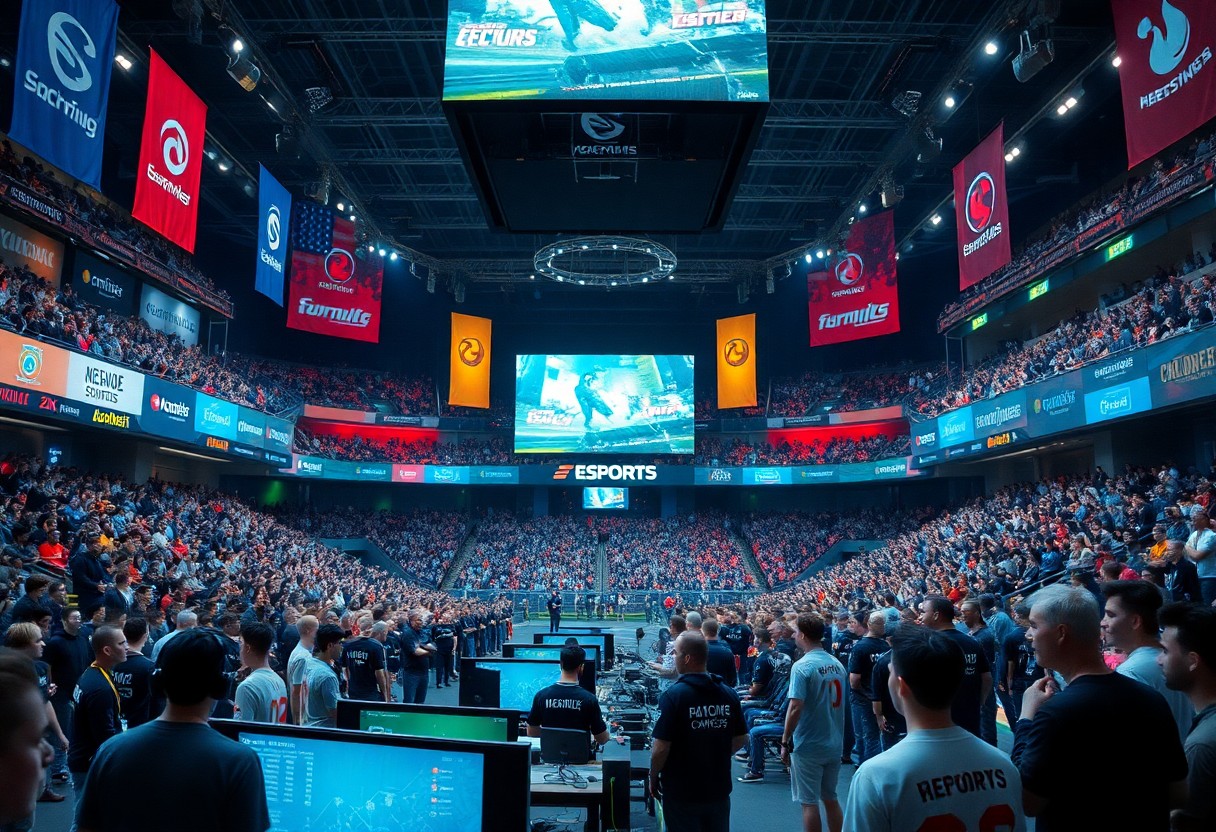
Online gaming has surged in popularity, with the global gaming market projected to reach $218.7 billion by 2024. Factors such as increased internet accessibility, the rise of social media platforms, and the advent of interactive gaming experiences have drawn millions of players into virtual worlds. This boom has not only captivated individual gamers but has also attracted major sponsorship deals, paralleling traditional sports in audience engagement and revenue generation.
Regulatory Challenges in Digital Domains
The evolution of online gaming presents significant regulatory challenges, as laws lag behind rapid technological advancements. Different jurisdictions have varying legal frameworks regarding online gambling and gaming sponsorship, complicating compliance for companies that operate across borders. Additionally, the blurred lines between gaming and traditional sports create uncertainties around consumer protection, advertising ethics, and responsible sponsorship practices.
In many regions, the lack of coherent regulations leads to an uneven playing field, where some platforms operate in gray areas, circumventing restrictions that apply to traditional sports. For instance, while gambling sponsorship in sports may be tightly controlled, online gaming companies often exploit regulatory loopholes to market aggressively without the same oversight. This disparity increases the risk of harm to consumers, particularly young players, and fuels ongoing discussions about the need for tighter regulations that encompass the digital landscape of gaming.
The Cost of Complicity: Financial Ramifications of Sponsorship Bans
Revenue Loss for Organizations and Players
Bans on sponsorship can lead to substantial revenue losses for both organizations and individual players. In 2020, the global sports sponsorship market was valued at approximately $56.8 billion; restrictions can significantly cut into this lucrative source of funding. For players, the absence of sponsorship deals often means reduced visibility and diminished prize funds, affecting their overall income streams.
Long-term Brand Damage and Reputation
Long-term repercussions of sponsorship bans can severely impact brand reputation. Organizations associated with banned entities might find themselves entangled in public relations nightmares, resulting in diminished consumer trust and loyalty. For instance, if a gaming organization forfeits its lucrative sponsorships, the immediate financial impact could overshadow its long-term viability, alienating fans and stakeholders alike.
Trust and credibility, once lost, can take years to rebuild. Brands that face backlash due to sponsorship bans may witness a stark decline in merchandise sales and reduced market share. The fallout extends beyond immediate financial metrics, affecting fan engagement and future partnership opportunities. Take the example of FIFA, where past scandals have left lasting scars on its brand; similar scenarios for gaming organizations could lead to a long-term struggle to regain market confidence, resulting in a significant competitive disadvantage.
A Comparative Analysis: Traditional Sports vs. Online Gaming Sponsorships
| Aspect | Traditional Sports |
|---|---|
| Regulatory Environment | Established regulations governing sponsorship, with clear boundaries on what types of sponsorship are permissible. |
| Public Perception | Generally positive, but increasing scrutiny over sponsorship from controversial sectors (e.g., gambling, alcohol). |
| Revenue Generation | Significant source of revenue; partnerships with large brands can reach billions in contracts. |
| Historical Context | Bans have focused on preventing exploitation; recent bans highlight public health concerns and societal impact. |
| Examples | Major sponsorships by brands like Nike, Coca-Cola; limited by certain regulations in various regions. |
| Aspect | Online Gaming |
| Regulatory Environment | Rapidly evolving laws; often lacks the stringent oversight seen in traditional sports. |
| Public Perception | Divided opinion; some view it as entertainment while others raise concerns about addiction and ethics. |
| Revenue Generation | Fast-growing sector with revenue expected to surpass $20 billion in coming years, fueled by esports and streaming. |
| Historical Context | Less established precedent for bans, though early movements are emerging around player health and ethics. |
| Examples | Partnerships with platforms like Twitch and major game developers, often tied to promotional events and esports leagues. |
Historical Context of Sponsorship Bans in Traditional Sports
Sponsorship bans in traditional sports have primarily emerged from concerns about player integrity and public health. Notable instances include regulations against sponsorships from tobacco companies post the 1998 Master Settlement Agreement in the U.S., which prohibited advertising aimed at youth. Alcohol sponsorships face similar scrutiny, particularly in sports viewed by younger audiences, prompting organizations to reevaluate partnerships to align with public health initiatives.
Potential Patterns to Anticipate in Online Gaming
Online gaming may mirror traditional sports in facing increased scrutiny over sponsorships as issues of addiction and irresponsible gaming unfold. Regulatory bodies are likely to implement more stringent guidelines in response to societal pressures, paralleling the pattern seen in tobacco and alcohol sponsorships in traditional sports.
This shift could manifest in similar bans targeting online gaming brands promoting gambling or loot box mechanics, especially as concerns about their impact on younger demographics grow. As governments explore tighter regulations, gaming organizations may need to pivot their sponsorship models, potentially moving toward partnerships that promote player wellness and responsible gaming. The evolution of these sponsorships will likely reflect a holistic view of gaming's role in society, prioritizing health and ethics while still aiming to capitalize on rapidly expanding audiences.
The Role of Major Stakeholders in Shaping Sponsorship Policies
Influencers and Athletes as Catalysts for Change
Influencers and prominent athletes wield significant power in shaping public opinion and sponsorship policies. Their platforms can amplify concerns regarding ethical advertising and responsible gaming. High-profile athletes who advocate for healthy gaming habits or express opposition to certain sponsorships can sway both fans and sponsors, prompting organizations to reconsider their partnerships. As more athletes share their experiences, the dialogue around sponsorship becomes more nuanced, pushing stakeholders to adapt.
Regulatory Bodies' Stance on Sponsorship in Gaming
Regulatory bodies are increasingly scrutinizing sponsorship practices in online gaming, recognizing potential risks to vulnerable populations, especially minors. Guidelines are evolving to establish a clear framework for responsible advertising and sponsorship, reflecting societal concerns about addiction and gambling. Regulators are looking to create standards that prevent predatory practices, ensuring that companies prioritize consumer welfare while navigating the complexities of digital engagement.
Countries such as the UK and Australia have initiated discussions around stricter advertising guidelines, calling for transparency in sponsorship relationships within online gaming. The UK Gambling Commission, for instance, has emphasized the need for responsible marketing practices that protect young audiences. This movement is not just about creating a safer gaming environment but also about shaping how sponsorships are perceived and executed within the industry. Companies are now being urged to align their marketing strategies with ethical standards, fostering a culture of accountability in sponsorship dealings.
Envisioning the Future: Evolving Sponsorship Strategies in Gaming
Alternative Revenue Models Emerging in Response
As traditional sponsorship avenues face restrictions, the gaming industry is pivoting towards alternative revenue models. Esports organizations and gaming studios are exploring subscription-based services, in-game purchases, and exclusive content releases to generate income. Platforms like Twitch and YouTube Gaming are becoming key players in monetization strategies, allowing creators to earn revenue through ad sharing and viewer donations. These shifts illustrate a broader trend of diversifying income streams while adapting to regulatory pressures.
Best Practices for Ethical Partnerships in Digital Entertainment
Establishing ethical partnerships is vital for maintaining trust and integrity within the digital entertainment landscape. Companies should focus on aligning with brands that reflect their values and resonate with their audience. Transparency in marketing and avoiding exploitative practices ensures that partnerships contribute positively to both the community and the companies involved.
Building on this foundation, successful collaborations should prioritize authenticity and long-term relationships over short-term gains. Inclusive campaigns that elevate underrepresented voices and avoid controversial associations can foster a positive community impact. Attention to audience feedback and responsiveness to social issues also enhance brand reputation. Notable examples include League of Legends' collaborations with mental health initiatives, which not only boost awareness but also demonstrate commitment to social responsibility. By adopting these best practices, the digital entertainment sector can ensure that ethical partnerships thrive amidst evolving market conditions.
The Social Responsibility Movement: Advocating for Healthy Sponsorship Practices
The Impact of Activism on Sponsorship Standards
Activism is reshaping the landscape of sponsorship standards across sports and gaming. Campaigns promoting social responsibility have pressured brands to reassess their partnerships, prioritizing ethics over mere visibility. As public consciousness about issues like addiction and mental health rises, sponsors face increased scrutiny, pushing them to adopt more responsible practices that resonate with consumers.
Case Studies of Successful Ethical Sponsorships
Successful ethical sponsorships demonstrate how brands can align with positive societal values while still achieving financial success. Companies have embraced responsibility as a cornerstone of their partnerships, fostering community engagement and enhancing their reputations. Here are notable examples:
- Adidas x Parley for the Oceans: Utilizing recycled ocean plastic, Adidas has produced over 30 million pairs of shoes, generating significant media coverage and positive brand association.
- NBA & Anti-Drug Campaigns: Collaborations with anti-drug organizations have led to a 15% decrease in youth drug use ratings among surveyed communities since 2017.
- Microsoft's #DontTalkAboutItBeAboutIt: This initiative encourages mental health discussions and has reached over 2 million individuals, positively impacting company culture and public perception.
These case studies illustrate how ethical sponsorships not only benefit society but also enhance brand loyalty and reputation. Adidas has seen a 29% increase in sales linked to its sustainability initiatives, while collaborations with the NBA have bolstered community trust. Microsoft's mental health campaign has fostered a more engaged workforce, showing the tangible benefits of aligning sponsorships with social causes.
Summing up
With this in mind, the expansion of sponsorship bans from traditional sports to online gaming appears inevitable due to growing concerns over gambling-related harm, particularly among younger audiences. As public awareness of addiction and responsible gaming increases, regulators are more likely to enforce stricter advertising guidelines in digital environments. The alignment of sponsorship practices across sectors may also arise from a desire for a consistent approach to consumer protection, prompting stakeholders in both industries to adapt to evolving legal and ethical standards.
FAQ
Q: What are the primary reasons for expanding sponsorship bans from traditional sports to online gaming?
A: The main reasons include increased visibility and influence of online gaming, concerns over gambling addiction among youth, and the parallels between online gaming and traditional sports regarding sponsorship ethics. Policymakers aim to ensure responsible advertising practices across all platforms.
Q: How might sponsorship bans impact the online gaming industry's revenue?
A: Sponsorship bans could significantly reduce revenue streams for online gaming companies by limiting partnerships with brands, potentially leading to budget cuts in promotions and player incentives. This may also affect the growth and investment potential within the industry.
Q: What steps can online gaming companies take to prepare for potential sponsorship bans?
A: Online gaming companies can diversify their revenue sources by exploring in-game purchases, subscriptions, and merchandise sales. Additionally, they can focus on creating engaging content and community-centric initiatives to maintain user interest and loyalty despite potential sponsorship restrictions.

Ash
I like to keep it short. I am a writer who also knows how to rhyme his lines. I can write articles, edit them and also carve out some poetic lines from my mind. Education B.A. - English, Delhi University, India, Graduated 2017.
Related Posts

Conor McGregor joins 1xBet as global ambassador
July 3, 2026