















Malta’s Seasonal Dishes This Spring
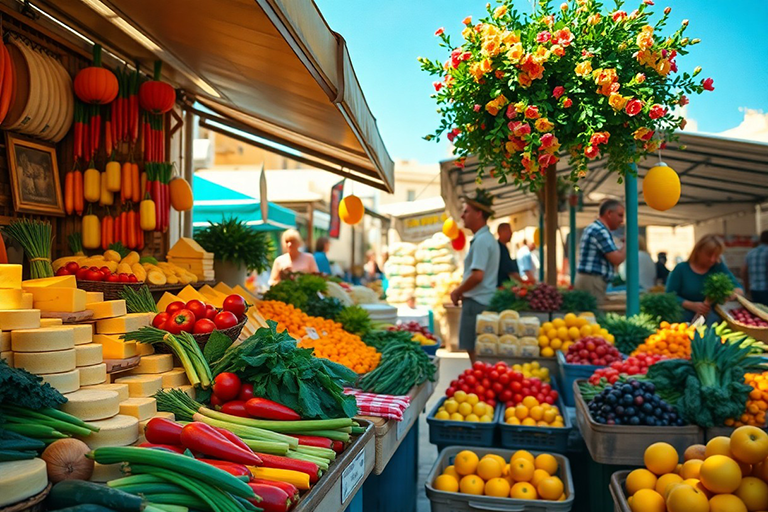
As you explore Malta during spring, you'll discover a vibrant culinary scene that showcases the island's freshest ingredients. Your taste buds will be treated to an array of delicious dishes, from traditional Maltese recipes to innovative creations. You'll have the opportunity to indulge in seasonal delicacies, such as fresh seafood and locally-grown produce, that highlight the best of Maltese cuisine. Get ready to initiate on a gastronomic journey and experience the unique flavors of Malta's springtime offerings.
Tips for Exploring Maltese Cuisine
Clearly, to make the most of your culinary journey, consider the following:
- try local specialties
- visit traditional eateries
. Any foodie will appreciate the unique flavors of Malta.





















Local Markets and Food Festivals
Evidently, visiting local markets and food festivals is a great way to experience Maltese cuisine, allowing you to sample various dishes and drinks, interacting with locals and vendors, which will enhance your culinary adventure.
Restaurant and Cafe Recommendations
Exploring the island, you will discover a wide range of restaurants and cafes serving traditional Maltese dishes, from fresh seafood to rich pastries, each offering a unique experience, helping you to create a personalized culinary itinerary.
Local eateries, such as those in Valletta and Mdina, offer a chance to indulge in authentic Maltese cuisine, with your taste buds treated to flavors and ingredients that showcase the island's history and cultural heritage, allowing you to enjoy your dining experience, as you savor each bite of your meal, in a warm and inviting atmosphere, tailored to your preferences.
Types of Springtime Delicacies in Malta
To experience the best of Malta's spring cuisine, you can try:
- Traditional dishes
- Seasonal ingredients
Perceiving the flavors,
| Delicacy | Description |
|---|---|
| Fenek | Traditional rabbit dish |
| Lampuki | Seasonal fish |
| Arancini | Stuffed rice balls |
| Bigilla | Bean dip |
| Qaghaq tal-Ghasel | Honey ring cake |
Traditional Maltese Dishes
Dishes like fenkata and lampuki pie are must-try spring delicacies, offering a taste of authentic Maltese cuisine, as you explore the local flavors.
Seasonal Ingredients and Flavors
Ingredients such as fresh fish, beans, and honey are used to create delicious seasonal dishes, allowing you to experience the unique flavors of Malta's springtime cuisine.
With an emphasis on local produce, you can indulge in a variety of seasonal ingredients, including asparagus, artichokes, and broad beans, which are often used in traditional Maltese recipes, enabling you to taste the authentic flavors of the season.
Step-by-Step Guide to Preparing Seasonal Dishes
Assuming you want to make the most of Malta's springtime delicacies, here is a breakdown of the process:
| Step | Description |
|---|---|
| 1 | Plan your menu |
| 2 | Shop for ingredients |
Recipes for Springtime Favorites
For your springtime culinary adventures, you'll find a variety of recipes to try, from traditional Maltese dishes to innovative creations, all showcasing the best of the season's produce, allowing you to create memorable meals.
Cooking Techniques and Methods
To master the art of preparing seasonal dishes, you'll need to explore various cooking techniques, such as grilling, roasting, and sautéing, which will help you bring out the unique flavors and textures of each ingredient, making your dishes truly special.
A key aspect of cooking techniques and methods is understanding how to balance flavors and textures, and as you experiment with different approaches, you'll develop your own style and flair, allowing you to create dishes that are truly your own, and that showcase the best of Malta's springtime delicacies.
Factors to Consider When Choosing Seasonal Ingredients
Keep in mind that choosing the right ingredients is crucial for a delicious dish. Consider the following:
- Seasonality
- Quality
. Thou shall enjoy the freshest flavors by selecting ingredients that are in season.
Sustainability and Locality
YOU will find that opting for local produce supports the community and reduces your carbon footprint, making your dining experience even more enjoyable.
Nutrition and Health Benefits
NUTRITION plays a significant role in choosing seasonal ingredients, as they offer the best health benefits due to their freshness and higher nutrient content.
Sustainability is also linked to the nutritional value of your meal, as locally sourced and seasonal ingredients tend to be higher in nutrients and lower in additives, allowing you to make the most of your dining experience in Malta, and you will be able to indulge in dishes that are not only delicious but also good for your health.
Pros and Cons of Different Dining Options
Despite the variety of dining options in Malta, you'll want to weigh the advantages and disadvantages of each.
| Pros | Cons |
|---|---|
| Unique experience | Expensive |
| Traditional cuisine | Limited options |
Fine Dining vs. Casual Eateries
There's a distinct difference between fine dining and casual eateries, and you should consider your preferences when choosing where to dine.
Indoor vs. Outdoor Dining Experiences
Options for indoor and outdoor dining are plentiful, and you can choose based on your mood and the weather.
Fine dining establishments often offer both indoor and outdoor seating, allowing you to enjoy your meal in a setting that suits your taste, and you can take in the beautiful scenery while savoring local delicacies, making your dining experience even more enjoyable, as you get to experience the best of both worlds.
Additional Resources for Foodies
Unlike other destinations, Malta offers a unique culinary experience that can be enhanced with the right resources. You can explore various online platforms, blogs, and local experts to discover the best springtime delicacies and seasonal dishes.
Food Blogs and Online Reviews
Additional to your own culinary adventures, you can follow local food bloggers and online review sites to stay updated on the latest food trends and must-try restaurants in Malta.
Cooking Classes and Workshops
Online platforms and local cooking schools offer a range of classes and workshops where you can learn to prepare traditional Maltese dishes and springtime delicacies from experienced chefs.
Resources such as cookbooks, food blogs, and local culinary experts can provide you with more information about cooking classes and workshops, helping you to make the most of your foodie experience in Malta and discover your new favorite springtime dishes.
Final Words
Drawing together the flavors and dishes of Malta's spring season, you now have a comprehensive guide to the island's culinary delights. As you explore your way through the local markets and restaurants, you will discover the unique tastes of traditional Maltese cuisine, and your senses will be treated to a symphony of seasonal ingredients and innovative creations, making your dining experience truly unforgettable in this Mediterranean gem.
FAQs
What are the must-try dishes in Malta during spring?
You should try traditional dishes like fenkata (rabbit dish), lampuki pie (seasonal fish), and arancini (stuffed rice balls), along with seasonal treats like honey ring cake.
Where can I find the best Maltese food during spring?
The best places to explore Maltese food include local markets, traditional eateries, and local food festivals in areas like Valletta and Mdina.
What seasonal ingredients should I look out for in Malta’s spring cuisine?
Seasonal ingredients such as fresh fish, asparagus, artichokes, broad beans, and honey are featured prominently in springtime Maltese dishes.
Are there any food festivals in Malta during the spring?
Yes, Malta hosts several food festivals throughout the spring where you can sample a wide variety of traditional and contemporary dishes.
What are some good cooking techniques for preparing Maltese dishes?
Techniques like grilling, roasting, and sautéing will help bring out the best in Malta's seasonal produce and traditional dishes.
Are there vegetarian options in Maltese cuisine?
Yes, traditional Maltese cuisine includes a variety of vegetarian dishes like bigilla (bean dip) and seasonal vegetable-based meals.
How can I ensure I’m choosing the best seasonal ingredients in Malta?
Look for ingredients that are in season, fresh, and locally sourced to enjoy the best flavors and nutritional benefits.
Should I dine in fine dining restaurants or casual eateries in Malta?
It depends on your preference. Fine dining offers a refined experience, while casual eateries provide a more relaxed atmosphere with traditional flavors.
Can I learn how to cook traditional Maltese dishes?
Yes, you can join local cooking classes and workshops in Malta to learn how to prepare traditional springtime dishes.
What health benefits do seasonal ingredients offer in Malta?
Seasonal ingredients are typically fresher, more nutritious, and lower in additives, making them a healthier choice for your meals.

Michael
With nearly 30 years in corporate services and investigative journalism, I head TRIDER.UK, specializing in deep-dive research into gaming and finance. As Editor of Malta Media, I deliver sharp investigative coverage of iGaming and financial services. My experience also includes leading corporate formations and navigating complex international business structures.
Related Posts

Malta luxury travel demand rises
April 11, 2026


Spring travel trends favor Malta
April 10, 2026

Malta welcomes older travellers
April 9, 2026

Malta’s heritage in spring
April 8, 2026

Malta spring tourism campaigns
April 7, 2026

Spring travel lifts Malta operators
April 6, 2026

Spring culture fuels Malta tourism
April 4, 2026

Airbnb demand rises in Malta spring
April 3, 2026