Students stranded in Malta as IEU licence is revoked

Malta’s higher education sector has come under sharp scrutiny following the sudden closure of the International European University (IEU), leaving dozens of students stranded, uncertain about their academic future, and facing imminent deportation. The unfolding controversy has exposed weaknesses in the island’s higher education regulatory framework and has raised pressing questions about accountability, student rights, and the long-term implications for Malta’s reputation as an educational hub.
Students caught in sudden academic limbo
The abrupt decision by the Malta Further and Higher Education Authority (MFHEA) to revoke IEU’s licence left 52 students, many of whom had paid substantial fees and devoted two years of study, without an institution to continue their education. These students, primarily from non-EU countries, have taken their case to the Immigration Appeals Board in a desperate attempt to safeguard their student visas and remain in Malta.
Several students described their situation as devastating. They explained that after the licence was withdrawn, they received notices from Identity Malta (Identita) cancelling their visas and instructing them to leave the country within thirty days.





















Insisting that they had come to Malta to study legitimately and not to obtain work permits or residency rights, students expressed frustration that the authorities who had approved and renewed IEU’s licence were now abandoning them. One student explained: “We trusted the Maltese system. If the authorities said this was a real university, why should we doubt it? Now we are the ones paying the price.”
Locked out of campus and vital documents
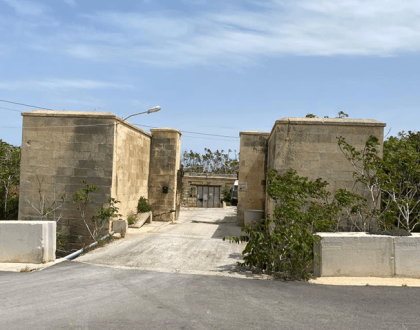
The situation deteriorated further when the owner of the premises used by IEU in Gzira locked the building, reportedly due to significant unpaid rent. Students allege that crucial academic and personal documents, including passports, remain trapped inside the property. Without these papers, transferring to another institution or securing alternative visas is nearly impossible.
With IEU’s directors currently unaccounted for and no clear communication from the university’s administration, students are left in limbo, caught between a regulatory failure and the absence of institutional support.
Silence from Maltese authorities
The students’ difficulties have been made worse by the absence of any public response or assistance from the Education Ministry and the MFHEA. Neither body has issued public guidance, nor have they reached out directly to the affected students to offer assistance or transitional support.
This lack of engagement has amplified criticism of Malta’s higher education governance. Observers argue that while the decision to revoke the licence may have been inevitable, the manner in which it was executed reflects poorly on the authorities’ ability to safeguard student interests.
Long-standing concerns ignored
The collapse of IEU in Malta was not unforeseen. Established in Ukraine in 2019, the university later shifted its activities to Poland after the war with Russia began. Its status there, however, faced uncertainties regarding recognition. In search of a more accommodating jurisdiction, the IEU turned to Malta, where it secured a temporary licence from the MFHEA in a relatively short time.
In 2024, The Shift reported that despite an internal assessment flagging serious issues regarding the institution’s operations and credibility, the MFHEA still renewed IEU’s licence for another year. Critics argue that this decision directly contributed to the current crisis, enabling students to enroll in a university that the regulator itself had reasons to doubt.
Leadership and timing of the revocation
The withdrawal of IEU’s licence was decided not long after Rose Anne Cuschieri, the Chief Executive Officer of the MFHEA, made public her intention to retire. Earlier in the year, she had already faced heavy criticism after the authority failed to secure membership in the European Quality Assurance Register for Higher Education (EQAR). That failure was attributed to the authority’s inability to demonstrate adherence to European quality standards.
While no evidence has been produced to suggest wrongdoing on her part, the timing of the revocation decision, so close to her departure, has raised questions about whether the matter was delayed until leadership changes were in motion.
The regulatory gaps in Malta’s higher education
In recent years, Malta has sought to establish itself as a hub for international education by issuing licences to both private and overseas institutions. While this policy has attracted investment and students, it has also raised concerns that the regulatory framework may not be robust enough to guarantee quality and protect stakeholders.
The IEU saga highlights structural weaknesses:
- Fast-tracked licensing: IEU obtained approval in Malta despite serious questions about its legitimacy elsewhere.
- Weak monitoring: Reports of irregularities and maladministration were documented but not acted upon until too late.
- Lack of contingency planning: Students were left without institutional or governmental support once the licence was revoked.
These issues undermine Malta’s efforts to market itself as a trustworthy higher education hub, particularly in a global market where reputation is key to attracting international students.
The human cost of regulatory failure
For the affected students, the impact goes far beyond procedural matters. Many had invested significant financial resources—often from family savings—to pursue higher education in Malta. With their studies disrupted, visas revoked, and academic credits in jeopardy, the personal and emotional toll is profound.
Several students have expressed feelings of betrayal. They argue that they followed the proper legal channels, applied through recognised authorities, and placed their trust in Malta’s institutions. Now, they face potential deportation and the loss of both their money and years of study.
Calls for accountability and support measures
Education analysts and legal specialists are calling on the government to accept accountability for the repercussions. Suggested measures include:
- Providing transitional arrangements for affected students, such as placements in accredited institutions.
- Facilitating access to documents and passports currently inaccessible inside the locked premises.
- Offering financial or legal assistance to students seeking restitution from IEU or its administrators.
- Strengthening the MFHEA’s processes to prevent similar cases in the future.
The broader public debate centres on whether Malta has prioritised attracting foreign institutions at the expense of due diligence, thereby risking both student welfare and national reputation.
International implications for Malta
The IEU affair risks damaging Malta’s standing within the European education sector. Being excluded from EQAR already signaled challenges in meeting quality benchmarks, and now the revocation scandal may reinforce perceptions that Malta lacks the necessary oversight.
For prospective international students and their families, the trust deficit may discourage applications, potentially undermining a sector that the country has sought to cultivate as part of its economy.
Conclusion
The revocation of IEU’s licence in Malta has exposed systemic weaknesses in the regulation of higher education, leaving students stranded and reputational damage mounting. While questions of responsibility and oversight remain unanswered, what is clear is that the students—those who followed the rules and placed their trust in Malta’s institutions—have become the most immediate victims of this crisis.
The Maltese government now faces a crucial decision: whether to intervene meaningfully to support the students and strengthen regulatory safeguards, or risk further erosion of trust in its higher education system.
FAQs
What happened to the International European University in Malta?
The Malta Further and Higher Education Authority revoked its licence, effectively shutting down its operations in the country.
Why were the students’ visas cancelled?
Following the revocation, Identity Malta cancelled the student visas linked to IEU, requiring students to leave Malta within 30 days.
How many students have been affected?
At least 52 students are directly affected, many of whom had been studying for two years and invested significant tuition fees.
What is happening to the students’ documents and passports?
Students claim that their documents remain locked inside the Gzira campus, which was closed by the property owner due to unpaid rent.
Have the IEU directors made any statements?
As of now, the directors of IEU have not issued public statements and are reported to be uncontactable by the students.
Did the Maltese authorities know about problems with IEU?
Reports suggest that internal assessments had flagged serious concerns, but despite these, the licence was renewed in 2024.
Has the Education Ministry offered help to students?
No official assistance or transitional arrangements have been announced by the Education Ministry or MFHEA so far.
What was the background of IEU before Malta?
IEU was founded in Ukraine in 2019, later moved to Poland, and then applied for a temporary licence in Malta.
What are the broader implications for Malta?
The scandal risks damaging Malta’s reputation as a reliable education destination and raises questions about regulatory oversight.
What steps are being recommended to address the crisis?
Experts suggest supporting affected students, ensuring access to documents, and strengthening higher education regulatory frameworks.

Esther
I am a professional writer with 8 years of experience in this field and I can provide you with the best-written content you can find. Education B.A. - English, George Washington University, United States, Graduated 2011.