














Sweden Targets Streamer Gambling Content with Legal Fines
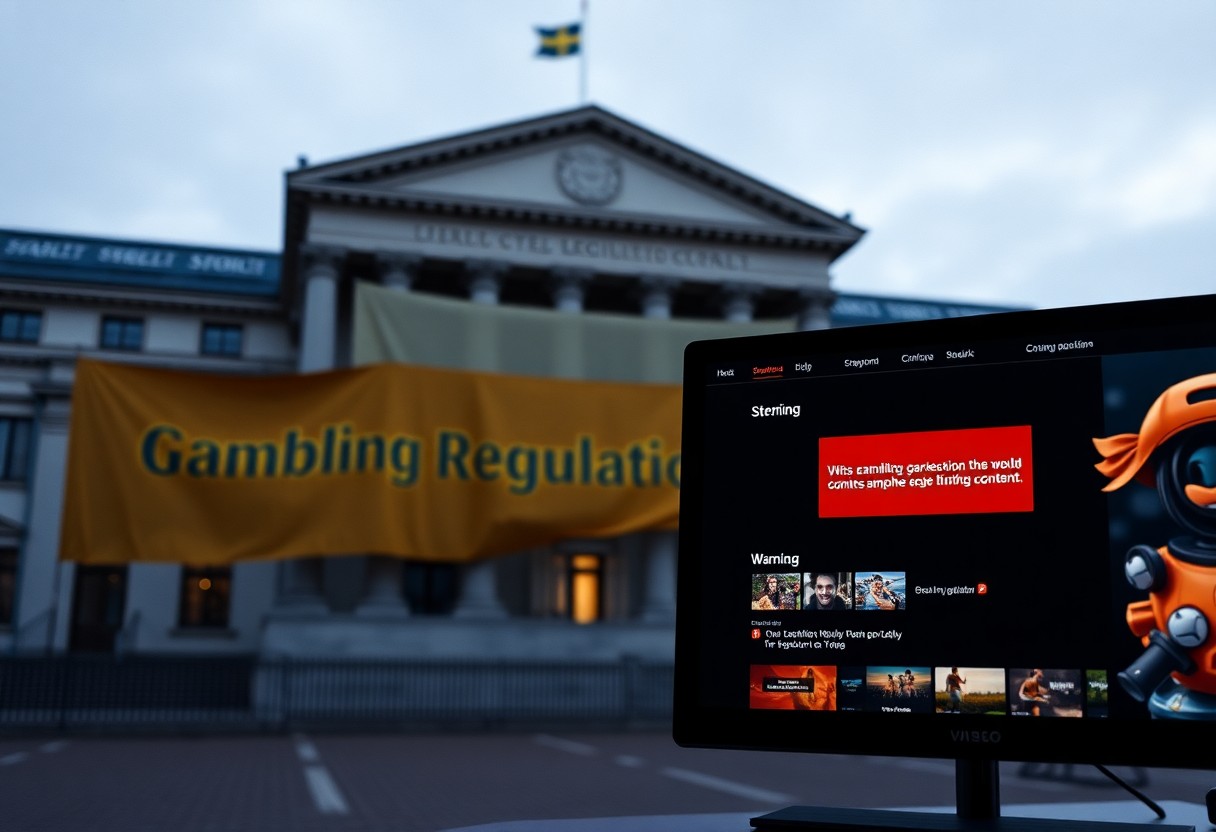
With the rise of online streaming platforms, Sweden has taken significant steps to regulate gambling content disseminated by popular streamers. The Swedish government is imposing legal fines on these influencers for promoting unlicensed gambling activities, aiming to protect consumers and ensure compliance with national gambling laws. This move reflects a broader trend towards regulating digital content in various sectors, highlighting the challenges authorities face in an increasingly digital world. Understanding the implications of these legal actions is important for streamers, viewers, and the gaming industry alike.
The Regulatory Landscape of Gambling in Sweden
Sweden's regulatory framework for gambling has evolved significantly over the years, responding to societal attitudes and economic pressures. The country established the Gambling Act in 2019, which sought to regulate both online and offline gambling operations while prioritizing consumer protection and responsible gambling practices. This structure has allowed Sweden to navigate the rapid growth of digital gambling, particularly amid the rise of streaming platforms that promote gambling content.
Historical Perspectives on Gambling Legislation
Historically, gambling in Sweden was largely state-run, with the Swedish National Lottery and the gaming monopoly of Svenska Spel dominating the market. The gambling landscape began to shift in the early 2000s, leading to public demands for a more diverse array of gaming options. By 2019, the introduction of a licensing system marked a significant transition, allowing private operators to enter the market under regulated conditions, emphasizing responsible gambling and player safety.





















Latest Developments in Gambling Regulations
Recent developments in Sweden's gambling regulations indicate a rigorous approach to managing the rapidly changing landscape. The government has introduced tighter controls and player protection measures, such as mandatory identity verification, deposit limits, and restrictions on advertising. These changes aim to minimize gambling-related harm and ensure that operators comply with stringent regulations.
In the wake of increasing concerns regarding the influence of gambling on vulnerable populations, particularly youth, regulators have ramped up enforcement actions against non-compliant operators. For instance, in July 2023, several stakeholders were fined for promoting gambling content on streaming platforms without the necessary licenses. The Swedish Gambling Authority has also been actively collaborating with various institutions to analyze the impact of gambling advertising, leading to ongoing discussions about potential reforms and further restrictions, ensuring that the industry's growth is balanced with public health considerations.
Unpacking the Streaming Phenomenon and Its Impact
The explosion of live streaming platforms has transformed various industries, with gambling being one of the most affected. This interactive medium creates immersive experiences, allowing viewers to engage directly with content and influencers while placing bets in real time. As accessibility increases through mobile devices, the gambling streaming phenomenon captures a younger, technology-savvy audience, prompting regulatory bodies like those in Sweden to take action for consumer protection and integrity in gaming.
The Rise of Live Streaming in the Gambling Sector
Live streaming in the gambling sector has experienced rapid growth, with platforms like Twitch and YouTube attracting millions of viewers. Gamers and betting enthusiasts often stream their gameplay while discussing strategies and showcasing wins, which helps demystify gambling practices. This shift has not only contributed to the popularity of various games but has also blurred the lines between traditional gaming and betting entertainment.
Audience Engagement: Understanding Viewer Demographics
The demographics of audiences engaging with gambling streams reveal a youthful profile, with a significant portion of viewers aged between 18 and 34. This age group shows heightened interest in interactive content and social experiences, which is leveraged by streamers to build communities. As they interact live with their viewers, sharing personal stories and gaming tips, the potential for market expansion becomes evident, underscoring the need for adaptive regulation.
Understanding viewer demographics, particularly within the 18-34 age bracket, sheds light on the preferences and behaviors of this core audience. With over 70% of young adults currently participating in some form of online gaming or streaming, there's a direct correlation between streaming engagement and gambling interest. This demographic not only seeks entertainment but also values social connection and authenticity in the content they consume. Consequently, streamers who promote responsible gambling practices can appeal to an audience eager for engagement while aligning with regulatory expectations. The combination of entertainment, education, and community makes this demographic particularly prime for both gambling and streaming industries.
Legal Fines: A Deterrent or a Revenue Stream?
Sweden's regulatory approach towards streaming gambling content includes imposing legal fines designed to curb irresponsible promotion. These penalties raise questions about their effectiveness as both deterrents for non-compliant streamers and potential revenue streams for the government. In targeting platforms that feature gambling content, authorities aim to strike a balance between safeguarding consumers and managing industry practices effectively.
Examining the Nature and Scale of Fines Imposed
The fines in Sweden can vary significantly, with amounts reaching upwards of several million SEK based on the nature and frequency of violations. For instance, the Swedish Gambling Authority recently imposed fines ranging from 300,000 to 5 million SEK for misleading advertising, showcasing a tiered approach to penalties that emphasizes severity and financial capacity of offending parties.
Assessing the Effectiveness of Financial Penalties
Evaluating the impact of financial penalties reveals mixed outcomes regarding compliance. While some streamers tighten their content guidelines to avoid hefty fines, others view penalties as mere costs of doing business, ultimately undermining the regulatory objectives. Without effective enforcement and clear standards, fines may not substantially deter gambling promotion in online streaming, suggesting that Sweden must enhance its regulatory measures to ensure long-term compliance and consumer protection.
Real-world examples illustrate this lack of deterrence; many streamers reportedly incorporate workarounds to continue promoting gambling, viewing fines as a manageable risk. For instance, after facing substantial penalties, some continue their promotions with minimal modifications, indicating that fines must be coupled with comprehensive strategies, such as education and better enforcement, to effectively curb irresponsible gambling marketing on digital platforms. Clearer regulations and consistent follow-up could transform fines from a revenue stream into a genuine deterrent against non-compliance.
The Ethical Debate: Gambling Content and Responsible Streaming
The intersection of gambling content and streaming has ignited an ethical debate surrounding responsible streaming practices. While many content creators view gambling streams as a source of entertainment and revenue, the potential impact on impressionable audiences raises significant concerns. The challenge lies in promoting fair play and mental well-being while satisfying viewer demands for engaging content. As regulations tighten, streamers are increasingly called upon to navigate this complex moral landscape, weighing their financial gains against the societal implications of their content.
Balancing Entertainment Value with Social Responsibility
Finding the right balance between entertainment value and social responsibility is a pressing challenge for streamers. Many creators enjoy significant viewer engagement through gambling-related content, often leading to lucrative sponsorships. However, the risk of normalizing gambling behavior among young or vulnerable viewers is a reality that cannot be ignored. Streamers can actively promote responsible gambling practices and raise awareness by incorporating disclaimers and educational messages into their streams, fostering a healthier gaming environment without sacrificing entertainment.
Perspectives from Stakeholders: Fans, Streamers, and Regulators
The perspectives of fans, streamers, and regulators illuminate the multifaceted nature of the gambling streaming debate. Fans often appreciate the thrill and excitement that comes from watching their favorite streamers play, while streamers face the dual pressure of meeting viewer expectations and adhering to emerging regulations. Regulators advocate for consumer protection and responsible gaming practices, stressing the importance of scalability in ensuring that the streamers foster a safe environment for their audiences.
Regulators have taken an active stance, demanding compliance from streamers to protect audiences from potential harms associated with gambling. Fans, captivated by thrilling content, may overlook the ethical implications, while streamers may feel conflicted over their responsibilities. For instance, platforms like Twitch have started to implement guidelines promoting responsible gambling content while penalizing violations to protect viewers. This ongoing dialogue underscores the necessity for all stakeholders to collaborate, fostering a streaming culture that prioritizes both entertainment and social responsibility.
Future Trends: How Sweden's Regulations May Influence Global Gambling Practices
As Sweden's regulations on streamer gambling content take shape, other countries will likely examine these developments closely. Similar measures could emerge, both as a reaction to growing concerns over gambling addiction and as a way to ensure the integrity of the gambling market. Nations with less stringent regulations might find themselves pressured to tighten their standards, balancing economic interests with social responsibility.
The Potential Ripple Effects on Other Markets
Countries around the world may adapt their laws and marketing approaches in response to Sweden's regulatory framework. Nations with burgeoning online gambling sectors might implement stricter guidelines to prevent the potential pitfalls of unregulated streaming, prioritizing consumer protection while also shaping local gambling cultures.
Innovations in Regulation: What Lies Ahead
As Sweden blazes the trail in regulating streaming gambling, innovation in legal frameworks may emerge to address the complexities of digital engagement. This could lead to the creation of collaborative regulatory bodies that involve both local governments and platforms to establish best practices, ensuring that content creators operate responsibly while still fostering a vibrant gaming community.
Exploring innovations in regulation, we can expect to see technology play a significant role in monitoring and enforcing compliance. For instance, implementing AI-driven analytics could streamline the identification of non-compliant content on streaming platforms. Additionally, regulatory bodies may seek to partner with tech companies to create real-time tracking systems that can flag potentially harmful practices before they escalate. Furthermore, educational campaigns to promote responsible gambling may become incorporated into streaming platforms themselves, developing a more holistic approach to gambling regulation that addresses both prevention and enforcement.
Summing up
From above, Sweden's initiative to impose legal fines on streamer gambling content represents a significant step towards regulating digital gambling influence, particularly among younger audiences. By targeting streaming platforms, the government aims to curtail the normalization of gambling through online influencers. This move highlights the increasing scrutiny of gambling practices in the digital age and the necessity for protective measures, reflecting a broader trend of enhancing consumer safety within emerging entertainment sectors. The implications of these regulations may reshape how gambling content is presented and consumed online in Sweden.
FAQ
Q: What is the new legal stance regarding streamer gambling content in Sweden?
A: Sweden is implementing new regulations that specifically target gambling content promoted by streamers. These regulations aim to ensure that streaming platforms comply with existing gambling laws, which are designed to protect consumers from potentially harmful content. As part of these measures, streamers could face legal fines if they promote unlicensed gambling services or fail to adhere to age restrictions and advertising guidelines established by Swedish authorities.
Q: How are the fines structured for non-compliance with these regulations?
A: The fines imposed on streamers for non-compliance vary depending on the severity of the violation. Minor infractions might result in lower fines, while repeated or more severe offenses could lead to significantly higher penalties. The Swedish Gambling Authority will be responsible for overseeing these regulations and will evaluate each case based on the nature of the promotion and its impact on consumers. Streamers are encouraged to seek clarification on the rules as violations may not only lead to fines but also damage their reputation and career prospects.
Q: What steps should streamers take to ensure they comply with Swedish gambling laws?
A: Streamers should familiarize themselves with Sweden's gambling laws and make an effort to promote only licensed gambling operators that follow the legal requirements. This includes verifying that the gambling services they promote are approved by the Swedish Gambling Authority. Additionally, streamers should implement clear disclaimers in their content, ensuring that they highlight age restrictions and responsible gambling practices. Regularly monitoring updates to gambling regulations is also important in maintaining compliance and avoiding potential fines.

Esther
I am a professional writer with 8 years of experience in this field and I can provide you with the best-written content you can find. Education B.A. - English, George Washington University, United States, Graduated 2011.
Related Posts



Onlyplay launches Hot Dunk basketball slot with free spins
April 10, 2026




Italy reconsiders gambling ad ban to boost football funding
April 10, 2026