















The Rise of Street Art Across Malta’s Cities
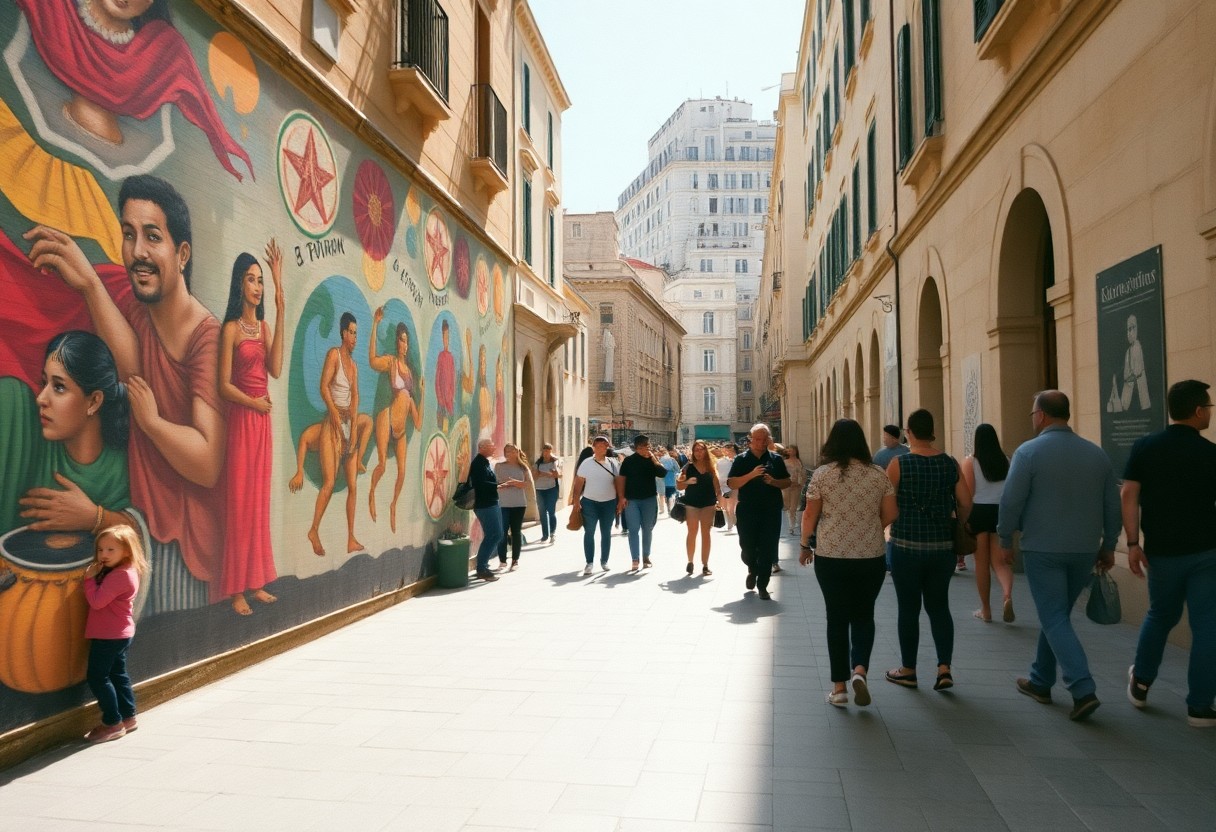
Most people might overlook street art as mere decoration, but in Malta, this vibrant expression plays a significant role in shaping cultural identity and community engagement. As urban spaces continue to evolve, street art has emerged as a powerful medium for social commentary, artistic innovation, and local pride. This post explores the value of Malta's street art, highlighting its influence on public discourse, tourism, and the preservation of heritage. Understanding its significance now is vital, as it reflects the dynamic relationship between art, society, and our collective future.
The Cultural Tapestry of Malta's Urban Landscape
Malta's Historical Backdrop: A Canvas of Diversity
Malta's rich history, marked by a blend of Mediterranean influences, has created a unique cultural landscape where street art thrives. From ancient temples to Baroque architecture, each phase of Maltese history contributes layers of inspiration for local artists. This diverse heritage is reflected in the murals and installations that now adorn the streets, inviting dialogue between past and present while celebrating the island's multiculturalism.
The Evolution of Art in Public Spaces
Initially a subversive outlet, street art in Malta has transitioned from a scene often associated with rebellion to a celebrated form of cultural expression. Beginning in the early 2000s, artists like Luke ‘Fallen' Magri bridged traditional aesthetics with contemporary themes, paving the way for a vibrant artistic community. Public spaces became canvases for storytelling, addressing social issues, and forging connections among communities, all while drawing visitors eager to explore the island's dynamic identity.





















As street art gained traction, numerous festivals, such as the Malta Street Art Festival, began to emerge, inviting local and international artists to collaborate and showcase their work. These events not only attracted tourism but also fostered a sense of belonging and pride among residents. Through workshops and community initiatives, art is now an integral part of the public sphere, igniting discussions around identity, urbanism, and the future of Malta itself. The progression from clandestine graffiti to celebrated public installations highlights the growing recognition that street art is imperative to the cultural dialogue in Malta's evolving urban landscape.
Street Art as a Reflection of Social Movements
Art as Protest: Voice of the People
Street art has emerged as a powerful form of protest, amplifying the voices of those who feel marginalized in Malta. Artists are using public spaces to convey messages that challenge authority and highlight social justice issues such as environmental degradation, LGBTQ+ rights, and labor exploitation. By transforming walls into canvases for dissent, they provide an accessible platform for those seeking change, bridging the gap between art and activism. This creative rebellion fosters dialogue and inspires community solidarity around pressing concerns.
Crafting Identity: Who We Are Through Art
Street art in Malta not only serves as a medium for protest but also plays a vital role in shaping local identity. Artists often draw from their cultural heritage to express contemporary societal issues, weaving personal narratives into public art. This expression creates a shared cultural dialogue that resonates with the inhabitants of Malta, reminding them of their collective history, struggles, and values.
Identifying as Maltese in a globalized world can be complex, and street art offers a visual reclamation of this identity. Through murals that reflect local legends, historical figures, and contemporary social issues, artists encapsulate the essence of Malta for residents and visitors alike. For instance, the vibrant pieces of street artist ‘Red' bring attention to Maltese folklore while simultaneously challenging modern societal norms. These works invite dialogue about who we are, encouraging residents to reflect on their cultural roots and the diverse identities that compose the Maltese experience today. As these artworks adorn urban landscapes, they help forge a sense of belonging and community pride among the citizens.
The Role of Street Art in Urban Revitalization
Transforming Neglect into Inspiration
Street art has the power to breathe life into forgotten corners of our cities, turning neglected spaces into vibrant canvases. In Malta, murals often depict cultural narratives or historical themes, creating a dialogue between the past and present. This transformation not only beautifies overlooked areas but also instills a sense of pride within the community, encouraging residents to re-engage with their environment and establish a collective identity founded on creativity.
Economic Boost: Tourism and Local Business
The rise in street art has successfully attracted tourists eager to explore these colorful expressions of creativity. As a result, local businesses nearby benefit from the foot traffic generated by art enthusiasts, from cafes to boutiques, creating a symbiotic relationship between artistry and commerce. This dynamic not only enhances local economies but also fosters a culture of collaboration among entrepreneurs and artists alike.
In 2022 alone, street art tours across Malta drew thousands of visitors, with estimates indicating that participating businesses saw a 20-30% increase in revenue during peak tourism months. Such economic impact underscores the potential for street art to serve as a catalyst for urban growth. By linking cultural appreciation to local products and services, businesses are finding novel ways to appeal to both tourists and residents, thereby enriching the community's economic landscape. Collaborations with local artists and events focusing on street art not only bolster financial success but also enhance Malta's reputation as a creative destination on the global stage.
Bridging Generational Gaps Through Street Art
Connecting Youth and Tradition
Street art serves as a vibrant platform for the youth to express themselves while drawing inspiration from Malta's rich cultural heritage. Artists like Alex Vella and giant murals featuring traditional Maltese motifs reflect this blend, attracting younger audiences eager to connect with their roots. These modern interpretations resonate with local traditions, creating a dialogue that encourages both appreciation and innovation among different age groups.
The Dialogue Between Past and Present
The conversation between Malta's past and present is vividly illustrated in its street art scene, where historical references converge with contemporary styles. Artists often incorporate elements from Malta's ancient architecture, religious symbols, or folklore into fresh designs that capture current social issues. This intersection not only honors the island's heritage but also prompts discussions on how traditions can evolve in modern contexts. For example, the recent mural depicting traditional Maltese fishing scenes reimagines these practices through a modern lens, inviting viewers to reflect on their significance today.
In the mural showcasing traditional luzzu boats, the artist cleverly juxtaposes the colorful boats with graffiti elements depicting modern environmental issues. This fusion encourages community engagement, inviting locals and tourists alike to consider the importance of preserving both artistic and cultural legacies. Thus, street art becomes a conduit for intergenerational dialogue, with each piece inviting reinterpretation and sparking thoughtful conversations about identity, belonging, and sustainability in Maltese society.
The Influence of Global Street Art Trends on Malta
Cross-Cultural Collaborations: Local Meets Global
In Malta, the blending of local artistry with global street art trends produces an exciting synergy. Artists from diverse cultural backgrounds come together, infusing their distinct styles and messages into the Maltese landscape. Street art festivals and collaborative projects have become platforms for this cultural exchange, allowing local artists to gain international recognition while fostering a renewed sense of community. For instance, the Valletta Street Art Festival has showcased both local talents and international heavyweights, amplifying the dialogue between Malta's historical narratives and contemporary global issues.
The Impact of Social Media on Artistic Expression
Social media has transformed street art from a local phenomenon into a global dialogue, allowing artists in Malta to showcase their work far beyond its borders. Platforms like Instagram and TikTok enable artists to attract attention quickly, gaining followers and support that can lead to new opportunities and commissions. The visual nature of social media means that eye-catching murals capture the attention of users instantly, democratizing the art world by allowing viewers and creators to connect effortlessly, irrespective of geographical barriers. This accessibility fuels creativity and encourages artists in Malta to push boundaries and innovate.
The impact of social media extends beyond mere visibility; it shapes the discourse surrounding street art. With hashtags and trends allowing for immediate sharing, artists often find inspiration in global movements. For example, the viral #BlackLivesMatter mural movement prompted local Maltese artists to create their interpretations, connecting international social justice themes with local contexts. The rapid dissemination of ideas fosters a collaborative spirit, allowing artists to engage in conversations on topics like identity, environment, and politics through their work, making Malta's street art scene not just locally relevant but globally aware.
Policy Perspectives: Governing the Growth of Street Art
Balancing Creative Freedom with Regulation
Striking the right balance between creative expression and regulatory frameworks is necessary for Malta's street art scene. While artists thrive on the freedom to express themselves, local authorities often face the challenge of managing public spaces and maintaining community standards. Initiatives like designated murals zones reflect an attempt to guide artistic growth without stifling creativity. These regulations can help prevent vandalism while ensuring that artists adhere to community values, fostering an environment where both creativity and regulation coexist harmoniously.
The Role of Local Government in Supporting Artists
Local governments play a pivotal role in cultivating a thriving street art environment in Malta by providing resources, funding opportunities, and platforms for artists to showcase their work. Recent initiatives, such as the Valletta 2018 Foundation's support for public art projects, illustrate how municipal efforts can elevate street art to a recognized cultural asset. By fostering partnerships with artists and organizing street art festivals, local governments not only enhance public spaces but also bolster the local economy through tourism and community engagement.
Through grants, public art competitions, and collaborations, local governments can create a supportive framework that encourages creativity while addressing community concerns. Engaging with artists directly can lead to tailored programs that resonate with local aesthetics and narratives. Such initiatives can also involve educational components, where artists lead workshops for youth, fostering a greater appreciation for art in public spaces. By creating opportunities for dialogue between artists, residents, and officials, local governments can ensure that street art continues to flourish while remaining firmly rooted in the community's cultural tapestry.
Artists of Malta: Profiles and Perspectives
Key Figures Shaping Malta's Street Art Scene
Prominent artists like T'Nina and Cacopardo have become synonymous with Malta's evolving urban landscape. T'Nina's vibrant murals often address social issues, blending humor and commentary, while Cacopardo utilizes bold colors to create stunning visual narratives. Their work not only beautifies spaces but also sparks dialogue among residents and visitors alike, transforming public perception of street art from vandalism to valued expression.
Emerging Talents to Watch
The Maltese street art scene is continually refreshed by new voices arriving with innovative techniques and fresh perspectives. Artists such as Jesse and Rocco are gaining traction within the community, often experimenting with mixed media and interactive elements that engage passersby. Their unique contributions signal a promising future that aligns with global trends while maintaining local relevance.
Jesse has captured attention with her immersive installations, incorporating augmented reality into her murals, allowing viewers to interact with art like never before. Similarly, Rocco's focus on environmental themes challenges onlookers to rethink their impact on the planet. What's particularly compelling about these emerging artists is their willingness to collaborate, fostering a community atmosphere rich with creativity and collective growth. As they push boundaries, they invite audiences to participate in discussions surrounding art's role in societal change, ensuring that the narrative of street art in Malta is vibrant and ever-evolving.
The Connection Between Street Art and Community Engagement
Fostering Dialogue: Art as a Medium for Conversation
Street art serves as a powerful medium to spark dialogue within communities. Murals and installations often address local issues, cultural reflections, or social injustices, creating space for conversation. For example, the “We Are Here” mural in Valletta not only beautifies the urban landscape but also raises awareness about migration, prompting discussions among residents about identity and inclusion.
Collaborative Projects: Building Community through Creativity
Collaborative street art projects can significantly enhance community connections. These initiatives often bring together artists, residents, and local organizations, fostering a sense of ownership and pride among participants. Recent examples, such as the “Mural Fest” organized in various neighborhoods, invite community members to contribute their ideas, sketch designs, and even paint alongside professionals, ultimately transforming walls into shared canvases that reflect collective values.
Successful collaborative projects in Malta underscore the power of creativity in unifying diverse groups. For instance, the recent “Colorful Communities” initiative saw local youth partners teaming up with established street artists to create murals that represented their cultural heritage. As a result, not only did walls become vibrant depictions of local stories, but participants also built friendships across different backgrounds and ages. These experiences highlight how the process of creating art together can enhance community bonds, ultimately leading to greater civic engagement and empowerment. By transforming neglected spaces into cultural landmarks, these projects vitalize neighborhoods and encourage locals to take an active role in shaping their environment.
The Economic Underpinnings of Street Art Initiatives
Fundraising and Sponsorship: The Art World's Financial Network
Street art initiatives increasingly rely on innovative fundraising models and sponsorships to sustain their projects. Local businesses, art organizations, and government entities often collaborate to provide financial backing for murals and installations, showcasing a willingness to invest in the cultural fabric of Malta. Events like fundraising auctions or community festivals further tap into public support, making art accessible while generating revenue for future projects. For instance, the Renzo & C company recently sponsored a digital art festival, fueling creative ventures that blend technology and street art.
The Sustainability of Street Art Projects
Sustainable street art projects go beyond mere aesthetics; they include long-term planning that accounts for community involvement and economic impact. Artists, local councils, and cultural organizations engage in strategic partnerships to ensure ongoing maintenance, further development, and preservation of the artworks. For instance, the Malta Street Art Festival has established a model encouraging local youth to get involved, fostering a sense of ownership while ensuring the artworks remain vibrant and relevant for generations to come.
Emphasizing sustainability means incorporating eco-friendly materials and practices within the street art process, from using organic paints to employing local artisans to foster community capacity building. By integrating educational programs that raise awareness about art's cultural significance and environmental impact, Maltese street art initiatives create a ripple effect—stimulating the local economy, enhancing tourism, and nurturing a collaborative creative ecosystem that thrives on shared values and long-term vision.
Challenges Facing Malta's Street Art Scene
Legal Barriers: The Struggle for Permits and Recognition
Securing legal permits for street art projects in Malta remains a pressing hurdle for artists. The bureaucratic process is often convoluted, requiring multiple approvals that can discourage creativity and spontaneity. Some artists face significant delays, while others are left grappling with outright rejection, limiting opportunities to showcase their talent on public walls. This struggle affects not only established artists but also emerging creators hoping to contribute to the vibrant street art landscape.
Maintaining Authenticity in a Commercialized Space
The commercialization of public spaces in Malta poses significant challenges to the authenticity of street art. As more businesses seek to capitalize on urban art to enhance their brand image, the original intent and message behind street art can become diluted. Artists often struggle to balance commercial demands with their creative expression, leading to works that may cater more to consumer expectations than to the community's cultural narrative. This tension raises questions about ownership, inspiration, and the future direction of Malta's street art scene.
Street art in Malta thrives on its underground roots, which makes the tension with commercialization a sensitive topic. When businesses commission murals, the artists may feel pressured to conform to aesthetic preferences that align with commercial interests rather than community expression. Gentrification of neighborhoods can exacerbate this issue, leading to environments where only certain styles and messages are deemed acceptable. Consequently, authentic voices risk being overshadowed by a commercial façade, prompting discussions among artists and advocates about preserving the spirit of street art in an evolving urban environment.
The Future of Street Art in Malta
Predictions: What Lies Ahead for This Dynamic Form
As urbanization continues to evolve, Malta's street art scene is poised for exciting transformations. With a growing emphasis on sustainability and cultural identity, artists will likely incorporate eco-conscious themes and techniques into their work. Expect an upsurge in collaborations between local artists and international talent, leading to a more diverse and vibrant public art landscape that captures both Malta's heritage and contemporary issues.
Community Initiatives to Watch
A range of grassroots initiatives promises to shape the trajectory of street art in Malta, showcasing the community's commitment to this dynamic form of expression. Projects like the ‘Street Art Festival' in Valletta and the ongoing ‘Mural Project' in Sliema aim to enhance neighborhood identities while engaging citizens in cultural discourse.
The ‘Street Art Festival' has gained traction since its inception, attracting local and international artists to transform blank walls into canvases of creativity and identity. Collaborations with schools and local organizations ensure that workshops and exhibitions foster community participation. Similarly, the ‘Mural Project' in Sliema focuses on enhancing public spaces while reflecting the voices of residents, underscoring the importance of community-driven art. These initiatives not only beautify urban landscapes but also promote socio-cultural discussions crucial for Malta's evolving identity in an increasingly interconnected world.
The Psychological Impact of Street Art on Citizens
Art as Therapy: The Mental Health Perspective
Street art acts as a form of therapeutic expression, showcasing emotions that resonate with the community. This visual impact can alleviate feelings of isolation or depression, encouraging people to confront their mental health challenges. Studies have shown that exposure to art can foster mindfulness and promote emotional well-being, making public spaces more inviting and supportive.
Sense of Belonging and Ownership: Civic Pride
Street art fosters a sense of belonging that enriches urban life and cultivates civic pride within communities. As locals encounter artworks that reflect their culture, history, and experiences, they become more emotionally invested in their surroundings. This connection not only inspires a deeper appreciation for their neighborhoods but also encourages active participation in civic initiatives aimed at enhancing public spaces.
The emergence of street art in Malta has played a significant role in establishing this sense of ownership among citizens. For instance, community-led mural projects often involve local participants, transforming blank walls into vibrant canvases that tell a story unique to the area. This collaboration ignites optimism and motivates residents to take an active role in maintaining and improving their environment. As a result, street art cultivates a shared identity, making the city feel more like home and encouraging civic engagement in various forms, from community clean-ups to local support of the arts.
Malta's Street Art Festivals and Events
Highlighting Key Festivals That Celebrate Street Art
Malta boasts a vibrant lineup of street art festivals, with events like the Not A Bot Festival and the Malta Street Art Festival that play a pivotal role in showcasing local and international talent. These festivals not only bring together established artists but also provide a platform for emerging creators to gain recognition. The immersive experiences offered allow attendees to engage directly with artwork, attend workshops, and participate in live painting sessions, transforming entire neighborhoods into open-air galleries.
The Role of Events in Promoting Artists and Art
Street art events serve as a catalyst for fostering community engagement and enhancing the visibility of artists. By bridging the gap between the creators and the audience, these events encourage collaboration and networking. Local artists frequently find opportunities to learn from international figures, while attendees gain firsthand insight into the art-making process, making them more appreciative of the craft.
Moreover, these gatherings help cultivate a sense of pride in local culture and community identity. For instance, through initiatives such as live mural painting and workshops, festivals create spaces where artists share their stories and experiences, ultimately enriching Malta's artistic landscape. Artists gain exposure not only through the events themselves but also through their works becoming part of the urban fabric, further inviting interaction and dialogue within the community.
Final Words
With this in mind, Malta's street art emerges as a vital medium for expression, reflecting the island's cultural evolution and societal issues. As global challenges become more pronounced, this form of art not only beautifies urban spaces but also sparks important conversations about identity, community, and resilience. By fostering creativity and encouraging dialogue, Malta's street art serves as a barometer of social change, making its presence and influence more significant than ever in shaping the island's narrative and connecting its citizens.
FAQs
What is the role of street art in Malta’s culture?
Street art in Malta plays a vital role in expressing cultural identity, promoting dialogue, and preserving local heritage.
How did street art evolve in Malta?
Originally seen as rebellious, street art in Malta evolved in the 2000s into a respected cultural expression supported by festivals and public initiatives.
Which events support street art in Malta?
Events like the Malta Street Art Festival and Valletta 2018 initiatives have supported local and international artists through exhibitions and collaborations.
How does street art influence tourism in Malta?
Murals and art tours attract tourists, boosting local business revenue and making street art a key cultural and economic asset.
Can street art address social issues?
Yes, Maltese artists use street art to raise awareness about issues like environmental concerns, LGBTQ+ rights, and social justice.
Who are some key Maltese street artists?
Notable artists include T'Nina, Cacopardo, Red, and Jesse, each known for addressing societal themes through powerful visuals.
How does street art promote community engagement?
Collaborative projects invite locals to co-create murals, fostering pride, unity, and a shared sense of place.
Is there government support for street art in Malta?
Yes, local governments support artists through grants, designated mural zones, and cultural partnerships.
How does Malta’s street art blend tradition with modernity?
Artists incorporate historical motifs like luzzu boats and folklore into modern designs, sparking intergenerational dialogue.
What is the impact of social media on Malta’s street art?
Social media platforms amplify exposure, attract global audiences, and enable artists to participate in worldwide cultural conversations.

Anna Amstill
I am an avid Blogger and Writer with more than 6 years of experience with Content Writing. An Online Marketing expert specializing in Blog writing, Article writing, Website content, SEO specific Keyword content and much more. Education B.A. - business management, York University, Canada, Graduated 2016.
Related Posts
Malta luxury travel demand rises
April 11, 2026


Spring travel trends favor Malta
April 10, 2026
Malta welcomes older travellers
April 9, 2026
Malta’s heritage in spring
April 8, 2026
Malta spring tourism campaigns
April 7, 2026
Spring travel lifts Malta operators
April 6, 2026
Spring culture fuels Malta tourism
April 4, 2026
Airbnb demand rises in Malta spring
April 3, 2026