















The Malta Employers’ Association’s Vision for 2025

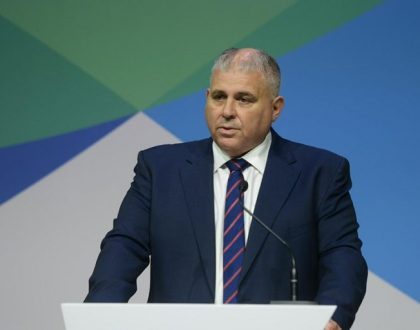
As Malta approaches the 2025 Budget, the Malta Employers' Association (MEA) has made a compelling case for a strategic overhaul of the nation’s economic and social models. Highlighting declining labor productivity and an overemphasis on numerical growth, MEA Director General Kevin Borg outlined twelve critical proposals designed to address these issues and foster sustainable economic and social development. This article explores the MEA’s comprehensive recommendations and the underlying rationale behind each proposal.
The Current Economic Paradigm: Challenges and Criticisms
The Problem with Number-Maximisation
Kevin Borg, addressing a recent press conference, criticized Malta's current economic strategy, which he described as overly focused on maximizing numbers. According to Borg, this approach prioritizes quantitative growth over qualitative improvements, adversely impacting the quality of life, mental well-being, and overall motivation of the workforce. The consequence has been a noticeable outflow of both local and foreign workers seeking better opportunities elsewhere.
Borg stressed the necessity of shifting from this “number-maximisation trajectory” to one that emphasizes value and quality. Malta's economic future, he argued, must be better aligned with the nation’s physical and demographic realities.





















Declining Labor Productivity
A critical issue highlighted by Borg is the decline in labor productivity. The MEA's proposals are designed to address this decline by advocating for a strategic realignment of economic priorities and increased investment in human capital and innovation.
The MEA’s Proposals for the 2025 Budget
Proposal 1: Economic Transformation
The MEA’s foremost proposal calls for a significant transformation of Malta’s economic model. This involves shifting the focus from sheer numbers to enhancing quality and innovation. Borg emphasized that the country must climb up the value chain, investing in sectors that promise sustainable growth rather than merely expanding existing ones.
Proposal 2: Focus on Quality over Quantity
Borg argued that economic growth should be less reliant on the construction sector and more focused on sectors with high potential for innovation and quality improvement. He suggested that Malta should aim to attract high-tech investments and revitalize its manufacturing base while exploring growth opportunities in maritime and aviation sectors.
Proposal 3: Taxation and Fiscal Policy
On the topic of taxation, Borg welcomed Prime Minister Robert Abela’s plans for substantial tax cuts for middle-income workers but warned of potential pitfalls. He noted that if increased disposable income leads to higher private spending in an overheated economy, the benefits of tax cuts could be undermined by inflation. The MEA has called for a careful review of tax bands and their impact on government revenue, advising that any tax revisions should be supported by detailed studies.
Proposal 4: Capital Expenditure on Essential Infrastructure
The MEA advocates for a shift in capital expenditure from large-scale, land-consuming projects to essential infrastructure improvements. Borg suggested focusing on upgrading energy supply systems, water resource management, intelligent traffic systems, and drainage systems. This approach aims to address critical infrastructure needs and improve overall quality of life.
Proposal 5: Maximizing Human Resource Value
A key proposal is to enhance the value of Malta’s human resources through the integration of AI and automation strategies. The MEA emphasizes the need to rationalize the labor force, reduce dependency on imported labor, and implement performance metrics to justify public sector wage increases. Investing in technologies such as robotics, big data, and AI is seen as essential for improving productivity and creating wealth.
Proposal 6: Removing Fiscal Anomalies
The MEA calls for the removal of fiscal anomalies that discourage older workers from remaining in the labor market. Current pension policies are seen as a disincentive for people aged 61 and over to continue working. The MEA proposes that pensions be made tax-exempt for both employees and the self-employed to encourage longer workforce participation.
Proposal 7: Enhanced Career Guidance
The MEA supports the introduction of robust career guidance structures to help young people make informed decisions about their future careers. Investing in career guidance is seen as vital for improving labor market outcomes and aligning educational pathways with job market needs.
Proposal 8: Transparency and Governance
The MEA advocates for greater transparency in government contracts and expenditures. Borg stressed the need for full disclosure regarding remuneration packages of individuals holding positions of trust, suggesting that such information should not be accessible only through Freedom of Information requests.
Proposal 9: Sustainable Tourism and Catering
In the tourism sector, the MEA calls for a more selective approach to attracting tourists, focusing on sustainability and quality. Borg suggested reducing VAT on catering services in exchange for improved regulation and standards to foster a more competitive and sustainable industry.
Proposal 10: Re-establishing the National Maritime Authority
The MEA proposes the re-establishment of the National Maritime Authority to focus solely on the maritime sector. This is intended to enhance Malta’s competitiveness and attractiveness in the maritime industry, which has been identified as a key area for growth.
Proposal 11: Political Party Financing
The MEA highlights the need for political consensus on party financing to reduce corruption risks associated with business donations. Addressing this issue is seen as crucial for improving transparency and integrity in political funding.
Proposal 12: Support for Private Schools
Finally, the MEA acknowledges the government's recent support for private schools in light of collective agreements for public sector teachers. This proposal has been implemented, reflecting a positive step towards supporting educational institutions.
Addressing Malta’s Workforce Challenges
Utilizing Local Human Resources
Consultant Joseph Farrugia emphasized the importance of optimizing the use of Malta’s local workforce before relying on foreign workers. He advocated for longer working permits for high-skilled professionals and a tailored approach to labor policies rather than a one-size-fits-all solution.
Conclusion
The MEA’s twelve proposals for the 2025 Budget represent a comprehensive strategy for addressing Malta’s economic and social challenges. By focusing on quality, innovation, and sustainable growth, the MEA aims to create a more balanced and prosperous future for Malta. The emphasis on human capital, infrastructure, and transparency underscores the need for a holistic approach to national development.
FAQs
What are the main criticisms of Malta's current economic model according to the MEA?
The MEA criticizes the current economic model for being overly focused on numerical growth, which it argues harms quality of life, mental well-being, and motivation, leading to a decline in labor productivity and worker migration.
What is the MEA's proposal for economic transformation?
The MEA proposes shifting from a “number-maximisation trajectory” to a model that emphasizes quality, innovation, and value. This involves reducing dependency on the construction sector and focusing on high-tech investments and sectors like maritime and aviation.
How does the MEA view Prime Minister Robert Abela's tax cuts?
The MEA supports the tax cuts but warns of potential inflationary effects. It suggests that if increased disposable income leads to higher private spending in an overheated economy, the benefits of tax cuts could be offset by inflation.
What are the MEA’s recommendations for capital expenditure?
The MEA recommends focusing on essential infrastructure improvements rather than large-scale projects. Priorities include upgrading energy systems, water resource management, intelligent traffic systems, and drainage improvements.
How does the MEA propose to maximize the value of Malta’s human resources?
The MEA advocates for integrating AI and automation, rationalizing the labor force, reducing reliance on imported labor, and implementing performance metrics for public sector wage increases.
What changes does the MEA suggest for pension policies?
The MEA proposes making pensions tax-exempt for employees and the self-employed to encourage older workers to remain in the labor market, thus addressing current disincentives for continued employment.
What is the MEA’s stance on career guidance for young people?
The MEA calls for robust career guidance structures to help young people make informed decisions about their careers, thereby aligning educational pathways with job market needs.
What transparency measures does the MEA propose for government contracts?
The MEA advocates for full disclosure of government contracts and the remuneration packages of individuals holding positions of trust, suggesting that this information should be publicly accessible.
How does the MEA suggest improving Malta’s tourism sector?
The MEA recommends focusing on sustainable and high-quality tourism by being more selective in the types of tourists attracted and reducing VAT on catering services in exchange for improved regulation and standards.
What is the MEA’s proposal regarding the National Maritime Authority?
The MEA proposes re-establishing the National Maritime Authority to focus solely on the maritime sector, aiming to enhance Malta’s competitiveness and attractiveness in this industry.

Paula Nancy
Hello and Welcome to my profile. I'm a UK based entrenched full-time Blogger, Journalist, columnist and a certified writer with many years of sound writing experience. If you need a high-quality and original content, I'm here to provide you with the best writing services.
Related Posts







Spring culture fuels Malta tourism
April 4, 2026