















The Role of Religion in Malta
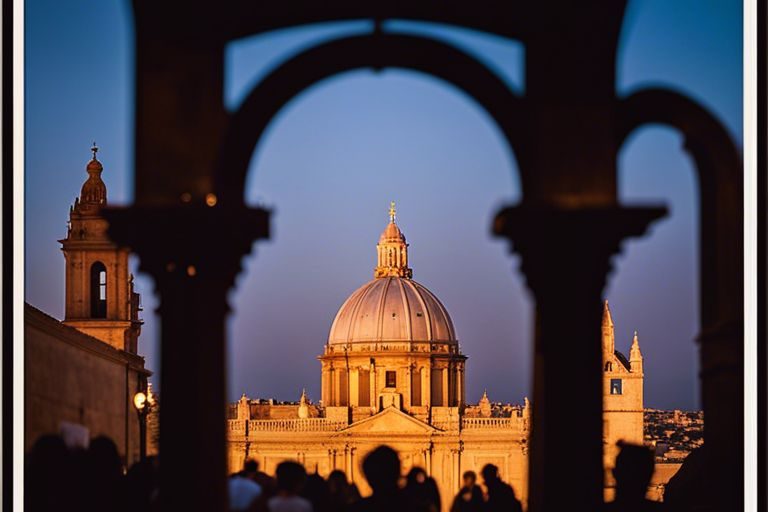
There's no denying the significant influence religion has had on the small Mediterranean island of Malta. Located at the crossroads of Europe, Africa, and the Middle East, Malta's history is deeply intertwined with various religious traditions that have shaped its culture, politics, and society.
Malta's religious landscape is predominantly Catholic, with over 90% of the population identifying as Catholic Christians. The Catholic Church has played a central role in Maltese life for centuries, with its influence extending to education, healthcare, and social welfare. Many Maltese cultural practices and traditions are rooted in Catholicism, such as the annual feast celebrations dedicated to various saints.
Despite being a predominantly Catholic country, Malta is known for its religious diversity. In addition to Catholicism, other Christian denominations such as Protestantism and Orthodox Christianity have a presence on the island. Islam is also practiced by a small but growing community of Muslims in Malta, reflecting the country's historical ties to North Africa and the Middle East.





















One of the most prominent religious sites in Malta is the St. John's Co-Cathedral in Valletta. Known for its ornate Baroque architecture and priceless artworks, the cathedral is a testament to Malta's rich religious heritage. Another important religious landmark is the Mosta Rotunda, a massive domed church in the town of Mosta that holds a special place in the hearts of Maltese for its miraculous survival during World War II.
Religion in Malta also plays a role in shaping the country's political and social landscape. The Catholic Church wields significant influence on public policy debates, especially on issues such as abortion, divorce, and LGBT rights. However, in recent years, there has been a growing push for a more secular approach to governance, with calls for greater separation of church and state.
Despite the challenges posed by modernity and secularization, religion continues to be a defining feature of Malta's identity. The country's religious diversity and tolerance reflect its unique position as a melting pot of cultures and traditions from across the Mediterranean region. As Malta looks to the future, the role of religion will undoubtedly remain a key aspect of its national character and heritage.
FAQs
What is the dominant religion in Malta?
Malta is predominantly Catholic, with over 90% of the population identifying as Catholic Christians.
What other religions are practiced in Malta?
Besides Catholicism, other Christian denominations like Protestantism and Orthodox Christianity have a presence. Islam is also practiced by a small community.
What are some famous religious landmarks in Malta?
St. John's Co-Cathedral in Valletta and the Mosta Rotunda are notable examples, renowned for their architecture and historical significance.
How does religion influence Maltese culture?
Religion deeply influences Maltese cultural practices, traditions, and even public policy debates on issues such as abortion and LGBT rights.
Is there a movement towards secularization in Malta?
Yes, there is a growing call for greater separation of church and state, reflecting changing social attitudes and modern challenges.

Michael
With nearly 30 years in corporate services and investigative journalism, I head TRIDER.UK, specializing in deep-dive research into gaming and finance. As Editor of Malta Media, I deliver sharp investigative coverage of iGaming and financial services. My experience also includes leading corporate formations and navigating complex international business structures.
Related Posts
Malta luxury travel demand rises
April 11, 2026

Spring travel trends favor Malta
April 10, 2026
Malta welcomes older travellers
April 9, 2026
Malta’s heritage in spring
April 8, 2026