















Traditional guesthouses fading in Malta
Grazzi! A warm expression of gratitude often heard in Malta, but one that is becoming less associated with traditional Maltese guesthouses. This blog post explores the gradual decline of these quaint accommodations that have long offered a unique glimpse into local culture and hospitality. As tourism trends shift and modern hotels rise, many of these cherished guesthouses face extinction, putting their rich history and character at risk. Join us as we explore into the factors contributing to this worrying trend and what it means for Malta's cultural landscape.
Just as Malta has evolved into a popular tourist destination, its traditional guesthouses are slowly fading from the landscape. These charming accommodations, once central to the local hospitality scene, are being replaced by modern hotels and short-term rentals. This post explores the factors contributing to this shift, including changing traveler preferences, economic pressures, and the impact of globalization on local culture. Understanding this trend is vital for both preserving Malta's rich heritage and appreciating the unique experiences these guesthouses offered to visitors and locals alike.
The Rise of Traditional Maltese Guesthouses
The Historical Roots of Maltese Hospitality
Malta's hospitality culture dates back centuries, influenced by various civilizations including the Phoenicians, Arabs, and Knights of St. John. These interactions established a tradition of welcoming travelers, where maltese homes were transformed into humble accommodations. Historically, hospitable behavior was seen as a civic duty, closely tied to the identity and warmth of the Maltese people, making it an integral part of the island's social fabric.





















Key Elements That Define a Traditional Maltese Guesthouse
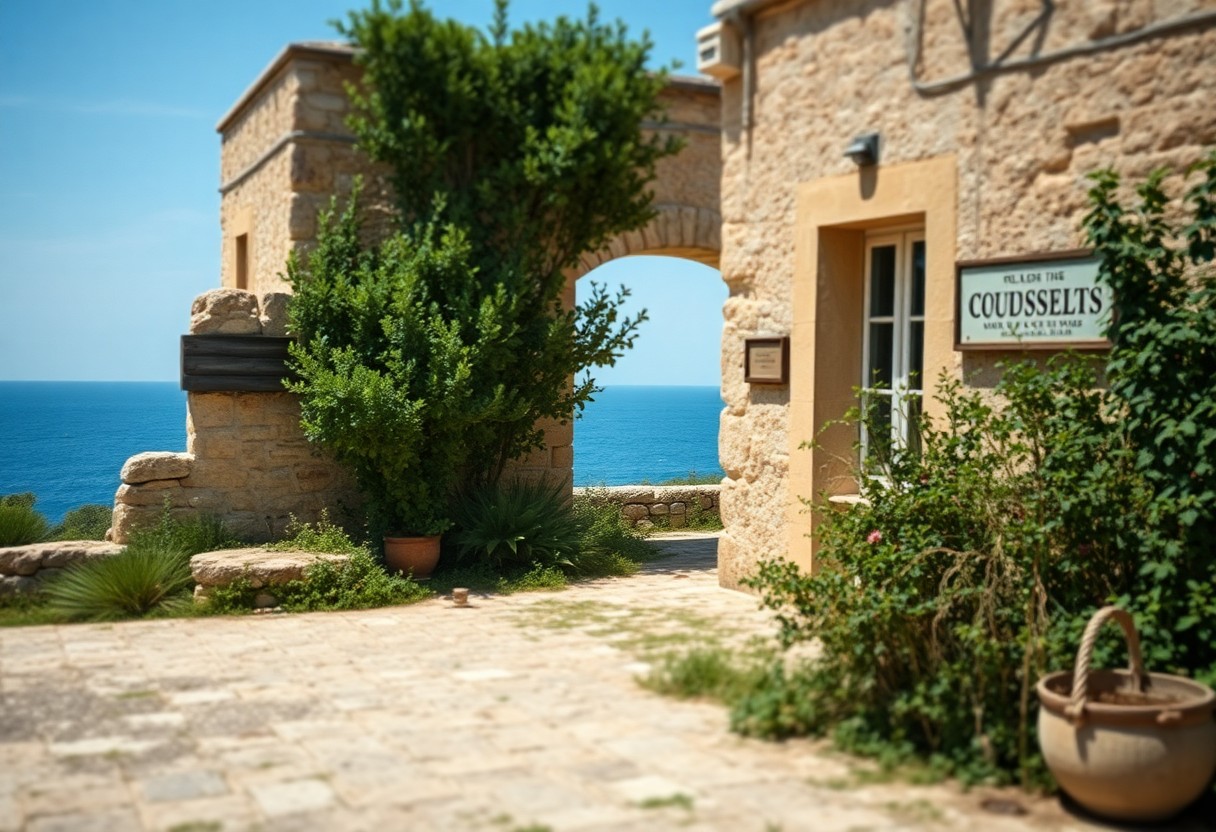
A traditional Maltese guesthouse is characterized by its distinctive architectural style, warm hospitality, and an emphasis on local culture. Usually found within an old town or village, these guesthouses feature traditional limestone walls, intricately carved balconies, and charming courtyards. They often offer authentic meals made from local ingredients and create an atmosphere where guests feel at home, allowing them to engage with the rich history and customs of Malta.
The charm of traditional Maltese guesthouses lies in their unique attributes—each tells its own story through décor and furnishings crafted with care. Local artisans often contribute to the interior design, evoking a sense of place that goes beyond mere accommodation. Rhythms of daily life spill over from the bustling streets to tranquil inner spaces, where communal dining becomes a gathering point for travelers to mingle and share experiences. This environment fosters deeper connections between guests and hosts, enhancing the overall travel experience and showcasing the true essence of Maltese kindness.
The Enchantment of Maltese Guesthouses
Historical Significance and Cultural Heritage
Traditional Maltese guesthouses are more than just places to stay; they are repositories of the island's rich history and vibrant cultural heritage. Established generations ago, many of these accommodations were family-run, reflecting the lifestyles and traditions of their owners. They often served as community hubs where local stories, customs, and culinary practices were shared, fostering a strong sense of belonging among residents and visitors alike.
Architectural Charm and Local Aesthetics
The architectural features of Maltese guesthouses are a visual feast, showcasing a blend of Baroque, Neo-Classical, and rustic styles unique to the archipelago. A prominent aspect is the use of local limestone, which gives each building its distinctive hue and character. Many guesthouses boast traditional Maltese balconies, known as “gallarija,” offering picturesque views while enhancing the building's charm.
These buildings often incorporate elements such as ornate stone-carved doorways, colorful wooden shutters, and terracotta roof tiles, all of which reflect the island's Mediterranean influences. The design of guesthouses is carefully intertwined with local aesthetics; for example, intricate tile work and murals depict themes of the sea, agriculture, and daily life in Malta. Their unique structures serve as a testament to the artisanal craftsmanship of their time, inviting guests to appreciate the artistry while experiencing a slice of Maltese life. As they slowly vanish, the loss of this architectural heritage raises concerns about the preservation of the island's identity and history.
The Economic Landscape Shaping Tourism in Malta
The Impact of Globalization on Local Businesses
Globalization has significantly influenced Malta's economic landscape, where local businesses, including traditional guesthouses, face unprecedented competition from international brands. Increased connectivity has made Malta more accessible, prompting a rise in budget airlines and attracting global travelers seeking uniformity in their accommodation choices. As a result, local guesthouse owners struggle to differentiate themselves amidst a saturated market, often leading to decreased patronage and a subsequent decline in the traditional hospitality sector.
The Increasing Dominance of Hotel Chains
Corporate hotel chains have made substantial inroads into Malta's tourism industry, reshaping the accommodation landscape. With their robust marketing strategies and vast resources, these chains can offer competitive pricing, extensive amenities, and standardized experiences that appeal to the mass market. This trend places immense pressure on traditional guesthouses, which often lack the budget for extensive renovations or promotional campaigns. Over the last decade, Malta has seen a surge in new hotel developments, outpacing the growth of traditional lodging options, and providing tourists a homogeneous experience that lacks the distinctive charm of local guesthouses.
The shift towards hotel chains is marked by significant investments from established brands, which have transformed coastal towns and urban areas alike into bustling hubs of modern hospitality. In recent years, reports indicate that the number of hotel rooms in Malta has increased by nearly 30%, with many properties owned by international conglomerates. This surge, while beneficial for the economy in terms of employment opportunities, has also led to the marginalization of smaller, family-run guesthouses that can no longer compete with the extensive resources and service levels provided by larger chains. Tourists seeking unique, authentic experiences often overlook these traditional options, further driving the decline of an imperative aspect of Malta's cultural heritage.
The Rise of Mainstream Hospitality Chains
Competitive Pricing and Accessibility
Mainstream hospitality chains have gained a foothold in Malta by offering competitive pricing that appeals to budget-conscious travelers. These chains are able to leverage economies of scale, leading to lower operational costs, which translates to attractive rates for consumers. While traditional guesthouses often focus on personalized experiences, chains provide standardized services with a consistent pricing structure, making their offerings accessible to a wider audience. As a result, travelers seeking affordability are increasingly gravitating toward these hotel's franchises.
The Shift in Tourist Preferences
Changing preferences among tourists are reshaping the Maltese hospitality landscape. Travelers today tend to prioritize convenient amenities and predictability over the unique charm offered by family-run guesthouses. A growing number of tourists, particularly younger generations, are drawn to the allure of brand recognition, loyalty programs, and the consistency of services that mainstream chains promise, which can often come at a lower price point.
This shift isn't merely about cost; it's a reflection of evolving expectations. Today's travelers often seek certain amenities such as in-house restaurants, gyms, or pools that traditional guesthouses may not offer. Reports indicate that around 75% of visitors prefer establishments with reliable Wi-Fi and modern designs, which are hallmarks of chain hotels. Furthermore, with the rise of online travel agencies, the visibility and accessibility of these chains have surged, making it even easier to book stays tailored to these contemporary preferences. Consequently, the traditional guesthouse's intimate connection to local culture seems to be overshadowed by the allure of convenience and modernity that mainstream hospitality chains provide.
Evolving Tourist Preferences: A Shift in Demand
The Appeal of Boutique and Luxury Accommodations
Today's travelers increasingly gravitate toward boutique and luxury accommodations that offer unique experiences and personalized service. These establishments often boast distinctive designs, local character, and amenities that cater to high-end clientele, thus creating an environment that traditional guesthouses struggle to replicate. As global travel trends evolve, visitors are willing to pay a premium for places that offer memorable stays, setting the stage for a decline in demand for more conventional lodging options.
Changing Traveler Expectations in the Digital Age
With the rise of online booking platforms, tourists now expect seamless digital experiences paired with instant access to information and reviews. Social media, in particular, has altered how travelers choose their accommodations, leading to increased scrutiny of guesthouses that may not maintain a strong online presence. This shift places pressure on traditional guesthouses to modernize and adapt in order to meet evolving consumer expectations.
Travelers today not only seek comfort and affordability but also prioritize tech-savviness and connectivity in their lodging choices. Access to high-speed Wi-Fi, mobile check-ins, and responsive customer service via social media channels are now imperative to garner positive reviews. A guesthouse without an updated online profile or limited digital engagement risks falling behind as tourists increasingly rely on online ratings and recommendations to shape their decisions. This shift highlights the urgent need for traditional guesthouses to innovate or risk becoming obsolete in a market that values modernity and convenience.
Changing Demographics of Travelers
The Millennial Influence on Travel Choices
Millennials have reshaped the travel landscape with their preferences for authentic experiences over traditional lodging. They seek meaningful connections, local flavors, and unique accommodations, often gravitating toward platforms like Airbnb that offer an alternative to conventional guesthouses. This demographic prioritizes sustainability and ethical travel options, leaving traditional Maltese guesthouses struggling to compete with the diverse array of choices available.
The Rise of Digital Nomads and Long-Stay Preferences
Digital nomads are increasingly choosing destinations like Malta for extended stays, leading to a decline in traditional guesthouse occupancy. With many professionals working remotely, there's a demand for places that provide the comforts of home, like reliable Wi-Fi and workspaces. This trend has encouraged vacation rentals and co-living spaces to flourish in lieu of short-term accommodations.
The emergence of digital nomadism reflects a broader shift in work culture. According to a recent report, nearly 65% of digital nomads identify co-working spaces as vital to their choice of location, with Malta becoming an appealing hotspot due to its favorable climate and vibrant community. These longer-term stays often take precedence over short visits, diverting attention from traditional guesthouses that primarily cater to tourist rushes. With travelers increasingly looking for places to live and work rather than merely to visit, the demand for service alternatives that accommodate these needs continues to rise, hastening the decline of the once-thriving guesthouse scene.
The Role of Social Media in Shaping Guest Experiences
The Instagram Effect: Aesthetic Over Authenticity
In the age of social media, aesthetic appeal often trumps authenticity. Many travelers now opt for accommodations that boast picturesque settings tailored for the ‘Instagrammable' moment. As result, traditional Maltese guesthouses, which may not feature curated aesthetics, face challenges attracting a clientele that prioritizes visual allure over genuine local experiences. The need for photogenic attributes can lead to modifications that strip away the cultural essence these guesthouses once offered.
The Impact of Reviews on Guesthouse Viability
Online reviews play a defining role in shaping consumer choices, with 93% of potential guests checking reviews before booking accommodation. For traditional Maltese guesthouses, this has created a double-edged sword. Positive reviews can significantly enhance visibility and attract guests, emphasizing the importance of providing an exceptional experience. Conversely, even a few negative remarks can tarnish their reputation, leading to decreased bookings, especially among younger, tech-savvy travelers who rely heavily on the digital feedback loop.
Sites such as TripAdvisor and Google Reviews have transformed how guests select their accommodations. Many travelers value the shared experiences of others above any promotional material from the guesthouses themselves. A property with a solid track record of glowing reviews can flourish, while one that receives consistent criticism may struggle to remain viable in a competitive tourism market. In a landscape where reputation can pivot overnight, the pressure on guesthouse owners to maintain high standards is immense, often pushing them to adapt their services in ways that stray from traditional hospitality practices.
The Challenges Facing Traditional Maltese Guesthouses
Financial Pressures and Rising Operational Costs
Many traditional Maltese guesthouses are grappling with escalating costs, from maintenance to utilities and staffing. With inflation rates rising, operational expenses have surged, placing a heavy financial burden on these small businesses. As larger hotel chains expand and offer competitive pricing, many guesthouse owners are finding it challenging to maintain their pricing models while ensuring a quality experience for guests.
Regulatory Hurdles and Government Policies
Navigating the complex maze of regulations has become increasingly daunting for traditional guesthouses. The introduction of new laws concerning property rentals, safety standards, and licensing has created barriers that many smaller establishments struggle to meet. Compliance requires significant resources and can deter potential owners from entering the market.
Recent legislative changes aimed at tightening regulations on short-term rentals have further complicated matters for traditional Maltese guesthouses. The need for detailed inspections, compliance with updated health and safety codes, and additional licensing fees can deter owners from operating, especially when profitable tourist alternatives, like Airbnb, often operate under looser guidelines. This disparity creates a lopsided playing field where traditional guesthouses face mounting challenges that could ultimately lead to their downfall in the competitive tourism landscape. Owners often find themselves stuck between the necessity of adapting to regulatory demands and the reality of dwindling finances, placing their beloved establishments at risk.
Economic Pressures Facing Traditional Guesthouses
Increasing Operational Costs
Operational costs for traditional Maltese guesthouses have surged in recent years, driven by inflation and rising utility prices. Property owners grapple with increased expenses related to maintenance, staff wages, and compliance with stricter regulations regarding health and safety. Many guesthouses, particularly those that are family-run, struggle to absorb these costs while competing with larger hotels or newer accommodation models that benefit from economies of scale.
The Challenge of Maintaining Quality vs. Quantity
In the fiercely competitive tourism market, the pressure to prioritize quantity over quality can be overwhelming for traditional guesthouses. Many owners face a dilemma: to cut costs and increase occupancy or to invest in maintaining the unique charm that attracts travelers. This often leads to tough choices that can dilute the guest experience, as some guesthouses opt for expedited renovations or reduced staffing to remain profitable.
As traditional guesthouses strive to keep up with the rapid influx of international chain hotels and Airbnb rentals, the balance between maintaining quality and increasing guest numbers becomes more precarious. While appealing to a broader audience may generate short-term profits, the long-term impact on the guest experience can jeopardize their reputation and unique selling proposition. For example, a guesthouse that once prided itself on personalized service may find it challenging to uphold these standards amidst high occupancy rates, ultimately risking a loyal customer base that values authenticity and connection over mere affordability.
The Role of Digital Marketing in the Hospitality Sector
How Guesthouses Struggle with Online Visibility
With the rise of large hotel chains and online travel agencies dominating the digital landscape, traditional Maltese guesthouses often find themselves lost in the shuffle. Many rely heavily on word-of-mouth and local reputation, yet fail to harness the potential of search engine optimization or social media channels, resulting in low visibility online. This lack of digital presence restricts their ability to attract international travelers, who increasingly turn to online platforms to make booking decisions.
Strategies for Competing in a Digital World
To remain competitive, traditional guesthouses must adapt their marketing strategies to the digital age. This starts with enhancing their online presence through a user-friendly website, engaging social media profiles, and participation in travel-oriented platforms. Guesthouses can also capitalize on niche markets by highlighting unique features, such as locally-sourced meals or personalized guest experiences, often missed by larger establishments.
Investing in targeted digital marketing campaigns is crucial. Paid advertising on social media, collaborations with popular travel influencers, and strategic content marketing can draw attention to the authentic experiences offered. Guesthouses can implement search engine optimization tactics to ensure that they appear prominently in search results, particularly for keywords that a specific audience may be seeking. Engaging storytelling about the history and cultural significance of the guesthouse and its surroundings can create a strong emotional connection with potential guests—making the case for why travelers should choose them over large, brand-name hotels. By embracing these strategies, guesthouses can not only reach a broader audience but also showcase their unique brand of warmth and hospitality.
Local Regulations and their Impact on Small Businesses
Licensing and Compliance Challenges
Running a traditional Maltese guesthouse involves navigating a complex web of local regulations. Many small business owners find it challenging to obtain the necessary licenses due to stringent government requirements and lengthy approval processes. This bureaucratic landscape often favors larger establishments that have dedicated staff to manage compliance, leaving smaller guesthouses at a disadvantage.
The Threat of Airbnb and Similar Platforms
The emergence of platforms like Airbnb has transformed the hospitality landscape, presenting significant challenges for traditional guesthouses. Property owners often prefer short-term rentals as they can generate higher profits with fewer regulatory hurdles, which undermines the competitive edge of smaller, licensed guesthouses.
As short-term rental platforms proliferate, they attract both local and international tourists looking for unique lodging experiences, often at lower prices. In Malta, the influx of these rentals has intensified competition, making it difficult for established guesthouses to maintain occupancy rates. With many guests opting for the convenience and cost-effectiveness of Airbnb, the traditional guesthouses struggle to showcase their unique offerings and personalized services that cannot be replicated by these larger, impersonal platforms. This shift in consumer preference poses a serious threat to the sustainability of traditional guesthouses, forcing them to adapt or risk fading into obscurity.
Stories of Resilience: Guesthouses Adapting to Change
Innovative Approaches to Sustain Traditional Offerings
Guesthouses are redefining their appeal through innovative approaches that incorporate modern comforts without sacrificing traditional charm. For instance, some establishments have embraced eco-friendly practices, using locally sourced materials and renewable energy, which not only reduces their carbon footprint but attracts environmentally conscious travelers. Others are revamping their interiors and offering unique experiences, such as cooking classes featuring traditional Maltese recipes or guided tours of local historical sites, ensuring visitors engage with the true essence of Malta.
Collaborations with Local Communities for Experience Creation
Building partnerships with local artisans and farmers enables guesthouses to offer authentic experiences that deeply connect visitors to Maltese culture. Collaborations might include arranging farm-to-table dinners where guests can savor dishes crafted from ingredients sourced right in the neighborhood. These endeavors not only support local economies but also enrich the guest experience, making it memorable and unique, effectively fostering a sense of community.
Such collaborations have proven beneficial, as seen in instances like guesthouses teaming up with local fishermen to offer guests fresh seafood dining experiences complete with storytelling about local fishing traditions. Additionally, working alongside local craftspeople allows guesthouses to host workshops on traditional crafts, from pottery to lace-making, providing guests a hands-on connection to Maltese heritage while enhancing their stay. This not only bolsters the guesthouse's offerings but also strengthens its ties to the community, ensuring that traditional practices thrive amidst changing times.
Preservation Efforts: Steps to Protect Maltese Guesthouses
Grassroots Movements and Community Initiatives
In response to the decline of traditional Maltese guesthouses, local communities have rallied together to form grassroots movements aimed at preserving this unique aspect of their culture. Initiatives such as “Save Our Guesthouses” involve community members organizing events, workshops, and campaigns that educate both locals and tourists about the historical significance of these establishments. By fostering a sense of pride and ownership, these movements encourage people to advocate for the protection of guesthouses from commercial pressures.
Collaboration with Local Government and Tourism Boards
Collaborative efforts between community members and local government have proven beneficial in establishing frameworks to safeguard traditional guesthouses. By forming partnerships with tourism boards, these stakeholders can create incentive programs that support small guesthouse owners while promoting sustainable tourism practices. This collaboration can extend to financial grants aimed specifically at the restoration and maintenance of historically significant properties, ensuring they remain viable in an increasingly competitive market.
Expanding further on collaboration, successful examples include the establishment of the Malta Tourism Authority's schemes which provide funding and support to guesthouse owners who comply with preservation standards. These efforts not only bolster the local economy but also highlight the cultural narratives embedded within traditional guesthouses. Creating promotional materials that attract tourists seeking authentic experiences enhances visibility for participating guesthouses, ensuring they do not merely survive but thrive amid modernization pressures. This symbiotic relationship fosters a balanced approach to tourism that respects heritage while adapting to contemporary demands.
The Correlation Between Heritage and Tourism
Preserving Cultural Identity in the Face of Modernization
The rapid modernization of Malta poses a significant threat to its cultural heritage. Traditional practices, architectural styles, and local customs face potential dilution as chain hotels and modern developments proliferate. Community initiatives focusing on heritage preservation are increasingly vital to ensure that the unique cultural identity of Malta remains intact, enabling future generations to experience the rich tapestry of the island's history firsthand. Engaging locals through education and cultural programs can bolster a shared sense of pride in their heritage amid the changing landscape.
The Role of Traditional Guesthouses in Cultural Tourism
Traditional Maltese guesthouses serve as gateways for travelers seeking authentic experiences while contributing to cultural tourism. These establishments showcase local architecture and hospitality, enabling visitors to immerse themselves in Maltese traditions. Many guesthouses offer home-cooked meals featuring local ingredients, guided tours highlighting the island's rich history, and cultural workshops that introduce guests to crafts unique to the region. This approach not only enriches the travel experience but also supports local economies and fosters a renewed appreciation for Malta's cultural identity.
For instance, a guesthouse in Valletta recently initiated community cooking classes that allow tourists to learn traditional Maltese recipes, such as pastizzi and rabbit stew. This not only showcases the culinary heritage of the island but strengthens the bond between visitors and residents. Consequently, traditional guesthouses are vital in maintaining cultural tourism, offering a personalized and immersive experience that modern accommodations simply cannot replicate. Such establishments not only cater to tourists' desires for authenticity but also enhance the local economy through the promotion of heritage-driven activities and crafts.
The Shift Towards Sustainable Tourism
Eco-Friendly Practices in Guesthouses
Many traditional Maltese guesthouses are embracing eco-friendly practices to adapt to the growing emphasis on sustainability in travel. Initiatives such as using solar panels for energy, implementing water-saving technologies, and offering local, organic food are becoming commonplace. For example, the conversion of old rooftops into green spaces not only enhances the aesthetic appeal but also promotes biodiversity, showcasing a commitment to environmentally responsible operations.
The Demand for Authentic Local Experiences
Tourists today prioritize authentic experiences, seeking deeper connections with local culture and traditions. This demand has prompted guesthouses to curate unique offerings that reflect Malta's rich heritage. Workshops on local crafts, guided tours of nearby historical sites, and collaborations with artisans allow guests to immerse themselves in the Maltese way of life. Such experiences encourage visitors to engage more meaningfully with the destination, ultimately fostering a greater appreciation for Malta's culture.
The Demand for Authentic Local Experiences
The growing desire for genuine local encounters has reshaped the landscape of Maltese tourism. Visitors increasingly prefer staying at guesthouses that offer personalized experiences rather than impersonal hotels. This shift is underscored by the rise of platforms like Airbnb and special interest travel, where travelers can select accommodations based on unique attributes, locations, or hosts' personal stories. Research indicates that 63% of millennials are willing to pay more for these authentic experiences, making it necessary for guesthouses to commit to integrating local culture into their offerings. By fostering connections between guests and local communities, these guesthouses can create lasting memories while promoting sustainable tourism practices.
Lessons from Other Destinations
Global Traditions Under Threat: A Comparative Analysis
The challenges faced by Maltese guesthouses are not unique; many regions globally grapple with the decline of traditional accommodations due to the rise of commercial hotels and online rental platforms. Here's a closer look at some similar destinations:
Comparative Analysis
| Destination | Challenges |
|---|---|
| Italy | Rising vacation rentals pushing out family-run agriturismos. |
| Japan | Modern hotels overshadowing ryokan, traditional inns. |
| Greece | Overtourism threatening the authenticity of local bed and breakfasts. |
Successful Initiatives to Revive Local Hospitality
Various regions have undertaken initiatives to revive and promote traditional hospitality models, recognizing their vital role in cultural preservation. In Italy, for example, local governments are providing tax incentives for family-run agriturismos to encourage their sustainability. Furthermore, Japan has implemented programs to train younger generations in the art of running ryokan, blending tradition with modern conveniences.
Expanding on these successful initiatives, there's a poignant recognition of the intrinsic value that heritage accommodations bring to destinations. In Iceland, an innovative tourism board campaign teamed up with local guesthouse owners, highlighting their unique stories and the cultural experiences they offer. Such proactive measures not only preserve traditions but also create a more immersive tourism experience, fostering a sense of community that benefits both visitors and local residents alike.
The Future Landscape of Maltese Hospitality
Innovations in Guesthouse Offerings
As travelers seek unique experiences, Maltese guesthouses are adapting by incorporating innovative offerings. Many now provide personalized service through tailored itineraries, local culinary classes, and immersive cultural workshops. Additionally, some establishments are integrating technology, such as mobile apps that facilitate seamless communication and booking processes. These innovations enhance guest engagement while showcasing Malta's rich heritage and contemporary lifestyle.
Predictions for Traditional Guesthouses in a Changing Market
The future of traditional Maltese guesthouses may hinge on their ability to strike a balance between authenticity and modern demands. With an increasingly competitive landscape, guesthouses that invest in technological enhancements and sustainable practices are likely to thrive. Conversely, those that remain rigid may face obsolescence as travelers prioritize unique and memorable experiences over standardized accommodations.
Forecasts suggest that traditional guesthouses which embrace these changes could redefine their market position. Adapting to consumer preferences for personalization, sustainability, and immersive local experiences will allow them to cater to a growing demographic of conscious travelers. By harnessing technology and maintaining a connection to their cultural roots, traditional guesthouses have the potential not just to survive but flourish in Malta's evolving hospitality landscape. In the coming years, the most successful establishments will likely offer a hybrid model that intertwines the warmth of Maltese tradition with the demands of modern tourism.
The Future of Maltese Hospitality: Prospects and Predictions
Emerging Trends in Sustainable Tourism
The Maltese hospitality sector is gradually embracing sustainable tourism principles. Eco-friendly initiatives are gaining traction, with guesthouses adopting practices such as solar energy, waste reduction, and local sourcing of food products. These eco-conscious approaches not only attract environmentally minded travelers but also help to preserve Malta's natural beauty, making it a win-win situation for both the industry and the island's ecosystem.
Balancing Modernization with Tradition
Modernization is important to keep pace with changing consumer preferences, yet the fundamental essence of Maltese hospitality should remain intact. This balance can be achieved through carefully curated experiences that respect traditional customs while integrating contemporary comforts. Examples include offering cooking classes featuring traditional Maltese cuisine in a modern kitchen setting or providing guided tours that emphasize local heritage alongside modern attractions.
Maintaining this equilibrium involves a multi-faceted approach, where guesthouses reimagine their offerings without diluting their cultural significance. By collaborating with local artisans and farmers, they can showcase authentic Maltese crafts and cuisine, further enriching the guest experience. Moreover, employing skilled locals ensures that the labor market remains robust while passing on invaluable knowledge about heritage. In this way, traditional Maltese guesthouses can modernize their operations while remaining true to their roots, ultimately creating a hospitality model that stands the test of time.
Lessons from Other Destinations Facing Similar Challenges
Successful Adaptations in Europe
European destinations like Barcelona and Venice have seen a decline in traditional hospitality due to overtourism. In response, local governments enforced limits on short-term rentals and incentivized the upgrade of guesthouse offerings. Collaborative initiatives between local authorities and hospitality operators have made it possible to balance visitor numbers while enhancing the quality of guest experiences. Innovative marketing strategies have also emerged, promoting cultural experiences unique to each area, attracting discerning travelers interested in authenticity over mere convenience.
Insights from Global Hospitality Trends
Trends observed globally within the hospitality sector are increasingly focusing on personalized experiences, sustainability, and technological integration. Collaborations with local artisans, immersive cultural programming, and eco-friendly practices are reshaping guest preferences. In the past five years, destinations that adopted sustainable tourism strategies have reported an increase in bookings by up to 30%. This shift emphasizes the need for Maltese guesthouses to pivot toward eco-conscious practices while delivering bespoke experiences to attract modern-day travelers.
The rising demand for unique, personalized travel experiences is reshaping the global lodging landscape. Guests now gravitate towards accommodations that go beyond the standard offerings. According to a study conducted by Booking.com, 60% of travelers express a strong preference for accommodations that incorporate local culture and provide unique engagement opportunities. This trend could serve as a blueprint for Maltese guesthouses aiming to retain their charm and appeal, whether through hosting local artisan workshops or curating culinary experiences that celebrate Maltese cuisine. Integrating these insights could reignite interest in traditional guesthouses, allowing them to thrive amidst evolving traveler expectations.
Voices from the Industry: Perspectives of Guesthouse Owners
Personal Testimonials on the Changing Landscape
Owners of traditional guesthouses share concerns about the impacts of rising rental prices and competition from larger hotel chains. Maria, who runs a family-owned property in Valletta, notes, “Every year, fewer guests choose the authentic experience we offer. They want the comfort of luxury at lower prices, which we simply can't compete with.” Similarly, Joseph, another local owner, laments the shift in visitor expectations, explaining that maintaining traditional charm in the face of modern amenities feels increasingly challenging.
Expert Insights on Preservation and Adaptation
Tourism experts emphasize the need for traditional guesthouses to evolve while preserving their core identity. By harnessing their unique cultural elements, they can attract niche markets looking for authentic experiences. Dr. Teresa Grech, a tourism consultant, points out, “Adopting sustainable practices and marketing local heritage can set these establishments apart in a crowded market, drawing travelers who value experiences over mere accommodations.”
Dr. Grech's insights highlight real opportunities for guesthouse owners. For instance, establishing partnerships with local artisans and promoting events centered around Maltese culture can not only enhance guest experiences but also contribute to the preservation of local traditions. Initiatives like culinary workshops or guided historical tours can build a distinct identity for guesthouses, ensuring they remain integral to Malta's tourism for years to come. Balancing modern demands with historical authenticity is paramount, and success lies in innovative adaptations that honor the essence of Maltese hospitality.
Reimagining the Guesthouse Model
Hybrid Models: Blending Tradition with Modernity
In response to shifting tourism trends, many Maltese guesthouses are adopting hybrid models that integrate traditional hospitality with contemporary amenities. This evolution often includes preserving the unique architectural elements of heritage buildings while incorporating modern comforts like high-speed Wi-Fi, eco-friendly practices, and stylish interior design. By marrying these two worlds, guesthouses provide an authentic yet comfortable experience, appealing to both local culture enthusiasts and modern travelers.
Expanding Services: From Culinary Experiences to Cultural Tours
Guesthouses are diversifying their offerings, moving beyond basic accommodations to include culinary experiences and personalized cultural tours. This approach not only enhances the guest experience but also showcases Malta's rich history and gastronomy, fulfilling the needs of travelers seeking immersive encounters. Such initiatives position guesthouses as integral players in the local tourism scene, fostering community engagements and promoting sustainable travel.
Expanding services allows Maltese guesthouses to craft unique itineraries that reflect local culture and cuisine, such as cooking classes featuring traditional dishes or vineyard tours showcasing local wines. Collaborations with local artisans and chefs can elevate a guest's stay, inviting them to explore the islands through hands-on experiences. This shift not only benefits guests with deeper connections to Maltese heritage but also supports local economies, as guesthouses facilitate partnerships with local businesses, artisans, and tour guides. By fostering these relationships, traditional guesthouses can create ecosystems that uphold and celebrate Malta's unique identity in the tourism landscape.
Building a Sustainable Business Model for the Future
Strategies for Financial Viability in a Competitive Market
Developing a sustainable business model hinges on effective financial strategies that adapt to a competitive landscape. Guesthouses must diversify their offerings, such as incorporating unique experiences like culinary classes or guided historical tours. Utilizing dynamic pricing strategies can optimize revenue, especially during peak seasons. Additionally, leveraging online booking platforms and marketing through social media channels can enhance visibility and attract a broader clientele, ensuring long-term financial stability.
Fostering Community Engagement as a Differentiator
Engaging with the local community presents a robust differentiator for traditional Maltese guesthouses. Forming partnerships with local artisans, farmers, or tour guides creates authentic experiences for guests, reinforcing the cultural identity of Malta. By hosting community events, promoting local products, and encouraging collaborations, guesthouses can cultivate deeper connections with both their patrons and the society around them, ultimately fostering a loyal customer base.
Collaboration with local businesses can significantly enhance a guesthouse's appeal by offering visitors a taste of the region's authenticity. Examples include sourcing ingredients from nearby markets for meals served on the property or organizing workshops where guests can engage in traditional crafts. Such initiatives foster an immersive experience, allowing visitors to appreciate Maltese culture beyond standard tourist attractions. This authentic engagement not only enhances guest satisfaction but also promotes local economies and strengthens community bonds, establishing a reputation for the guesthouse as a pillar of the locality.
Engaging the Next Generation of Travelers
Educational Programs and Local Integration
Involving young travelers in educational programs that highlight Maltese culture and traditions can foster a greater appreciation for guesthouses. Initiatives like cooking classes with local chefs or guided heritage walks led by residents offer immersive experiences that emphasize local integration. By encouraging guests to connect with artisans and participate in community events, guesthouses can create unique stays that resonate with the increasingly conscious traveler demographic.
Creating Emotional Connections Through Storytelling
Storytelling serves as a powerful tool for guesthouses to engage visitors on an emotional level. Personal anecdotes shared by owners and stories about the local community can transform a simple accommodation into an unforgettable experience. For example, recounting tales of family traditions tied to specific recipes or historical events associated with the property can instill a sense of belonging and nostalgia, making travelers more likely to return and recommend the guesthouse to others.
Effective storytelling immerses guests in the rich tapestry of Maltese culture, making their experience feel more authentic and meaningful. By integrating local history and personal narratives into their service offerings, guesthouses can forge emotional connections. Consider a guesthouse that transforms its dining area into a storytelling space, where mornings start with tales of the region's past while guests savor traditional breakfast dishes. Such strategies can create lasting memories, turning transient visits into cherished relationships that bridge generations.
The Role of the Local Government in Supporting Guesthouses
Current Policies Affecting Small Hospitality Businesses
Local government policies currently focus on regulating the hospitality industry, which results in stringent compliance requirements for small guesthouses. These include licensing fees that can pose a financial burden, especially for family-run businesses. Additionally, there are stringent health and safety standards that may favor larger establishments, inadvertently sidelining smaller operators who lack the resources to meet these regulations. Furthermore, marketing campaigns often overlook the promotion of guesthouses, concentrating instead on larger hotels which usually dominate the tourist narrative.
Recommendations for Future Legislative Support
To revitalize the guesthouse sector, local governments should consider policies that foster inclusivity and support for small hospitality businesses. This could include reducing licensing fees for small guesthouses, offering tax incentives, and creating a streamlined application process tailored to their operational scale. Increased funding for marketing initiatives specifically targeting guesthouses would also help balance the promotional landscape, ensuring these establishments gain the visibility they deserve in Malta's competitive tourism market.
Supporting small guesthouses through targeted legislation can elevate the entire Maltese tourism industry. For instance, introducing a grant system for guesthouses to improve infrastructure and marketing would enable these establishments to compete more effectively against larger hotels. Additionally, cross-promotional efforts with local attractions can help guesthouses draw visitors seeking an authentic Maltese experience. Investing in training and resources for small business owners can enhance service quality, benefiting both guests and the local economy. By adopting a multi-faceted approach to support, local governments can ensure the survival and flourishing of traditional Maltese guesthouses amid changing tourism landscapes.
The Emotional Void Left by Closure
Personal Stories from Guesthouse Owners
Many guesthouse owners have shared poignant stories of the connections they formed with their guests over the years. For Maria, who ran a family-operated guesthouse for over two decades, the laughter shared around her dinner table echoed through the halls long after they closed. She reminisces about the couple who celebrated their honeymoon in her home, returning every year for their anniversary until unforeseen challenges forced her to shutter the doors. These deeply personal narratives underscore the emotional bonds that transcend mere transactions and foster a sense of community.
The Impact on Local Communities and Economies
The closure of traditional guesthouses ripples through local economies, affecting more than just the owners. Small businesses, from artisanal shops to local farmers, depend on the foot traffic generated by these accommodations. With fewer visitors choosing authentic experiences, local artisans see a downturn in sales, leading to potential job losses. Furthermore, the vibrant cultural exchanges that occur in guesthouses – where visitors learn about local traditions and histories – are noticeably diminished, stripping away both economic support and the richness of local culture.
In Malta, tourism accounts for approximately 27% of the country's GDP, and guesthouses play a vital role in this sector. When these establishments close, families and small enterprises that rely on the influx of tourists feel the strain. Farmers miss out as guesthouses traditionally source local produce, while craftspeople lament the loss of visitors seeking authentic, handmade goods. Local festivals, once bustling with life and tradition due to tourist attendance, now suffer from reduced participation, leaving a stagnant cultural landscape. The emotional and economic void left by such closures is profound, echoing far beyond the walls of individual guesthouses and into the very fabric of the community.
Envisioning a Future Where Tradition Meets Innovation
Combining the Old and the New: Hybrid Models of Hospitality
Hybrid models of hospitality blend traditional Maltese guesthouse charm with modern amenities, creating a unique experience for visitors. These innovative establishments offer a mix of local culture and contemporary conveniences, such as smart technology and eco-friendly practices. For instance, incorporating local artisanal decor alongside sustainable energy solutions can attract discerning travelers who crave authenticity but also prioritize environmentally conscious choices.
The Potential for a Renaissance in Maltese Guesthouse Culture
A renaissance in Maltese guesthouse culture hinges on revitalizing traditional practices while embracing contemporary trends. By enhancing guest experiences with local cuisine, immersive cultural events, and personalized services, there's a significant opportunity to reignite interest in these cherished accommodations. Research indicates that destinations showcasing local heritage and community connection often see increased tourist engagement, suggesting that a renewed focus on authenticity could attract both international visitors and local patrons seeking unique stays that resonate with their roots.
As more guests seek out experiential travel, guesthouses that can weave historic narratives into their offerings are likely to thrive. Collaborative initiatives that involve local artisans, chefs, and cultural performers can create a dynamic setting that celebrates Maltese history while meeting modern expectations. This not only preserves the essence of traditional hospitality but also opens doors for innovative collaborations, ensuring that Maltese guesthouses remain relevant and alluring in a fast-evolving travel landscape.
Summing up
With these considerations, it is evident that the traditional Maltese guesthouses are facing significant challenges due to modernization and changing tourist preferences. These establishment types, once central to Malta's cultural and social identity, are increasingly replaced by international hotel chains and vacation rentals. This trend not only threatens the authenticity of the local hospitality experience but also risks the erosion of unique cultural heritage. Sustaining these guesthouses requires a concerted effort from both the community and policymakers to adapt while preserving the distinctive qualities that define Maltese hospitality.
Upon reflecting on the slow disappearance of traditional Maltese guesthouses, it is evident that this trend poses significant implications for the local culture and tourism landscape. These guesthouses, once vibrant hubs of community interaction and cultural exchange, are increasingly overshadowed by modern accommodations that prioritize commercialization over authenticity. As more travelers seek immersive experiences that connect them with local traditions, preserving these historic establishments becomes necessary. A concerted effort to support and promote traditional Maltese guesthouses is vital for safeguarding the island's rich heritage and fostering sustainable tourism for the future.
FAQs
What makes traditional Maltese guesthouses unique compared to modern hotels?
Traditional Maltese guesthouses stand out for their limestone architecture, family-run hospitality, authentic meals, and cultural immersion that hotels often cannot replicate.
Why are Maltese guesthouses declining in popularity?
The rise of global hotel chains, shifting traveler preferences, regulatory pressures, and competition from short-term rentals like Airbnb have contributed to their decline.
How has globalization affected Malta’s traditional hospitality sector?
Globalization has introduced international hotel chains with strong marketing and lower costs, making it difficult for smaller, family-run guesthouses to compete.
What role does social media play in the survival of guesthouses?
Social media and online reviews shape guest choices. Guesthouses with little digital presence risk being overlooked, while those with strong online engagement can attract new audiences.
Are there efforts to preserve Maltese guesthouses?
Yes, grassroots initiatives, community movements, and collaborations with tourism boards are working to protect and promote traditional guesthouses as part of Malta’s heritage.
What cultural value do Maltese guesthouses hold?
They represent Malta’s centuries-old hospitality traditions, architectural charm, and community-based living, offering visitors a genuine connection to local culture.
How do guesthouses differ architecturally from hotels?
Guesthouses often feature limestone walls, carved balconies, courtyards, and artisanal décor, reflecting Malta’s unique Mediterranean and historical influences.
What challenges do guesthouse owners face today?
Rising operational costs, strict regulations, lack of marketing resources, and competition from both luxury hotels and online rental platforms are major challenges.
Can guesthouses adapt to modern tourism demands?
Yes, many are incorporating eco-friendly practices, digital marketing, and unique experiences like cooking classes or cultural workshops to attract new generations of travelers.
Why is preserving Maltese guesthouses important for the future?
Protecting guesthouses ensures the survival of Malta’s cultural identity, supports local economies, and offers travelers authentic alternatives to standardized global hotel stays.

Paula Nancy
Hello and Welcome to my profile. I'm a UK based entrenched full-time Blogger, Journalist, columnist and a certified writer with many years of sound writing experience. If you need a high-quality and original content, I'm here to provide you with the best writing services.
Related Posts

Malta tourism at its limit
April 13, 2026
Malta luxury travel demand rises
April 11, 2026

Spring travel trends favor Malta
April 10, 2026

Malta welcomes older travellers
April 9, 2026
Malta’s heritage in spring
April 8, 2026
Malta spring tourism campaigns
April 7, 2026
Spring travel lifts Malta operators
April 6, 2026

Spring culture fuels Malta tourism
April 4, 2026
Airbnb demand rises in Malta spring
April 3, 2026