















Cultural heritage in Maltese doors
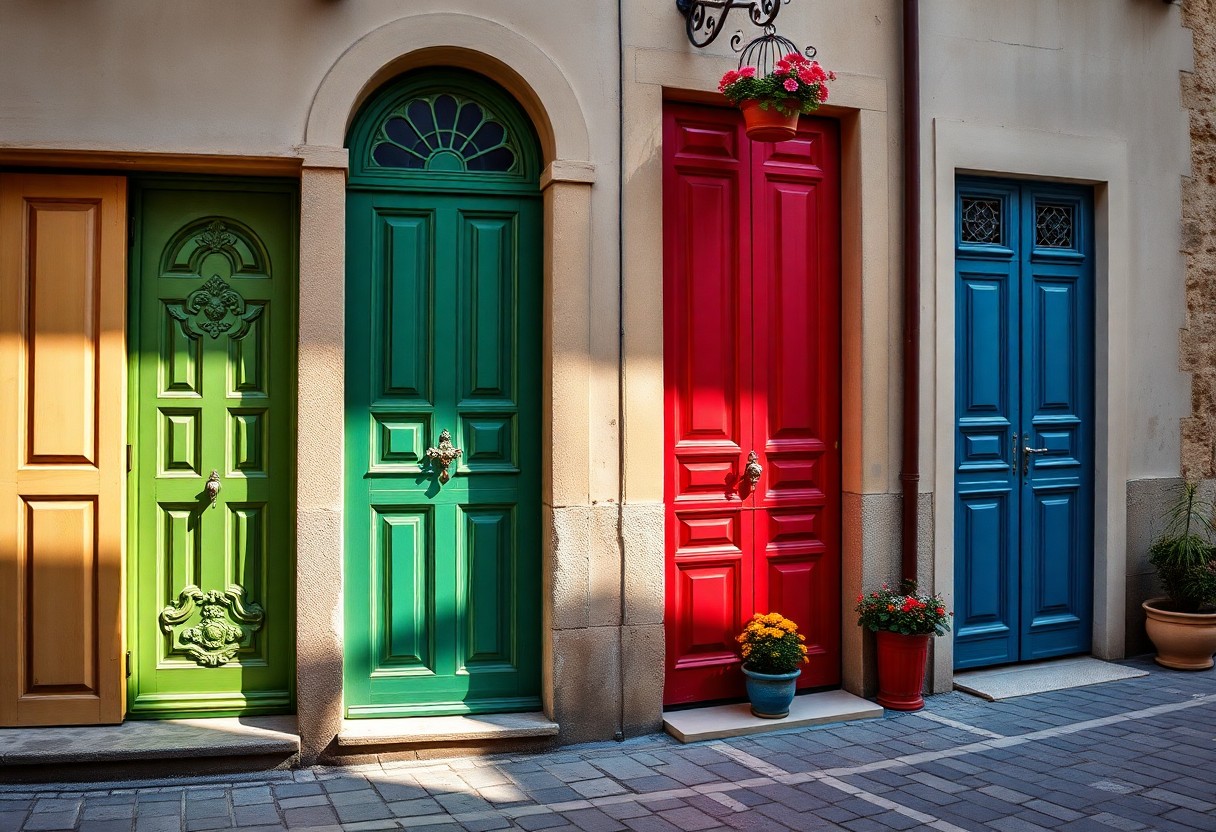
Malta boasts a rich cultural heritage reflected in its vibrant architecture, particularly in the iconic doors that adorn its historic buildings. These doors, each telling unique stories of artistry and tradition, are a captivating feature that draws countless photographers and visitors alike. Through various styles and colors, they reveal the rich history and influences that have shaped the Maltese islands over centuries. In this post, we'll explore the origins and significance of some of Malta's most photographed doors, offering insights into the artistry and symbolism that make them cultural treasures.
The Architectural Evolution of Maltese Doors
The Influence of Mediterranean Design
Maltese doors are a testament to the island's rich Mediterranean heritage, with designs reflecting influences from various cultures over centuries. Bright colors, ornate patterns, and intricate details are hallmarks of this style, which draws inspiration from neighboring Italy, Spain, and North Africa. These characteristics not only enhance the aesthetics of Maltese architecture but also showcase the island's unique identity shaped by a tapestry of historical interactions across the sea.
Baroque Elements in Traditional Doors
The Baroque period left a significant mark on Maltese architecture, especially evident in the design of traditional doors. Features include elaborate carvings, bold use of symmetry, and rich ornamentation that create a sense of grandeur. The intricate wooden doors often showcase motifs like floral patterns and religious symbols, reflecting the craftsmanship of the era. Such details not only enhance the visual complexity of the doors but also reveal the cultural importance of art and craftsmanship in Maltese society.





















Baroque influences on Maltese doors speak to a time when architectural ornamentation reached its zenith. The integration of these elements turned commonplace doors into stunning focal points, often associated with the grandeur of the Knights of St. John. In cities like Valletta and Mdina, examples of Baroque doors can range from robust doors adorned with sculpted figures to delicate panels with intricate moldings. These elaborate designs convey a historical narrative, blending functionality with artistic expression that defines Malta's architectural landscape.
Cultural Significance of Door Color
Symbolism of Colors in Maltese Society
In Malta, the colors of doors carry deep meanings, often reflecting the values and moods of their inhabitants. Red doors symbolize hospitality and warmth, creating an inviting atmosphere for guests. Blue, often associated with tranquility, evokes a sense of calm, while green doors signify hope and renewal. Additionally, yellow hues are traditionally linked to joy and optimism, painting a picture of a vibrant community woven together by shared cultural beliefs.
Myths and Beliefs Surrounding Door Colors
Malta's rich folklore is intertwined with the significance of door colors, leading to various myths that inform local traditions. One such belief holds that a red door keeps evil spirits at bay, while blue is thought to provide protection against the “evil eye.” These superstitions stem from the island's unique blend of cultures, mirroring its complex history and shaping the everyday lives of its people.
Moreover, certain colors are thought to attract or repel specific energies. For example, painting a door green is often believed to invite prosperity and wealth, while some locals swear by the protective powers of a blue door against misfortune. These practices reflect the deep-rooted connection between Malta's inhabitants and their environment, demonstrating how a simple element like a door can serve as a canvas for cultural expression and belief systems. The choices made in door colors not only embellish the landscape but also enrich the narratives woven into the Maltese identity.
Iconic Door Styles: From Knights to Modern Day
The Knights of St. John and their Architectural Legacy
The Knights of St. John, who ruled Malta from 1530 to 1798, significantly influenced the architectural landscape, resulting in ornate doors that reflected their wealth and power. Characterized by grand wooden structures, often painted in vivid hues like azure and ochre, these doors are adorned with intricate carvings and embellishments, including the iconic Maltese cross. This period saw the emergence of remarkable examples, such as those on the pastel-colored façades of Valletta, each telling tales of history and prestige.
Transition to Contemporary Designs
As Malta evolved into the 20th century, the architectural aesthetics saw a noticeable shift. The contemporary approach embraced minimalistic styles, replacing the intricate designs of the past with simpler shapes, clean lines, and a focus on functionality. Blending old-world charm with modern trends, doors began to utilize materials like glass and aluminum, featuring sleek profiles while maintaining traditional colors and motifs reflective of the island's heritage. These changes signify not just a stylistic evolution but also a cultural adaptation to contemporary living.
In recent years, the transition to contemporary designs has brought forth a fusion of styles, where traditional craftsmanship meets modern technology. Innovations in construction materials have allowed for enhanced durability and insulation, while still offering aesthetic appeal. Notably, new door designs often pay homage to classic Maltese elements, such as bold colors and decorative elements that resonate with the history of the island. This blend ensures that despite the modern touches, the story of Malta's doors remains alive, embodying both the past and the present.
The Role of Craftsmanship in Door Making
Traditional Techniques Passed Down Through Generations
Craftsmanship in Malta has deep roots, with traditional techniques employed by local artisans often passed down through generations. These highly skilled craftsmen utilize methods such as hand-carving and intricate wood joinery, ensuring that each door is not merely functional, but also a work of art. Tools like chisels, mallets, and saws have been vital in shaping these doors, which frequently depict elaborate designs that reflect Malta's rich history and culture.
The Impact of Modern Technology on Craftsmanship
In recent years, modern technology has significantly transformed the landscape of door making. Advanced machinery and tools have streamlined processes, enabling quicker production times and increased precision. CNC machines, for instance, allow artisans to create complex designs with high accuracy, which was previously unattainable with hand tools alone. While this shift has improved efficiency, it raises questions about the preservation of traditional craftsmanship in an era increasingly dominated by automation.
Although modern technology provides significant advantages, it can also lead to a homogenization of design and a disconnection from age-old techniques. Many artisans are now faced with the challenge of integrating new technology while preserving the unique elements that distinguish Maltese doors. Innovative offerings, such as digital design software alongside traditional handcrafting techniques, enable artists to create custom pieces that marry the best aspects of both worlds. This fusion ensures that the spirit of craftsmanship endures, even as the methods evolve, fostering a vibrant future for Malta's iconic doors.
Photography's Love Affair with Maltese Doors
Why These Doors Capture the Imagination of Photographers
The vibrant hues, intricate designs, and rich history of Maltese doors create a captivating canvas for photographers. Each door tells a story through its unique features—be it the bold blues and greens, the intricately carved motifs, or the ornate knockers that reflect the island's diverse cultural influences. This visual charm invites both local and visiting photographers to capture the essence of Malta's architectural heritage, making each door a point of intrigue and inspiration.
Social Media Trends Featuring Maltese Doors
With the rise of social media, Maltese doors have found their way into the feeds of countless users globally. Instagram, in particular, has seen a surge in posts dedicated to these colorful entryways, inspiring travel enthusiasts and architecture aficionados alike. Hashtags such as #MaltaDoors and #MalteseArchitecture have emerged, showcasing not just stunning visuals but also the deep connection between culture and place.
This social media phenomenon has transformed the doors into milestones in the travel journey, prompting visitors to seek out the most iconic doorways for the perfect snapshot. Influencers frequently feature these doors as backdrops, celebrating their beauty in a bid to capture the essence of Malta. On platforms like Instagram, the tag #MaltaDoors has garnered thousands of posts, illustrating how this trend not only perpetuates the allure of the island's heritage but also fosters community among both locals and travelers who appreciate Malta's aesthetic storytelling through its doors.
The Economic Impact of Touristic Photography
The Rise of Door Tours in Malta
In recent years, door tours in Malta have gained immense popularity, transforming what was once a casual stroll through the streets into a vibrant tourist attraction. Guided tours that focus on the colorful and intricately designed doors have emerged, with some operators reporting a 30% increase in bookings year-on-year. Visitors now seek not just to snap photos but to immerse themselves in the stories behind these iconic entrances, making it a unique facet of Maltese travel experiences.
Local Businesses Thriving on Photographic Tourism
As photographers flock to the island, local businesses are reaping the rewards of this surge in visual tourism. Cafés, souvenir shops, and artisan stores have begun to cater specifically to the needs of these photography enthusiasts, creating a new economic ecosystem. For instance, some coffee shops have seen a notable rise in customers who are spending time admiring doors while enjoying local fare, thus increasing foot traffic and sales.
Local businesses are not just benefiting from increased sales; they are also partnering with tour operators to offer themed experiences. For instance, some shops now host door photography workshops, teaching tourists how to frame the perfect shot while highlighting local artistry. Additionally, the rise in social media exposure amplifies visibility for these establishments. A single post featuring a picturesque door can lead to hundreds of new visitors, demonstrating how intertwined tourism and local economies have become. This new collaboration promises sustained growth and collaboration, ensuring that the charm of Malta's doors continues to generate revenue long into the future.
Preservation Efforts and Challenges
The Role of Conservation Organizations
Conservation organizations in Malta, such as Din l-Art Ħelwa and the Malta Chamber of Commerce, collaborate to protect the island's architectural heritage, including its iconic doors. These organizations not only advocate for the preservation of doorways but also work to raise awareness among locals and tourists about the historical significance of these structures. Through restoration projects, educational initiatives, and community engagement, they strive to ensure that future generations can appreciate Malta's architectural gems.
Modern Threats to Historical Doorways
Contemporary urban development, climate change, and neglect present significant threats to Malta's historical doorways. Increased tourism demand leads to commercialization, putting pressure on traditional neighborhoods where these doors are found. Additionally, rising sea levels and extreme weather can accelerate decay, while insufficient maintenance creates vulnerabilities for these fragile structures. Each year, more doors face potential irreversible damage, raising urgent concerns among preservationists.
Urbanization poses a stark challenge, as new constructions and renovations often prioritize modern aesthetics over historical integrity. Reports show that between 2010 and 2020, over 25% of historical structures in Malta were affected by unauthorized alterations. Furthermore, many residents lack awareness about proper maintenance techniques for these significant architectural features, leading to a cycle of deterioration. Without immediate action and responsible stewardship, the stunning doors that define Malta's character risk being lost forever, highlighting the urgent need for effective preservation strategies.
Personal Stories Behind the Doors
Anecdotes from Local Residents
Local residents frequently share stories of their childhood memories tied to these iconic doors. From the laughter of children playing hide-and-seek in the narrow streets to the aroma of freshly baked bread wafting through the openings, these doors have seen generations grow up. One elderly gentleman recalls a time when the vibrant blue door of his grandmother's home was the meeting place for neighborhood gatherings, filled with laughter, song, and a sense of community that resonates even today.
The Lives and Histories That Shape the Doors
Each door encapsulates a unique narrative, contributing to the rich tapestry of Malta's history. Some doors bear the marks of time, revealing little secrets of the inhabitants who once lived there. For instance, the iconic green door at 16 St. Paul's Street served as the entrance to a once-bustling silk factory, a testament to the flourishing textile trade in the 18th century. These stories reflect the evolution of societal norms, trade, and culture, connecting the present with a vibrant past.
The intricate histories of Malta's doors tell tales of businesses that flourished and families who have lived through changes both significant and subtle. The patterns of wear and tear on the wood highlight the lives that have passed through, while local artisans retrieve details from the past through restoration work, continuing the legacy of craftsmanship. Each door stands as a silent witness to the daily lives, celebrations, and tribulations of the Maltese people, making them not just entrances but portals to the collective memory of the community.
Travel Tips for Door Enthusiasts
- Bring a sturdy camera or smartphone with a good lens.
- Visit on weekdays to avoid crowds and have a more intimate experience with the doors.
- Engage with locals, as they can provide unique insights and perhaps share stories about the doors.
- Consider a guided walking tour focused on architecture to enhance your understanding.
- Wear comfortable shoes; exploring the narrow streets may involve a fair bit of walking.
Assume that each door has a story waiting to be discovered, leading to remarkable photographic opportunities.
Best Locations to Photograph Maltese Doors
Some of the most iconic spots for capturing Maltese doors include the vibrant streets of Valletta, the charming alleys of Mdina, and the picturesque fishing village of Marsaxlokk. Each area flaunts a unique style, with Valletta's grand doorways showcasing Baroque architecture, while Mdina's medieval doors offer a rustic charm.
Best Times of Day for Optimal Photography
Golden hour, which occurs shortly after sunrise and before sunset, provides the most flattering light for photography, casting a warm glow on the doors. Mid-morning or late afternoon light helps avoid harsh shadows, revealing intricate details. Overcast days are also great, as they create soft, diffused lighting that brings out the vibrant colors without glare.
During the golden hour, the play of light and shadow transforms the textures of the doors, enhancing their colors and features. Early morning captures the serene beauty of the streets, often devoid of tourists, while sunset illuminates the iconic structures against a dramatic sky. Experimenting with various angles during these times offers an array of stunning visuals for any door enthusiast.
The Role of Maltese Doors in Literature and Art
Doors as Symbols in Poetry and Novels
Maltese doors often serve as profound symbols in poetry and literature, representing thresholds between the mundane and the mystical. Renowned writers have drawn on their imagery to explore themes of transition, identity, and the unknown. For instance, in contemporary Maltese poetry, doors frequently embody the barriers and openness of the human experience, suggesting a yearning for connection or the mysteries that lie beyond. Their colors and craftsmanship evoke not just heritage but also emotional landscapes, inviting readers to reflect upon the narratives that unfold behind them.
Artistic Representation in Various Mediums
Maltese doors have inspired a wealth of artistic expression across different mediums, from painting and photography to sculpture. Artists often focus on their unique colors and ornate designs as powerful subjects, capturing the essence of Mediterranean life. The intricate details and historical significance of these doors become the focal point for many local artists, creating works that celebrate both the artistry and storytelling aspects of these architectural features.
In visual arts, numerous painters have dedicated entire series to the iconic wooden portals of Malta, emphasizing their striking hues, textures, and age-old tales. Photographers, too, have leveraged these doors to create stunning compositions that highlight their unique characteristics against the backdrop of the vibrant Maltese landscape. Sculptors have even taken inspiration from their forms, crafting pieces that mimic the graceful arches and embellishments found on the original doors. The vibrant narratives conveyed through these representations reflect the doors' role not only as physical structures but as vessels of cultural legacy, connecting generations through art.
Unique Regional Variations
Doors of Valletta vs. Mdina: A Comparative Analysis
| Feature | Valletta | Mdina |
|---|---|---|
| Style | Baroque influences with ornate design | Medieval charm with simpler, sturdier structures |
| Color Palette | Vibrant colors, particularly greens and blues | Earthy tones, predominantly browns and beige |
| Height and Scale | Taller doors, often dwarfing their surroundings | More modest in size, integrating with the surrounding walls |
Valletta's doors embody Baroque elegance, characterized by intricate carvings and rich colors. In contrast, Mdina celebrates medieval simplicity, presenting more subdued and robust doorways. This distinction reflects the different historical contexts—Valletta's doors speak to a flamboyant past of the Knights of St. John, while Mdina reveals an understated resilience from Malta's ancient settlements.
Allocation of Styles by Region
Understanding how styles vary across Malta's regions highlights the island's diverse cultural influences. Valletta's architectural grandeur manifests in its doors, heavily influenced by the Baroque and Neoclassical movements. Conversely, villages such as Rabat and Sliema exhibit combinations of modernist styles and traditional Maltese features, offering a broader narrative of the island's architectural evolution. Each locality brings its unique twist, ensuring that walking through the streets of Malta presents an evolving tapestry of colors, shapes, and designs.
The Future of Malta's Photogenic Doors
What's Next for Door Design in Malta?
As modernity intertwines with tradition, door design in Malta is set to evolve. Architects and designers are exploring innovative materials and techniques, blending contemporary aesthetics with traditional craftsmanship. The use of smart technology in door systems could revolutionize security while maintaining the cultural essence, allowing for a seamless integration of past and future.
Emerging Trends in Sustainable Craftsmanship
Craftsmanship in Malta is increasingly leaning towards sustainability, reflecting global trends. Artisans are adopting eco-friendly materials and biodegradable finishes, ensuring that new doors align with environmental goals without compromising design integrity.
This shift toward sustainable craftsmanship has seen local makers harness renewable resources, such as reclaimed wood and eco-friendly paints. For instance, companies like DOK Malta focus on producing handcrafted doors using designs inspired by traditional Maltese patterns, yet constructed from sustainably sourced timber. This commitment not only enhances the aesthetic appeal but also supports local ecosystems, ensuring the beauty of Malta's iconic doors can be preserved for future generations. With a growing emphasis on environmental responsibility, Maltese doors are poised to remain not just beautiful, but kind to the planet as well.
Global Influence of Maltese Door Aesthetics
How Maltese Doors Inspire Designers Worldwide
The unique aesthetics of Maltese doors, with their vibrant colors and intricate detailing, have garnered attention from designers around the globe. From fashion to architecture, the striking juxtaposition of ornate motifs and bold hues found in these doors has led to a resurgence of interest in traditional Mediterranean influences within contemporary designs. International designers often draw inspiration from the textures, shapes, and cultural symbolism embedded in Maltese doors, seamlessly blending them into modern design narratives.
Cultural Exchanges: Maltese Doors in International Contexts
Across various continents, the inspiration from Maltese doors has transcended geographical barriers, leading to diverse adaptations in interior design, art, and even product packaging. Events like European design fairs have featured installations and artworks that pay homage to the historical significance and aesthetic beauty of these iconic doors, showcasing the enduring legacy of Malta's craftsmanship on an international stage.
Notably, the incorporation of Maltese door aesthetics into global design is evident in cities like Barcelona and Lisbon, where local artisans have adopted similar color palettes and architectural elements. The European Union, recognizing Malta's unique cultural heritage, has also promoted these designs as part of broader initiatives to celebrate regional styles. Additionally, social media platforms have amplified this cultural exchange, with countless posts dedicated to showcasing Maltese doors, inspiring a worldwide audience to appreciate and reinterpret their elegance in various artistic forms.
Final Words
Taking this into account, the history behind Malta's most photographed doors reveals a rich tapestry of cultural influences and artistic expression. Each door embodies stories of resilience, tradition, and community, reflecting the island's diverse heritage. From the vibrant colors to intricate designs, these doors serve as more than just entrances; they symbolize Malta's unique identity and charm. Appreciating their significance enhances our understanding of the island's past, making every click of the camera a homage to Malta's architectural legacy.
FAQs
Why are Maltese doors considered culturally significant?
Maltese doors are seen as cultural treasures because they reflect centuries of history, artistry, and symbolism, blending Mediterranean, Baroque, and local influences.
What do the different door colors in Malta symbolize?
Red often symbolizes hospitality, blue represents protection and peace, green is linked with prosperity, and yellow reflects optimism and joy.
How did the Knights of St. John influence Maltese door design?
During their rule, the Knights introduced ornate wooden doors adorned with carvings, religious motifs, and the Maltese cross, showcasing wealth and prestige.
What architectural styles are visible in Malta’s historic doors?
The doors feature Mediterranean simplicity, Baroque ornamentation, and modern minimalist elements, illustrating the island’s diverse cultural heritage.
Why are Maltese doors popular among photographers?
Their vibrant colors, intricate carvings, and historical context make them ideal subjects for photography, often shared widely on social media.
Are there organized tours in Malta dedicated to its doors?
Yes, guided “door tours” have become popular, allowing visitors to explore historical streets, learn about the symbolism, and photograph the iconic entrances.
How has modern technology changed traditional door craftsmanship in Malta?
While artisans still use hand-carving methods, modern tools like CNC machines have increased precision and production speed, blending tradition with innovation.
What challenges threaten the preservation of Malta’s historic doors?
Urban development, climate change, neglect, and unauthorized alterations are major threats, putting pressure on heritage conservation efforts.
Where can visitors find the most iconic Maltese doors?
The best places include Valletta for Baroque designs, Mdina for medieval charm, and Marsaxlokk for colorful, rustic styles.
How do Maltese doors inspire global designers today?
Their bold colors and ornate motifs influence architecture, fashion, and interior design worldwide, often featured in European design fairs and artistic projects.

Claire
A highly motivated, results-driven, enthusiastic and ambitious writer. I can offer you well researched and high-quality article writing on any topic for your website or blog and can as well re-write your existing web content.
Related Posts
Malta luxury travel demand rises
April 11, 2026


Spring travel trends favor Malta
April 10, 2026
Malta welcomes older travellers
April 9, 2026
Malta’s heritage in spring
April 8, 2026
Malta spring tourism campaigns
April 7, 2026
Spring travel lifts Malta operators
April 6, 2026
Spring culture fuels Malta tourism
April 4, 2026
Airbnb demand rises in Malta spring
April 3, 2026