















The World of Wearable iGaming Tech
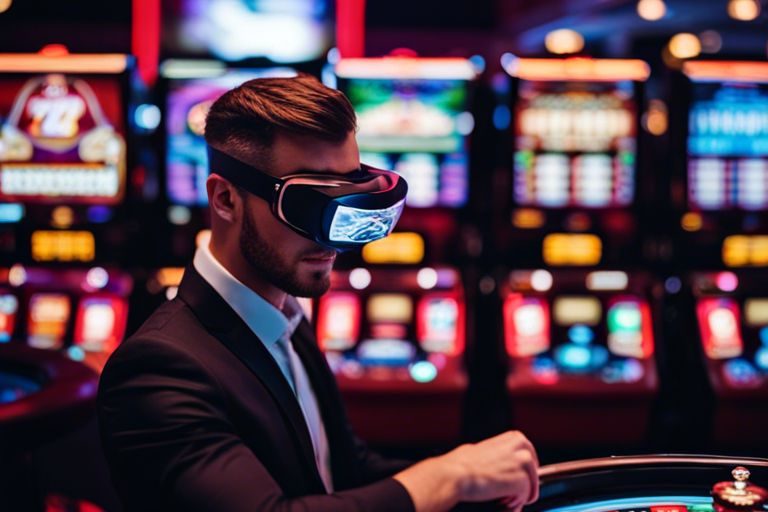
Just as technology continues to advance, so does the world of online gaming. The integration of wearable technology in iGaming is revolutionizing the way we experience online casinos and betting platforms. Wearable iGaming tech offers a seamless and immersive way to enjoy our favorite games anytime, anywhere, right from our wrists or eyewear.
The Fusion of iGaming and Wearables
Definition and Scope of Wearable iGaming Tech
One of the most exciting developments in the world of iGaming technology is the fusion with wearables. Wearable iGaming tech refers to the integration of online gaming platforms with wearable devices such as smartwatches, fitness trackers, and augmented reality glasses. This integration allows users to access their favorite online casino games, sports betting platforms, and interactive experiences directly from their wearable devices.
The Driving Forces Behind Wearable iGaming Tech
To understand the driving forces behind wearable iGaming tech, we must look at the trends shaping the future of both industries. The rise of wearable technology has created new opportunities for innovation in the iGaming sector, allowing companies to offer more personalized and immersive experiences to players. Additionally, the increasing demand for convenience and mobility in the iGaming market has led to the development of wearable solutions that enable users to enjoy their favorite games on the go.





















Another key factor driving the integration of iGaming with wearables is the growing emphasis on gamification and interactive experiences in online entertainment. By leveraging the capabilities of wearable devices, iGaming companies can create more engaging and interactive gameplay experiences that blur the lines between the virtual and physical worlds. The potential for enhanced player engagement and immersive gameplay make the fusion of iGaming and wearables a pivotal trend in the rapidly evolving landscape of online entertainment.
Types of Wearable iGaming Devices
Some of the wearable devices that have revolutionized the iGaming industry include smartwatches, virtual reality headsets, augmented reality glasses, and fitness tracking devices. These devices have opened up new avenues for immersive and interactive gaming experiences that were previously unimaginable.
| Smartwatches and Gaming | Virtual Reality Headsets and iGaming |
| Augmented Reality Glasses | Fitness Tracking Devices and Gamification |
Smartwatches and Gaming
With the advancement of technology, smartwatches have become more than just a timekeeping device. They now allow iGamers to access their favorite games right on their wrists. Smartwatches enable quick and convenient access to casino games, sports betting, and more, making gaming on the go a seamless experience.
Virtual Reality Headsets and iGaming
Wearable devices have brought virtual reality technology to the forefront of the iGaming industry. Players can now immerse themselves in realistic casino environments and games through VR headsets, enhancing their overall gaming experience. The combination of VR technology and iGaming has opened up a new world of possibilities for players seeking a more engaging and interactive gaming experience.
Recognizing the potential of virtual reality in iGaming, many online casinos and game developers are investing heavily in VR technology to create innovative and captivating gaming experiences for players.
Augmented Reality Glasses
With augmented reality glasses, players can overlay digital information onto their physical surroundings, blurring the lines between the real world and the virtual gaming environment. This technology has the potential to revolutionize the way players interact with iGaming platforms, offering a more interactive and personalized gaming experience.
Fitness Tracking Devices and Gamification
Gamification has become a popular trend in the iGaming industry, and fitness tracking devices play a crucial role in integrating gaming elements into health and wellness activities. These devices encourage players to stay active by incorporating game-like features such as challenges, rewards, and competitions, making fitness more engaging and enjoyable.
Recognizing the importance of promoting healthy habits among players, iGaming companies are leveraging fitness tracking devices to gamify physical activity and enhance the overall gaming experience for their users.
User Experience and Interface Design
Designing for Small Screens
Now, with the increase in popularity of wearables such as smartwatches and smart glasses, designing for small screens has become vital in the world of wearable iGaming tech. Creating intuitive interfaces that are easy to navigate on a limited screen space is crucial for providing a seamless user experience.
Haptic Feedback and Sensory Engagement
To enhance the user experience in wearable iGaming tech, developers are integrating haptic feedback and sensory engagement into their designs. Haptic feedback technology allows users to feel vibrations or tactile sensations that correspond with in-game actions, providing a more immersive gaming experience.
Engagement with haptic feedback technology can elevate the overall gaming experience by creating a deeper connection between the player and the game. By incorporating sensory engagement, players can feel more immersed in the virtual world, leading to increased enjoyment and satisfaction.
Voice Commands and Hands-free Play
Understanding the importance of hands-free interactions in wearable iGaming tech, developers are looking towards integrating voice commands as a primary method of control. Designing interfaces that allow for seamless voice commands enables players to interact with games without the need for physical input, enhancing convenience and accessibility.
Feedback: When incorporating voice commands and hands-free play, it is crucial to provide users with clear instructions and feedback to ensure smooth gameplay. By integrating responsive voice recognition technology, developers can offer a seamless gaming experience that is both intuitive and engaging.
Game Development for Wearables
Porting Existing Games to Wearables
Keep in mind that porting existing games to wearable devices requires careful consideration of the hardware limitations and user experience. While some games may seamlessly transition to wearables, others may need significant modifications to optimize performance and engagement on smaller screens and limited processing power.
Creating Original Content for Wearable Platforms
Existing game developers looking to create original content for wearable platforms must adapt to the unique features and constraints of these devices. Developing games for wearables opens up opportunities for innovative gameplay mechanics that leverage features like motion sensors, haptic feedback, and voice commands to create immersive experiences.
Plus, wearable platforms offer a more intimate and personalized gaming experience, allowing developers to explore new ways to engage players in bite-sized, on-the-go gaming sessions. Creating original content for wearables requires a balance between novelty and practicality, ensuring that games are both entertaining and well-suited for the wearable form factor.
Challenges and Limitations of Wearable Game Development
For developers, challenges in wearable game development include designing for limited screen real estate, optimizing performance for lower processing power, and adapting gameplay mechanics for intuitive controls on smaller devices. Moreover, ensuring seamless integration with wearable technology, such as smartwatches and AR glasses, presents additional hurdles in terms of compatibility and user experience.
Creating games for wearables requires a strategic approach to mitigate technical constraints while delivering engaging experiences that resonate with players. Developers must navigate the complexities of wearable technology to create games that are not only visually appealing, but also functional and immersive, catering to the unique demands and expectations of the wearable gaming audience.
Market Trends and Consumer Behavior
Demographics of Wearable iGaming Tech Users
All trends indicate that wearable iGaming technology is gaining popularity among a diverse range of users. From tech-savvy millennials to older individuals looking for convenient gaming options, the demographic of wearable iGaming tech users is continually expanding. This technology appeals to those who seek a seamless gaming experience that integrates with their daily lives.
Adoption Rates and Market Growth
Trends in the iGaming industry show a steady increase in the adoption rates of wearable technology for gaming purposes. Market growth projections suggest a robust expansion in the wearable iGaming tech sector in the coming years. This growth is fueled by advancements in wearable tech devices and the increasing demand for on-the-go gaming experiences.
Demographics play a crucial role in the adoption rates and market growth of wearable iGaming technology. As more consumers become familiar with wearable devices and their capabilities, the market is witnessing a shift towards greater acceptance and utilization of these devices for gaming activities.
Impact on Traditional iGaming Practices
Wearable iGaming tech is revolutionizing traditional gaming practices by offering users a more immersive and interactive gaming experience. The convenience of being able to play games on wearable devices like smartwatches or AR glasses is reshaping how players engage with iGaming platforms. Users are increasingly drawn to the hands-free and portable nature of wearable devices, which enhance their gaming experience.
For instance, the integration of augmented reality (AR) technology in wearable devices allows users to enjoy a more realistic and engaging gaming experience. This level of interactivity and immersion is reshaping the landscape of iGaming, providing users with new ways to experience their favorite games.
Ethical Considerations and Responsible Gaming
Once again, when delving into the world of wearable iGaming technology, it is crucial to consider the ethical implications and promote responsible gaming practices. As the industry evolves and expands into wearable devices, it becomes even more important to uphold ethical standards and protect players from potential harm.
Privacy and Data Security
The protection of player data and privacy is paramount in wearable iGaming technology. As these devices collect a vast amount of personal information, including location data and activity patterns, it is necessary for developers and operators to implement robust security measures to safeguard this sensitive data from breaches and unauthorized access.
Addressing Problem Gambling
Problem gambling is a serious issue that can be exacerbated by the accessibility and convenience of iGaming on wearable devices. It is imperative for operators to implement tools such as self-exclusion programs, deposit limits, and reality checks to help players manage their gaming behavior and seek help if needed.
With the integration of features like time limits and pop-up reminders, players can be made aware of their gaming habits and encouraged to take breaks or seek assistance if their behavior becomes concerning.
Regulation and Compliance in Wearable iGaming Tech
Responsible gaming practices must be at the forefront of wearable iGaming technology development. Regulatory bodies play a crucial role in ensuring that operators adhere to strict guidelines and standards to protect players from harm. Compliance with regulations such as age verification processes and responsible gaming measures is necessary to promote a safe and secure gaming environment.
A proactive approach to regulation and compliance is necessary to address any potential risks associated with wearable iGaming technology and uphold the integrity of the industry.
Future Prospects and Innovations
Despite the advancements already made in the world of wearable iGaming technology, the future holds even more exciting prospects and innovations. From emerging technologies to predictions for the next generation of iGaming wearables, the landscape of wearable iGaming is set to evolve in unprecedented ways.
Emerging Technologies in Wearable iGaming
The world of wearable iGaming is set to be revolutionized by emerging technologies such as augmented reality (AR) and virtual reality (VR). These technologies have the potential to immerse players in a new realm of interactive and engaging gaming experiences like never before. By integrating these technologies into wearables, players can enjoy a more realistic and captivating gaming environment that blurs the lines between the physical and digital worlds.
Predictions for the Next Generation of iGaming Wearables
iGaming experts predict that the next generation of iGaming wearables will focus on enhancing user experience through increased customization and personalization. These wearables are expected to offer more seamless integration with gaming platforms, allowing for a smoother and more intuitive gaming experience. Additionally, advancements in biometric sensors may enable wearables to track vital signs and provide insights into a player's physical and emotional state during gameplay, leading to a more tailored gaming experience.
iGaming wearables hold the potential to redefine the way players interact with online casinos and gaming platforms. The integration of cutting-edge technologies and personalized features will undoubtedly shape the future of iGaming, offering players a more immersive and engaging gaming experience.
Potential Integration with Other Emerging Tech Trends
On the horizon, wearable iGaming technology may intersect with other emerging trends such as blockchain technology and artificial intelligence (AI). The integration of these technologies could potentially enhance security measures, provide transparent and fair gameplay, and even offer AI-powered assistance to players during their gaming sessions.
Emerging technologies like blockchain and AI have the power to revolutionize the iGaming industry, ensuring greater trust, transparency, and efficiency for both players and operators. The potential integration of these technologies with wearable iGaming devices opens up new possibilities for the future of online gaming.
Summing up
With this in mind, the world of wearable iGaming tech presents a promising future for the gaming industry. The advancement of technology has allowed for innovative solutions that cater to the evolving needs and preferences of players. From smartwatches to VR headsets, these wearables offer a new level of immersion and convenience for gamers.
As wearable technology continues to evolve, we can expect to see even more groundbreaking developments in the iGaming sector. With the potential to enhance gameplay experiences and streamline user interactions, wearable iGaming tech is poised to revolutionize the way we engage with games. It is an exciting time for the industry as we look forward to the endless possibilities that wearable tech has to offer.
5 FAQs with Answers
What is wearable iGaming technology?
Wearable iGaming technology refers to the integration of online gaming platforms with wearable devices such as smartwatches, fitness trackers, and augmented reality glasses, allowing users to access and play their favorite games directly from these devices.
How do smartwatches enhance the iGaming experience?
Smartwatches offer a convenient way to access casino games, sports betting, and other iGaming platforms directly from the wrist, making it easy to play on the go and providing quick, seamless gameplay.
What types of wearable devices are used in iGaming?
Wearable devices used in iGaming include smartwatches, virtual reality headsets, augmented reality glasses, and fitness tracking devices, each offering unique ways to enhance and interact with gaming experiences.
How is virtual reality (VR) being used in iGaming?
Virtual reality headsets allow players to immerse themselves in realistic casino environments and games, providing a highly engaging and interactive gaming experience that feels almost like being in a real casino.
What are the challenges of developing games for wearable devices?
Challenges include designing for smaller screens, optimizing performance for limited processing power, and creating intuitive controls suited for wearable devices, while ensuring seamless integration and a satisfying user experience.

Michael
With nearly 30 years in corporate services and investigative journalism, I head TRIDER.UK, specializing in deep-dive research into gaming and finance. As Editor of Malta Media, I deliver sharp investigative coverage of iGaming and financial services. My experience also includes leading corporate formations and navigating complex international business structures.
Related Posts






LuckyStreak adds Popiplay slots to LuckyConnect API platform
April 13, 2026


Galaxsys launches Deep Sea Wild slot with dynamic features
April 13, 2026

Golden Whale appoints Jaime Ocampo as Asia Managing Director
April 13, 2026