Thousands of Maltese pensioners live below poverty line
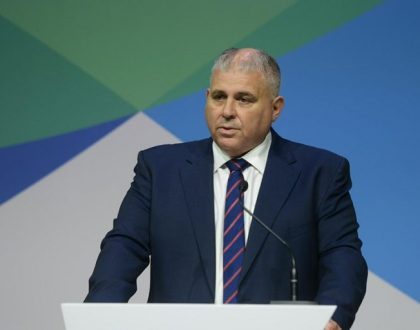
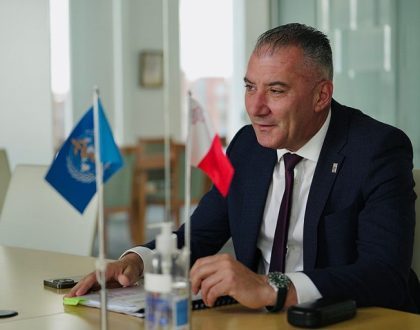
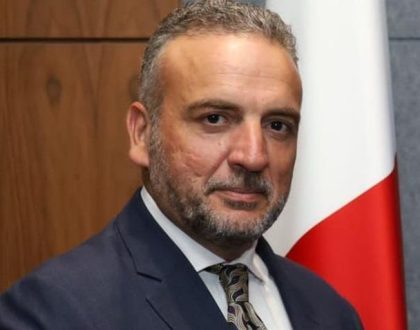
A recent parliamentary disclosure has shed light on a deeply concerning issue facing the Maltese population: at least 5,000 citizens aged 65 and over are currently living in poverty. Despite being recipients of state pensions, these individuals are unable to meet their basic living expenses due to their extremely low incomes. This was confirmed through official data presented by Social Policy Minister Michael Falzon, following repeated parliamentary questions submitted by Opposition Member of Parliament Paula Mifsud Bonnici.
According to the figures released for 2023, a total of 5,023 pensioners in Malta were reported to have a combined monthly income falling below €800. This figure is particularly alarming given that the €800 threshold is widely recognized by both Malta’s National Statistics Office (NSO) and the European Union as the poverty risk line.
Parliamentary pressure leads to data release
The government was slow to release the information, repeatedly sidestepping direct responses to multiple inquiries submitted by PN MP Paula Mifsud Bonnici. The persistent parliamentary inquiries sought clarity on how many pensioners were receiving less than €800 per month. Following several weeks of postponement, the government eventually made the data public, revealing the extent of poverty among Malta’s elderly population.





















The figure of 5,023 pensioners includes not only state pension earnings but also additional sources of income such as bank interest or small investments. Therefore, the actual pension income for many of these individuals is substantially lower than €800 per month.
Income far below minimum standards
The statistics indicate that a significant segment of Malta’s elderly population is surviving on incomes far below what is necessary for a basic standard of living. More than 500 individuals over the age of 65 have a total income of less than €500 per month. These numbers reveal a level of economic deprivation that may have long-term implications on the health and well-being of elderly citizens.
According to the EU Statistics on Income and Living Conditions (EU-SILC) report for 2023, a person in Malta is considered at risk of poverty if their national equivalised disposable income is below €11,364 annually, which equates to approximately €947 per month. A total monthly income of less than €800, therefore, falls significantly below this poverty benchmark.
Scale of the issue: Over 100,000 pensioners in Malta
Malta is home to an estimated 101,000 pensioners. While the majority are not officially classified as impoverished, the fact that over 5,000 individuals are receiving less than €800 a month indicates that more than 5% of the pensioner population is living below the poverty threshold. This figure does not account for those who may be slightly above the poverty line but still face considerable financial stress, particularly given the rising cost of living.
Government’s response and previous measures
In recent years, the Maltese government has taken various steps to address the issue of pension adequacy. These include annual increases in pensions, including full yearly cost-of-living adjustments (COLA). Such measures are part of a broader effort to reduce financial vulnerability among the elderly and ensure that pensioners can live with dignity.
However, critics argue that these incremental increases have not kept pace with inflation and the rising cost of basic necessities. While nominal pension values have increased, real purchasing power for those on fixed incomes has often declined.
Broader poverty trends in Malta
The problem of elderly poverty must be seen in the broader context of national poverty trends. According to NSO’s EU-SILC data for 2023, there were 88,462 individuals living below the national at-risk-of-poverty threshold, representing 16.6% of Malta’s population. This statistic underscores the reality that poverty in Malta is not limited to the elderly; it affects individuals and families across age groups.
Nonetheless, pensioners represent a particularly vulnerable demographic. Unlike younger individuals who might have employment prospects or opportunities for increasing their income, many pensioners are wholly dependent on their fixed pension income and modest savings.
Calls for a systemic review of pension policy
The recent data has reignited calls for a thorough review of Malta’s pension system. Various stakeholders, including political figures, social policy analysts, and non-governmental organizations, are urging the government to undertake a comprehensive examination of pension adequacy. There is growing consensus that merely increasing pensions marginally each year may not be enough to address the root of the problem.
Some experts have suggested implementing a minimum pension guarantee that ensures no pensioner falls below the poverty line, regardless of their prior contributions. Others advocate for a more progressive reform, focusing on supplementary social services, affordable housing schemes for the elderly, and better access to free or subsidized healthcare.
The human cost of financial insecurity
Behind every number is a human story. The experience of living on less than €800 per month in a modern European country such as Malta is marked by constant financial anxiety. Individuals on such limited incomes may be forced to make difficult choices between essential expenses—deciding whether to pay for medicine or food, heating or rent.
Charitable organizations in Malta, such as Caritas and the Malta Community Chest Fund Foundation, have reported increasing demand for their services from elderly individuals. These organizations provide food, clothing, and financial aid to the most vulnerable, but they cannot substitute a robust public social security system.
Legal obligations and international standards
Malta is a signatory to various international agreements on social rights, including the European Social Charter. Under these frameworks, the state has an obligation to ensure an adequate standard of living for all citizens, particularly those who are unable to support themselves due to age or disability.
The European Commission has also repeatedly emphasized the importance of inclusive growth, particularly in the context of ageing populations across the EU. Member states are encouraged to adapt their welfare policies to ensure sustainability and fairness for future generations.
A call to action: moving beyond rhetoric
While the government’s acknowledgment of the issue is a step forward, the urgency of the situation demands more than data disclosure. It requires coordinated policy initiatives, meaningful public investment, and a commitment to long-term social sustainability.
If the issue is not adequately addressed, Malta risks exacerbating social inequality and creating a two-tier system where a significant portion of the elderly population is relegated to a life of poverty, despite years of contribution to the country's economy.
Conclusion
The recently disclosed figures paint a stark picture of the financial hardships faced by thousands of elderly citizens in Malta. Despite efforts by the government to incrementally increase pension payments, the reality remains that over 5,000 pensioners continue to live below the poverty threshold, with many surviving on less than €800—or even €500—a month. This situation raises serious concerns about the adequacy and fairness of the current pension system, especially in the context of rising living costs and the limited capacity of older individuals to supplement their income.
While the government has taken some steps to address this issue, such as cost-of-living adjustments and periodic pension increases, these measures have not fully alleviated the economic burden on the most vulnerable. The data underscores the urgent need for a more comprehensive and sustainable approach to pension reform—one that ensures a dignified standard of living for all elderly citizens, regardless of their past contributions or financial history.
As Malta continues to develop socially and economically, addressing the needs of its ageing population must become a top priority. Policymakers, civil society organizations, and stakeholders must work together to implement solutions that go beyond short-term relief and instead build a long-term safety net. Guaranteeing a minimum level of income, enhancing social support services, and maintaining a focus on equity and human dignity are essential steps toward ensuring that no pensioner is left behind.
FAQs
How many pensioners in Malta are living below the poverty line?
According to data from 2023, over 5,000 pensioners in Malta have a total income of less than €800 per month, placing them below the poverty threshold.
What is considered the poverty threshold in Malta?
In 2023, individuals with a monthly income below approximately €947 or an annual income under €11,364 were considered at risk of poverty.
What percentage of pensioners in Malta live in poverty?
With over 101,000 pensioners nationwide, the 5,000 living below the poverty line represent more than 5% of this demographic.
Does the €800 monthly figure include only pensions?
No, it includes all sources of income, such as bank interest and small investments, meaning pension income alone is often lower.
What has the government done to address pensioner poverty?
The government has introduced cost-of-living adjustments and increased pensions incrementally, but critics say these measures fall short.
Are there pensioners in Malta earning less than €500 per month?
Yes, approximately 500 pensioners have a total income below €500 monthly, indicating severe financial hardship.
What is EU-SILC and how does it relate to this issue?
EU-SILC (EU Statistics on Income and Living Conditions) is used to measure income, poverty, and social exclusion, offering data relevant to policy discussions.
Is Malta legally obligated to address pensioner poverty?
Yes, under EU laws and international social charters, Malta is expected to uphold a minimum standard of living for all citizens.
Are non-governmental organizations assisting impoverished pensioners?
Yes, several NGOs in Malta, including Caritas, provide direct aid to elderly citizens struggling with poverty.
What are experts recommending as a solution?
Policy experts advocate for a minimum pension guarantee, increased social services, and reforms to ensure no elderly person lives in poverty.

Ash
I like to keep it short. I am a writer who also knows how to rhyme his lines. I can write articles, edit them and also carve out some poetic lines from my mind. Education B.A. - English, Delhi University, India, Graduated 2017.