Top 10 Malta’s Banking Dos and Don’ts
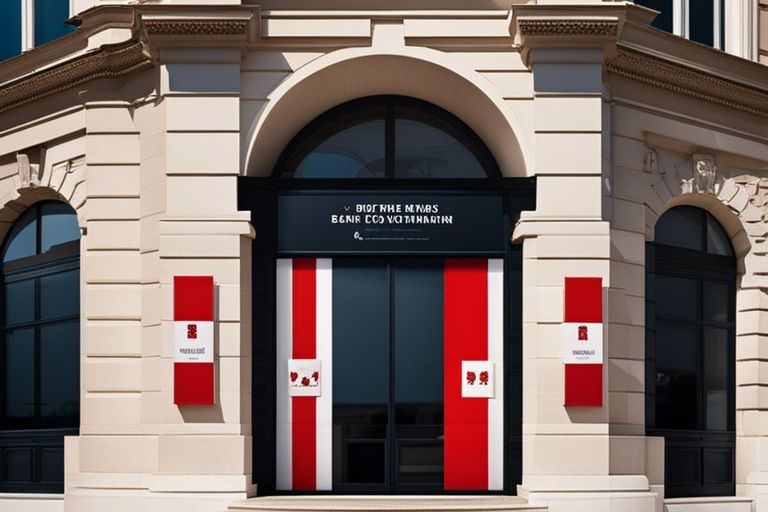
Struggling to navigate the ins and outs of banking in Malta? We've got you covered with our important list of the top 10 do's and don'ts to help you make the most of your banking experience in this Mediterranean gem. Whether you're a resident or considering offshore banking options, these tips will steer you in the right direction and keep you clear of any costly pitfalls. From opening an account to managing your finances like a pro, follow our guide to ensure a smooth sailing journey in Malta's banking world.
Do Research Local Banks
Competitive Rates Comparison
One great way to pick the right bank for your financial needs is by comparing the competitive rates offered by different local banks. Take your time to research and create a table with the following information:
| Bank Name | Interest Rates |
| Bank XYZ | 2.5% |
| Bank ABC | 3% |
Service Quality Reviews
With so many banks to choose from, it's vital to read service quality reviews from other customers. Look for feedback on customer service, ease of online banking, and overall satisfaction. Positive reviews may indicate a bank that goes above and beyond for its customers.





















The service quality at a bank can make a big difference in your banking experience. Make sure to look for reviews that mention quick response times, helpful staff, and transparent fees. It's worth taking the time to find a bank that values customer service.
Don't Ignore Fees
Check account fees
An important aspect of managing your finances in Malta is being aware of the fees associated with your bank accounts. Assuming these fees can be minimal can lead to surprises that could impact your budget. Make sure to check your bank's fee schedule regularly to understand what charges you may incur and how to avoid them by meeting certain conditions.
Understand loan rates
When considering taking out a loan in Malta, it's crucial to understand the interest rates offered by different banks or lenders. On the surface, a lower rate may seem appealing, but it's necessary to look beyond just the numbers. With loans, hidden fees, penalties for early repayment, or fluctuating interest rates can significantly impact the total amount you end up paying.
Do Keep Documentation
Save bank statements
There's no denying the importance of keeping your bank statements in order. Make sure to regularly save both physical and digital copies of your bank statements. This will not only help you track your spending and budget effectively but also serve as a crucial piece of evidence in case of any disputes or discrepancies.
Record transaction details
Any time you make a transaction, big or small, be sure to record the details promptly. This includes the date, amount, recipient, and purpose of the transaction. By maintaining a detailed record of all your financial activities, you can easily monitor your cash flow and identify any unauthorized or suspicious transactions.
Documentation plays a vital role in ensuring your financial security and peace of mind. By keeping detailed records of your banking activities, you can easily track your finances, detect any unauthorized transactions, and resolve disputes effectively. Keep in mind, the more organized and thorough your documentation is, the easier it will be to manage your finances and protect yourself from potential fraud or errors. So, make it a priority to keep all your banking documentation safe and up to date. It's always better to be safe than sorry when it comes to your finances!
Don't Overshare Information
Despite the convenience of online banking, it's crucial to remember not to overshare information. Your personal and banking details should be kept confidential to protect yourself from potential fraud and identity theft.
Protect your PIN
Your Personal Identification Number (PIN) is like the key to your banking kingdom. Protect it at all costs and never share it with anyone, not even family members. When entering your PIN at ATMs or point of sale terminals, be wary of prying eyes or hidden cameras. This small number holds the key to your finances, so keep it safe and secure.
Secure online credentials
Now, more than ever, secure online banking credentials are crucial. Make sure to create strong passwords that are a combination of letters, numbers, and special characters. Avoid using easily guessable information like your birthdate or pet's name. Protect your online accounts by enabling two-factor authentication whenever possible for an added layer of security.
In terms of online banking, staying vigilant is key. Be cautious of phishing emails and fake websites that aim to steal your login information. It's vital to only access your accounts through secure and trusted networks to avoid potential security breaches.
Do Follow Regulations
Once again, it is crucial for all banks in Malta to follow regulations set by the Malta Financial Services Authority (MFSA) and the European Central Bank. These regulations are in place to ensure the stability and integrity of the banking sector in Malta. By adhering to these regulations, banks can maintain trust with their customers and the public.
Observe tax compliance
For banks operating in Malta, it is crucial to observe tax compliance regulations. This includes reporting and withholding taxes as required by law. By ensuring tax compliance, banks can avoid penalties and maintain a good reputation with authorities.
Report large transactions
There's a requirement for banks in Malta to report large transactions to the relevant authorities. This is important to prevent money laundering and other fraudulent activities. Ensuring that large transactions are reported helps in maintaining the integrity of the banking sector and prevents illegal activities.
Above complying with regulations, it also shows customers that the bank takes its responsibility seriously and is committed to operating ethically.
Don't Rush Decisions
Take time investing
Keep in mind that rushing investment decisions in the banking sector can lead to poor outcomes. It's important to take your time, do thorough research, and make informed choices when it comes to investing your money. An impulsive decision can result in financial losses that could have been avoided with more careful consideration.
Consider financial advice
Keep in mind that seeking professional financial advice is always a wise choice when it comes to making important banking decisions. To ensure that your investments are in line with your financial goals and risk tolerance, consider consulting with a financial advisor who can provide valuable insights and guidance.
Financial advisors have the expertise to help you navigate the complexities of the banking industry and can offer personalized solutions tailored to your specific needs. By seeking financial advice, you can make well-informed decisions and avoid potential pitfalls that could jeopardize your financial well-being in the long run.
Do Use Online Banking
Embrace digital platforms
Unlike traditional banking methods, online banking offers a convenient and efficient way to manage your finances. Embracing digital platforms allows you to access your accounts anytime, anywhere, making it easier to keep track of your transactions and balances.
Monitor accounts regularly
While using online banking, it is crucial to monitor your accounts regularly to detect any unauthorized transactions or errors. By keeping an eye on your accounts, you can detect potential fraud or discrepancies early and take action to resolve them quickly.
You can set up alerts and notifications to receive updates on your account activity, which can help you stay informed in real-time. Additionally, regularly reviewing your transaction history can help you budget more effectively and identify any areas where you may be overspending.
Don't Exceed Overdraft Limits
Know your limits
Now, one of the most important things to remember when it comes to managing your bank account is to know your overdraft limits. It's crucial to be aware of how much you can spend beyond your current balance to avoid costly fees.
Avoid unnecessary charges
Now, you'll want to make sure you avoid unnecessary charges by exceeding your overdraft limit. By staying within your allowed limit, you can prevent incurring extra fees that can quickly add up over time.
Any small transactions that push you over your overdraft limit can result in hefty charges, so it's best to keep a close eye on your account balance and only spend what you have available. By being mindful of your limits, you can steer clear of costly penalties and maintain a healthy banking relationship.
Do Maintain Good Relationships
Communicate with bankers
Not maintaining good relationships with your bankers can lead to misunderstandings and complications. It's crucial to keep the lines of communication open and clear to ensure a smooth banking experience.
Address issues promptly
Bankers appreciate clients who are proactive in addressing any issues that may arise. You can avoid potential delays or complications by addressing issues promptly and working with your bankers to find solutions together. By staying on top of any concerns, you can maintain a positive relationship with your bank.
Don't Forget Privacy
Guard personal data
After opening a bank account in Malta, you'll need to be vigilant about safeguarding your personal information. Ensure that you carefully store your documents and passwords in a secure place. Avoid sharing sensitive details with anyone unless it is absolutely necessary, and always be cautious when providing information online or over the phone.
Shred old documents
If you have old bank statements, utility bills, or any other documents containing personal information, if you no longer need them, make sure to shred them before disposing of them. This can help prevent identity theft and fraud, as dumpster diving is a common method used by criminals to obtain personal information.
This small action of shredding old documents can go a long way in protecting your privacy and financial well-being. By destroying sensitive information before discarding it, you greatly reduce the risk of it falling into the wrong hands. So, invest in a good quality shredder and make it a habit to shred any documents that you no longer need.
Final Words
From above-mentioned top 10 dos and don'ts in Malta's banking, it is evident that by following these guidelines, you can navigate the banking system with confidence. Understanding the dos, such as keeping track of your transactions and protecting your personal information, will help you make the most of your banking experience. Similarly, avoiding the don'ts, like neglecting your responsibilities or sharing sensitive information, can prevent unnecessary stress and financial risks. By being aware of these dos and don'ts, you can ensure a smooth and secure banking experience in Malta.
FAQs:
How can I choose the right bank in Malta?
Research local banks, compare competitive rates, and read service quality reviews to make an informed decision.
What fees should I be aware of when banking in Malta?
Be mindful of account fees and understand loan rates to avoid surprises and unnecessary charges.
How important is documentation in banking?
Documentation is crucial for tracking finances, resolving disputes, and ensuring financial security.
What regulations should banks in Malta follow?
Banks in Malta must adhere to regulations set by the MFSA and observe tax compliance to maintain integrity and trust.
How can I secure my online banking activities?
Protect personal information, PINs, and use strong passwords, while staying vigilant against phishing attempts.

Michael
With nearly 30 years in corporate services and investigative journalism, I head TRIDER.UK, specializing in deep-dive research into gaming and finance. As Editor of Malta Media, I deliver sharp investigative coverage of iGaming and financial services. My experience also includes leading corporate formations and navigating complex international business structures.
Related Posts


Spring travel trends favor Malta
April 10, 2026


Malta’s heritage in spring
April 8, 2026
Malta spring tourism campaigns
April 7, 2026

Spring culture fuels Malta tourism
April 4, 2026