















How Tourism Changed the Pace of Life in Gozo

Many people may not realize the profound impact tourism has had on the small island of Gozo. Once a quiet and tranquil getaway, Gozo has evolved significantly with the influx of visitors seeking its stunning landscapes, rich history, and cultural charm. This blog post will explore how tourism has reshaped the daily life of Gozitans, influenced local economies, and transformed the island's social dynamics, highlighting both the positive developments and the challenges faced in this idyllic Mediterranean haven.
The Transformative Impact of Tourism on Gozo's Economy
From Agriculture to Service Industry
The shift in Gozo's economy from a primarily agriculture-based system to a thriving service industry showcases tourism's transformative power. Historically, residents relied on farming and fishing for their livelihoods, but the influx of visitors has fueled growth in hospitality, dining, and retail sectors. Today, local farmers often diversify their operations, producing gourmet products geared towards tourists, blending tradition with modern economic needs.
Key Destinations Driving Economic Growth
The scenic Azure Window, the ancient Ġgantija Temples, and the charming coastal village of Marsalforn have emerged as pivotal attractions that stimulate economic advancement in Gozo. Each site not only draws tourists but also supports a network of local businesses, ensuring that the tourism dollars circulate within the community.





















The Azure Window, once a natural limestone arch, attracted thousands before its collapse in 2017, yet its legacy continues to draw visitors to the surrounding scenery. The Ġgantija Temples, dating back to 3600 BC, remain a UNESCO World Heritage site and serve as educational hubs, deeply enriching the cultural experience and generating revenue through ticket sales and guided tours. Marsalforn's picturesque waterfront has cultivated a vibrant dining scene, with restaurants flourishing year-round, catering to both tourists and locals. Such destinations and their evolving landscapes are instrumental in shaping a robust economic framework, ensuring Gozo thrives amid the demands of modern tourism.
The Evolution of Local Culture Through Tourism
Culinary Influences and Fusion
Tourism has transformed Gozo's culinary landscape by introducing new flavors and cooking techniques. Local chefs are now blending traditional Maltese recipes with influences from various global cuisines. Dishes like rabbit stew and pastizzi now coexist with Moroccan tagines and Thai curries, creating a unique gastronomic fusion that attracts food enthusiasts from all corners of the world. This culinary diversity not only reflects tourists' preferences but also enriches the island's culinary heritage.
Festivals and Events: Blending Tradition with Modernity
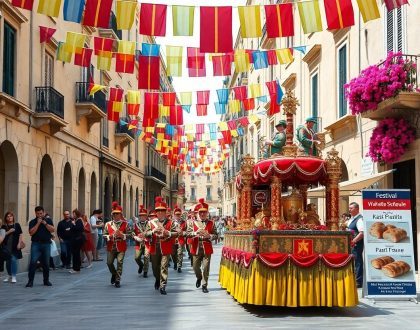
The influx of visitors has breathed new life into Gozo's traditional festivals, transforming them into vibrant celebrations that showcase both heritage and contemporary artistry. Events such as the Victoria Carnival and the Feast of St. George now feature modern performances, craft markets, and international food stalls, drawing in crowds well beyond the island's shores. This blend of old and new allows the local community to proudly share their rich traditions while embracing innovation, creating an inclusive atmosphere that resonates with both residents and tourists.
For instance, the feast of Santa Marija in August, originally a deeply rooted religious celebration, has evolved to include music concerts and cultural exhibitions. The event attracts thousands each year, highlighting the growing number of local artisans showcasing handmade crafts alongside food vendors offering both traditional dishes and international cuisine. Such adaptations ensure that while the essence of these celebrations remains, they also cater to a diverse audience, marking the evolution of Gozo's cultural identity in a modern tourist-oriented landscape.
Infrastructure Overhaul: Connecting Gozo to the World
Travel Accessibility: Ferries and Flights
The ferries connecting Gozo to Malta have seen significant upgrades, enhancing the travel experience for tourists. The regular service allows for swift access, with ferries operating every 30 minutes during peak seasons. In addition to ferry connections, the introduction of helicopter services in recent years offers a unique aerial view of the islands while further reducing travel time. With travel times now averaging just 25 minutes by ferry, Gozo has become much more accessible, encouraging a greater influx of visitors eager to explore its rugged beauty.
Urban Development: Accommodations and Attractions
Tourism has catalyzed an impressive transformation in Gozo's urban landscape, leading to the development of an array of accommodations and attractions aimed at diverse visitor preferences. Boutique hotels, villas, and eco-resorts have sprung up, creating a vibrant lodging scene that caters to everyone from luxury seekers to budget travelers. The rise of agritourism is also noteworthy, as converted farmhouses provide authentic experiences, immersing guests in rural life. With the introduction of attractions such as themed parks, cultural festivals, and historical tours, visitors now have countless ways to engage with Gozo's rich heritage and striking landscapes.
The surge in urban development reflects a strategic approach to accommodate the growing number of tourists while maintaining the island's charm. New resorts built with sustainability in mind utilize natural materials and local architecture, thereby preserving Gozo's character. The Ggantija Temples, a UNESCO World Heritage Site, have also witnessed increased visitor engagement through improved pathways and interpretative centers, seamlessly blending preservation with tourism. This thoughtful juxtaposition of development and heritage safeguarding enriches the travel experience, ensuring that Gozo remains not only a popular destination but also a respected steward of its history and culture.
The Environmental Footprint of Increased Visitors
Balancing Conservation and Tourism Development
Striking a balance between the preservation of Gozo's natural beauty and the expansion of tourism ventures presents a formidable challenge. Increased visitor numbers often lead to habitat degradation, pollution, and overstressed local resources. Local authorities and stakeholders are thus focusing on developing sustainable tourism strategies that prioritize environmental protection while still promoting economic growth. This delicate interplay aims to ensure that visitors enjoy the island's allure without compromising its ecological integrity.
Sustainable Practices in Gozo's Tourism Sector
Gozo's tourism sector has begun embracing sustainable practices to mitigate environmental impacts. Eco-friendly accommodations, waste reduction initiatives, and awareness campaigns are becoming integral to the island's tourism strategy. Educational programs for both tourists and locals emphasize the importance of preserving Gozo's unique ecosystems and highlight ways to engage with the environment responsibly.
Specific initiatives have demonstrated Gozo's commitment to sustainability. For instance, several hotels and guesthouses have adopted green certifications that promote energy conservation and the use of local produce, which supports local farmers and minimizes transportation emissions. Transportation options are also evolving, with a focus on cycle paths and electric vehicle charging stations to encourage greener travel choices. Such measures not only lessen the environmental footprint but also enhance the overall visitor experience by connecting them more intimately with Gozo's natural landscapes.
Shifts in Local Lifestyle: Daily Routines and Social Interactions
The Rise of Small Businesses
The growth of tourism in Gozo has led to the proliferation of small businesses, particularly in the hospitality sector. Local entrepreneurs have seized the opportunity to open bed and breakfasts, artisanal shops, and craft breweries, creating a unique blend of Gozitan charm and modern conveniences. According to recent statistics, over 60% of tourists prefer staying in locally-owned accommodations, enabling small businesses to thrive while offering visitors an authentic experience of island life.
Changing Social Dynamics: Community and Tourists
The influx of tourists has shifted social interactions on the island, leading to a richer tapestry of cultural exchange. Local residents often find themselves engaging with visitors, sharing stories, traditions, and even meals. This blending creates an environment where cultural boundaries blur, encouraging friendships that transcend geographical divides. Though some Gozitans cherish long-standing customs, many also appreciate the fresh perspectives that tourists bring, enriching the local social fabric.
As Gozo evolves into a hub for visitors seeking authentic experiences, the interactions between locals and tourists have become increasingly significant. Events like village feasts and markets now attract not just residents but also a diverse array of travelers eager to participate in the communal atmosphere. For instance, during the annual Carnival celebration, the streets are filled with both locals in traditional costumes and visitors joining in the festivities. This marriage of cultures fosters a sense of unity, allowing the community to share its heritage while simultaneously embracing the novelty that tourism entails. Such interactions help support the local economy while encouraging Gozitans to take pride in their culture, ensuring that it continues to flourish amidst ongoing change.
The Role of Technology in Shaping Tourist Experiences
Digital Marketing: Attracting Global Interest
Digital marketing has transformed how Gozo positions itself on the global tourism stage. With eye-catching social media campaigns and targeted online advertising, the island attracts visitors from around the world. Platforms like Instagram and Facebook showcase Gozo's stunning landscapes and cultural gems, often influencing travelers' choices. For example, the hashtag #VisitGozo has gained traction, drawing attention to local attractions that might otherwise be overlooked.
Smart Tourism Solutions: Mobile Apps and Virtual Tours
Mobile apps and virtual tours are increasingly popular tools that enhance the tourist experience in Gozo. These technological innovations allow travelers to explore the island in ways that were previously unimaginable. Interactive maps and real-time updates on events and attractions have made navigation and planning a breeze, while virtual tours offer immersive glimpses into Gozo's beauty, enabling potential tourists to connect with the destination even before their arrival.
One such app, “Gozo Discover,” serves as a comprehensive guide, featuring augmented reality overlays that reveal historical insights as visitors explore sites like the Ġgantija Temples or Azure Window. In addition, virtual tours offered by local businesses allow users to experience traditional Gozitan crafts and culinary delights from the comfort of their homes. By integrating technology, Gozo not only enhances visitor engagement but also establishes itself as a forward-thinking destination ready to meet the evolving demands of modern travelers.
The Realities of Seasonality: Highs and Lows of Tourist Traffic
Economic Implications of Seasonal Fluctuations
The fluctuation in tourist numbers throughout the year presents distinct economic challenges for Gozo. During peak season, local businesses experience a boom, with hotels operating at maximum capacity and shops reporting significantly higher sales. However, this surge is often followed by a stark decline, resulting in inconsistent cash flow for many owners. Smaller enterprises may struggle to sustain operations during the quieter months, leading to layoffs and reduced hours. This cyclical pattern can create a volatile economic environment that affects the entire community.
Year-Round Tourism Strategies
To combat the effects of seasonal fluctuations, many stakeholders in Gozo are focusing on year-round tourism strategies. By diversifying attractions and events to appeal to different demographics, the local economy can stabilize. Initiatives include promoting eco-tourism, heritage trails, culinary experiences, and wellness retreats. The collaboration between local businesses and organizations to host festivals during off-peak months also aims to draw diverse groups, extending the tourist season.
Several destination management organizations in Gozo have actively developed programs targeting niche markets such as adventure tourism and cultural heritage. For instance, targeted campaigns for sporting events like triathlons and traditional boat races aim to attract visitors during the shoulder seasons. Partnerships with educational institutions for field trips and workshops in history and arts also enhance the appeal. Consequently, these strategies not only mitigate the impact of low seasons but also foster a more resilient and sustainable tourism ecosystem in Gozo.
Challenges in Balancing Tourist Desires with Local Needs
The Strain on Resources: Water and Transport
Gozo's surging popularity as a tourist destination has placed significant pressure on its limited resources, particularly water and transport systems. With a population of just around 30,000, the island's infrastructure struggles to meet the demands of a peak season influx that can double or even triple that number. Water scarcity has become a pressing issue, as tourists consume larger quantities than locals during summer months, exacerbating already strained supplies and leading to restrictions. Similarly, transport networks have become congested, with roads often gridlocked and public transport systems struggling to manage the higher passenger volumes.
Community Responses to Overcrowding
Residents of Gozo have begun to mobilize, finding various ways to address and mitigate the effects of overcrowding. Community-led initiatives have emerged to promote sustainable tourism practices, focusing on educating visitors about respecting local customs and the environment. Campaigns urging off-season travel have also been launched to spread tourist traffic more evenly throughout the year. Additionally, the local government has sought to involve residents in decision-making processes regarding tourism policies, ensuring that community voices are heard and integrated into future planning efforts.
One effective strategy has been the involvement of local organizations that champion sustainable tourism. These groups host workshops and forums where both residents and businesses can share ideas on preserving Gozo's cultural and natural heritage while still welcoming visitors. Initiatives, such as guided tours led by locals that highlight the island's unique history and landscape, showcase a commitment to authenticity while managing tourist interests. By fostering a sense of ownership and accountability among community members, these programs help maintain the delicate balance between tourism growth and the preservation of Gozo's identity.
The Future of Gozo: Visions for Sustainable Tourism
Embracing Eco-Tourism and Responsible Travel
Eco-tourism has the potential to redefine Gozo's tourism landscape, promoting responsible travel that prioritizes environmental sustainability. Initiatives such as local farm-to-table dining experiences and eco-friendly accommodations are increasingly appealing to tourists who seek authentic, low-impact experiences. By focusing on preserving Gozo's natural beauty and cultural heritage, stakeholders can foster a new kind of tourism that not only attracts visitors but also protects the island's resources for future generations.
Long-term Goals: Preservation vs. Progress
Finding a balance between preservation and progress remains a pressing challenge for Gozo's future tourism strategy. While the island seeks to maintain its unique character, the influx of visitors demands infrastructural improvements and service expansions. Sustainable tourism efforts must ensure that development projects are screened for their environmental impact, seeking to harmonize economic growth with the protection of cultural and natural assets.
The debate over preservation versus progress in Gozo is at the forefront of local discussions, especially as tourism continues to grow. Proponents of preserving the island's rich history and pristine landscapes argue that overdevelopment could lead to irreversible damage, diluting Gozo's charm. Conversely, advocates for progress stress the need for modern infrastructure, particularly in transportation and accommodations, to support an ever-increasing number of visitors. Finding common ground, such as implementing strict zoning regulations and promoting eco-friendly projects, could provide a blueprint for a sustainable future that honors both Gozo's past and its aspirations for a thriving tourism economy.
Personal Narratives: Voices from Locals and Tourists
Testimonials: How Lives Have Changed
For many locals, tourism has provided new opportunities that have fundamentally altered their daily lives. Maria, a lifelong resident, transitioned from working in agriculture to managing a charming bed-and-breakfast, sharing her family's rich heritage with visitors. Similarly, Robert, a fisherman turned tour guide, expresses how he now shares the stunning underwater experiences of Gozo with travelers, creating a sustainable income that supports his family. These transformations highlight how tourism has not only enhanced local economies but also led to fulfilling careers for Gozitans.
Shared Experiences: Connections Across Cultures
Travelers often leave Gozo with cherished memories, shaped by their interactions with local culture and people. Some visitors recount evenings spent listening to traditional folk music at village fairs, while others mention cooking classes that connect them to Gozo's culinary heritage. These shared experiences foster an emotional bond that transcends geography, encouraging cultural exchange and understanding.
The vibrant moments created through tourism in Gozo reveal how disparate cultures can beautifully intertwine. Tourists often engage in local customs, join community-led events, or participate in traditional crafts, forming genuine relationships that last well beyond their stay. For instance, a group of tourists who participated in a mosaic workshop found themselves deeply connected to the craft, leaving pieces as reminders of their trip and staying in touch with their instructors. This mutual exchange of stories and experiences weaves a richer tapestry of life for both visitors and locals alike, reinforcing the idea that although they come from different backgrounds, many experiences and values resonate universally. In turn, these connections significantly impact the pace of life on the island, creating a dynamic atmosphere where knowledge and creativity thrive.
The Educational Influence of Tourism on Gozo's Youth
Opportunities for Employment and Skill Development
The influx of tourists has created a surge in job opportunities, particularly in sectors like hospitality, retail, and eco-tourism. Young people in Gozo are now finding part-time and seasonal work that not only provides financial benefits but also valuable experience in customer service, teamwork, and problem-solving. Many local businesses actively recruit youth, offering training programs that hone their skills and prepare them for diverse roles in a vibrant job market.
Career Paths in Hospitality and Cultural Preservation
A growing number of Gozitan youth are exploring careers in hospitality as tourism continues to shape the local economy. This sector offers multiple avenues, from hotel management to event planning, providing young professionals with pathways to develop their talents and promote local culture. Many Gozitans are also gravitating towards roles in cultural preservation, where they manage and curate historical sites and events that engage both visitors and locals alike.
Career paths in hospitality and cultural preservation not only serve the economic interests of Gozo but also promote a deeper understanding of heritage among the youth. Initiatives like internships at local museums and collaborations with international organizations encourage young Gozitans to learn about their own cultural history while making it accessible to tourists. Programs focused on sustainable tourism practices prepare them for the future, ensuring that as they step into the workforce, they are equipped to preserve Gozo's unique identity while meeting the demands of an ever-evolving tourism industry.
Global Comparisons: Lessons from Other Tourist Hotspots
| Destination | Key Strategies for Managing Tourist Impact |
|---|---|
| Venice, Italy | Tourist density regulation through entry fees and time slots to visit popular sites. |
| Barcelona, Spain | Promotion of off-peak travel and investment in sustainable local transport systems. |
| Palau, Micronesia | Implementation of a fee system for visitors that funds conservation efforts. |
| Amalfi Coast, Italy | Balancing visitor access with preservation efforts by limiting car traffic. |
| Phuket, Thailand | Encouraging eco-tourism through community-based initiatives and programs. |
How Similar Destinations Manage Tourist Impact
Much like Gozo, destinations such as Barcelona utilize various strategies to manage the overwhelming surge of tourists. These actions include promoting off-peak travel times and developing efficient public transportation systems to disseminate visitor traffic more evenly. Such measures help preserve the integrity and charm of local culture while maintaining a viable economy heavily reliant on tourism.
Success Stories of Sustainable Practices Elsewhere
Palau serves as a prime example of how tourism can be regulated without sacrificing the unique charm of a destination. By charging a modest environmental fee for all visitors, Palau has been able to funnel millions into conservation programs that preserve its breathtaking marine biodiversity. This model illustrates how financially supporting sustainability can enhance both local ecosystems and the tourist experience.
Sustainable practices in tourist hotspots offer valuable lessons for Gozo. In Palau, the community directly benefits from tourism through the Green Fee that goes towards environmental preservation programs, effectively establishing a tourist economy that respects and nurtures its surroundings. Venice's regulation of tourist numbers through advance reservations protects cultural heritage sites from overcrowding, proving that careful planning can harmoniously balance tourism with cultural and environmental integrity. Barcelona's efforts in promoting eco-friendly public transport contribute to a more sustainable experience, encouraging visitors to explore the city without regarding the heavy carbon footprint. These success stories enrich the dialogue surrounding Gozo's development strategies and provide actionable insights for managing tourism effectively and sustainably.
Exploring The Psychology of Travel: Why People Choose Gozo
The Allure of Unique Experiences
Gozo's charm lies in its unique blend of stunning landscapes, rich history, and vibrant culture, enticing travelers seeking unforgettable experiences. Visitors are drawn to the island's natural wonders such as the Azure Window and the peaceful coves, along with local traditions like the annual feast celebrations. Such distinctive offerings are not found in more commercialized destinations, making Gozo an appealing choice for those yearning to create lasting memories in a serene atmosphere.
Emotional Connections and Repeat Tourism
Travelers often forge emotional connections with Gozo, resulting in numerous repeat visits. This connection can stem from personal experiences, such as memorable interactions with locals or rediscovering favorite spots during subsequent trips. Such ties lead not only to greater satisfaction but also encourage word-of-mouth recommendations, amplifying Gozo's allure for new visitors.
Factors contributing to these emotional ties include the island's welcoming atmosphere and the strong sense of community felt by tourists. Many visitors highlight moments of authenticity, such as sharing meals with local families or participating in traditional crafts, which deepen their appreciation for the island's culture. As these connections flourish, they create a magnetic pull, prompting travelers to return again and again, eager to relive those cherished moments and explore new facets of Gozo's unique identity.
Summing up
With this in mind, tourism has significantly transformed the pace of life in Gozo, catalyzing economic growth and modernizing infrastructure while simultaneously reshaping local culture and social dynamics. The influx of visitors has fostered a vibrant hospitality sector, altering traditional routines and community interactions. While benefiting the local economy, this shift challenges the island's unique identity, as residents adapt to a more transient lifestyle. Understanding this evolution offers insight into the complexities of balancing tourism with the preservation of Gozo's heritage and natural beauty.
FAQs
How has tourism impacted Gozo’s traditional economy?
Tourism shifted Gozo’s economy from agriculture and fishing to hospitality and services, creating jobs and boosting income for locals.
What are the top tourist attractions in Gozo?
Popular sites include the Ġgantija Temples, Marsalforn village, and the former Azure Window, all of which draw tourists and support local businesses.
Has Gozo’s food culture changed due to tourism?
Yes, Gozo’s culinary scene now blends traditional Maltese dishes with international flavors, offering a diverse gastronomic experience.
What role do festivals play in Gozo’s tourism?
Festivals like Santa Marija and Victoria Carnival have evolved into major attractions, combining local traditions with modern entertainment.
Is Gozo easily accessible for tourists?
Yes, Gozo is accessible via frequent ferry services and even helicopter transfers, making travel to the island quicker and easier.
How is Gozo addressing environmental concerns from tourism?
The island promotes eco-friendly lodging, waste reduction, and sustainable transport options like cycling paths and electric vehicles.
Are small businesses benefiting from tourism in Gozo?
Absolutely. Tourism has spurred the growth of local shops, guesthouses, and artisanal ventures that offer authentic experiences.
How has tourism changed local social life?
Tourism has fostered cultural exchange, as locals increasingly interact with international visitors through festivals, food, and shared experiences.
What technological innovations support tourism in Gozo?
Apps like “Gozo Discover” and virtual tours enhance visitor engagement by offering real-time info, navigation, and historical insights.
What is Gozo doing to reduce the impact of seasonal tourism?
Year-round tourism strategies—like eco-tourism, cultural events, and wellness retreats—help stabilize the economy and attract diverse visitors.

Anna Amstill
I am an avid Blogger and Writer with more than 6 years of experience with Content Writing. An Online Marketing expert specializing in Blog writing, Article writing, Website content, SEO specific Keyword content and much more. Education B.A. - business management, York University, Canada, Graduated 2016.
Related Posts
Malta luxury travel demand rises
April 11, 2026


Spring travel trends favor Malta
April 10, 2026
Malta welcomes older travellers
April 9, 2026
Malta’s heritage in spring
April 8, 2026
Malta spring tourism campaigns
April 7, 2026
Spring travel lifts Malta operators
April 6, 2026
Spring culture fuels Malta tourism
April 4, 2026

Airbnb demand rises in Malta spring
April 3, 2026