Traffic Investigation Bureau Nears Launch in Malta
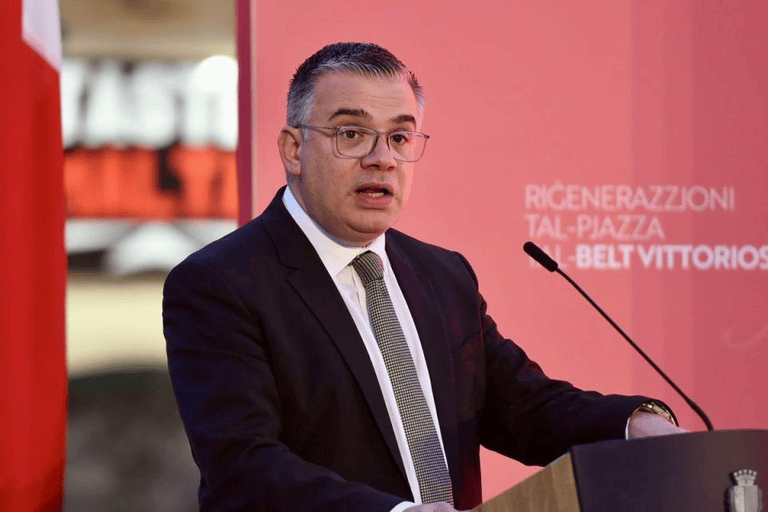
The establishment of a dedicated Traffic Investigation Bureau in Malta is reaching its final stages, marking a significant shift in how the country will approach the analysis of road collisions and the development of traffic safety reforms. The initiative, led by Transport Minister Chris Bonett, is expected to work in parallel with the newly formed Roads Policing Unit, a police department dedicated to enforcing road safety laws and conducting collision investigations.
The dual-framework approach signifies a national effort to improve road safety, reduce the number of serious accidents, and ensure legal accountability in a structured and coordinated manner. Importantly, both the Ministry for Transport and the Police Force appear to be working toward collaboration rather than competition.
Legislative process near conclusion
In a recent interview with Times of Malta, Transport Minister Chris Bonett confirmed that the legislative framework for the Traffic Investigation Bureau is in its final drafting stage. According to Bonett, the draft legislation was delivered to him earlier this month, and the next step will be to present it to the cabinet of ministers for approval.





















“This week I was given the first draft of the legislation, so pretty soon I will be presenting it to cabinet,” said Bonett. While an official launch date has not yet been publicly announced, this development indicates that the bureau could become operational within the coming months.
The Traffic Investigation Bureau (TIB) was initially expected to be functional by the end of 2023. However, the delay is attributed to the complexities of designing a legal and operational framework that aligns with existing traffic enforcement protocols and judicial requirements.
Complementing the Roads Policing Unit
The government's push to establish the TIB comes shortly after the Malta Police Force launched its Roads Policing Unit in late May. This new unit specializes in enforcing traffic laws and investigating major road collisions. Its responsibilities include evidence collection at accident scenes, accident reconstruction, and legal reporting.
Police officers within the unit have undergone intensive specialized training, focusing on accident causation factors, evidence preservation, and the use of modern forensic tools. In addition, the unit has been equipped with upgraded technological instruments to enhance its capacity to gather and analyze a wide range of evidence, including vehicle trajectories, weather and road conditions, and potential mechanical failures.
Transport Minister Bonett emphasized that the newly introduced Traffic Investigation Bureau will not function in isolation but will work in close collaboration with the police unit.
“There are two types of investigations that are carried out. First of all, to see what led to an accident, and second, to see what happens next… the idea is to work together,” Bonett stated.
This cooperation is expected to enable a seamless transition from on-site accident investigation by police officers to in-depth systemic analysis and safety recommendations by the TIB.
Purpose and scope of the Traffic Investigation Bureau
The creation of the Traffic Investigation Bureau responds to a longstanding concern in Malta regarding the lack of structured analysis following road accidents. While law enforcement agencies have traditionally managed the immediate aftermath of collisions, there has been limited institutional capacity to conduct broader research and recommend systemic changes.
The TIB aims to fill that gap by:
- Investigating root causes of serious and fatal traffic accidents.
- Advising policymakers on potential legal or infrastructural reforms.
- Identifying trends in accident data and traffic behavior.
- Collaborating with urban planners and road safety experts.
- Producing annual reports to inform the public and guide policy.
In legal terms, the bureau is expected to operate independently but maintain close working relationships with both the police and judicial bodies. This dual independence and inter-agency cooperation are vital to ensuring the TIB’s findings are both credible and actionable.
Broader national traffic safety reforms
The establishment of both the Traffic Investigation Bureau and the Roads Policing Unit forms part of a broader national strategy to reduce road accidents, improve traffic law enforcement, and modernize Malta’s transportation infrastructure.
Road safety has become an increasingly visible issue in recent years, as Malta’s road network has struggled to cope with growing vehicle numbers, inadequate pedestrian infrastructure, and inconsistent enforcement of traffic rules.
Several high-profile accidents have drawn public criticism of existing traffic management and investigative procedures. Critics have long argued that investigations into serious collisions often result in limited accountability and no meaningful policy change.
In response, the government has launched a series of initiatives, including:
- The rollout of new speed cameras and red-light enforcement systems.
- Enhanced driver education programs.
- Reviews of pedestrian crossings, road signage, and traffic lights.
- Investments in traffic data collection technologies.
The TIB is expected to serve as the analytical backbone of these reforms, offering evidence-based insights into what works and what does not.
Legal structure and independence
According to early drafts of the legislation, the Traffic Investigation Bureau will be established as a statutory body, ensuring a degree of legal independence. Its operations will be governed by a clear mandate and subject to oversight mechanisms that ensure transparency and objectivity.
The law is also expected to establish protocols for data sharing, conflict resolution between agencies, and the use of investigative findings in both administrative and judicial contexts.
Importantly, the TIB will not serve a prosecutorial function. Instead, its role will be advisory and investigative, producing reports that may be used by law enforcement or policy agencies, but not engaging directly in criminal proceedings. This distinction is considered essential in reducing legal liability and maintaining trust among stakeholders.
Balancing accountability and prevention
The decision to separate collision investigation from routine policing aligns with best practices adopted in several other EU countries, where specialized agencies analyze road traffic incidents for preventive and policy purposes rather than criminal enforcement alone.
This approach helps reduce the risk of conflict between investigative findings and prosecutorial evidence, while encouraging long-term improvements in traffic systems. It also allows for more scientific and engineering-based analysis, rather than relying solely on criminal investigation frameworks.
By involving professionals from various disciplines — including civil engineers, legal scholars, traffic planners, and forensic specialists — the TIB is designed to foster a holistic understanding of traffic accidents.
Public expectations and political accountability
While the government has presented the bureau’s formation as a proactive reform, public trust will depend on effective implementation and tangible outcomes. Critics have warned that unless the TIB’s recommendations are routinely followed up with concrete action, the bureau risks becoming a symbolic gesture rather than a meaningful reform.
Transport authorities will likely face growing pressure to publish findings, ensure transparency, and justify policy decisions based on the TIB’s analyses.
In this context, the Ministry for Transport has committed to annual public reports from the bureau, which are expected to summarize investigations, highlight recurring issues, and assess the effectiveness of implemented changes.
Future outlook and impact
Once operational, the Traffic Investigation Bureau is expected to enhance the rule of law, public accountability, and policy efficiency in Malta’s transport sector. It offers the potential to transform the country’s reactive approach to road safety into a proactive and preventive system.
More broadly, the bureau’s findings could contribute to EU-level traffic safety data sharing, aligning Malta with continental standards and enhancing cross-border cooperation in transport policy.
If successful, the TIB may not only help reduce accident rates but also inspire reforms in adjacent areas, including driver licensing, vehicle inspection, and infrastructure design.
Conclusion
The establishment of Malta’s Traffic Investigation Bureau marks a pivotal advancement in the country's approach to road safety and traffic policy. By introducing a dedicated entity focused on the root causes of traffic collisions and the systemic factors behind them, the government is signaling a shift from reactive to preventive measures. Working in tandem with the Roads Policing Unit, the TIB is set to provide a comprehensive, evidence-based framework that supports legal accountability, infrastructure improvement, and policymaking grounded in data.
As the bureau prepares to launch, much will depend on its operational independence, transparency, and ability to influence real-world reforms. The success of this initiative will not be measured merely by its creation but by its tangible impact on reducing accidents, saving lives, and building public confidence in the integrity of Malta’s transport governance. With the legal groundwork nearing completion and inter-agency cooperation already in motion, the Traffic Investigation Bureau holds the promise of becoming a cornerstone of safer, smarter mobility across the nation.
FAQs
What is the Traffic Investigation Bureau in Malta?
The Traffic Investigation Bureau is a new government body focused on analyzing road accidents and recommending systemic traffic safety reforms.
When will the Traffic Investigation Bureau be operational?
While no official launch date has been set, the bureau is in the final legislative stages and expected to begin operations within a few months.
What is the difference between the TIB and the Roads Policing Unit?
The TIB analyzes accidents for policy reform, while the Roads Policing Unit investigates collisions for law enforcement purposes.
Will the TIB replace the police in accident investigations?
No, the TIB will complement police work by focusing on systemic causes and policy recommendations, not criminal investigations.
What kind of professionals will work in the TIB?
The bureau will include experts such as traffic engineers, legal analysts, forensic investigators, and policy advisors.
Will the TIB reports be made public?
Yes, the Ministry for Transport has committed to publishing annual reports to inform the public and guide future policies.
Is the TIB legally independent?
The TIB will be a statutory body, meaning it will have legal independence and a formal governance structure.
Can TIB findings be used in court?
While the TIB does not conduct criminal investigations, its reports may inform legal proceedings if deemed relevant.
Why was the TIB established now?
Rising public concern over traffic accidents and the need for systemic reform prompted the government to create a dedicated investigation body.
How will the TIB impact road safety in Malta?
The TIB is expected to improve road safety by identifying root causes of accidents and supporting evidence-based traffic policy reforms.

Ash
I like to keep it short. I am a writer who also knows how to rhyme his lines. I can write articles, edit them and also carve out some poetic lines from my mind. Education B.A. - English, Delhi University, India, Graduated 2017.