Trafigura faces scrutiny over fuel operations in Malta
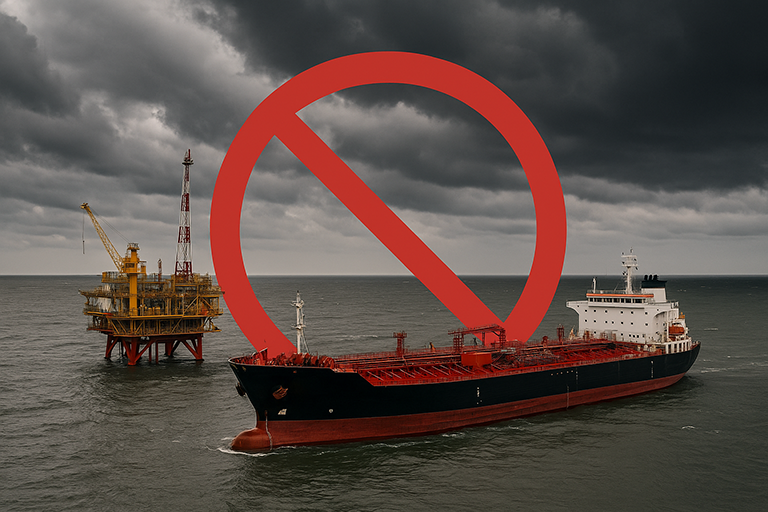
A significant regulatory storm has erupted in Malta’s maritime fuel industry after serious allegations surfaced against Trafigura, a globally prominent commodity trading firm. The controversy revolves around claims that the company may have leveraged a local operator's license to sidestep Maltese regulations and conduct unauthorised marine fuel deliveries.
This revelation has cast a spotlight on the mechanisms that govern Malta’s oil bunkering sector and the extent to which they are enforced. The Malta Offshore Bunkering Association (MOBA), which represents licensed fuel operators, has voiced alarm over these developments, pressing regulatory authorities to take decisive action and reinforce the integrity of the sector.
How the scheme allegedly operated
The core of the controversy lies in a report published by The Shift, an independent investigative outlet, which detailed that Trafigura—through its Singapore-based subsidiary TFG Marine—had been utilizing the license of Maltese company CN Bunker Fuels to distribute fuel to ships without possessing a license itself.





















This arrangement directly contradicts Maltese bunkering regulations, which explicitly prohibit the subcontracting of licenses. The report reveals that Trafigura had been operating a fuel delivery vessel named Endo Scirocco, which was frequently observed leaving Maltese ports with significant quantities of marine fuel. These supplies were then transferred to vessels stationed offshore, raising suspicions about the legality of such operations.
Notably, it was discovered that Bunker Delivery Notes (BDNs), the documentation required to accompany every marine fuel delivery, were being issued not by CN Bunker Fuels, but directly by TFG Marine—an entity without the necessary licensure to legally operate in Maltese waters.
MOBA takes a public stand
In response to the unfolding controversy, MOBA issued a public statement acknowledging the concerns circulating within the industry. While clarifying that it does not possess enforcement capabilities, the association reaffirmed its dedication to regulatory compliance and ethical conduct among its members.
MOBA emphasized its belief in maintaining transparency and fairness, stating that such practices, if left unchecked, could distort the competitive landscape and erode the credibility of the Maltese bunkering sector. The association called upon the Regulatory Environment and Water Services (REWS), the body responsible for monitoring and enforcing fuel distribution laws, to take action.
“We are aware of concerns raised regarding the use of Bunker Delivery Notes linked to non-licensed entities. While we do not have an enforcement role, we encourage all industry players to operate in full compliance with regulatory provisions,” the association remarked.
Fuel transfers and shadow operations
The vessel at the heart of this operation, the Endo Scirocco, is registered in Limassol, Cyprus, and was found to be routinely involved in fuel transfers just beyond the borders of Malta's harbors. These transfers often took place in areas where regulatory visibility is weaker, making it difficult to track compliance in real time.
Investigative findings suggest that these shadow operations were not isolated incidents but part of a larger pattern, suggesting a deliberate attempt to obscure the nature and origin of the fuel being supplied. While the exact volume of fuel delivered through this method remains unclear, estimates suggest it could amount to thousands of tons.
Ownership denial and regulatory ambiguity
Nick Frendo, a co-owner of CN Bunker Fuels, has categorically denied any wrongdoing on his company’s part. He stated that the collaboration with Trafigura was based on a legitimate agreement and claimed that this agreement had received approval from REWS.
However, REWS has offered little in terms of clarity. While the agency acknowledged being aware of the situation, it has refrained from providing details or confirming whether the arrangement in question complies with national laws. This regulatory opacity has only intensified criticism from industry observers and stakeholders who are demanding full transparency.
Market reaction and allegations of favoritism
Reactions from other industry participants have been pointed. Several sources within the maritime fuel supply community have accused REWS of favoritism, suggesting that certain operators are being allowed to flout regulations without consequences. These sources argue that the regulatory body’s lack of action places law-abiding companies at a disadvantage and could ultimately destabilize the entire market.
Some critics believe that the situation could have been prevented if REWS had exercised stricter oversight and clearer guidance regarding license use and compliance documentation. Others are calling for an independent investigation to determine whether any form of collusion or regulatory failure contributed to the incident.
Frendo, for his part, dismissed the criticisms as being rooted in envy and competitive rivalry, asserting that CN Bunker Fuels operates within legal parameters and has been unfairly targeted due to its business success.
A strategic withdrawal
In the aftermath of the Shift investigation and the subsequent media attention, Trafigura appears to have retreated from its operations with CN Bunker Fuels—at least temporarily. The sudden cessation of these activities has been interpreted by many as a sign that the firm is reevaluating its position in Malta, possibly anticipating regulatory action or legal challenges.
It remains to be seen whether this withdrawal will become permanent or whether Trafigura will seek to regularize its activities under a new, compliant framework. For now, the pause in operations serves as a significant, if temporary, disruption to the previously clandestine supply chain.
Broader implications for Malta’s regulatory regime
The case has sparked broader discussions about the robustness of Malta’s maritime regulatory system. Critics argue that the current framework, while comprehensive on paper, lacks the necessary enforcement mechanisms to deter and detect high-level regulatory evasion.
There are growing calls for REWS and other relevant authorities to introduce tighter auditing protocols, especially concerning Bunker Delivery Notes, vessel monitoring, and third-party agreements. Industry professionals argue that only through more frequent inspections and data transparency can the risk of illegal or quasi-legal operations be minimized.
Moreover, observers fear that continued regulatory leniency could damage Malta’s standing as a reputable maritime hub. With increasing international scrutiny, particularly from European regulatory bodies, Malta’s approach to maritime compliance may come under pressure to align with stricter continental standards.
A turning point for the industry?
Whether the Trafigura case becomes a catalyst for meaningful regulatory reform remains uncertain. However, it has undeniably exposed vulnerabilities in Malta’s bunkering oversight and raised important questions about the balance between economic opportunity and regulatory diligence.
The next steps taken by REWS, MOBA, and the Maltese government could redefine how maritime fuel operations are governed in the future. If the goal is to maintain Malta’s competitive edge while safeguarding against misuse, transparent policy enforcement and regular reviews of licensing frameworks will be essential.
For now, the industry waits, watching closely to see whether this scandal becomes a forgotten headline or a pivotal moment in the evolution of Maltese maritime regulation.
Conclusion
The controversy surrounding Trafigura’s alleged misuse of a local Maltese operator’s license has exposed critical weaknesses in Malta’s maritime regulatory framework. As questions continue to arise over the enforcement of fuel distribution laws and the potential for regulatory loopholes, the case has sparked calls for greater transparency, stricter oversight, and a reassessment of current practices. While Trafigura’s temporary withdrawal from operations in Malta may signal a pause, it also underscores the urgency for authorities to act decisively. For Malta to maintain its credibility as a maritime hub, robust enforcement and unwavering adherence to legal standards are essential. The outcome of this case could well shape the future direction of the country's bunkering industry and its regulatory landscape.
FAQs
What is Trafigura accused of in Malta?
Trafigura is accused of using a local operator’s license to illegally supply marine fuel in Maltese waters, bypassing regulatory requirements.
What is MOBA’s role in this controversy?
MOBA, the Maltese Offshore Bunkering Association, is calling for regulatory enforcement to maintain fair competition and compliance.
Why is subcontracting licenses illegal in Malta?
Maltese law prohibits subcontracting to prevent regulatory evasion and ensure that only licensed entities conduct fuel operations.
What is REWS and what has it said?
REWS is Malta's regulatory authority for energy and water services. It acknowledged awareness of the issue but declined detailed comment.
What are Bunker Delivery Notes (BDNs)?
BDNs are official documents confirming the delivery and specifics of marine fuel transfers, vital for regulatory and commercial records.
Why did Trafigura stop operations through CN Bunker Fuels?
After the investigation by The Shift, Trafigura temporarily halted fuel deliveries via CN Bunker Fuels, likely due to regulatory scrutiny.
Who owns CN Bunker Fuels?
CN Bunker Fuels is partly owned by Nick Frendo, who denies any misconduct and claims REWS approved the arrangement with Trafigura.
What has the industry response been?
Industry players have criticized the situation, accusing REWS of favoritism and demanding stricter regulatory enforcement.
What risks does this pose to Malta’s bunkering sector?
Such controversies risk damaging Malta’s reputation, undermining regulatory integrity, and creating unfair competition in the market.
What changes are being called for?
Stakeholders are advocating for stricter oversight, transparency from regulators, and harsher penalties for non-compliance.

Ash
I like to keep it short. I am a writer who also knows how to rhyme his lines. I can write articles, edit them and also carve out some poetic lines from my mind. Education B.A. - English, Delhi University, India, Graduated 2017.