


Transparency Concerns Over Fort Ricasoli Film Leases
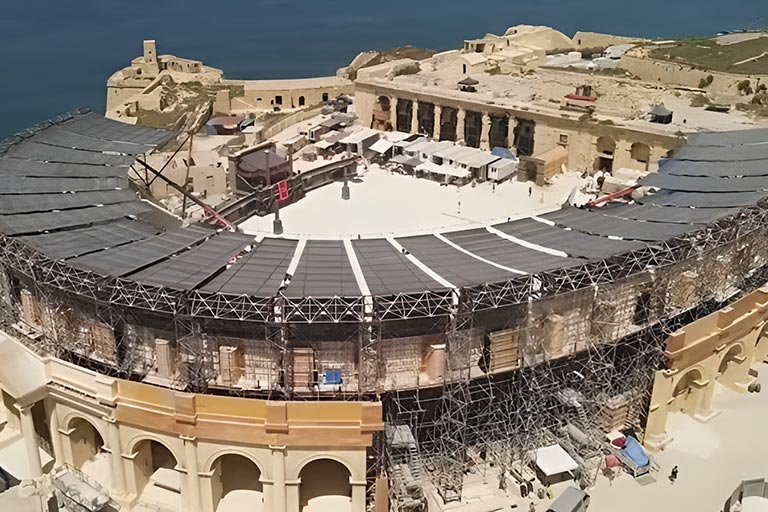
The Malta Film Commission has come under scrutiny for its refusal to disclose details of lease contracts it has signed with Hollywood film producers for the use of Fort Ricasoli. The commission has justified its decision by stating that these agreements contain confidential and “sensitive information.” This lack of transparency has raised serious concerns about accountability and the proper management of public assets, particularly when dealing with a historic and culturally significant site such as Fort Ricasoli.
Despite not possessing legal ownership of the fort, the Film Commission has continued to lease it as a filming location for major international productions. Most notably, the site recently served as a backdrop for the highly anticipated sequel Gladiator II, a blockbuster production that is expected to generate significant international attention. However, the financial details surrounding the leasing agreements remain hidden from public view.
Parliamentary Questions Ignored by Government Officials
Concerns about the legal and financial aspects of leasing Fort Ricasoli have prompted Opposition spokesperson Julie Zahra to submit a series of parliamentary questions. She sought to clarify key issues, including:


- The official ownership status of the fort.
- The entities or individuals receiving the funds from these lease agreements.
- The government body responsible for overseeing and managing these funds.
However, instead of providing direct answers, Lands Authority Minister Stefan Zrinzo Azzopardi and Culture Minister Owen Bonnici evaded the inquiries. They merely stated that while the Film Commission does not officially hold the title to Fort Ricasoli, “discussions are at an advanced stage” to transfer control of the site. Notably, this same explanation has been given since 2020, with no apparent progress.
Freedom of Information Request Denied
In an attempt to obtain greater transparency, investigative journalists from The Shift submitted a Freedom of Information (FOI) request to access copies of the lease agreements between the Film Commission and various international film studios. Under normal circumstances, renting out a site as historically and strategically significant as Fort Ricasoli should generate substantial revenue, possibly amounting to hundreds of thousands of euros.
However, Film Commissioner Johann Grech denied the request, stating that the agreements contain “sensitive information.” This refusal has only intensified suspicions that key financial details are being withheld, preventing public scrutiny over how state resources are being managed and allocated.
Financial Discrepancies and Missing Revenues
One of the most concerning aspects of this case is the absence of lease-related revenue in the Film Commission’s official financial statements. According to the most recent publicly available financial records from 2022, the commission’s reported income consists solely of:
- An annual government subvention.
- Revenue generated from its tank facilities located in Kalkara.
No mention is made of any earnings derived from renting out Fort Ricasoli to film producers. Independent auditing firm Grant Thornton verified these accounts, which are currently under review by the Public Accounts Committee (PAC). The omission of lease-generated revenue raises fundamental questions about transparency and accountability, leading many to ask: Where is the money going?
The Controversial Leadership of Johann Grech
Since taking over as Film Commissioner, Johann Grech’s leadership has been marred by allegations of excessive spending and questionable financial management. Before assuming his current role, Grech served as a marketing manager for former Prime Minister Joseph Muscat, who himself resigned amid corruption scandals.
Under Grech’s tenure, the Film Commission has reportedly spent millions of euros on promotional events and film-related festivals, often without adequate financial oversight. Two particularly controversial instances include:
- The lavish Malta Film Awards, which cost taxpayers several million euros, despite Malta’s relatively small film industry.
- The Mediterrane Film Festival, another costly event whose financial details remain largely undisclosed.
Repeated requests for financial disclosure regarding these expenditures have been ignored. Many of the commission’s multimillion-euro budgets have been allocated through direct orders, often awarded to contractors with strong links to the Labour Party’s electoral campaign logistics.
Political and Legal Ramifications
The Film Commission’s refusal to disclose lease contracts for Fort Ricasoli and the absence of lease-related revenues from its financial statements have broader implications for governance and financial accountability in Malta. The case raises serious concerns, including:
- Whether public funds are being misallocated or misused.
- The absence of oversight mechanisms to track government-affiliated agencies’ financial dealings.
- The secrecy surrounding financial transactions involving state-owned resources.
The opposition is expected to continue pressing the government for greater transparency, while legal avenues may be explored to compel the release of financial records. If funds from Fort Ricasoli’s lease agreements are not appearing in public accounts, it is crucial to determine who is benefiting from these revenues and whether they are being properly reinvested in Malta’s cultural and historical preservation efforts.
Calls for Reform and Greater Transparency
The ongoing controversy surrounding the leasing of Fort Ricasoli highlights the urgent need for reforms to ensure greater accountability in Malta’s film industry and government-affiliated agencies. Several measures should be implemented, including:
- Mandatory Disclosure of Public Asset Leases: Lease agreements involving publicly owned sites should be made accessible to the public to prevent financial misconduct.
- Independent Audits of Film Commission Activities: Regular audits should be conducted by independent bodies to ensure all funds are accounted for and properly allocated.
- Stricter Oversight of Public Expenditures: Clear regulations should be in place to prevent excessive and unjustified spending on promotional events and direct contracts.
- Accountability for Public Officials: Government officials and agency heads must be held accountable for financial mismanagement and lack of transparency.
Conclusion
The secrecy surrounding Fort Ricasoli’s lease agreements raises serious questions about financial transparency in Malta’s film industry. Despite leasing the site to major Hollywood productions, the Film Commission has failed to disclose where the funds from these transactions are going. With parliamentary questions ignored, FOI requests denied, and financial records showing no lease-related income, the lack of transparency is alarming.
Until the government provides full disclosure on these financial dealings, concerns over mismanagement and corruption will persist. Given the cultural and historical significance of Fort Ricasoli, it is imperative that its use and financial transactions are handled with the highest level of accountability. Without transparency, public trust in the administration of Malta’s national assets remains at risk.
FAQs
Why has the Malta Film Commission refused to disclose lease agreements?
The commission claims the agreements contain “sensitive information,” raising concerns about transparency in managing public assets.
Who owns Fort Ricasoli?
The Film Commission does not hold legal ownership of the fort, yet it has continued leasing it out. The government claims discussions on transferring the title are ongoing.
How much revenue has been generated from leasing Fort Ricasoli?
The amount remains unclear, as financial reports do not list any income from these leases, despite the fort being used for major productions.
Why are lease revenues missing from the Film Commission’s accounts?
Financial statements do not mention any lease income, raising concerns about where the funds from Hollywood productions are being allocated.
What has been the response to the missing funds?
Investigative journalists and opposition MPs have pressed for transparency, but the government has refused to provide clear answers.
What legal actions could be taken?
Legal challenges could be pursued to force the disclosure of lease agreements and financial records related to Fort Ricasoli.

Anna Amstill
I am an avid Blogger and Writer with more than 6 years of experience with Content Writing. An Online Marketing expert specializing in Blog writing, Article writing, Website content, SEO specific Keyword content and much more. Education B.A. - business management, York University, Canada, Graduated 2016.


